
Recent Posts
PTFE Temperature Range Unlocked: From Cryogenic to High-Heat Performance for Industrial Bushings
For engineers and designers pushing machinery to its limits, understanding the true temperature range of PTFE (Polytetrafluoroethylene) is not an academic exercise—it’s the foundation of reliability. Often cited for an impressive -200°C to +260°C span, PTFE’s real-world performance is a story of dramatic property shifts, critical phase transitions, and brilliant material engineering that overcomes its innate weaknesses. This article moves beyond the datasheet numbers to explore how temperature dictates PTFE behavior and how advanced composite bushings, like the MYWAY series, are engineered to deliver stable, long-lasting performance across this challenging thermal landscape.
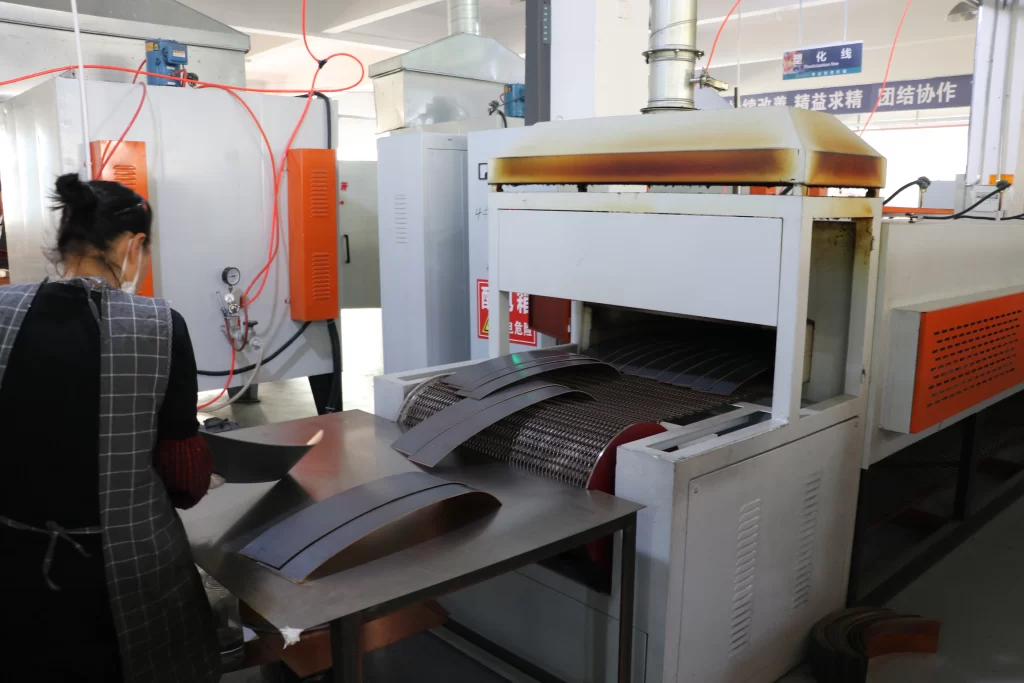
Table of Contents
1. The Core Truth: PTFE's Properties Are Thermally Unstable
PTFE is renowned for its chemical inertness and low friction, but its mechanical properties are exceptionally sensitive to temperature. The “operating range” is where it physically survives, not where it performs optimally.
The Low-Temperature Challenge: Stiffness and Phase Transitions
As temperatures fall, PTFE loses its ductility. Research indicates significant phase transitions occur in the cryogenic range (77 K to 223 K), causing dramatic changes in stress response, from elastic to plastic behavior and ultimately fracture. Furthermore, PTFE undergoes subtle but important crystalline transitions even at room temperature (around 19°C and 30°C), which affect its density and dimensional stability. In plain terms, a pure PTFE component can become brittle and prone to cracking in deep cold or exhibit unpredictable dimensional changes with routine temperature swings.The High-Temperature Reality: The Creep and Strength Crisis
The most critical limitation emerges with heat. PTFE’s tensile and compressive strength plummet as temperature rises. Perhaps more damaging is its propensity for creep or “cold flow”—the tendency to permanently deform under sustained load. This effect accelerates exponentially with temperature. A bushing under load at 200°C can slowly flow like viscous putty, losing its designed clearance and leading to failure. Wear rates also increase dramatically at temperatures exceeding 150°C.
2. Engineering the Solution: Beyond Pure PTFE to Intelligent Composites
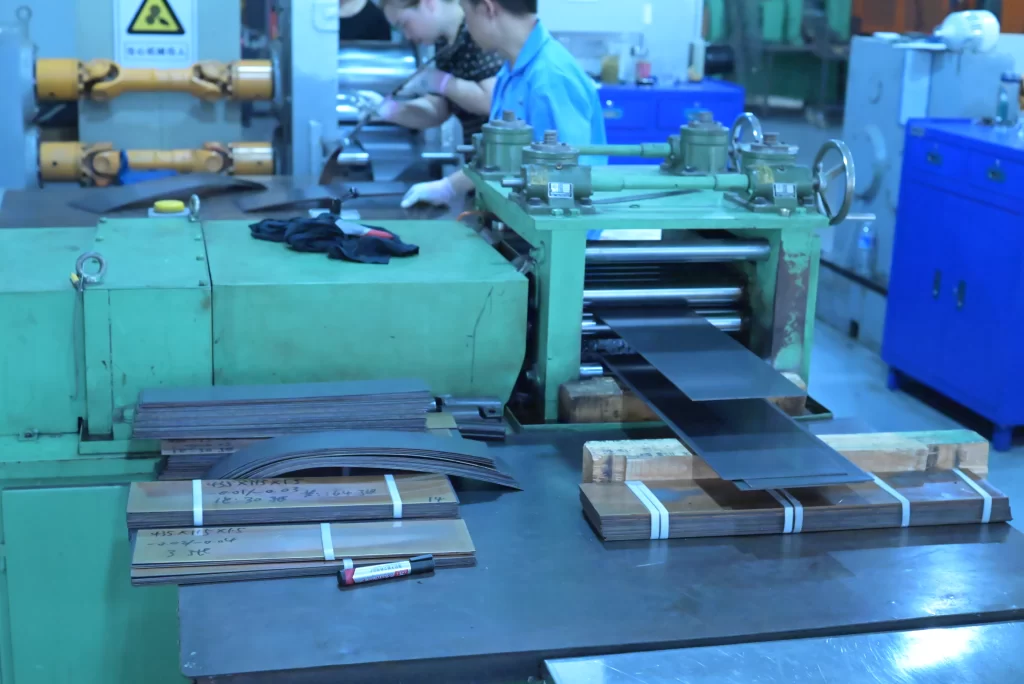
Recognizing these flaws, material scientists developed composite structures to isolate PTFE’s superb sliding properties while mitigating its weaknesses. The evolution from pure PTFE to metal-polymer composites represents a quantum leap in performance.
The following table contrasts the performance limitations of pure PTFE with the engineered solutions provided by advanced PTFE composite bushings:
| Aspect | Pure PTFE Bushing | Advanced PTFE Composite Bushing (e.g., MYWAY Concept) |
|---|---|---|
| Mechanical Load Support | Poor. Low compressive strength, high creep. | Excellent. A steel backing provides ultimate structural strength and load capacity. |
| Thermal Management | Very Poor. PTFE is an excellent thermal insulator, causing heat buildup. | Good. A sintered bronze interlayer acts as a heat conduit, drawing friction heat away from the sliding surface. |
| Dimensional Stability | Poor. Very high coefficient of thermal expansion (CTE). | Excellent. The steel backbone controls the CTE of the entire assembly, maintaining clearances. |
| Wear Resistance | Moderate to Poor, especially at high temperatures. | High. The PTFE-based sliding layer is compounded with proprietary fillers (e.g., carbon, graphite) for enhanced wear resistance. |
| Service Life in Demanding Apps | Short. Prone to rapid deformation and wear. | Exceptionally Long. Proven to offer 7 to 10 times longer life than standard bronze-PTFE overlays in high-performance tests. |
3. Introducing MYWAY Bushing Solutions: Engineered for the Thermal Extremes
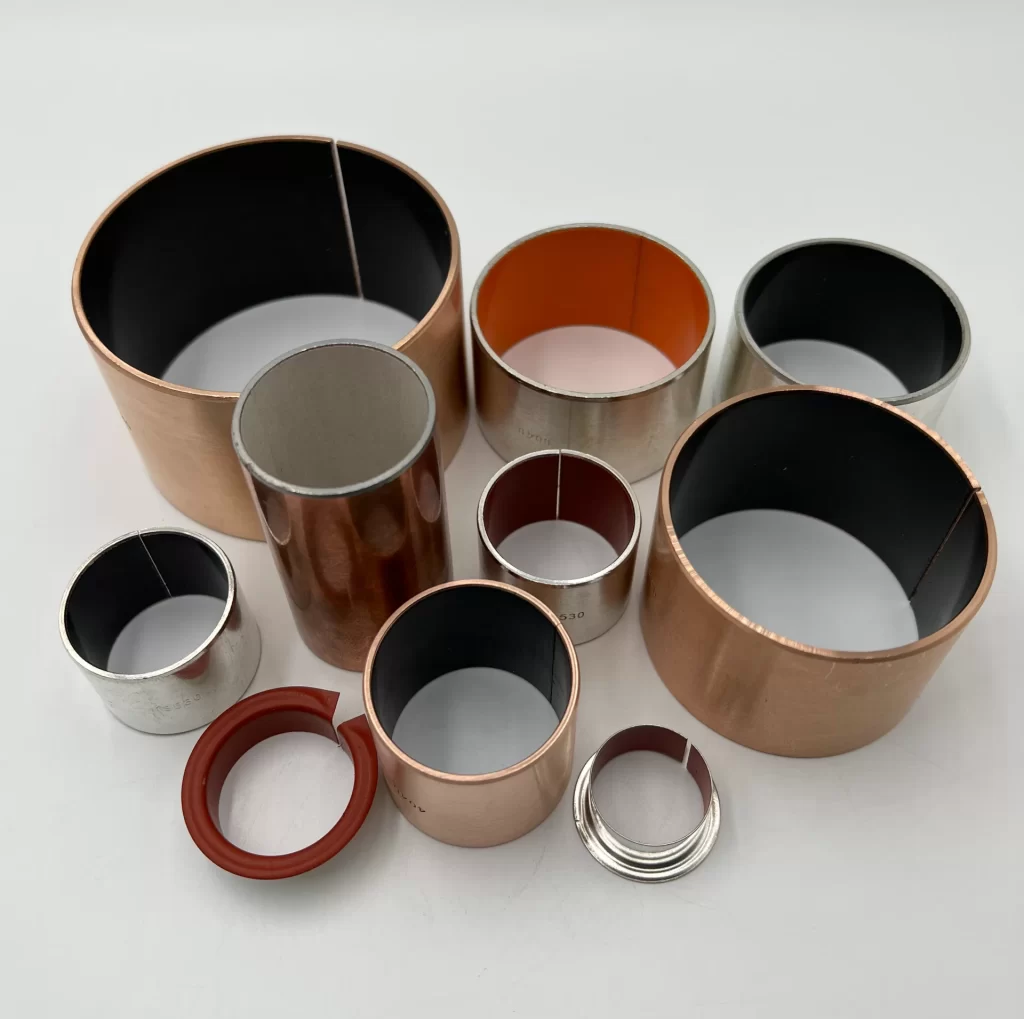
The MYWAY series of steel-backed, PTFE composite bushings are built upon the principles of intelligent material design. We don’t just sell a material; we provide a thermally competent system.
MYWAY-HP (High Performance): Designed for the most demanding environments with wide thermal cycles, from cold starts to high-operating temperatures. Our proprietary PTFE compound resists creep and maintains a low friction coefficient even when intermittent peaks approach the upper limits of the PTFE range.
MYWAY-LT (Low Temperature): Engineered formulations and careful structural design mitigate brittleness, ensuring reliable service in cryogenic or frigid outdoor applications without compromising on load capacity.
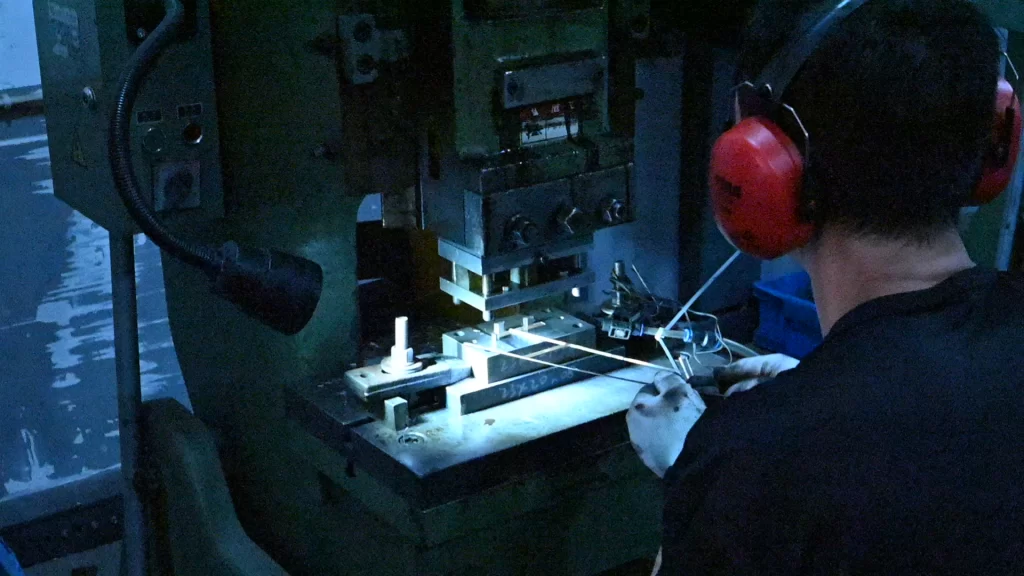
The MYWAY Advantage: Consistency. A critical, often overlooked factor is manufacturing quality. Studies show that entrapped air in the composite liner during production can drastically reduce bond strength and load capacity. MYWAY bushings are manufactured under stringent process controls to eliminate such defects, ensuring every bushing delivers the promised, temperature-resistant performance.
4. Unlock Next-Generation Performance with MYWAY
Choosing the right bushing for extreme temperatures is no longer about finding a material that survives—it’s about selecting an engineered system that performs. The MYWAY series represents the culmination of decades of learning about PTFE’s thermal personality, designed not to fight its nature, but to perfectly complement it with robust, metallic support.
Stop compromising your design for thermal extremes. Let’s discuss how MYWAY’s intelligent composite technology can extend service life, minimize unplanned downtime, and push the performance envelope of your machinery.
Frequently Asked Questions (FAQ)
Q1: What is the safe, continuous operating temperature for a MYWAY bushing?
While the PTFE layer can withstand intermittent exposure up to 280°C, the optimal continuous operating range for the composite system is -195°C to +240°C. For specific high-load, high-speed (high PV) applications, we recommend consulting our engineering team to determine the ideal grade.
Q2: How does pressure affect the temperature performance of PTFE?
Research indicates that external pressure can raise PTFE’s crystalline transition temperatures. In practice, this means a heavily loaded bushing might experience the negative effects of creep or property changes at a slightly lower ambient temperature. MYWAY bushings, with their high load capacity, help mitigate this by reducing the actual pressure on the PTFE layer itself.
Q3: Can I use these bushings in a submerged or chemically aggressive environment at high temperatures?
Yes. PTFE’s outstanding chemical resistance is largely unaffected by temperature. The MYWAY design, with its sealed steel backing and bronze layer, provides complete protection against corrosion, making it ideal for chemical processing, marine, and food-grade equipment.
Q4: Why choose MYWAY over a standard DU or SF-1 bushing?
While based on a similar three-layer concept, MYWAY bushings focus on advanced material science and precision manufacturing. This translates to:
Longer service life under identical conditions, reducing downtime.
Higher reliability across extreme temperature ranges.
Consistent performance from the first bushing to the ten-thousandth, thanks to superior quality control that prevents air entrapment and ensures perfect bonding.
Q5: Can you provide custom solutions for my specific temperature and load application?
Absolutely. Our engineering team specializes in tailoring the filler composition, layer thickness, and bushing geometry to optimize performance for your unique combination of temperature range, load (P), speed (V), and environmental challenges.
100000+ Types of Bushings – Contact Us for Details