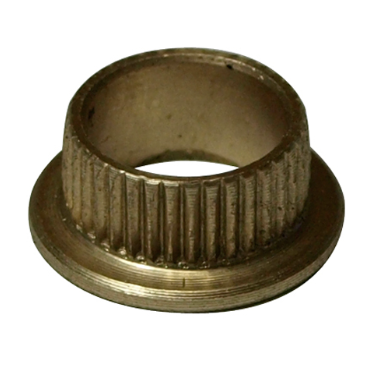
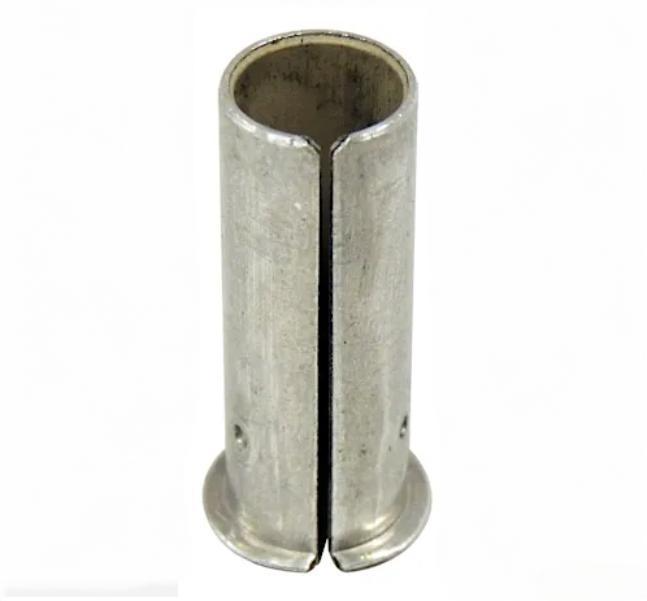
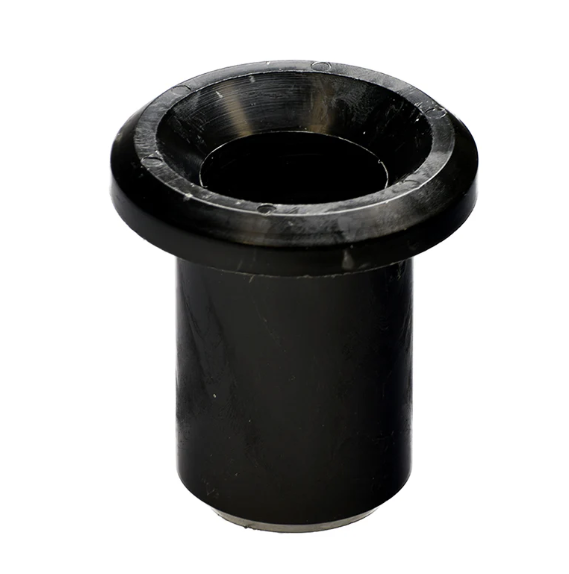
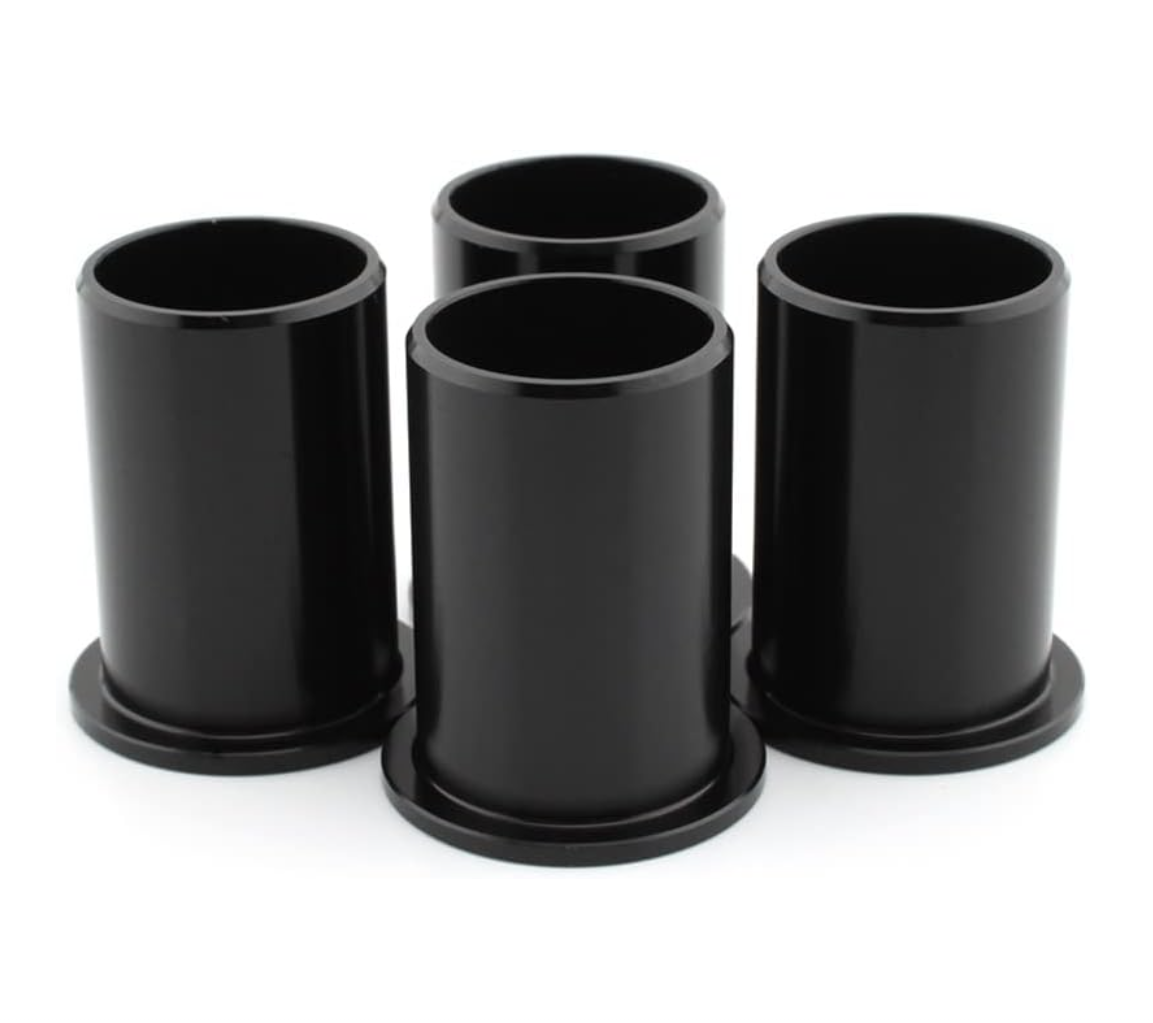
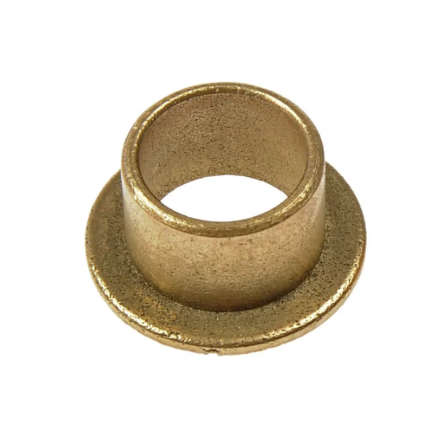
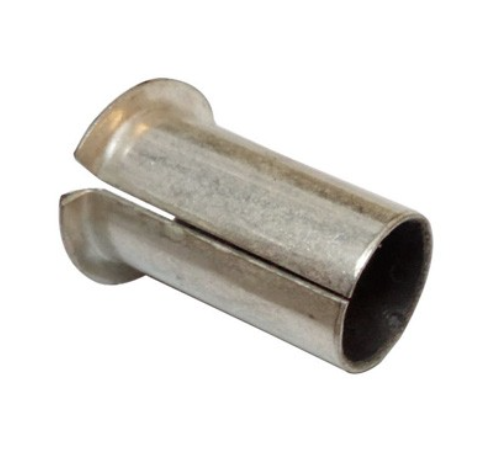
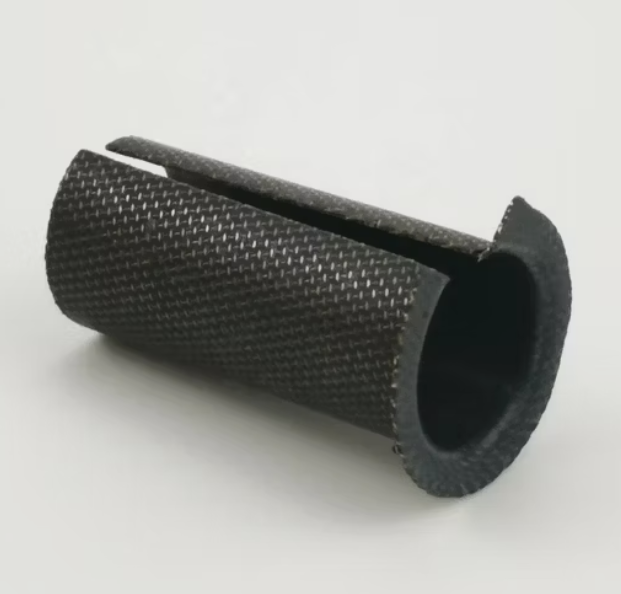
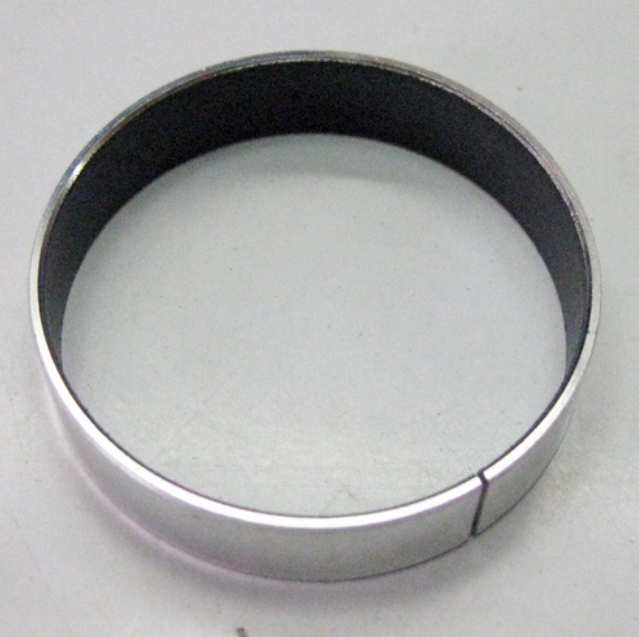
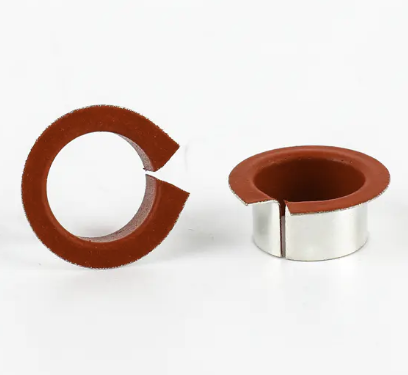
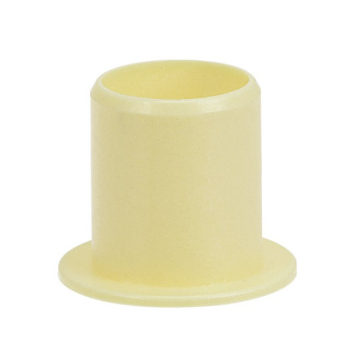
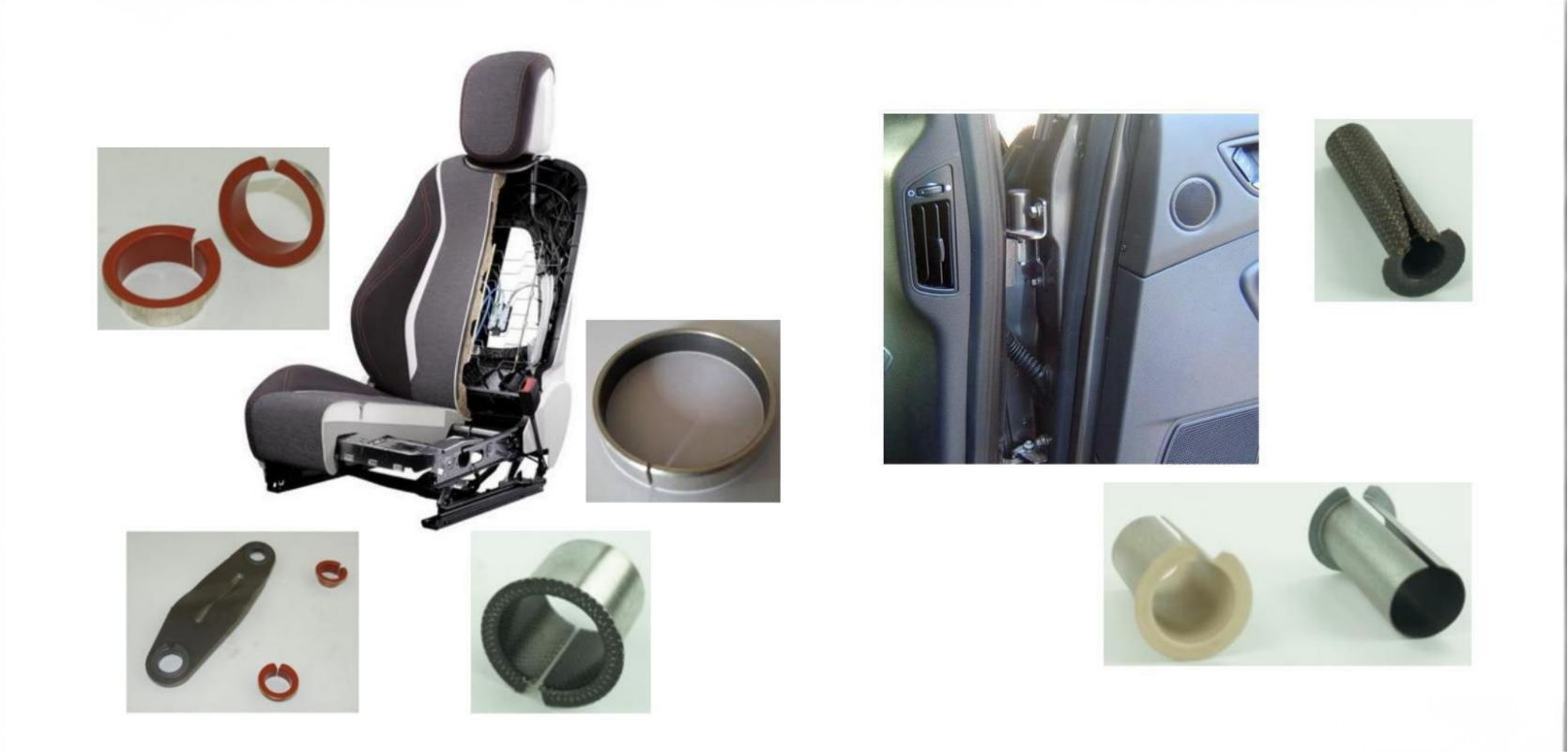
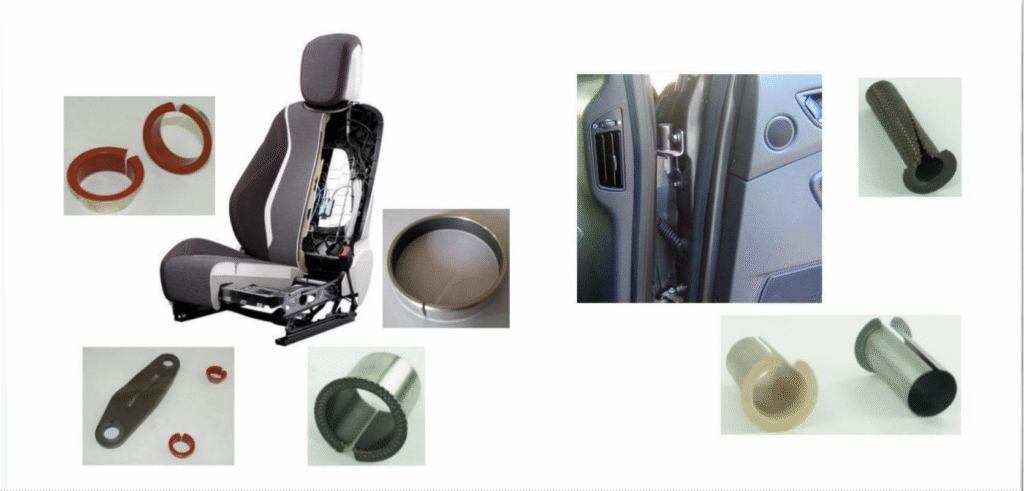
| Component Category | Specific Type / Model | Product Series Name |
| Automotive Body Bushing | Door Hinge Bushing | Self-lubricating Bushing |
| Seat Bushing | Boundary Self-lubricating Bushing |
| Steel Bushing |
| Plastic Bushing |
How Modern Automotive Body Bushings Shape Performance, Comfort, and Durability
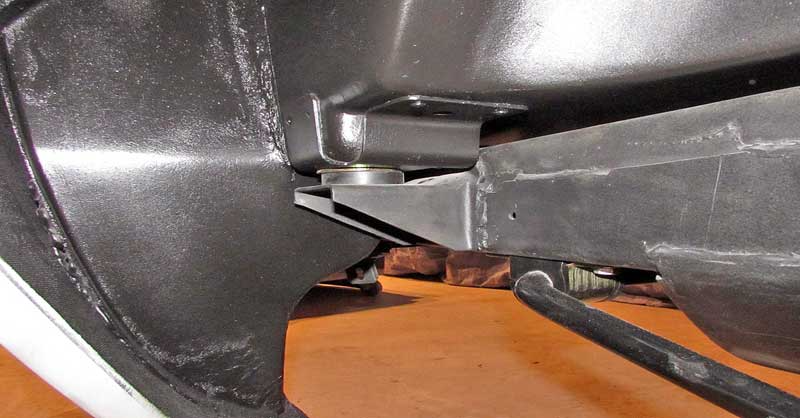
In the world of automotive engineering, the most critical components are often the ones you never see or hear. Tucked away within the skeleton of your vehicle, automotive body bushings play a pivotal yet understated role. They are the vital cushions between your car’s body and its frame or subframe, tasked with a delicate balancing act: absorbing road shocks and engine vibrations for passenger comfort, while simultaneously providing precise structural alignment and handling stability.
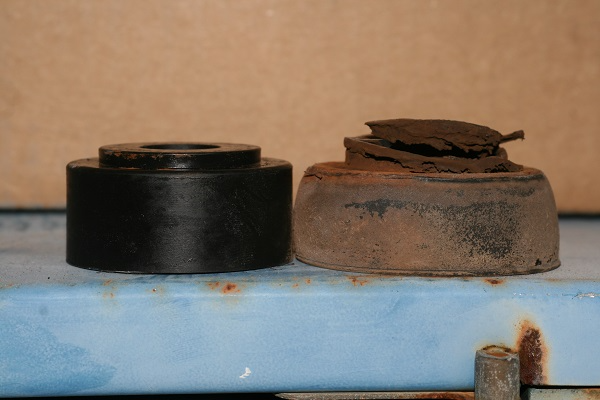
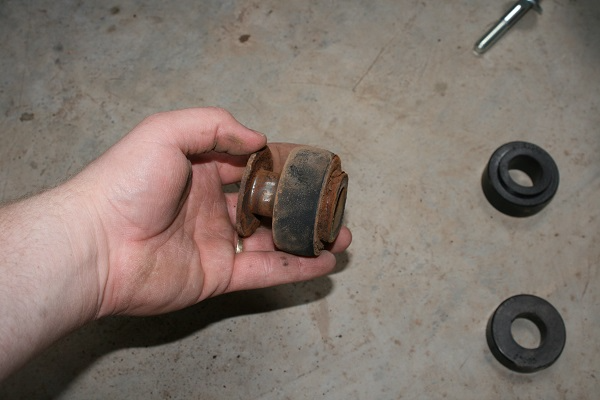
When these unassuming parts fail, the consequences are anything but silent. The frustrating symptoms—misaligned doors that are hard to close, unsettling squeaks and rattles, a vague feeling in the steering, or even water leaks—are all distress signals from a compromised foundation. This guide delves into the essential world of body bushings, exploring their function, the evolving market, material science, and how choosing the right partner, like MYWAY, can define the quality and longevity of your automotive designs.
The demand for high-performance bushings is stronger than ever, driven by powerful global trends. The automotive bushing market itself is on a steady growth path, with its size projected to increase from USD 65.22 billion in 2021 to approximately USD 84.36 billion by 2027. This growth is fueled by rising vehicle production, an increasing focus on passenger comfort (NVH reduction), and a robust aftermarket for replacement parts.
Several key trends are reshaping specifications:
The Electric Vehicle (EV) Revolution: EVs, with their heavy battery packs, place significantly higher static and dynamic loads on chassis components. This necessitates bushings with superior load-bearing capacity, durability, and resistance to abrasion.
The SUV and Truck Dominance: The continued consumer shift towards SUVs and light trucks, which have a higher center of gravity, demands stiffer suspension tuning and more resilient bushings to control body roll and maintain comfort.
Material Innovation: There is a clear shift from traditional rubber towards advanced materials like polyurethane and self-lubricating composites. These materials offer enhanced performance characteristics, meeting the needs of both OEMs seeking durability and aftermarket enthusiasts prioritizing handling.
The Core of the Matter: Bushing Types, Materials, and Applications
Understanding the different types of body bushings and the materials they are made from is key to selecting the right solution.
Primary Types and Critical Applications:
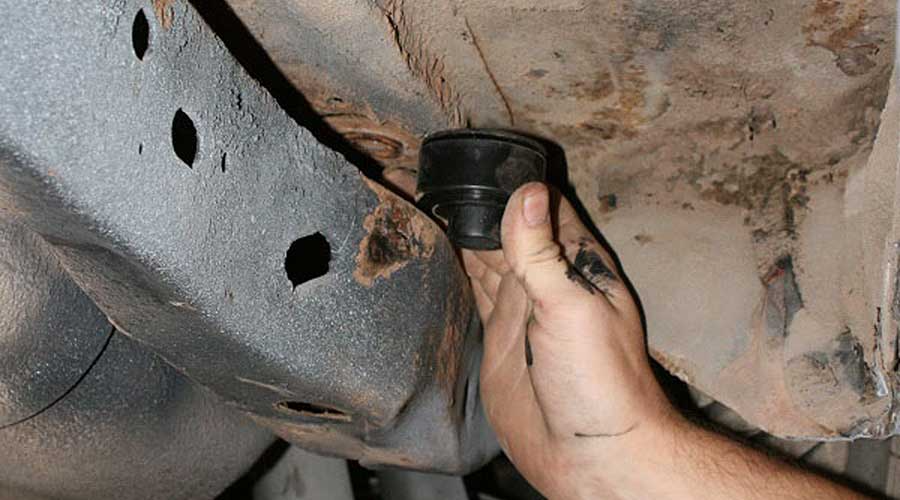
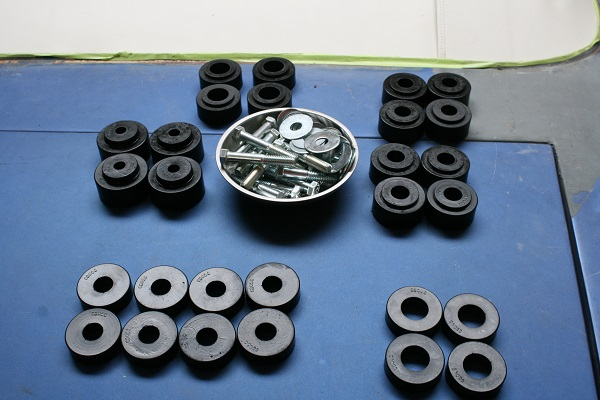
Body Mount Bushings: These are the largest and most critical, connecting the main vehicle body to the frame. They are fundamental for overall structural integrity, noise isolation, and ride quality.
Door Hinge Bushings: Located within the door hinge mechanism, these smaller bushings ensure smooth, quiet, and precise operation over tens of thousands of cycles. Wear here leads to door sag and misalignment.
Seat Bushings: Found in seat rails and mounting points, they isolate vibration from reaching the occupant and ensure smooth fore/aft adjustment.
Subframe and Control Arm Bushings: While part of the suspension, they are crucial for wheel alignment, handling response, and filtering high-frequency road noise.
The Material Showdown: Rubber vs. Polyurethane vs. Advanced Composites
The choice of material dictates performance, longevity, and application suitability.
Polyurethane has emerged as a premier alternative to rubber, offering a 30-50% increase in load-bearing capacity and far greater resistance to oils, chemicals, and environmental degradation. Its thermal stability and ability to be precision-molded make it ideal for complex bushing designs. However, for applications demanding the ultimate in low friction without external lubrication, advanced self-lubricating composites are the engineering choice.
Introducing MYWAY: Engineered for Boundary-Free Performance
At MYWAY, we specialize in pushing the boundaries of bushing technology. Our focus is on solving complex engineering challenges where traditional materials fall short. Our flagship DU/SF-1 series boundary self-lubricating bushings exemplify this commitment.
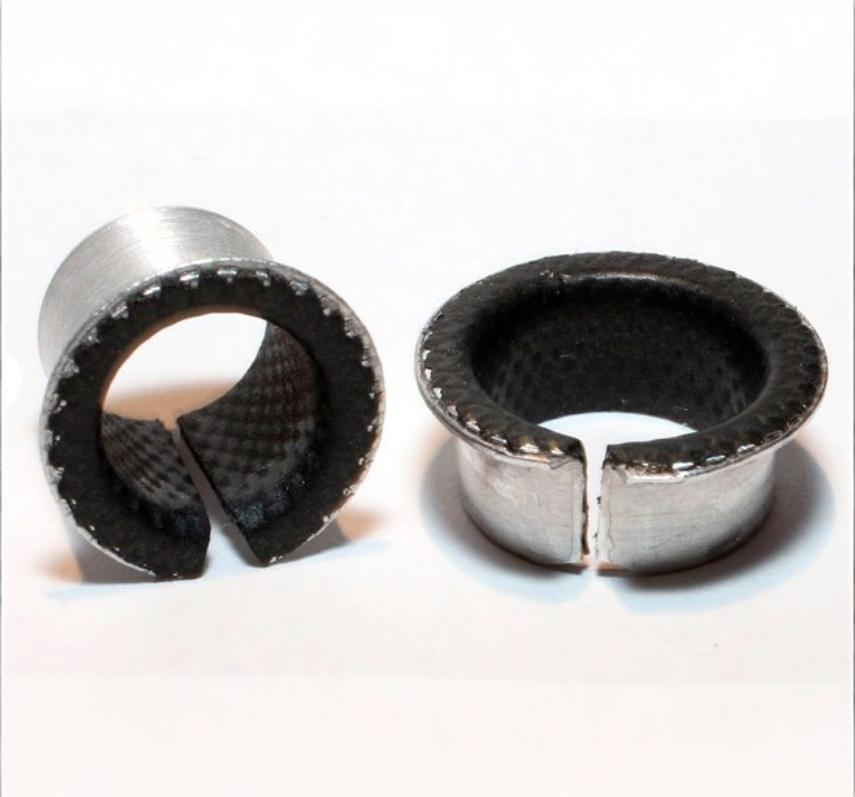
Our engineering philosophy is built on a multi-layer composite structure:
Steel Backing: Provides high structural strength, dimensional stability, and excellent load-carrying capacity for demanding automotive applications.
Sintered Bronze Interlayer: This porous layer is perfectly bonded to the steel, creating a robust matrix that acts as a reservoir for the sliding layer.
PTFE-Based Sliding Layer: A thin, impregnated layer of modified PTFE and other fillers. During operation, it forms a protective, low-friction transfer film on the mating shaft surface, ensuring smooth performance and protecting against wear.
Why MYWAY Bushings Are the Superior Choice for Modern Automotive Design:
Designed for Harsh Conditions: Perfect for door hinges, seat mechanisms, and electric parking brake actuators where grease is impractical or would attract dirt.
Weight & Space Efficient: Our thin-wall design allows for compact, lightweight components, contributing directly to vehicle weight reduction goals.
Corrosion Resistant: Options include tin-plated or stainless-steel backings for superior resistance to corrosion in all climates.
Precision Engineered: We utilize automated production lines and laser measurement systems to ensure every bushing meets exacting standards for dimensional accuracy and surface finish.
Targeted Solutions for Critical Applications
For Door Hinge & Closure Systems: Our bushings eliminate the “door sag” phenomenon, ensuring a perfect, rattle-free seal and a solid “thunk” for the life of the vehicle. They operate quietly and reliably without ever needing lubrication.
For Seat Adjustment & Mounting Systems: We provide smooth, effortless seat adjustment and isolate road vibration, enhancing perceived quality. Our materials withstand the constant micro-movements and load shifts.
For EV and High-Performance Applications: We offer solutions that handle increased vehicle mass and provide the precise control needed for dynamic handling, all while remaining maintenance-free.
Your Partner in Precision and Performance
Choosing the right body bushing is more than a component selection; it’s a decision that affects the vehicle’s character, quality, and durability. In an era defined by electric mobility, heightened quality expectations, and longer warranty periods, the industry can no longer rely on yesterday’s materials.
MYWAY stands ready as your expert partner. We combine deep material science expertise in self-lubricating composites with precision manufacturing capabilities to deliver solutions that are not just parts, but performance upgrades.
Ready to engineer the difference?
Contact MYWAY today to discuss your specific application, request samples for testing, or receive a detailed quote. Let us help you build vehicles that are quieter, more precise, and built to last.
Frequently Asked Questions (FAQ)
Q1: How often should body or hinge bushings be replaced?
There’s no fixed mileage. Replacement is symptom-driven. Listen for new creaks or rattles, look for misaligned body panels or doors that don’t close smoothly, and pay attention to degraded ride quality. In harsh environments, inspect them more frequently.
Q2: Are polyurethane or self-lubricating bushings too harsh for a daily driver?
Modern performance polyurethane compounds are engineered to provide a controlled firmness that improves handling without sacrificing daily comfort. MYWAY’s self-lubricating composites are designed to provide precise performance without adding harshness, making them suitable for both premium and performance vehicles.
Q3: Can I upgrade to MYWAY bushings on an existing vehicle model?
Absolutely. We excel at reverse-engineering and direct replacement. We can analyze your OEM bushing and provide a drop-in upgrade that offers enhanced durability and performance. We also provide full custom design services for new vehicle programs.
Q4: What is the lead time for custom bushing solutions?
For prototype quantities, we aim for 2-4 weeks. For production volumes, we provide a firm schedule based on the project’s complexity. Our automated production capabilities allow us to be responsive and reliable partners.
Q5: Why is the self-lubricating feature so important?
It eliminates a critical failure point: lubrication dependency. It reduces assembly time and cost (no grease application), prevents contamination of sensitive areas, and guarantees consistent performance over the entire service life, which is especially crucial for sealed or “for-life” components.