| Component Category | Specific Type / Model |
|---|
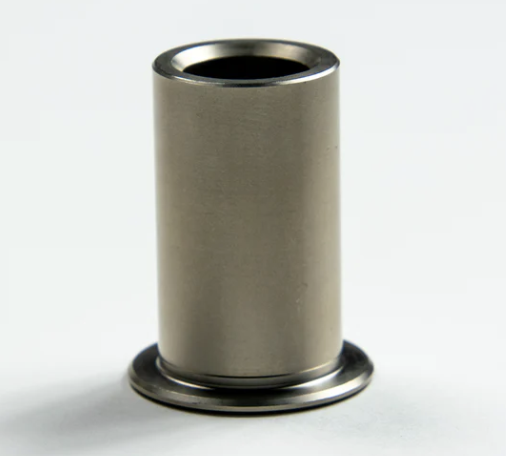
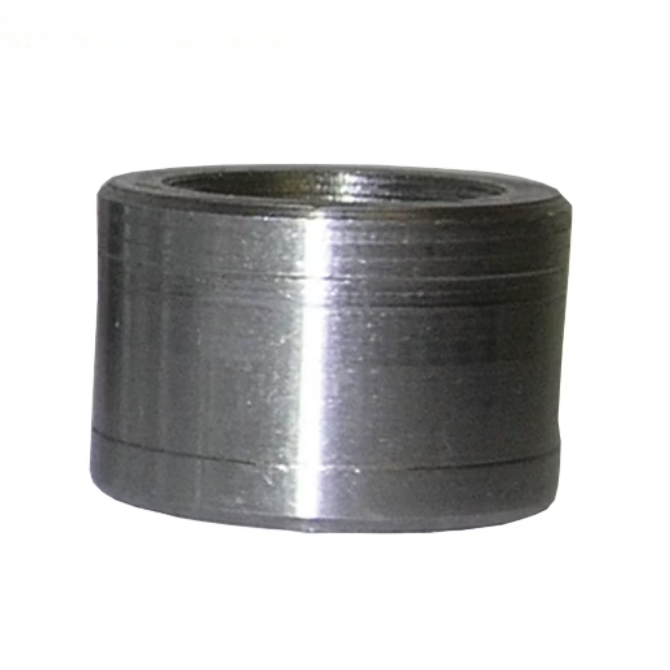
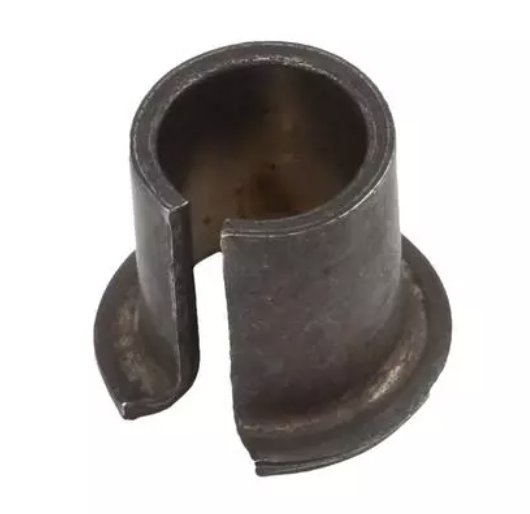
| Automotive – Engine Tensioner Pulley | DU/SF-1 Self-Lubricating Bushing |
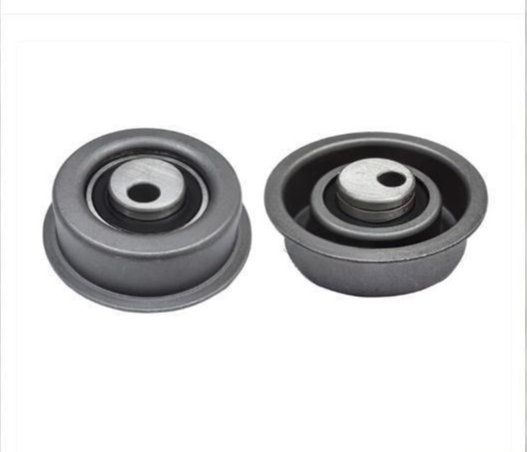
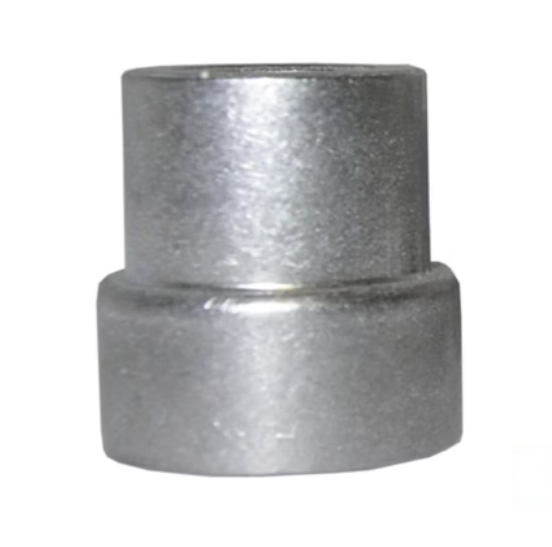
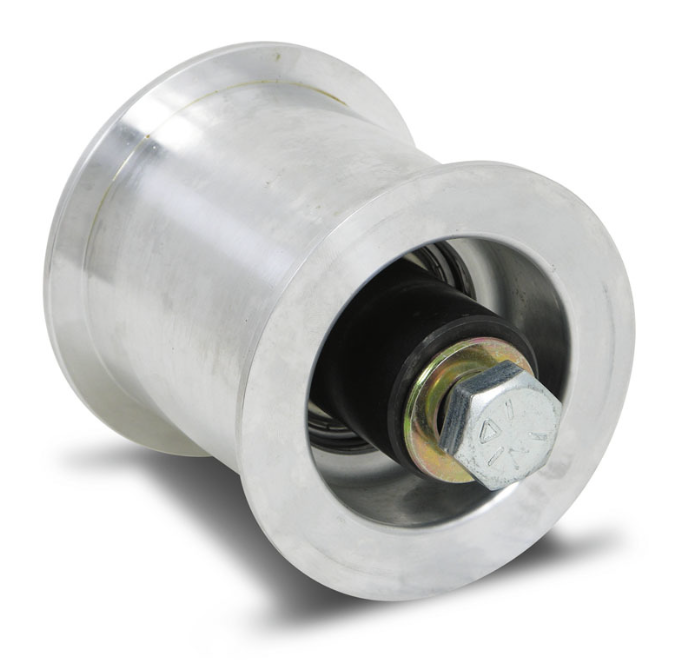
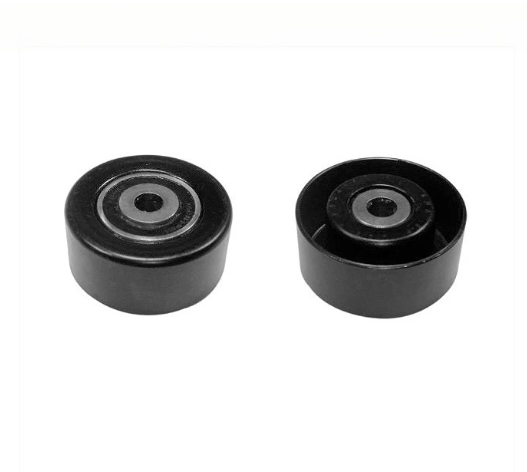
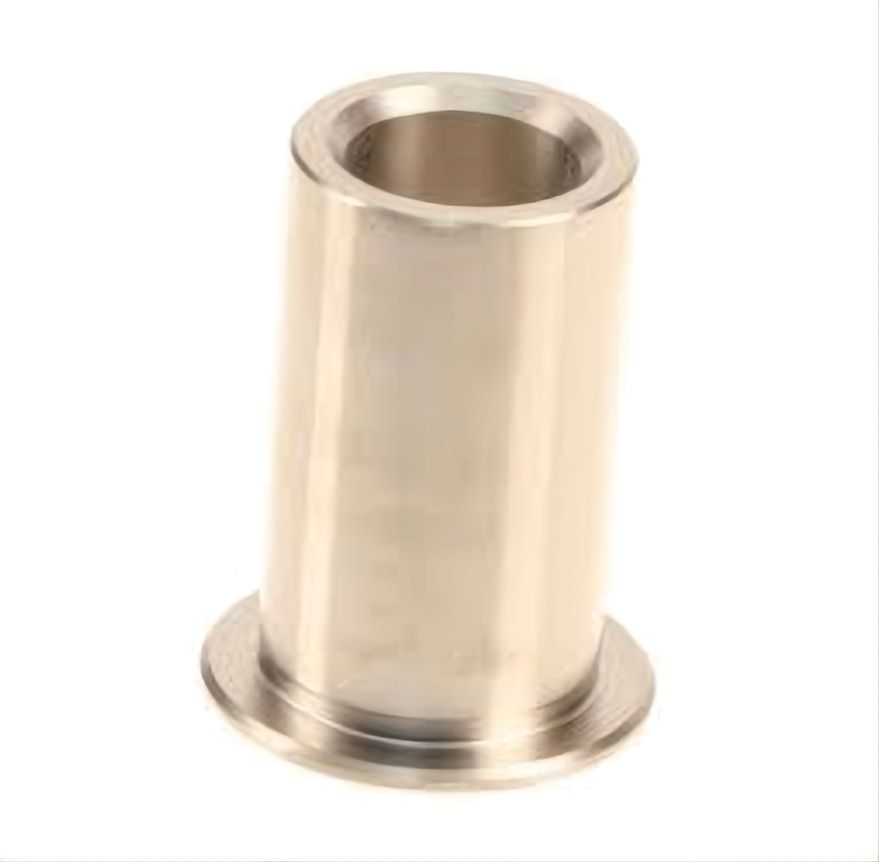
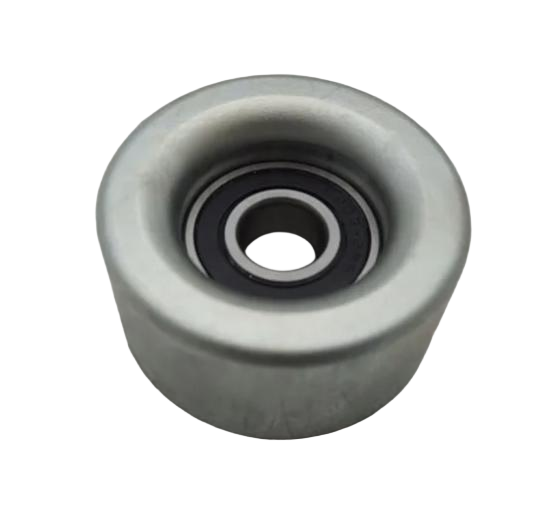
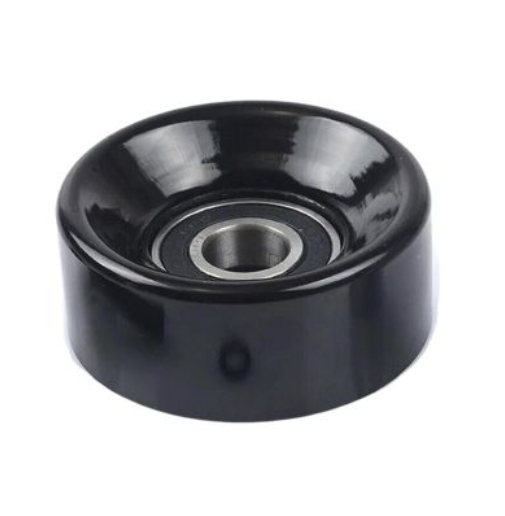
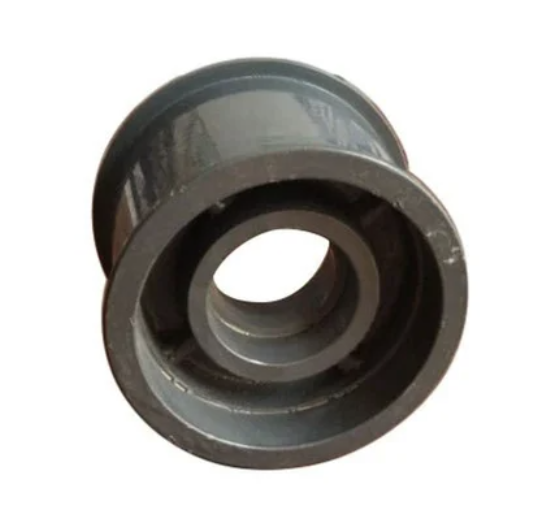
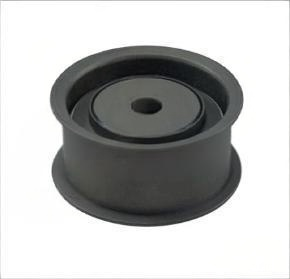
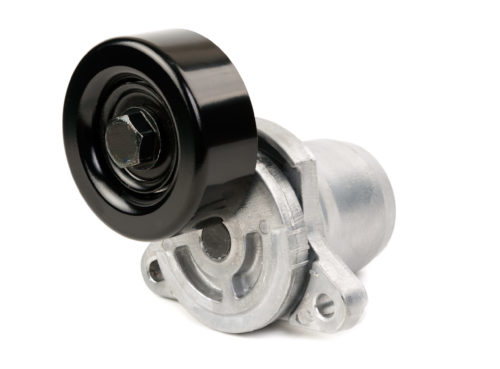
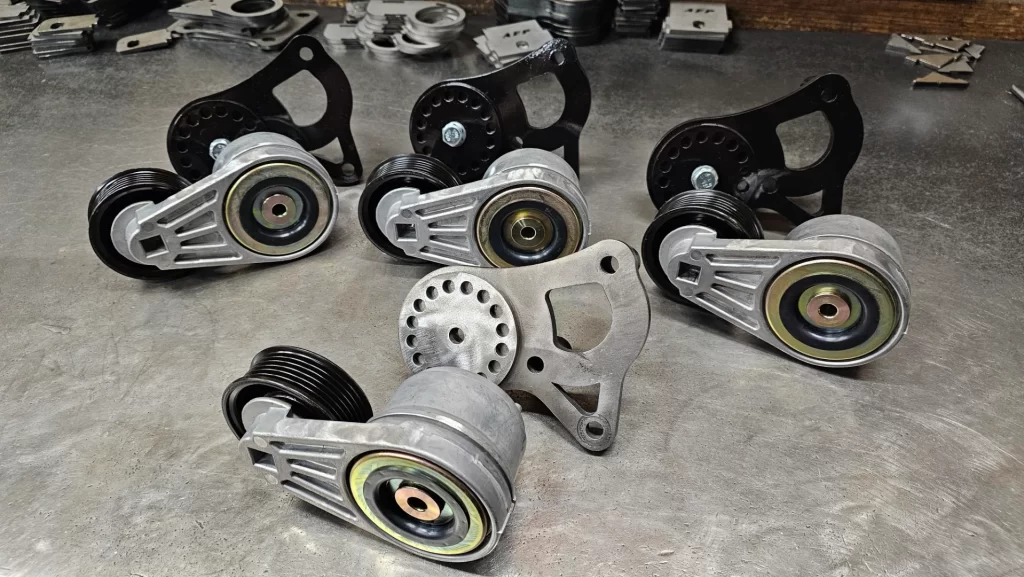
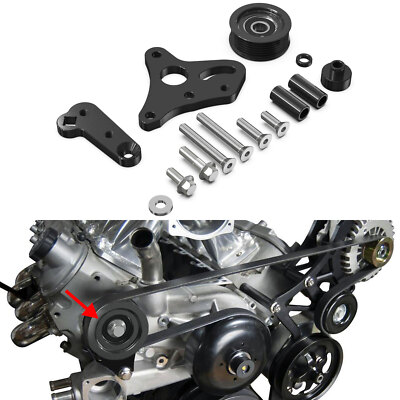
Automotive Engine Tensioner Pulley bushing
The Heartbeat of Your Belt Drive: Why This Unseen Component Demands Your Attention
When you hear a high-pitched squeal or a worrisome grinding noise from under the hood, your mind might jump to the serpentine belt. But seasoned mechanics know that the true culprit is often a much smaller, yet critically important part: the tensioner pulley bushing. This unsung hero of your engine’s accessory drive system works silently, preventing metal-to-metal contact and ensuring smooth power transfer. When it fails, it doesn’t just stop the pulley; it can trigger a catastrophic chain reaction, leading to belt failure, loss of vital accessories like the alternator and water pump, and potentially leaving you stranded. For fleet managers, shop owners, and discerning DIYers, understanding and maintaining this component isn’t just repair work—it’s a direct strategy for preventing costly downtime and protecting your engine’s health. This guide will delve into everything you need to know about the automotive engine tensioner pulley bushing and introduce you to a superior solution.
1. The Silent Guardian: What Is a Tensioner Pulley Bushing?
Core Function and Location
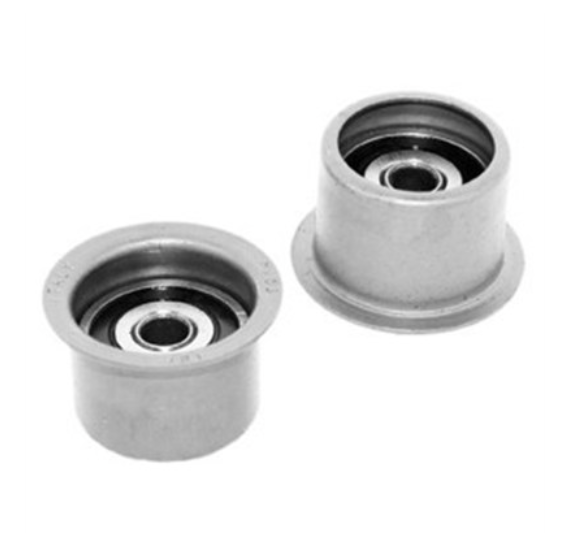
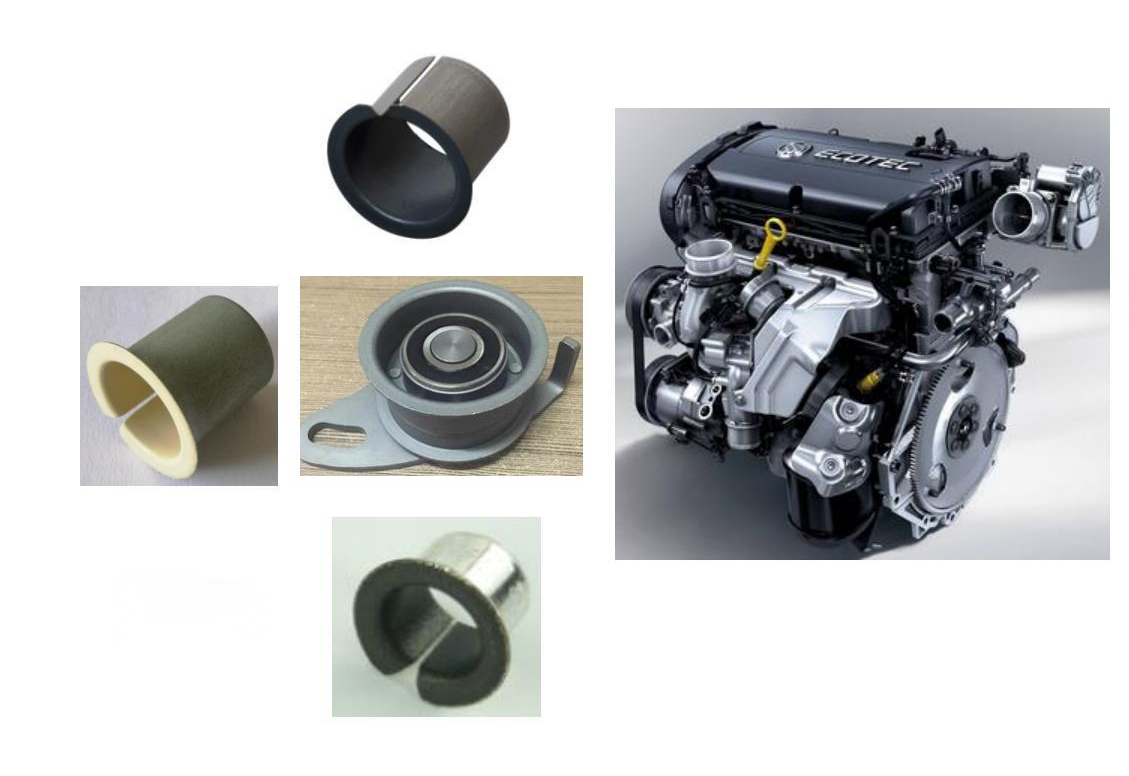
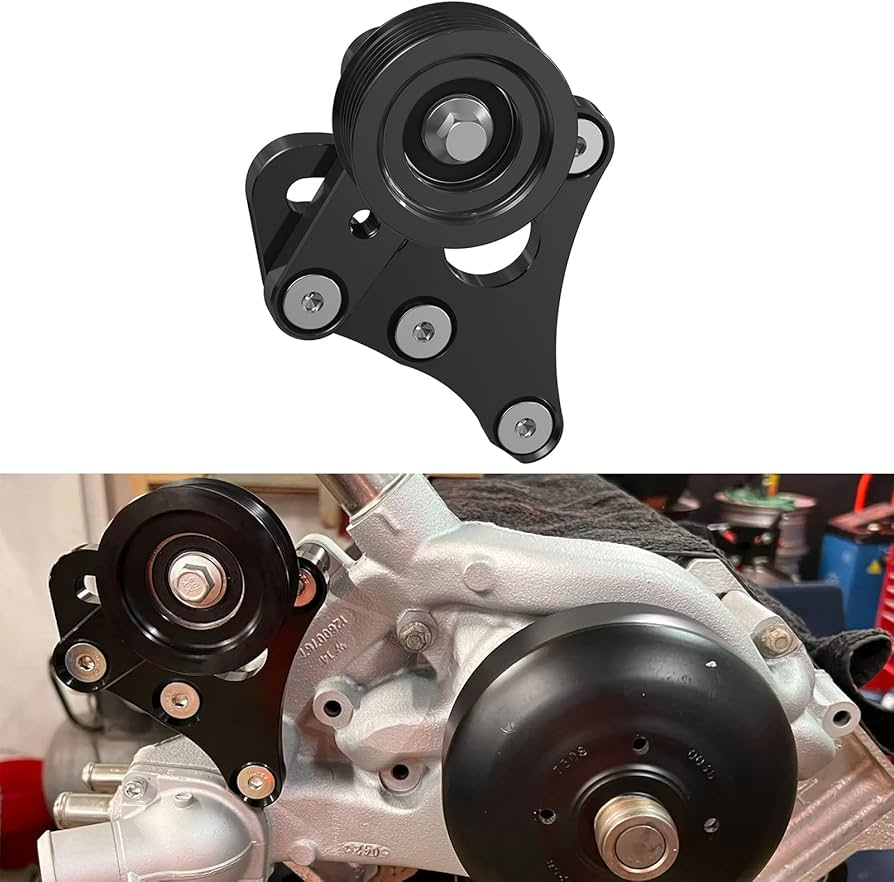
The tensioner pulley bushing is a precision sleeve or bearing interface installed at the pivot point of the belt tensioner arm. Its primary mission is to prevent direct metal-to-metal contact between the moving tensioner arm and its stationary mounting bracket or bolt. By doing this, it serves three vital functions:
Facilitates Smooth Movement: It allows the tensioner arm to pivot freely and respond to engine vibrations and belt load changes.
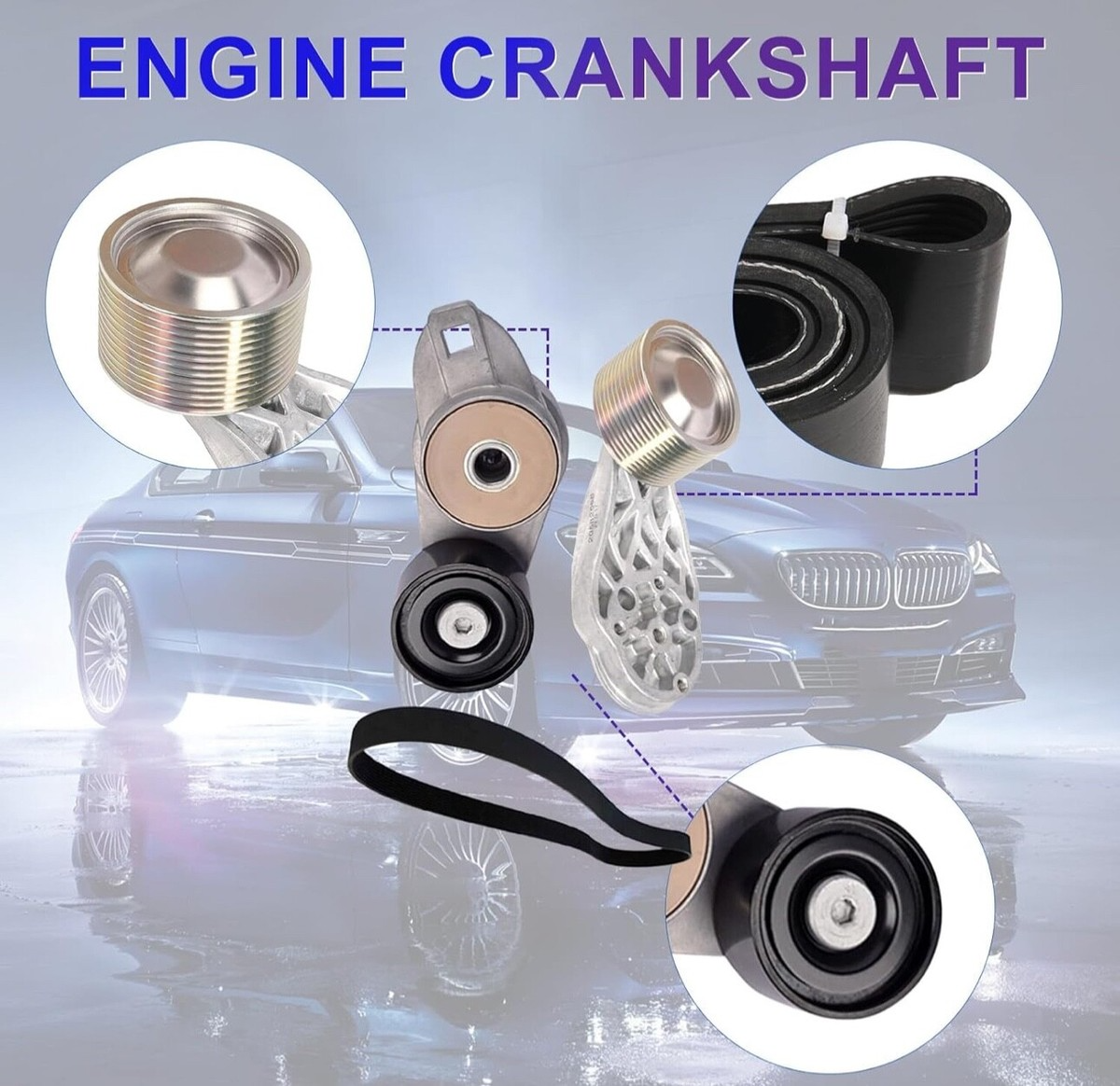
Absorbs NVH (Noise, Vibration, and Harshness): It dampens oscillations, ensuring the transfer of power from the crankshaft to accessories (alternator, power steering pump, A/C compressor, water pump) is quiet and smooth.
Maintains Precise Alignment: It keeps the tensioner pulley perfectly aligned with other pulleys, which is crucial for preventing premature belt wear and slippage.
In essence, while the spring or hydraulic mechanism in the tensioner provides the force, the bushing ensures that force is applied smoothly and correctly. Without a functioning bushing, the entire tensioner assembly can seize or wobble, throwing the belt drive system into chaos.
Material Science: What Are They Made Of?
Given their harsh operating environment—subject to extreme temperature cycles, high-frequency oscillating motion, and constant stress—bushing materials are carefully chosen. Traditionally, they are comprised of:
Low-Carbon Steel Base: Provides structural strength and durability.
Self-Lubricating Layer: A critical coating, often made of PTFE (Teflon) or a similar composite, is bonded to the steel. This layer provides a permanent, low-friction surface, eliminating the need for external grease that can attract dirt and grime.
However, a significant point of failure in many OEM and aftermarket bushings is the bonding method of this PTFE layer. Some manufacturers use PTFE tape instead of a cured, integrated coating. Under the intense heat of the engine bay, this tape can separate, delaminate, or wear away, leading to rapid bushing failure and a return to noisy metal-on-metal contact.
The Domino Effect of Failure: Symptoms and Consequences
Ignoring the health of your tensioner bushing is a gamble with expensive odds. The failure symptoms are clear, and the resulting damage is disproportionately costly.
Early Warning Signs
Be alert to these common indicators of a worn or failing bushing:
Audible Clues: The most common sign is noise. Listen for squeaking, squealing, or grinding sounds from the front of the engine, especially at startup or when engaging accessories like the A/C. A chattering noise often points directly to a seized or loose pulley caused by bushing failure.
Visual and Physical Checks:
Pulley Wobble: With the engine off (and safely disconnected), try to wiggle the tensioner pulley by hand. Any side-to-side play or wobble indicates excessive bushing wear.
Rough Movement: The tensioner arm should move smoothly but with firm, damped resistance. If it feels grating, sticky, or binds, the bushing is likely damaged.
Belt Misalignment: Visually inspect the belt path. A pulley that is not running true due to a bad bushing will cause the belt to track crookedly or wear unevenly on its edges.
The High Cost of Neglect
When a bushing fails completely, the consequences escalate quickly:
Belt Failure: A misaligned or seized tensioner causes extreme friction, leading to rapid belt wear, cracking, or snapping. A broken serpentine belt immediately disables every accessory it drives.
Accessory Drive Collapse: Loss of the water pump can cause catastrophic engine overheating within minutes. Loss of the alternator drains the battery and stalls the vehicle. Loss of power steering creates a serious safety hazard.
Collateral Damage: A violently thrown belt can damage other engine components, and a seized pulley can cause the tensioner arm itself to break, necessitating a much more complex and expensive repair.
As highlighted by experienced technicians on forums like Tacoma World, once the bushing or bearing shows signs of wear, replacement is not an option—it’s a necessity for preventive maintenance.
The Replacement Dilemma: Common Pitfalls and “Solutions”
When faced with a failing tensioner bushing, vehicle owners and mechanics typically confront a few frustrating paths, each with significant drawbacks.
The OEM Assembly Trap
Many original equipment manufacturers (OEMs), including Toyota (as frequently discussed in enthusiast forums), do not sell the bushing as a separate part. Their policy forces you to purchase the entire, expensive tensioner assembly. This is a wasteful and costly practice, compelling you to replace a perfectly good spring and metal arm because of one small, worn-out component.
The Aftermarket Bearing Replacement Gamble
Savvy DIYers, like those on Tacoma World documenting repairs for the 2TR-FE and 1GR-FE engines, often explore pressing new bearings into old pulleys. This process, however, is fraught with challenges:
Proprietary Sizing: OEMs often use non-standard bearing sizes. For example, Toyota idler pulleys may use a 10x42x13mm bearing, which is notoriously difficult to source, forcing the use of adapters or reducers.
Technical Complexity: The process requires a press, precise alignment, and knowledge of how to support the bearing races during installation to avoid damage. As one DIY guide cautions: “Press it from the outer edge… Pressing it in from the middle may damage the bearings.“
Quality Uncertainty: Sourcing individual bearings leads to a minefield of quality. Forum members consistently advise: “Stick with reputable brands… I would avoid Chinese bearings,” noting that unbranded bearings are an “indication of low quality.”
The Low-Quality Aftermarket Pulley
Opting for a cheap, complete aftermarket tensioner pulley might seem easy, but it often backfires. These units frequently contain unbranded, low-quality bearings and bushings with inferior PTFE coatings. As noted in community discussions, a common replacement pulley might have a bearing width of 11mm versus the OEM’s 17mm, leading to the frank assessment: “It will not last as long.” This false economy results in premature failure and a repeat repair.
The MYWAY Bushing Solution: Engineered for Endurance, Designed for Value
At MYWAY, we developed our line of high-performance tensioner pulley bushings to directly solve these industry-wide frustrations. We believe you shouldn’t have to choose between durability, value, and practicality.
Advanced Material and Bonding Technology
We go beyond standard PTFE tapes and basic composites. MYWAY bushings are engineered with:
Premium Substrate Materials: We use high-grade, heat-stable alloys or engineered polymers specifically formulated for the under-hood environment.
Permanently Cured Lubricious Layer: Our proprietary self-lubricating coating is cured and integrated into the bushing substrate. This prevents delamination, ensures consistent lubricity across the entire temperature range, and provides a dramatically longer service life compared to taped solutions.
Precision Engineering for a Perfect Fit
Every MYWAY bushing is machined to exact OEM specifications for a critical reason: to restore the original, slop-free pivot point. A perfect fit means:
Elimination of NVH: Precise tolerances prevent the wobble and play that cause noise and vibration.
Optimal Belt Alignment: The tensioner arm holds the pulley in perfect alignment, ensuring even belt wear and maximum power transfer efficiency.
Protection of Adjacent Parts: A correctly functioning bushing prevents abnormal loads on the tensioner spring and pulley bearing, extending the life of the entire assembly.
The Smart, Sustainable Choice
The MYWAY philosophy champions component-level repair. Instead of discarding a heavy, expensive tensioner assembly, you can remanufacture it to a like-new condition by simply replacing the worn bushing. This approach offers:
Substantial Cost Savings: Save up to 70% compared to buying a new OEM or quality aftermarket tensioner assembly.
Reduced Environmental Waste: You keep a metal assembly out of the landfill, supporting sustainable repair practices.
Professional-Grade Results: You retain the high-quality OEM spring and arm, pairing them with a bushing that often outperforms the original.
Frequently Asked Questions (FAQ)
Q1: My tensioner is noisy. How do I know for sure if it’s the bushing and not the bearing?
While both can cause noise, the failure mode is different. A failed bearing in the pulley itself usually causes a continuous grinding or rumbling roar that changes with engine speed. A failed bushing at the pivot arm more often causes squeaking/chirping or a clunking/loose chatter when the engine idles or when load changes (like turning the A/C on). The definitive test is to check for side-to-side wobble in the pulley (bearing) versus excessive free play or binding in the tensioner arm’s pivot movement (bushing).
Q2: I have a Toyota truck (e.g., Tacoma, 4Runner with the 1GR-FE V6). The forums say the bearings are a weird size. Can MYWAY help?
Absolutely. Our expertise extends beyond just bushings. We understand the specific challenges with platforms like the Toyota 1GR-FE and 2TR-FE, where idler pulleys use proprietary 10mm inner diameter bearings. While we provide direct-replacement bushings for tensioner arms, we also advocate for and can guide you toward quality-bearing solutions and proper reducer adapters for idler pulleys, helping you navigate past the low-quality “6302RMX” bearing confusion discussed online.
Q3: Is pressing in a new bushing a job for a home mechanic?
It requires moderate mechanical skill and the right tool. The essential tool is a bench vise or a small arbor press. The key is to support the outer race (housing) of the old bushing when pressing it out, and to press the new bushing in squarely and evenly, again applying force to the outer steel sleeve. Using improper tools or techniques can damage the new bushing or the tensioner arm. If you’re comfortable with similar precision mechanical work, it’s very achievable.
Q4: Why should I choose MYWAY over just buying a new tensioner from a known brand?
It comes down to value, quality, and intelligence. A “known brand” aftermarket tensioner may still use inferior bushings with short-lived PTFE tape. You’re paying for an entire new assembly. With MYWAY, you invest only in the critical wear item, using a component that is often superior in material quality to both OEM and aftermarket equivalents. You get a better result for less money and less waste.
Q5: Do you offer bushings for both mechanical spring tensioners and hydraulic tensioners?
Yes. The pivot bushing function is similar across both types. We produce precision bushings for a wide range of applications, from common passenger car spring tensioners to the heavier-duty hydraulic tensioners used in many diesel and high-performance engines. Please consult our catalog or contact us with your specific make, model, and engine details.