
Recent Posts
Bronze Melt Point Secrets: Why It's Critical for Your Bearing Performance
For engineers and procurement managers, the true “melting point” of bronze isn’t a single number—it’s a key that unlocks durability, heat management, and longevity in bearing applications. Understanding this thermal behavior is what separates a standard component from a high-performance solution engineered for reliability.
This article cuts through the metallurgical complexity to show you exactly how bronze’s melting characteristics directly impact the performance of bushings and bearings in your machinery, and how to select the right material for extreme conditions.
Table of Contents
1. Why "Melting Point" is a Range, Not a Number
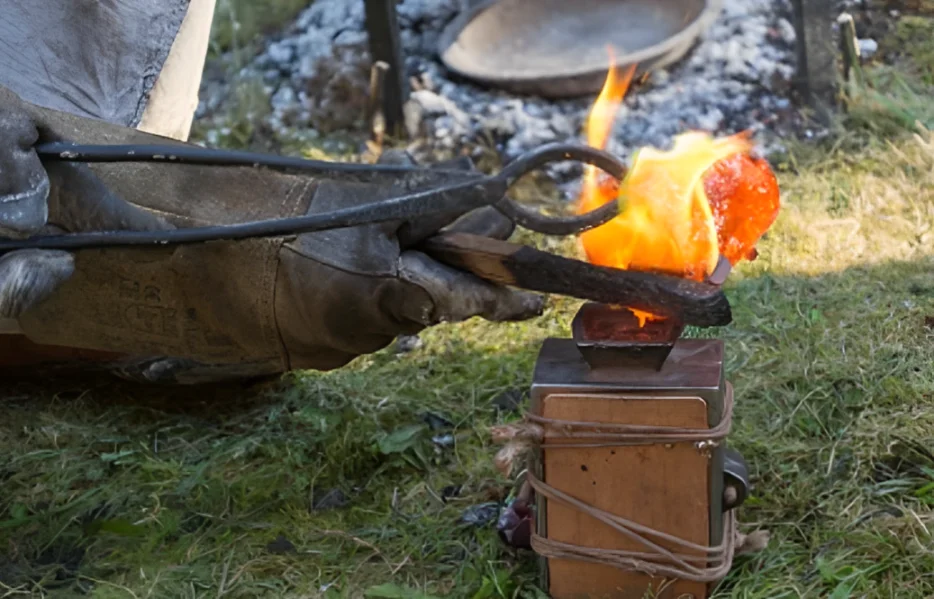
Unlike pure metals, bronze—an alloy primarily of copper and tin—transitions from solid to liquid across a temperature range . This is fundamental to its properties.
Pure Copper melts at a sharp 1083°C (1981°F) .
Bronze begins to melt (solidus) and becomes fully liquid (liquidus) between approximately 800°C to 1050°C (1472°F to 1922°F), depending on its specific composition .
The addition of alloying elements like tin disrupts the copper crystal lattice, requiring less energy to melt but also creating alloys that are stronger and more wear-resistant than pure copper .
2. How Composition Shapes the Melt and the Metal
The specific blend of elements in bronze tailors both its melting range and its mechanical performance. Here’s how key additives shape the alloy:
| Alloying Element | Primary Influence on Melting Behavior | Key Property Enhancement for Bearings |
|---|---|---|
| Tin (Sn) | Lowers the melting range significantly . | Increases hardness, strength, and wear resistance—the cornerstone of traditional bearing bronzes. |
| Lead (Pb) | Lowers melting point and improves fluidity. | Dramatically improves machinability and provides embedded solid lubrication, reducing friction. |
| Aluminum (Al) | Raises the melting range (e.g., 1027-1038°C for C95400) . | Boosts tensile strength and adds exceptional corrosion resistance, ideal for harsh environments. |
| Silicon (Si) | Moderately raises melting point. | Enhances strength and corrosion resistance, often improving weldability and castability. |
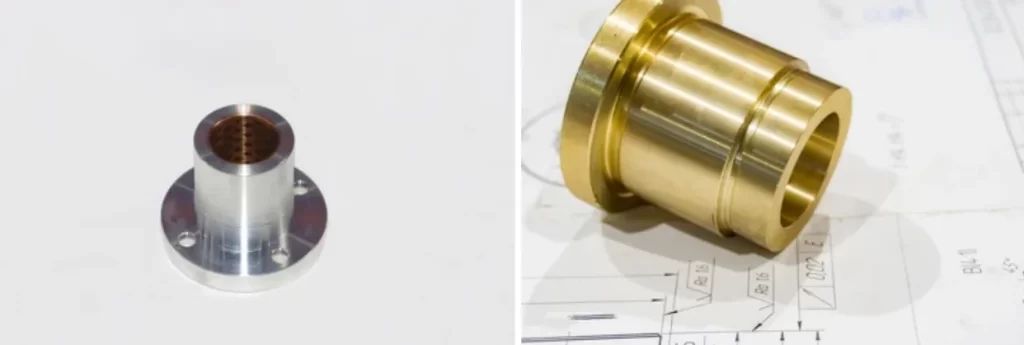
A prime example is the common C93200 (SAE 660) bearing bronze, a “high-leaded tin bronze” containing about 83% copper, 7% tin, and 7% lead . This combination results in a broad melting range, excellent castability, superior machinability, and good wear resistance—making it a versatile choice for general-purpose bushings and bearings .
3. The Critical Link: Melt Point, Heat, and Bearing Survival
In a working bearing, friction generates heat. The alloy’s ability to manage this heat dictates its service life. This is where the thermal properties linked to bronze‘s melting behavior become critical.
Thermal Conductivity: Bronze alloys conduct heat away from the friction surface efficiently. Copper alloys have thermal conductivity about twice that of carbon steel and 15 times that of austenitic stainless steel . This rapid heat dissipation prevents localized overheating and softening.
The PV Rating Limit: A bearing’s safe operating window is defined by its Pressure-Velocity (PV) rating. Exceeding this limit generates friction heat faster than the material can dissipate it, leading to accelerated wear and ultimately, failure. The high thermal conductivity of bronze directly supports higher PV limits, allowing bearings to perform under heavier loads and at higher speeds .
Performance in Extreme Duty: For applications involving high loads, high speeds, or corrosive environments (like marine or aerospace), aluminum bronzes like C95400 are chosen. Their higher melting range is a direct indicator of greater strength and stability at elevated operating temperatures, often up to 250°C+.
4. MYWAY's Engineering Solution: Performance-Focused Bronze Bushings
At MYWAY, we apply this metallurgical understanding to engineer bushings that don’t just meet specifications—they extend service life and reduce downtime. By carefully selecting and processing bronze alloys, we optimize the very properties that stem from their thermal identity.
Our MYWAY Standard & Custom Bronze Bushings offer:
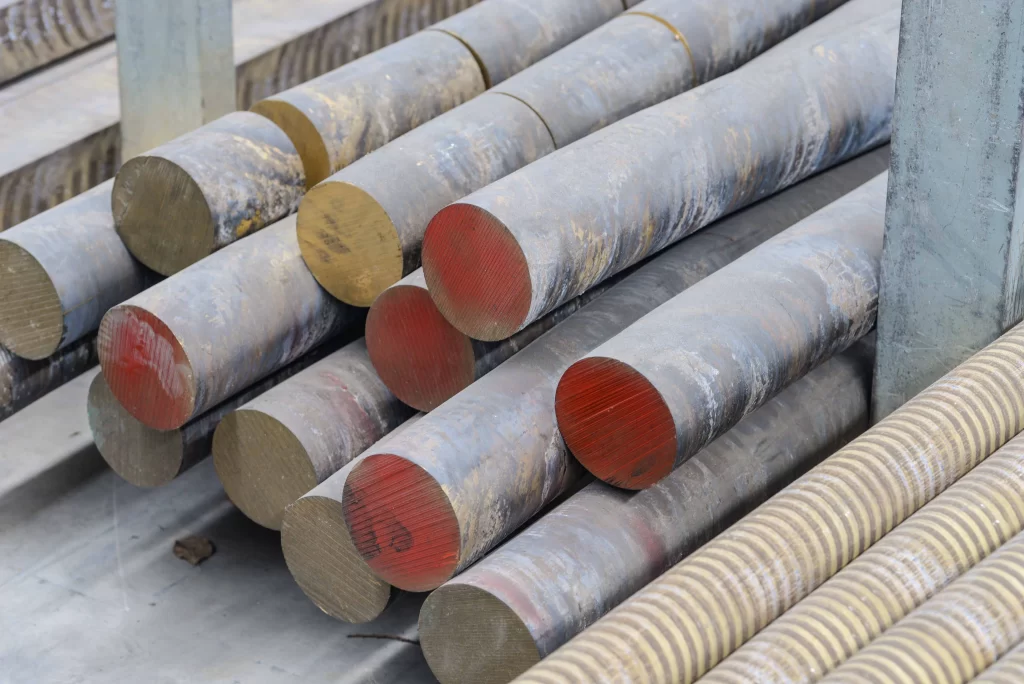
Optimized Material Selection: We use grades like leaded tin bronze for outstanding machinability and low friction, and aluminum bronze for applications demanding maximum strength and corrosion resistance.
Superior Heat Management: Our components leverage bronze’s natural high thermal conductivity to run cooler, maintaining hardness and dimensional stability under load.
Enhanced Wear Life: The right combination of hardness (from tin) and embedded lubrication (from lead) results in exceptional resistance to wear and galling.
Proven Reliability in Demanding Applications: From heavy industrial machinery and automotive systems to marine equipment, our bushings are built to handle critical friction points.
Ready to Specify? Don’t leave bearing performance to chance. Whether you need a standard bushing or a custom-machined solution for a challenging environment, MYWAY provides the technical expertise and material science to ensure optimal performance.
Get a precise quote and technical consultation today. Submit your specifications or request a call with our engineering team to discuss how our bronze bushings can solve your wear and friction challenges.
Frequently Asked Questions (FAQs)
Q1: What is the actual melting point of bronze I should use for specifications?
Avoid using a single temperature. Always refer to the solidus and liquidus range for the specific alloy grade. For common bearing bronze C93200, melting occurs between approximately 854°C and 977°C (1570°F – 1790°F) . For calculation safety, the solidus temperature is the critical limit not to exceed.
Q2: Why is a lower melting point considered an advantage for bronze?
A lower melting range improves castability, allowing the molten metal to fill intricate molds more easily to produce complex, high-quality cast bearing shapes with excellent detail and uniformity .
Q3: Does a higher melting point mean a better bearing material?
Not necessarily. It indicates higher strength at temperature, which is crucial for extreme-duty applications. However, for many general industrial applications, alloys like C93200 offer the best balance of machinability, wear resistance, self-lubrication, and cost-effectiveness. The “best” material depends entirely on the operating PV, environmental, and economic requirements of your application.
Q4: How does MYWAY ensure quality in its bronze bushing production?
We start with certified material grades and employ controlled machining processes. Our expertise allows us to select the optimal bronze alloy (like leaded tin or aluminum bronze) for your specific load, speed, and environmental conditions, ensuring the final bushing delivers on the promise of the material’s properties.
Q5: Can you machine custom bronze bushings for high-temperature applications?
Absolutely. For high-temperature or highly corrosive environments, we recommend and supply bushings made from aluminum bronze (e.g., C95400). While harder to machine, its elevated melting range and stable properties ensure reliable performance where standard bronzes would fail.
100000+ Types of Bushings – Contact Us for Details