Gear Pump Bushings: The Complete Guide to Selection, Failure Analysis, and Performance Optimization
Introduction
If you’ve ever torn down a gear pump that suddenly lost pressure, seized up, or started making noise you couldn’t ignore—chances are the problem traced back to something small but critical: the bushings.
Gear pumps are the workhorses of hydraulic systems. They’re simple, reliable, and handle everything from clean lubrication oil to abrasive slurries. But inside every gear pump, there’s a handful of components that take all the abuse—and bushings are at the top of that list.
Here’s what most maintenance guys and pump designers learn the hard way: bushing failure isn’t just about wear. It’s about clearance control, lubrication strategy, material selection, and sometimes just a tiny piece of debris that got through the filter.
This guide pulls together real-world experience from pump rebuild shops, material science data, and field failure analysis. Whether you’re specifying bushings for a new pump design or trying to figure out why the last set didn’t last, this is for you.
What Exactly Is a Gear Pump Bushing?
Let’s start with the basics.
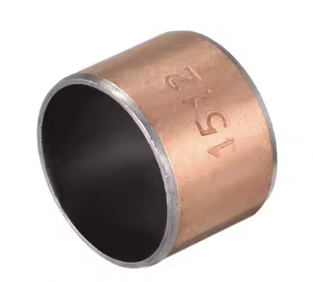
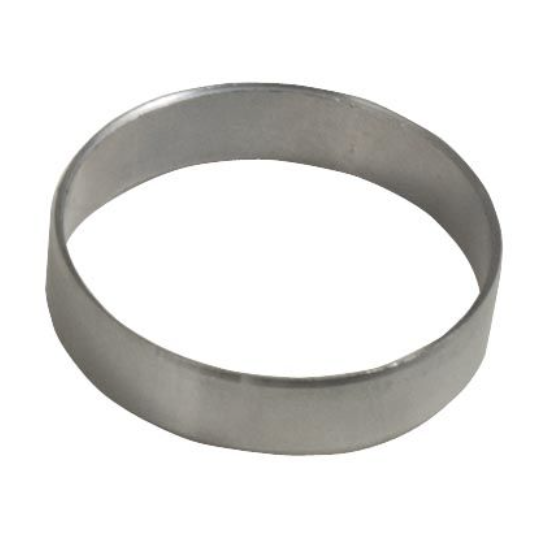
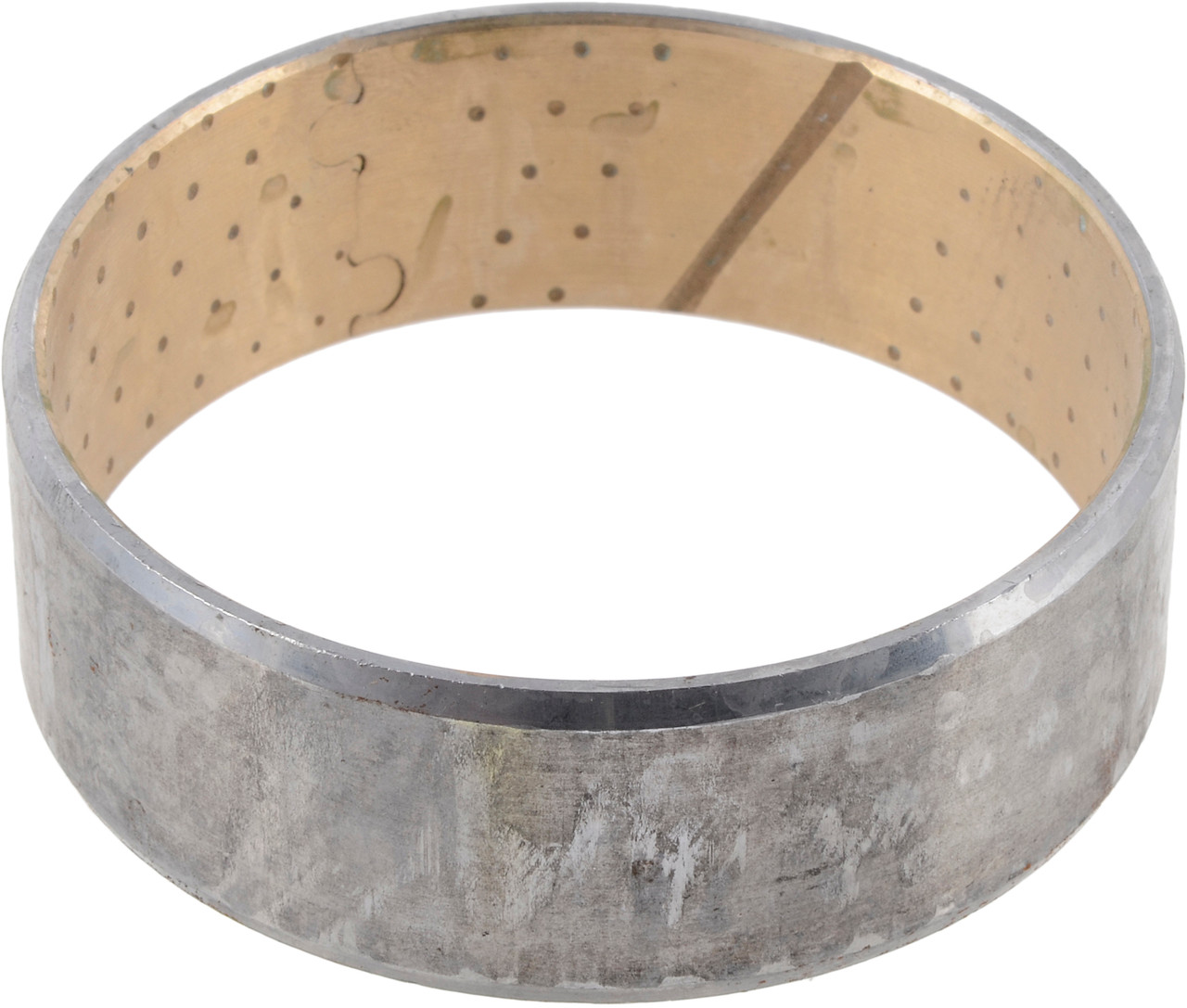
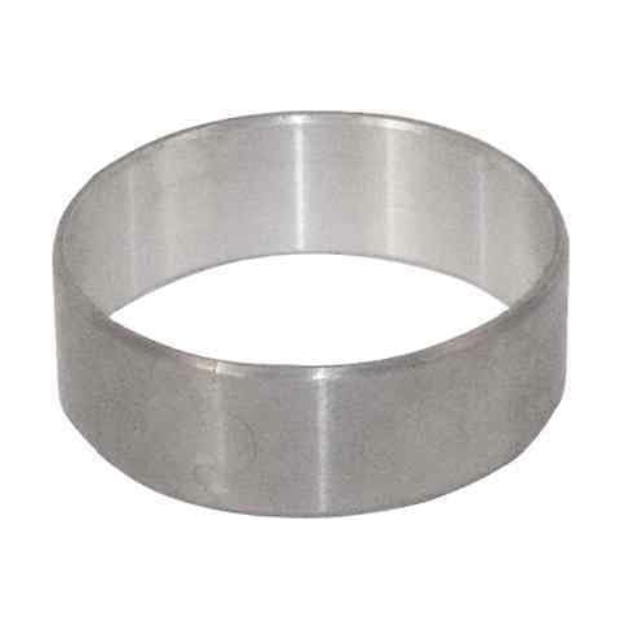
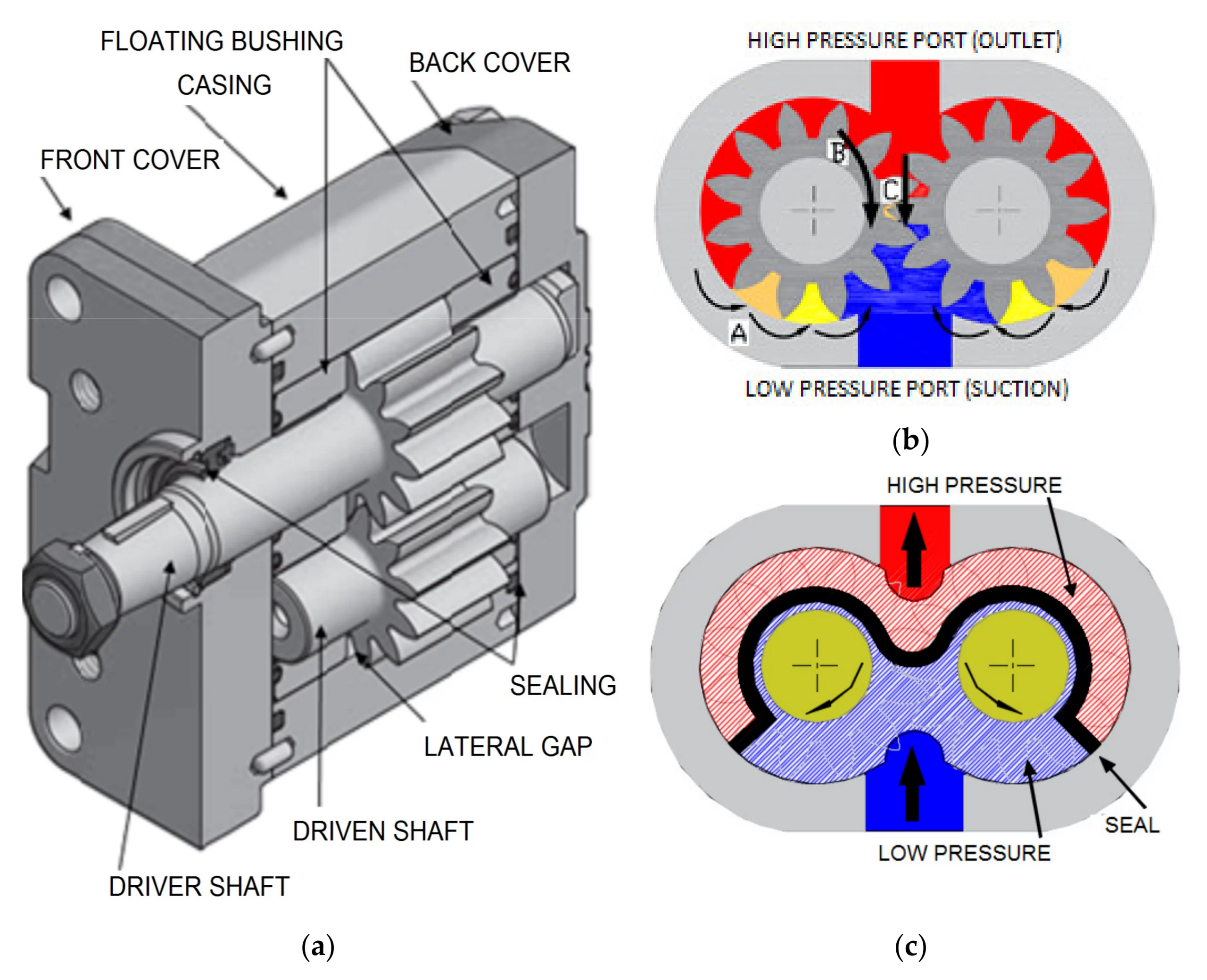
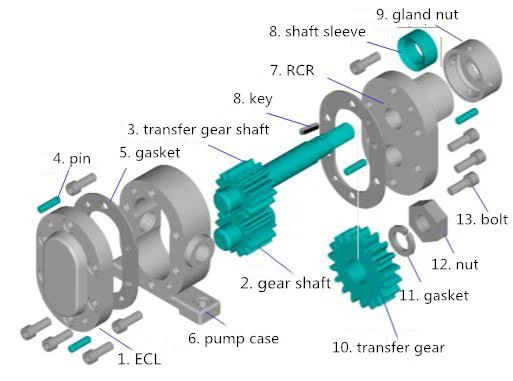
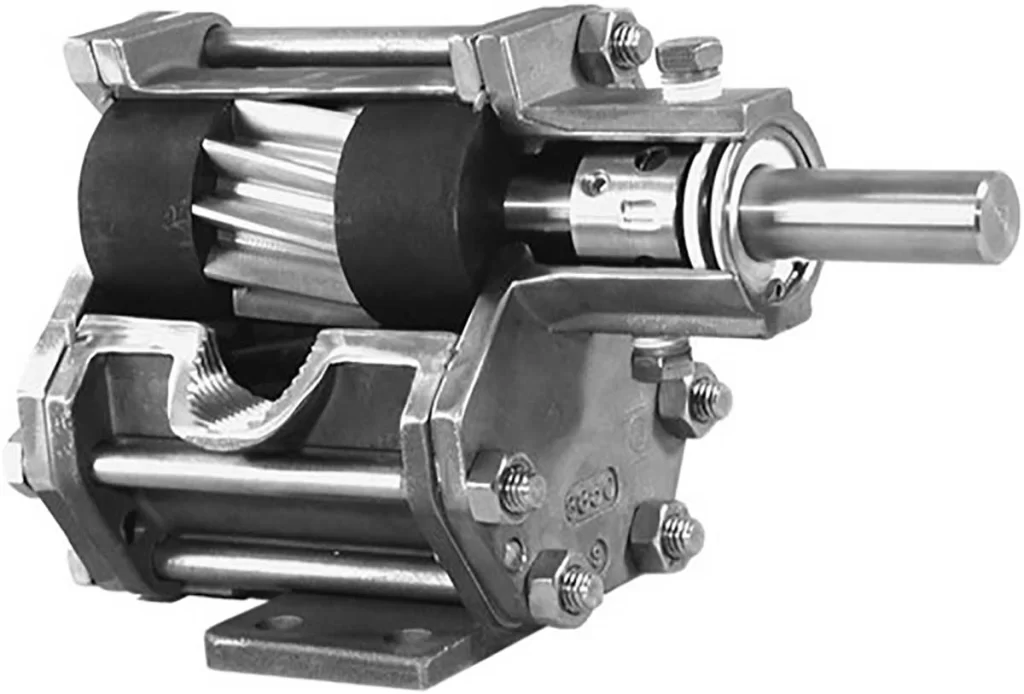
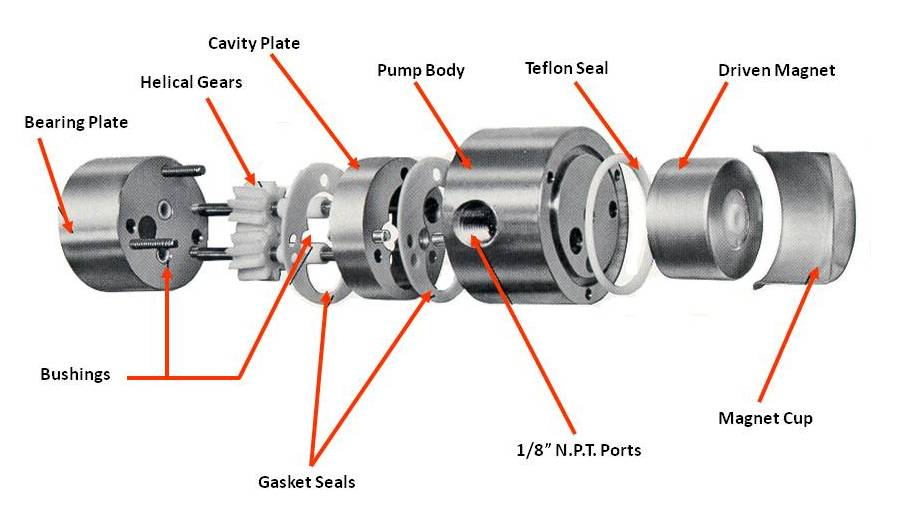
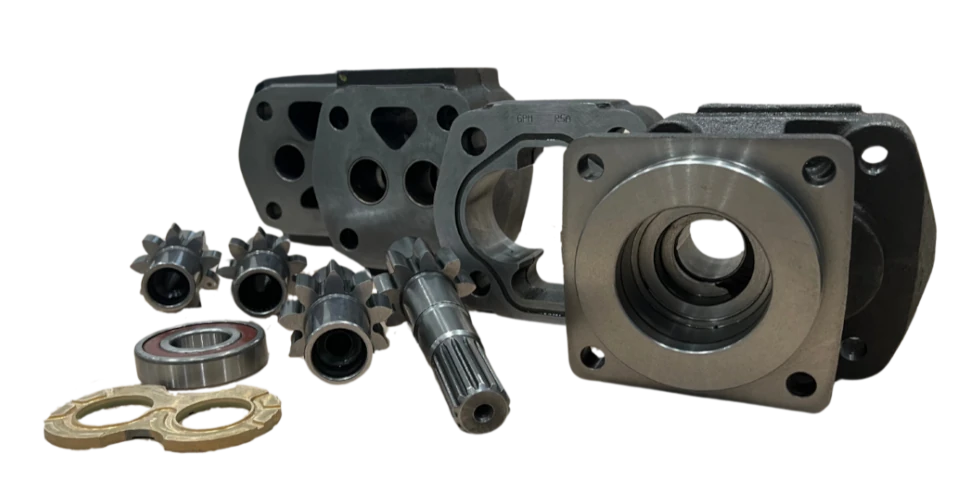
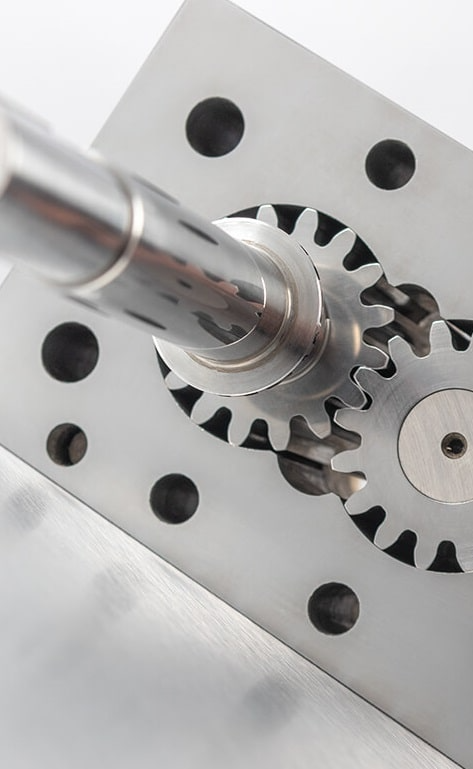
A gear pump bushing is a cylindrical sleeve that supports the gear shafts inside the pump. Unlike rolling element bearings, bushings are plain bearings—they rely on a sliding contact surface with a lubricating film between the shaft and the bushing bore .
Where you’ll find them:
In the pump cover: Supporting the drive shaft and driven shaft ends
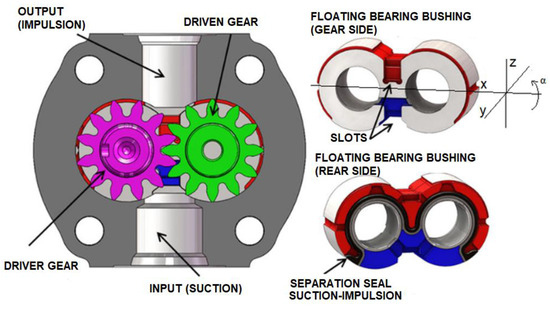
In the pump body: Often as “figure-8” shaped bushings that cradle both gears
As floating bushings: Designed to self-align under pressure in high-pressure pumps
What they do:
In many gear pump designs, the bushings are the only thing standing between reliable operation and catastrophic failure .
Here’s where things get interesting—and where a lot of confusion starts.
Gear pump bushings operate in one of three lubrication regimes:
1. Hydrodynamic Lubrication (The Ideal)
In a properly designed and maintained pump, the shaft “floats” on a continuous film of oil. The bushing and shaft never actually touch during normal operation. The rotating shaft pulls oil into a wedge-shaped gap, building pressure that separates the surfaces .
When this happens: You get virtually zero wear, low friction, and long service life.
Requirements:
2. Boundary Lubrication (The Risky Zone)
This is where most pump failures start. The oil film breaks down, and the shaft makes intermittent contact with the bushing. Maybe from:
Cold starts (oil too thick to flow)
Overloading (pressure spikes squeeze out the film)
Contaminants (particles disrupt the film)
Low oil level (starvation)
What happens: Friction spikes, temperatures rise, and wear accelerates .
3. Mixed Lubrication (Somewhere in Between)
Partial film contact—common during start-up, shutdown, and speed changes. The bushing material needs to handle occasional metal-to-metal contact without galling .
The takeaway: Your bushing material choice matters most in boundary and mixed lubrication conditions. In full hydrodynamic operation, almost any decent material will work. It’s the marginal conditions that separate good bushings from failures.
This is where engineering meets reality. The material you choose determines how the pump behaves when things aren’t perfect.
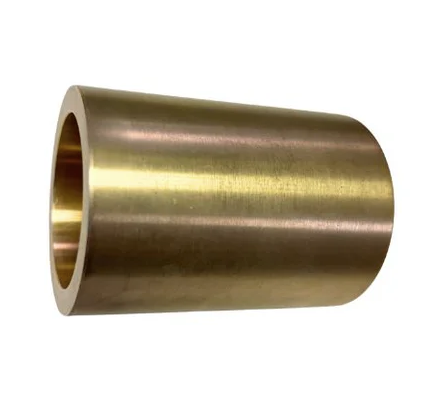
Bronze has been the go-to gear pump bushing material for decades—and for good reason.
Advantages of bronze :
Good embeddability (can trap small debris particles)
Conformability (tolerates minor misalignment)
Excellent thermal conductivity (pulls heat away)
Reasonable cost
Limitations:
Requires consistent lubrication
Can gall if lubrication fails
Wears faster in abrasive environments
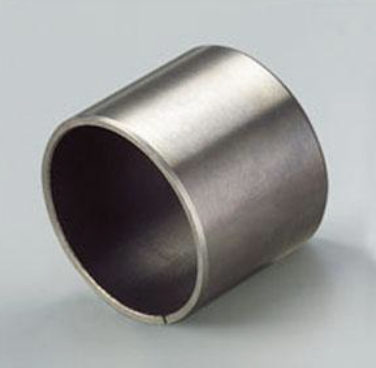
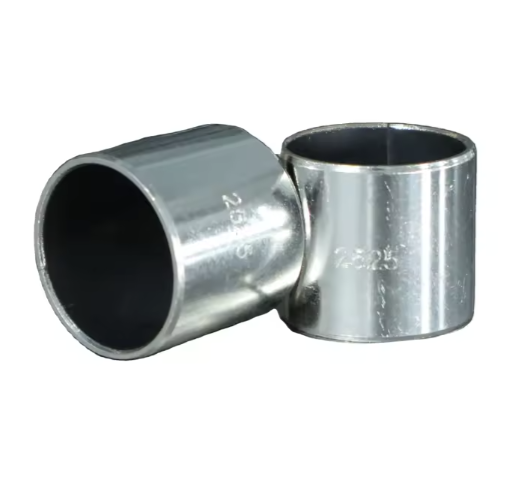
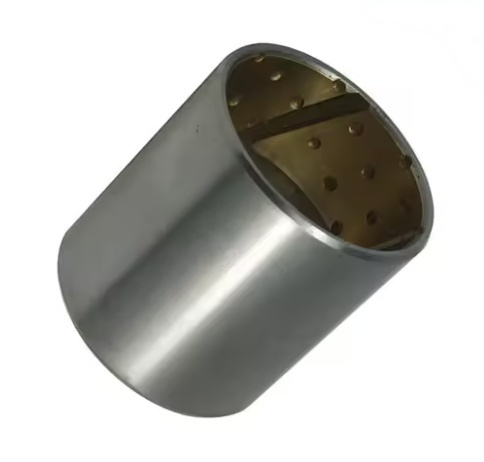
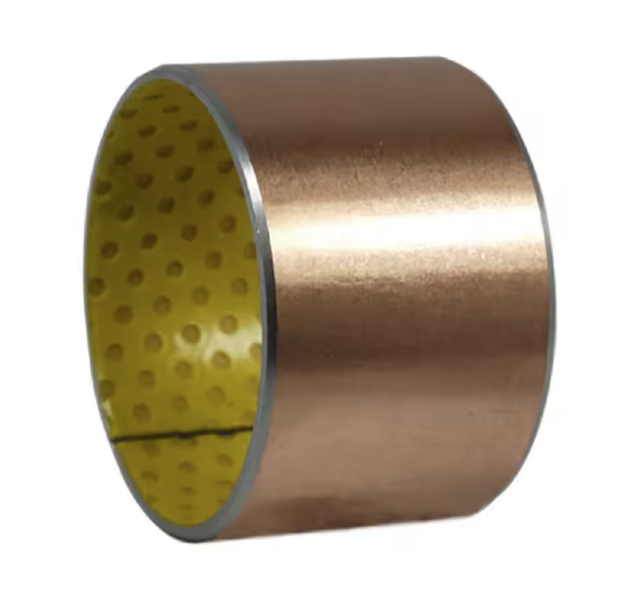
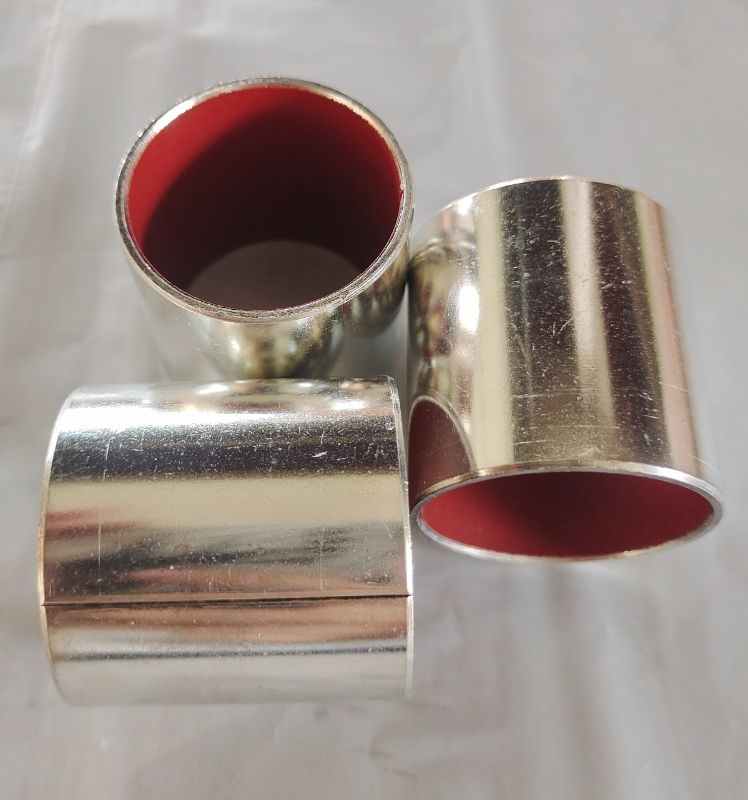
These are multi-layer materials: steel backing for strength, sintered bronze for heat transfer, and a PTFE-based sliding layer .
How they work: The PTFE transfers a microscopic film to the shaft, providing lubrication even when external oil is minimal or absent.
Advantages :
Maintenance-free or reduced lubrication
Excellent for start-stop and oscillating motion
Low friction coefficient
Handles boundary lubrication well
Can run dry for limited periods
Best applications:
Pumps in remote locations
Food-grade applications (no oil contamination risk)
Systems with frequent start-stop cycles
Hard-to-access lubrication points
Limitations:
Lower load capacity than bronze
Temperature limits (polymer layer degrades above ~280°C)
Not for extreme shock loads
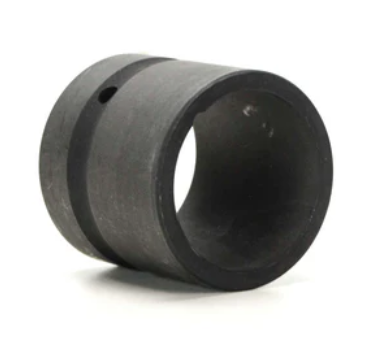
Solid bronze with graphite plugs embedded. During operation, graphite transfers to the shaft, creating a solid lubricant film.
Advantages:
Extreme load capacity (up to 250 N/mm² static)
Excellent in contaminated environments
No external lubrication needed
Handles high temperatures well
Best applications:
For pumps handling abrasive slurries or extreme pressures, tungsten carbide bushings offer dramatically longer life .
Advantages:
Extreme hardness (88-94 HRA)
Outstanding abrasion resistance
Maintains clearance in solids-laden fluids
High temperature capability
When to use :
Slurry pumps with abrasive solids
Oilfield pumps with sand production
Cooling water systems with scale
Anywhere bronze wears out too fast
Trade-offs:
Much higher cost
Less forgiving of misalignment
Requires precise engineering (fit, clearance, installation)
Can’t embed debris—requires better filtration
Material Comparison Summary
The right choice depends entirely on your operating conditions. There’s no “best” material—only the best for your specific application.
Gear Pump Bushing Failure: What to Look For
When a pump comes back failed, the bushing tells the story. Here’s how to read the evidence .
Common Failure Modes
Troubleshooting Checklist
If you’re experiencing pump problems, check these first:
Low discharge pressure / flow:
Noise / cavitation:
Worn bushings allowing gear contact
Suction-side issues (clogged filter, air leaks)
Foaming oil (contamination)
Seal leaks:
Seizure:
Selecting the Right Gear Pump Bushing: A Practical Framework
Step 1: Define Your Operating Conditions
Before you pick a material, know your numbers:
Step 2: Match Material to Conditions
Choose bronze when :
Clean fluid with reliable lubrication
Normal temperatures (-40°C to +150°C)
Moderate loads and speeds
Cost is a primary concern
You have good maintenance access
Choose metal-polymer when :
Lubrication is intermittent or unreliable
Start-stop cycles are frequent
You want maintenance-free operation
Weight savings matter
Food-grade or oil-free operation required
Choose graphite-plugged bronze when:
Choose tungsten carbide when :
Abrasive solids are present
Bronze wears out too fast
You can justify higher upfront cost with longer life
Pump is in a hard-to-access location
Step 3: Get the Fit Right
Housing fit :
Rotating shaft applications require interference fit (typically k5-m6 / H7)
Prevents bushing from spinning in housing
Too much interference can distort the bore or crack carbide
Running clearance :
Critical for forming hydrodynamic film
Too tight = seizure risk (especially at temperature)
Too loose = leakage, noise, vibration
Typical target: 0.003″ – 0.0045″ (0.075-0.115mm) for many applications
Must account for thermal expansion of shaft and bushing
Surface finish :
Shaft Ra typically ≤ 0.2–0.4 μm for bronze
Harder materials can use finer finishes
Rougher surfaces prevent film formation
Design Considerations for Long Life
Lubrication Grooves
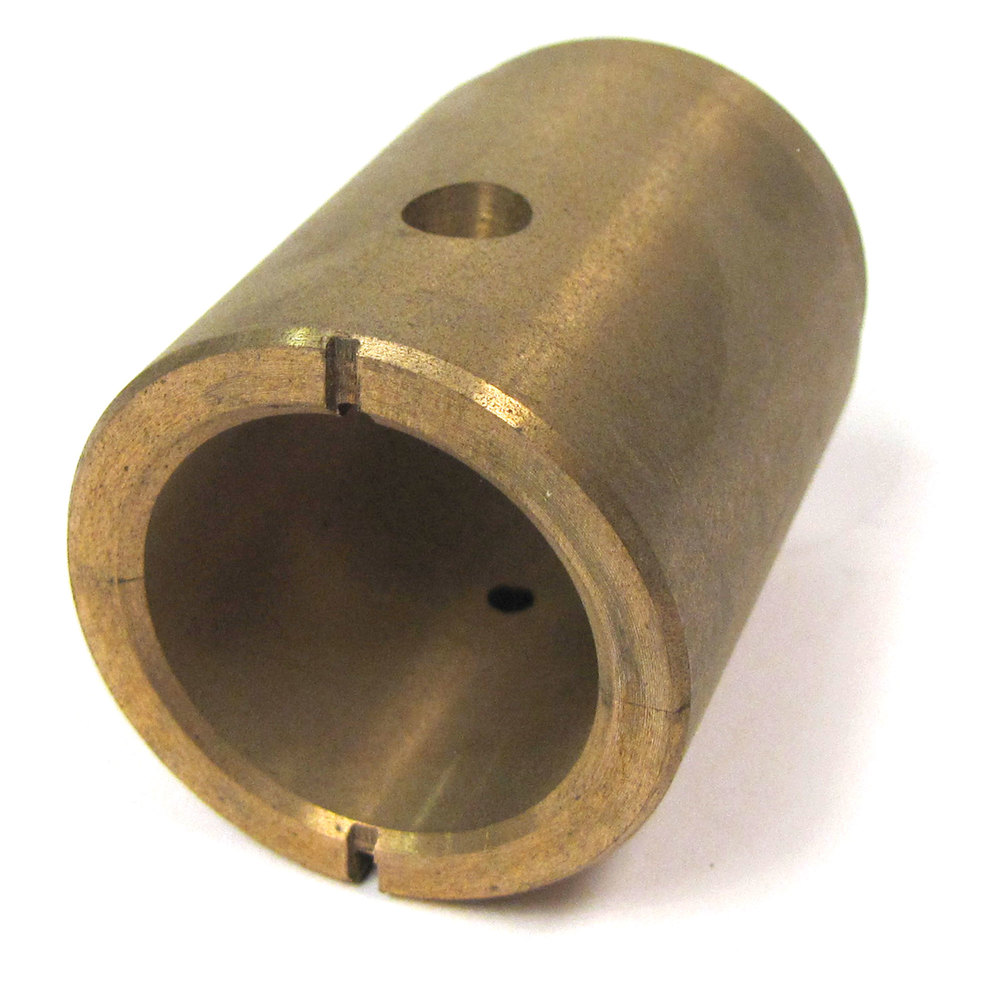
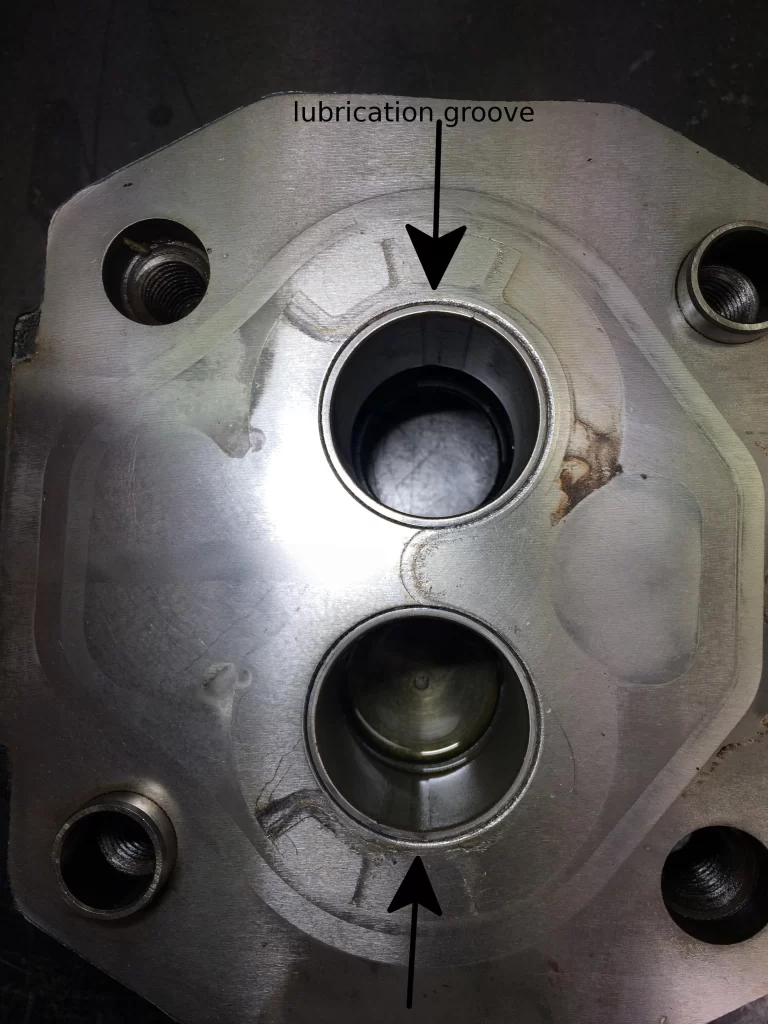
Bronze bushings need lubrication grooves to distribute oil . But there’s a catch: grooves can also disrupt the hydrodynamic film if placed in the loaded zone .
Best practice:
Use axial or spiral grooves
Position them in unloaded areas
Ensure they feed oil to the entire bearing surface
Edge Treatment
Sharp edges are stress concentrators and failure initiation points . Always specify:
Chamfers on both ends
Radii at corners
Deburred edges
Shaft Considerations
The bushing is only half the equation. The shaft matters just as much :
Hardness: Typically needs to be higher than the bushing
Finish: Ground and polished
Material: Compatible with bushing material (similar thermal expansion)
Runout: Minimize to prevent edge loading
The Economics: Cost vs. Lifetime Value
Here’s what field experience teaches: cheap bushings are expensive in the long run.
The math changes when you factor in:
Downtime cost
Labor for replacement
Risk of secondary damage
Production losses
For abrasive applications, carbide bushings often deliver the lowest total cost of ownership despite higher upfront price .
Installation Best Practices
Bronze Bushings
Press-fit using proper tooling (don’t hammer!)
Lubricate during installation
Check ID after pressing (may close in)
Align lubrication grooves correctly
Carbide Bushings
Carbide requires special care :
Calculate interference precisely
Use controlled installation (press or shrink-fit)
Never hammer directly
Ensure perfect alignment
Check for cracking after installation
Common Installation Mistakes
Wrong interference: Too loose = spinning; too tight = distortion/cracking
Misaligned grooves: Starves bearing of lubrication
Burrs or sharp edges: Initiate cracks
Contamination during install: Debris embedded = early failure
Wrong orientation: Some bushings have direction-specific features
Market Trends: Where Gear Pump Bushings Are Headed
The global gear pump market is projected to reach $890 million by 2030, growing at 5.7% CAGR . This growth drives bushing technology development in several directions:
1. Higher Pressure Capabilities
Pumps are running at higher pressures (300+ bar), demanding bushings with greater strength and fatigue resistance .
2. Efficiency Demands
Tighter clearances improve volumetric efficiency but increase seizure risk. Better materials and manufacturing precision enable smaller clearances without reliability loss .
3. Longer Maintenance Intervals
End users want pumps that run for years without attention. Self-lubricating and extreme-wear materials are gaining ground .
4. Customization
Off-the-shelf bushings don’t fit every application. Manufacturers increasingly offer custom-engineered solutions for specific pump models and operating conditions .
5. New Materials
Metal-polymer composites, engineered plastics, and advanced coatings are expanding the design envelope .
Frequently Asked Questions
Q: How often should gear pump bushings be replaced?
It depends entirely on operating conditions. In clean hydraulic systems with good filtration, bushings can last thousands of hours. In abrasive service, they might need replacement every few months. Monitor pump performance (flow, pressure, noise) and inspect during scheduled maintenance .
Q: Can I replace bronze bushings with carbide using the same dimensions?
Not always. Carbide has different thermal expansion, stiffness, and fit requirements. You may need to adjust clearances, housing fits, and installation procedures. Treat it as an engineering change, not a direct substitution .
Q: What causes gear pump bushings to fail prematurely?
The usual suspects :
Contamination (abrasive particles)
Lubrication failure (low oil, wrong viscosity)
Misalignment
Incorrect clearance (too tight or too loose)
Overpressure or overload
Cavitation (vapor bubbles collapsing)
Q: Do self-lubricating bushings need any oil?
Metal-polymer and graphite-plugged bushings can run with minimal or no external lubrication, but a small amount of oil during installation helps. Check manufacturer specifications—some are designed for completely dry operation, others benefit from initial lubrication .
Q: What’s the right clearance for a gear pump bushing?
Typical range is 0.001″ to 0.0015″ per inch of shaft diameter, but always check the pump manufacturer’s specifications. Clearance must account for thermal expansion at operating temperature .
Q: Can worn bushings cause gear pump noise?
Absolutely. Worn bushings allow gears to move out of proper mesh, increasing noise and vibration. Cavitation and aeration can also cause noise, but worn bushings are a common mechanical culprit .
Q: What’s the difference between floating and fixed bushings?
Floating bushings can self-align slightly, compensating for minor misalignment or shaft deflection. Fixed bushings are rigidly mounted. High-pressure gear pumps often use floating bushings to maintain clearance under pressure .
Q: How do I know if my bushing material is right for the application?
Look at failure patterns:
Rapid uniform wear → material too soft for abrasive conditions
Scoring/galling → lubrication issues or wrong material pairing
Cracking → material too brittle or fit wrong
Overheating → clearance too tight or insufficient lubrication
If you’re seeing the same failure repeatedly, it’s time to reconsider material selection.
Why Choose MYWAY for Gear Pump Bushings
At MYWAY Bushing, we’ve been supplying gear pump manufacturers and rebuild shops for years. We know what works and what doesn’t.
What We Offer
Complete material range:
Tin bronze (CuSn8, CuSn12) – for standard hydraulic pumps
Aluminum bronze – for high-load, corrosion-resistant applications
Metal-polymer composites – for self-lubricating, maintenance-free operation
Graphite-plugged bronze – for extreme loads and boundary conditions
Custom materials – engineered to your specific requirements
Precision manufacturing:
Tight tolerances for optimal clearance control
Consistent quality across every batch
Advanced machining capabilities
Engineering support:
Global shipping:
Fast delivery worldwide
Reliable packaging
Tracked shipments
Our Quality Commitment
ISO-certified processes
Rigorous inspection
Traceable materials
Performance testing
Ready to Optimize Your Gear Pump Performance?
Whether you’re:
Designing a new pump
Rebuilding failed equipment
Upgrading for longer life
Stocking replacement parts
MYWAY Bushing has the solution.
Contact us today for:
Quotes – competitive pricing on standard and custom bushings
Technical consultation – let our engineers help you select the right material
Samples – test before you commit
Custom manufacturing – we’ll build exactly what you need