
Home » Plain Bushings
MYWAY Plain Bushings Product List
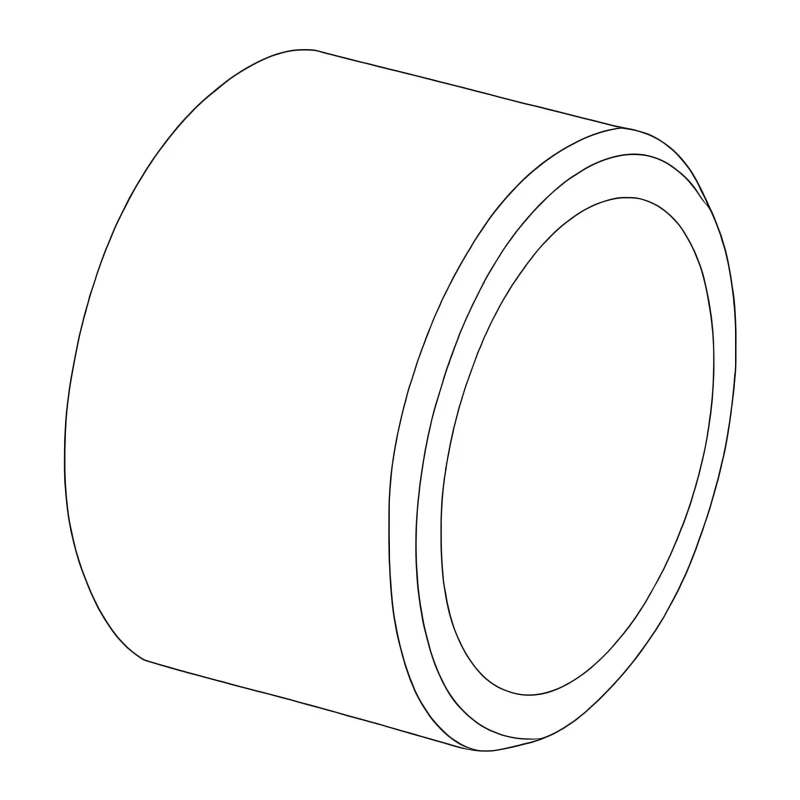
What is Plain Bushing?
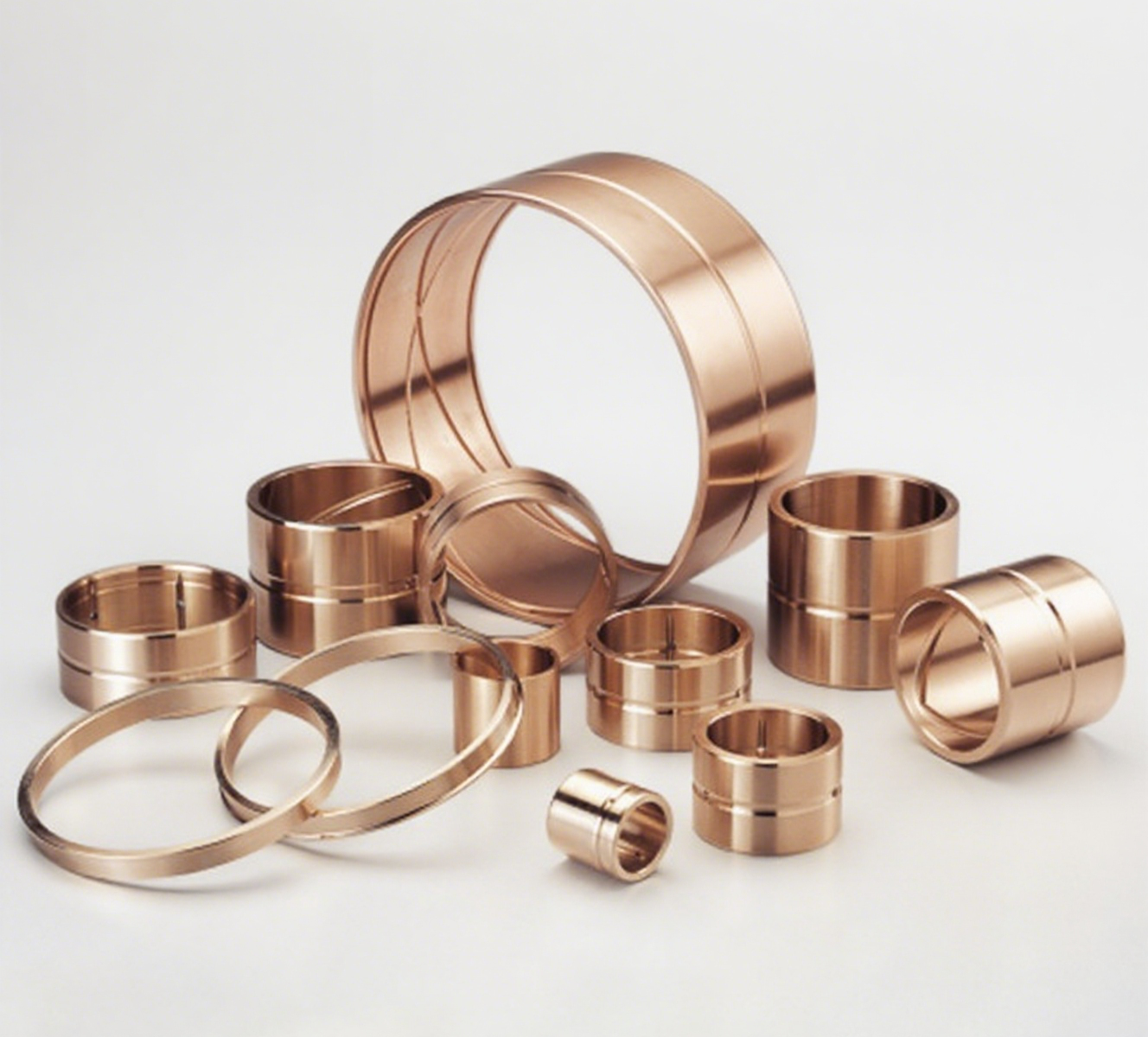
A plain bushing, also known as a straight sleeve bearing, is a simple, cylindrical component designed to reduce friction and wear between a rotating shaft and its housing. It serves as a smooth, durable lining, typically press-fitted into a bore, that supports the shaft and guides its rotary or oscillating motion. Characterized by its solid, seamless construction without flanges or collars, it is one of the most common and cost-effective types of bearings. Its straightforward design, ease of installation, and versatility make it a fundamental mechanical element in countless applications across automotive, industrial machinery, and construction equipment.
Based on the differences in material composition and application characteristics of our product series, we offer components in standard materials and standard specifications. Additionally, we can develop and design customized, non-standard products according to the specific purposes and operating conditions provided by our customers. Should you have any needs, please feel free to contact us at any time.
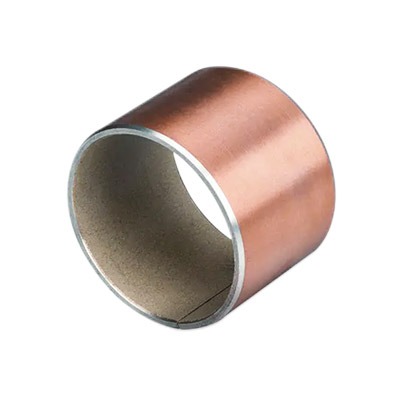
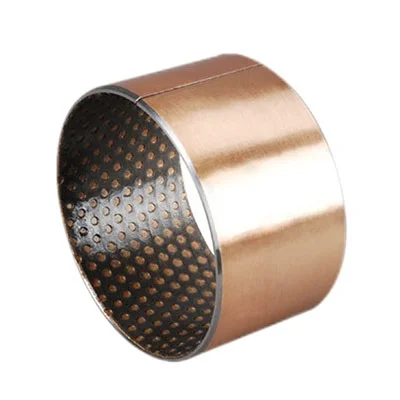
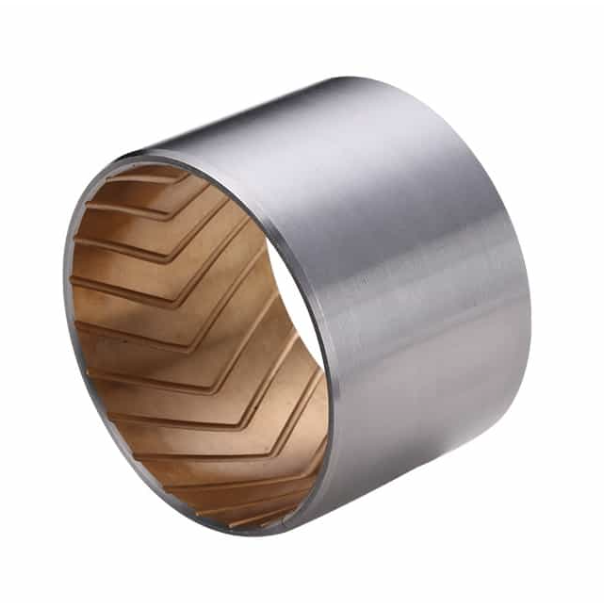
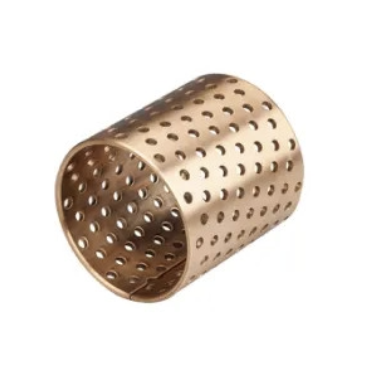
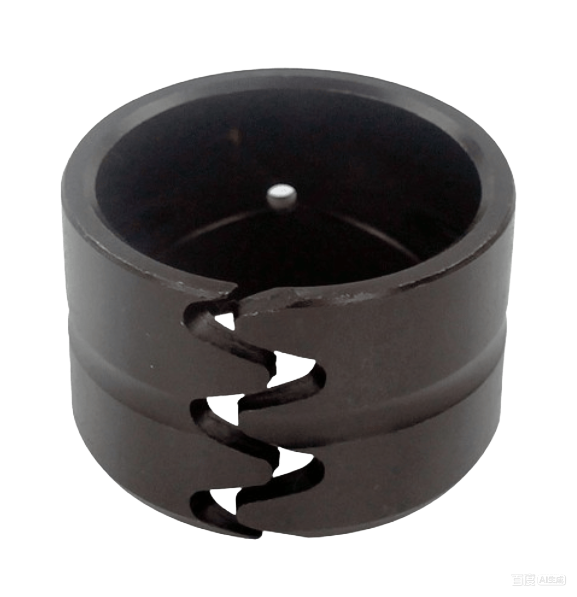
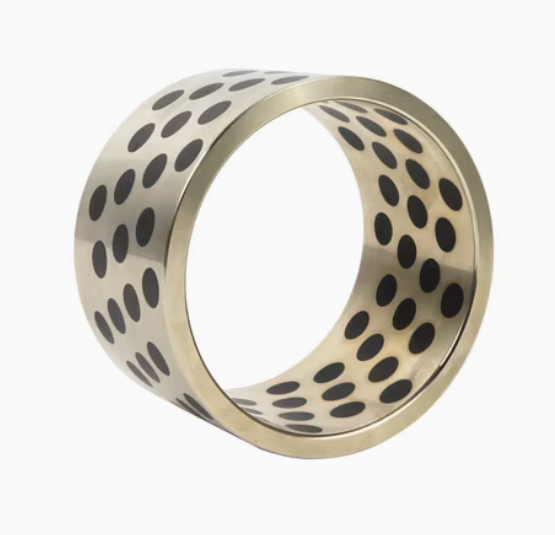
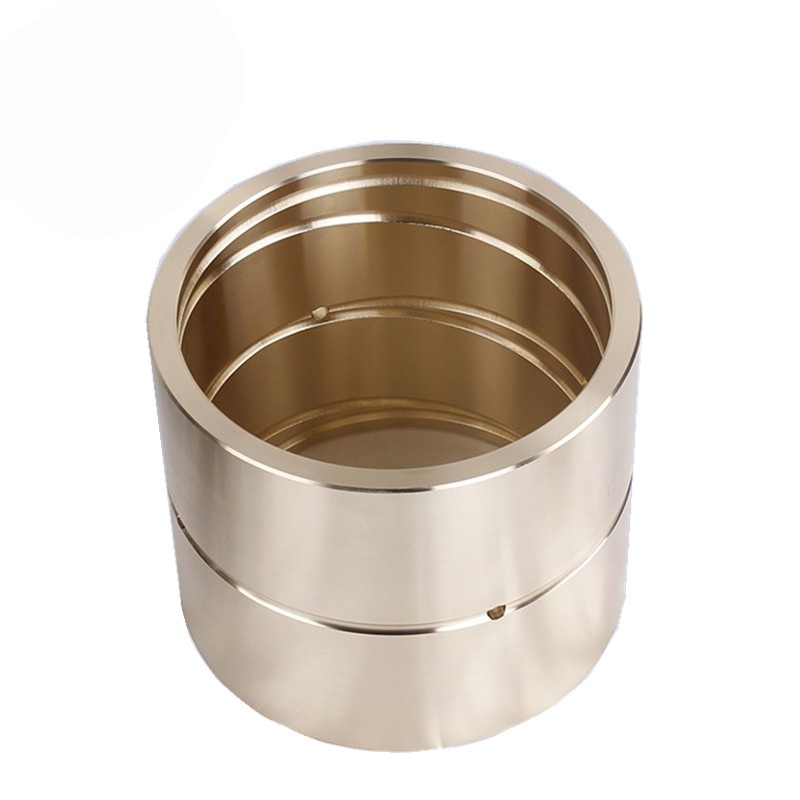
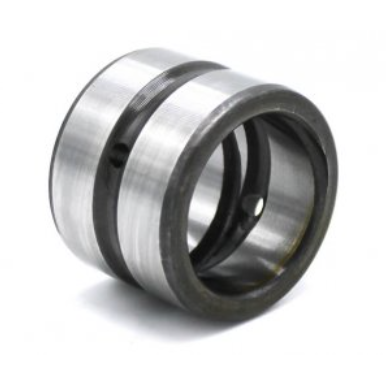
Plain Bushings: The Unsung Hero of Smooth and Reliable Machine Motion
You see the giant crane gracefully lifting tons of steel, the powerful engine of a truck reliably running for hundreds of thousands of miles, or the precise movement of an industrial robot arm. What you don’t see, working silently within the heart of these machines, are the plain bushings. Often called the simplest type of bearing, these unassuming components are fundamental to virtually all mechanical motion, and choosing the right one is critical for performance, cost, and longevity.
This guide will unpack everything you need to know about plain bushings—what they are, how they work, and why they might be the optimal solution for your application. We’ll also explore how a partner like MYWAY can transform this simple component into a source of competitive advantage for your business.
Demystifying the Plain Bushing: More Than Just a Simple Sleeve
At its core, a plain bushing (also known as a sleeve bearing or journal bearing) is a cylindrical lining designed to support a rotating or sliding shaft. Unlike rolling element bearings (like ball or roller bearings) that use moving parts to reduce friction, a plain bushing creates a low-friction sliding interface directly between the shaft and the bearing surface.
The official Chinese national standard, GB/T 2889.1, defines them under the broad category of “plain bearings,” emphasizing their design, the materials used, and their performance characteristics.
Why Choose a Plain Bushing? Key Advantages
Their simplicity is their strength. Here’s what makes them indispensable:
Cost-Effectiveness: Generally simpler to manufacture than rolling element bearings, leading to lower initial costs, especially for large sizes.
Compact & Space-Saving: They require minimal radial space, allowing for more compact machine designs.
High Load Capacity: Excellent at handling heavy loads, particularly shock and impact loads, due to their large contact area.
Quiet Operation: With no rolling elements, they operate significantly more quietly, which is crucial for many applications.
Durability & Reliability: When properly specified and lubricated, they offer a very long service life with predictable wear patterns.
A World of Options: Types, Materials, and How to Choose
Not all bushings are created equal. Selection depends entirely on your application’s specific demands.
Common Types of Plain Bushings
| Type | Description | Typical Applications |
|---|---|---|
| Cylindrical/Sleeve Bushing | The most basic type, a straight sleeve without a flange. | General shaft support, where axial location is handled by other components. |
| Flanged Bushing | A sleeve with an integral flange (collar) at one end. | Supports both radial loads and light axial (thrust) loads, and aids in easy positioning. |
| Thrust Washer | A flat or plate-like bearing. | Specifically designed to handle axial loads, preventing lateral movement of a shaft. |
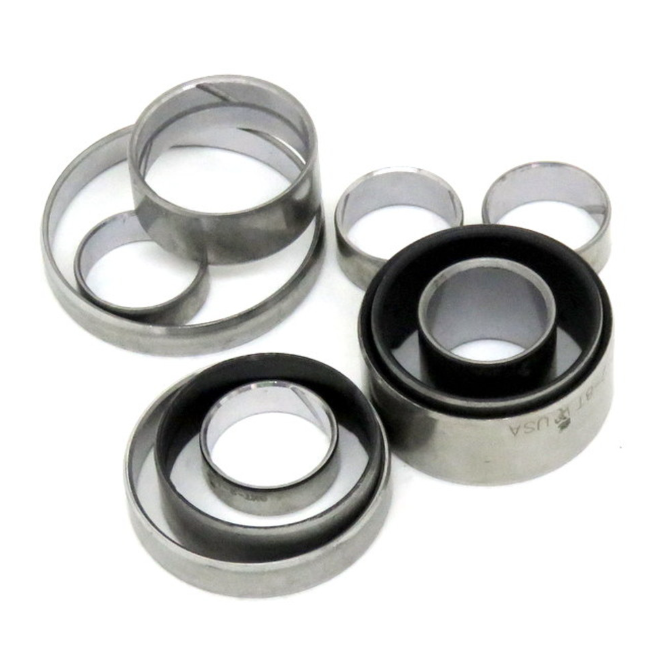
| Split Bushing | A sleeve that is split lengthwise into two halves. | Allows for easy installation and replacement in confined spaces without dismantling other components. |
The Material Matters: Matching the Bushing to the Job
The bushing material is perhaps the most critical selection factor, as it determines load capacity, wear resistance, and lubrication needs.
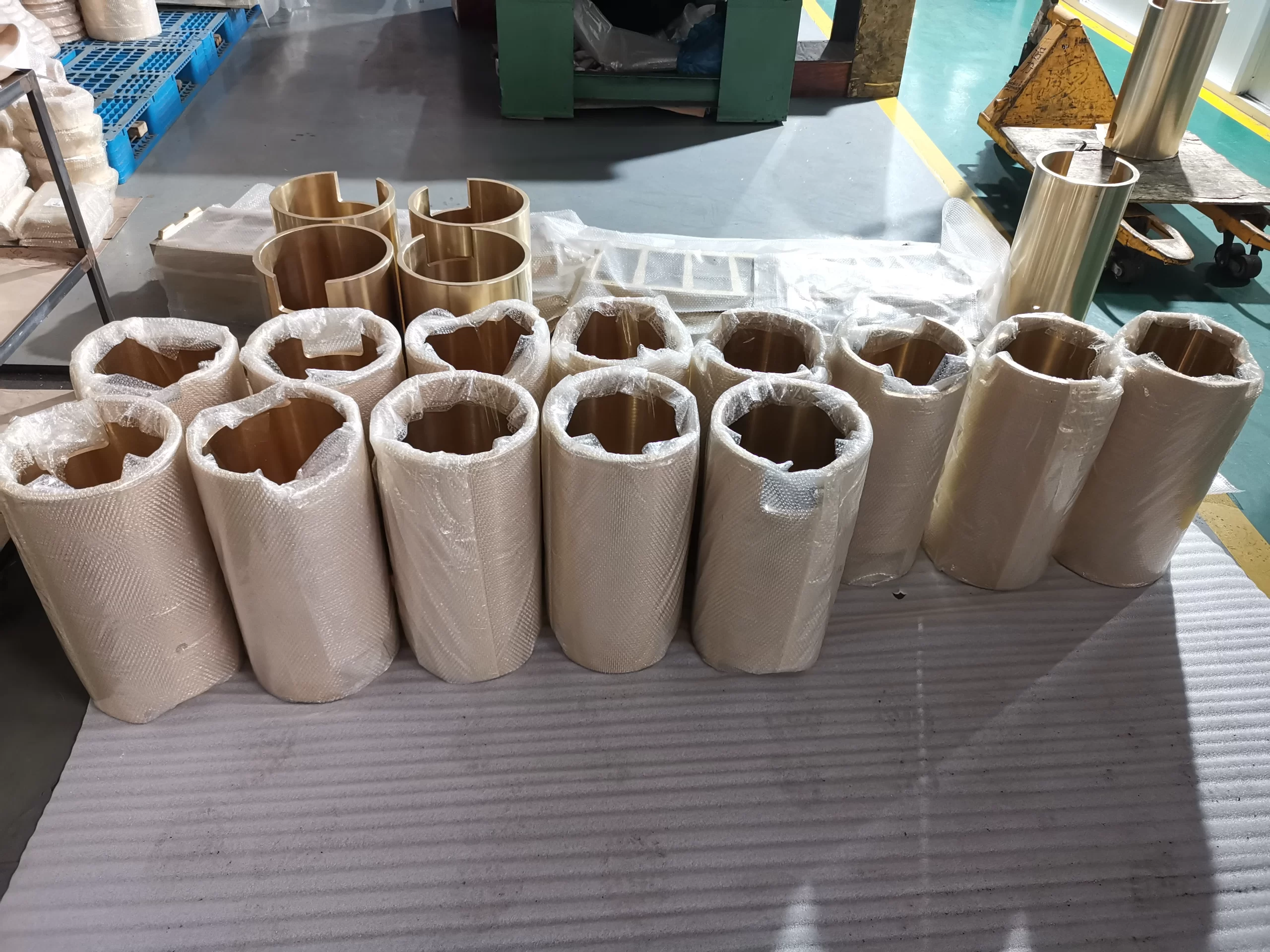
Metallic Bushings (Bronze, Babbitt): The traditional workhorses. Bronze alloys (often with tin, zinc, or lead) are renowned for their good load capacity, thermal conductivity, and wear resistance. Babbitt (a white metal) is excellent for conformability and embeddability of contaminants. They typically require a continuous oil lubrication system to form a protective film and carry away heat.
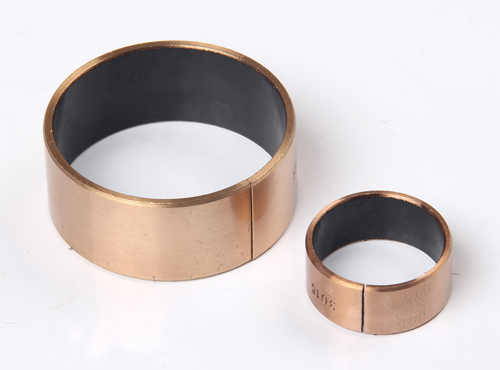
Polymer & Composite Bushings (PTFE, Nylon, POM): The modern problem-solvers. Materials like PTFE (Teflon) or Nylon offer inherent low friction, corrosion resistance, and the ability to run dry or with minimal lubrication. Metal-polymer composites (e.g., a steel backing with a sintered bronze layer infused with PTFE) combine high strength with excellent self-lubricating properties, making them ideal for maintenance-free or hard-to-lubricate applications.
Sintered Bushings: Made from powdered metal (often bronze or iron) pressed and heated. They can be impregnated with oil, creating a “self-lubricating” reservoir that feeds oil to the surface during operation.
The Selection Checklist: Key Questions to Ask
To narrow down your choice, work through these parameters:
Load: What is the magnitude and direction (radial, axial, or both) of the force?
Speed: What is the rotational or sliding speed (PV value is a key metric)?
Motion: Is it continuous rotation, oscillation, or linear sliding?
Lubrication: Can you provide regular lubrication, or do you need a maintenance-free solution?
Environment: Are there extreme temperatures, moisture, chemicals, or abrasive contaminants?
Cost & Life Expectancy: What is the total cost of ownership target, including maintenance and downtime?
Beyond the Catalogue: The MYWAY Advantage in Plain Bushings
At MYWAY, we understand that a bushing is never just a component. It’s a critical point where your machine’s reliability, efficiency, and cost are decided. We move beyond standard supply to become your engineering partner in motion control.
What sets MYWAY apart?
Deep Application Expertise & Customization: We don’t just sell sizes; we solve problems. Our engineering team works with you to analyze your specific application—whether it’s for heavy-duty construction equipment, high-cycle automation, or a corrosive marine environment. We provide truly custom solutions, from unique material blends and special coatings to fully non-standard dimensions and geometries. If your project requires a bushing that doesn’t exist on a shelf, we design and manufacture it.
Advanced Material Technology: We specialize in high-performance self-lubricating composite materials. Our flagship metal-polymer bushings deliver the strength of steel with the friction-free performance of advanced polymers, drastically reducing or eliminating the need for external lubrication. This means lower maintenance costs, higher reliability, and cleaner operation for your products.
Proactive Quality & Assurance: Every MYWAY bushing is backed by a robust one-year warranty, a testament to our confidence in our manufacturing processes and material integrity. We implement rigorous quality control at every stage, from raw material inspection to final dimensional and performance testing, ensuring you receive parts that perform consistently, batch after batch.
Integrated Supply for Simplification: In addition to our comprehensive range of plain bushings, MYWAY also manufactures complementary components like fasteners and rolling bearings. This allows us to offer simplified, bundled sourcing for your assembly needs, improving supply chain efficiency and consistency.
Ready to Experience the Difference?
Choosing MYWAY means investing in more than a component; it’s an investment in reduced downtime, lower total operating costs, and enhanced product performance. Let our experts help you specify the optimal bushing solution.
Contact the MYWAY team today for a professional consultation and a competitive quote tailored to your unique requirements.
Frequently Asked Questions (FAQ)
Q1: What’s the main difference between a plain bushing and a ball bearing?
The core difference is the principle of operation. A plain bushing uses a sliding contact surface and often relies on a lubricant film. A ball bearing uses rolling elements (balls) to reduce friction. Bushings are generally better for high loads, shock loads, and compact spaces, while ball bearings excel at higher speeds with lower starting friction.
Q2: Can plain bushings really be “maintenance-free”?
Yes, certain types are designed to be. Self-lubricating bushings made from polymers (like PTFE) or composite materials (like oil-impregnated sintered bronze or PTFE-metal composites) contain solid lubricants within their structure. These lubricants are gradually released during operation, creating a low-friction film without the need for external grease or oil systems.
Q3: My application involves slow, oscillating movements under heavy load. What’s the best bushing type?
This is a classic and demanding scenario. Slow, oscillating motion often prevents the formation of a full hydrodynamic oil film. In such cases, a self-lubricating composite bushing (e.g., a steel-backed bushing with a PTFE-based liner) is frequently the best choice. It can handle high static loads and provides consistent lubrication even during short-stroke movements.
Q4: How do I know if I need a standard or a custom bushing?
Start with your design constraints. If a standard size fits your housing bore, shaft diameter, length, and performance (PV) requirements, it’s the quickest and most cost-effective path. However, if you have unique space limitations, exceptional load conditions, need special materials for corrosion resistance, or want to integrate features (like lubrication grooves or mounting flanges), a custom bushing from MYWAY will deliver far superior performance and value in the long run.
Q5: Why is MYWAY’s focus on engineering support important?
An incorrectly specified bushing can lead to premature failure, costly downtime, and damage to other components. Our engineering support helps you avoid these pitfalls by ensuring the bushing material, design, and lubrication strategy are perfectly matched to your operating environment. This proactive partnership saves you time, money, and hassle from the very beginning.