
Recent Posts
What is Gunmetal Bushings: Quality ans Applications Solutions
In the world of industrial machinery and precision engineering, the choice of components can make or break performance, efficiency, and longevity. Among these critical parts, gunmetal bushings stand out as a cornerstone material for countless applications. But what exactly are they, why are they so highly regarded, and how can you ensure you’re getting the best quality? This in-depth guide will answer all your questions and introduce you to MYWAY’s premium solutions.
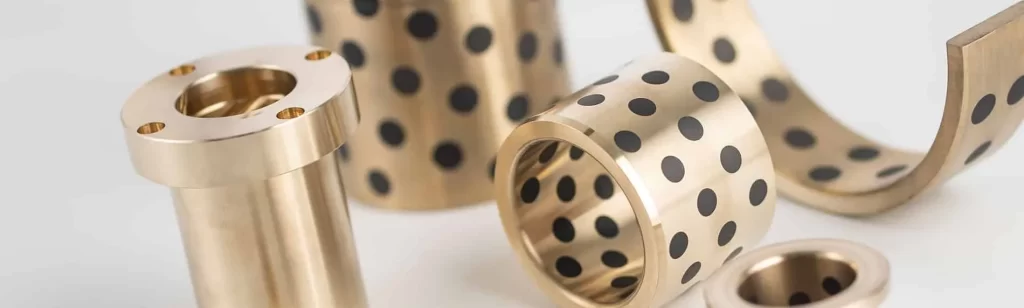
Table of Contents
1. What is Gunmetal? Understanding the Alloy Behind the Bushing
First, let’s clarify the material. Gunmetal, often referred to as red brass or leaded tin bronze, is a type of bronze alloy. Its classic composition is approximately 88% copper, 8-10% tin, and 2-4% zinc. For bearing and bushing applications, a leaded variant (like SAE 660 / C93200) is common, where added lead (typically 1-7%) significantly enhances machinability and self-lubricating properties.
This unique blend gives gunmetal its distinctive dark grey appearance and a powerful combination of properties perfect for demanding mechanical roles. Think of it as the reliable workhorse of copper-based alloys—not always the flashiest, but incredibly dependable where it counts.
2. What Are Gunmetal Bushings?
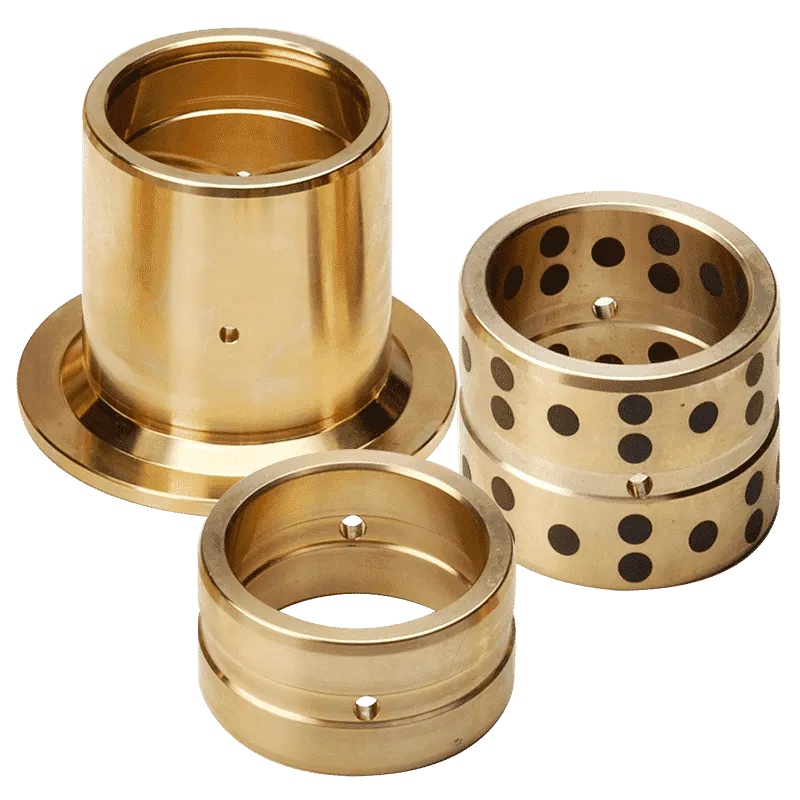
Gunmetal bushings (also called sleeve bearings, plain bearings, or bronze bushings) are cylindrical components designed to support a rotating or sliding shaft. They act as a lining inside a housing, reducing friction, absorbing wear, and preventing damage to more expensive parts of the machine.
Unlike rolling-element bearings (ball or roller bearings), these are sliding bearings. Their excellence doesn’t come from moving parts, but from the inherent qualities of the gunmetal alloy itself.
3. Why Choose Gunmetal Bushings? Key Benefits & Properties
Why has gunmetal remained a top choice for engineers for decades? Here are its winning features:
Superior Strength & High Load Capacity: The copper-tin matrix provides excellent compressive strength, making these bushings ideal for heavy-duty applications with significant static and dynamic loads.
Exceptional Wear Resistance: Gunmetal is notably harder and more wear-resistant than standard brass, leading to a longer service life and reduced downtime in high-friction environments.
Excellent Corrosion Resistance: It performs remarkably well in corrosive settings, including exposure to seawater, steam, and many chemicals. This makes it a favorite in marine, offshore, and chemical processing industries.
Good Machinability & Castability: The lead content in bearing-grade gunmetal allows it to be easily machined into complex shapes with tight tolerances. It also casts well, enabling the production of pressure-tight components like pump bodies and valve parts.
Embeddability & Self-Lubrication: The softer lead particles in the alloy can embed small abrasive contaminants, protecting the shaft. These particles also smear to provide a degree of built-in lubrication, which is crucial for start-up conditions or in applications where external lubrication is challenging.
Shock & Vibration Resistance: Gunmetal can absorb and dampen impact loads and vibrations, protecting surrounding components and ensuring smoother operation.
4. Gunmetal vs. Brass vs. Other Bronzes: A Quick Comparison
Choosing the right bushing material is critical. Here’s how gunmetal stacks up:
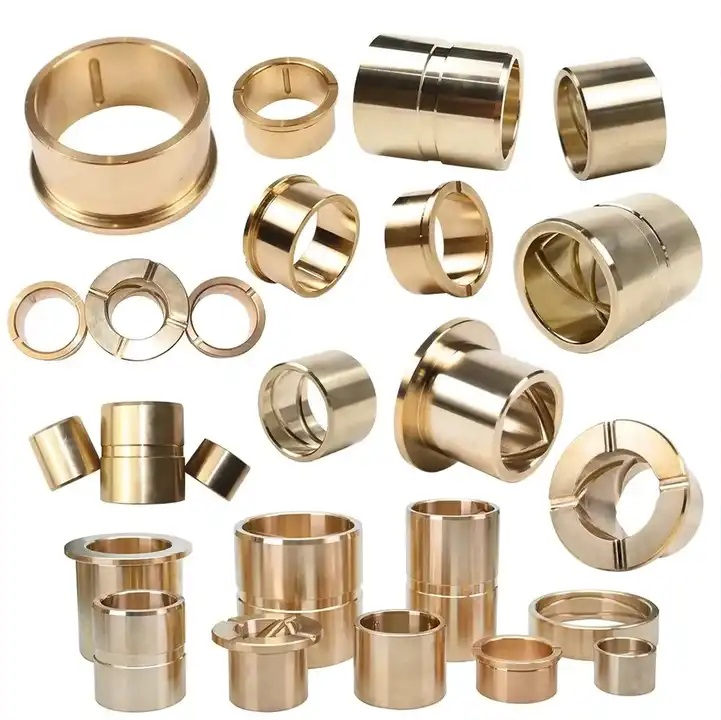
Gunmetal vs. Brass: Brass (copper-zinc) is cheaper and easier to machine but is softer and has far inferior wear resistance. Gunmetal is the clear choice for higher-load, longer-life industrial applications, while brass suits lighter-duty, low-speed, or decorative uses.
Gunmetal vs. Phosphor Bronze: Phosphor bronze (copper-tin-phosphorus) offers higher fatigue strength and is better for very high-load, high-speed applications. Gunmetal, with its lead content, offers better machinability and embeddability, making it a superb general-purpose bearing alloy.
Gunmetal vs. Aluminum Bronze: Aluminum bronze is stronger and has exceptional corrosion and wear resistance, but it’s more expensive and harder to machine. Gunmetal provides an excellent cost-performance balance for many general to moderately severe conditions.
5. Common Applications of Gunmetal Bushings
You’ll find these robust components in a vast range of sectors:
Marine & Shipbuilding: Propeller shaft bearings, rudder bearings, pump components, and deck machinery.
Heavy Industrial Machinery: Rolling mills, crushers, presses, and conveyor systems.
Automotive & Transportation: Suspension systems, kingpins, brake components, and older engine bearings.
Pumps & Valves: As sleeve bushings in centrifugal pumps, valve stems, and steam fittings.
Construction Equipment: Excavators, cranes, and loaders where high shock loads are common.
Power Generation: In turbines, generators, and various auxiliary equipment.
6. Enhanced Performance: Grooving & Graphite Plugging
Basic gunmetal bushings are great, but performance can be supercharged with design features:
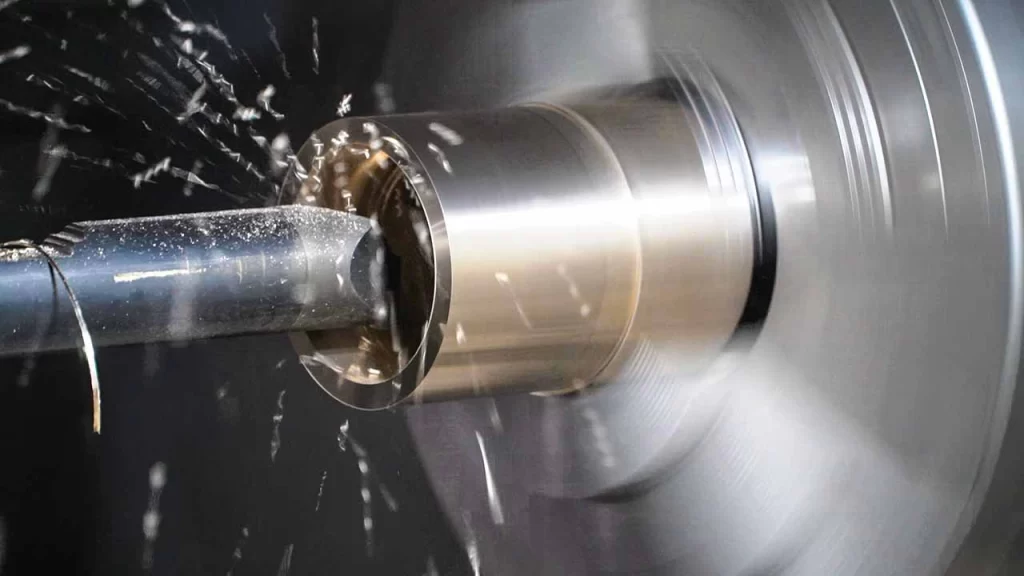
Lubrication Grooves: Precision-machined grooves (axial, helical, or pocket) ensure even distribution of grease or oil across the bearing surface, drastically reducing friction and heat buildup.
Graphite-Plugged (Self-Lubricating) Bushings: For maintenance-free or oil-free operation, graphite plugs are inserted into the bushing wall. These provide a solid lubricant that works at high temperatures and in environments where liquid lubricants would wash away or contaminate a process (e.g., food processing, textile machinery).
7. Choosing the Right Gunmetal Bushing: A Simple Guide
Define the Load & Speed: Is it a high-load, low-speed oscillating motion (ideal for gunmetal) or a high-speed rotation? This determines the PV (Pressure x Velocity) limit.
Assess the Environment: Will it face corrosion, high temperatures, dirt, or water? This confirms gunmetal is suitable and if special features (like graphite plugs) are needed.
Determine Dimensions & Tolerances: Accurate shaft and housing measurements are critical. Decide between standard (inch/metric) or custom sizes.
Consider Lubrication: Can you provide regular grease/oil? If not, specify self-lubricating graphite-plugged bushings.
Look for Quality Assurance: Always source from manufacturers who adhere to standards like ASTM B505, SAE 660, or C93200 and provide full material certification.
8. Why Partner with MYWAY for Your Gunmetal Bushing Needs?
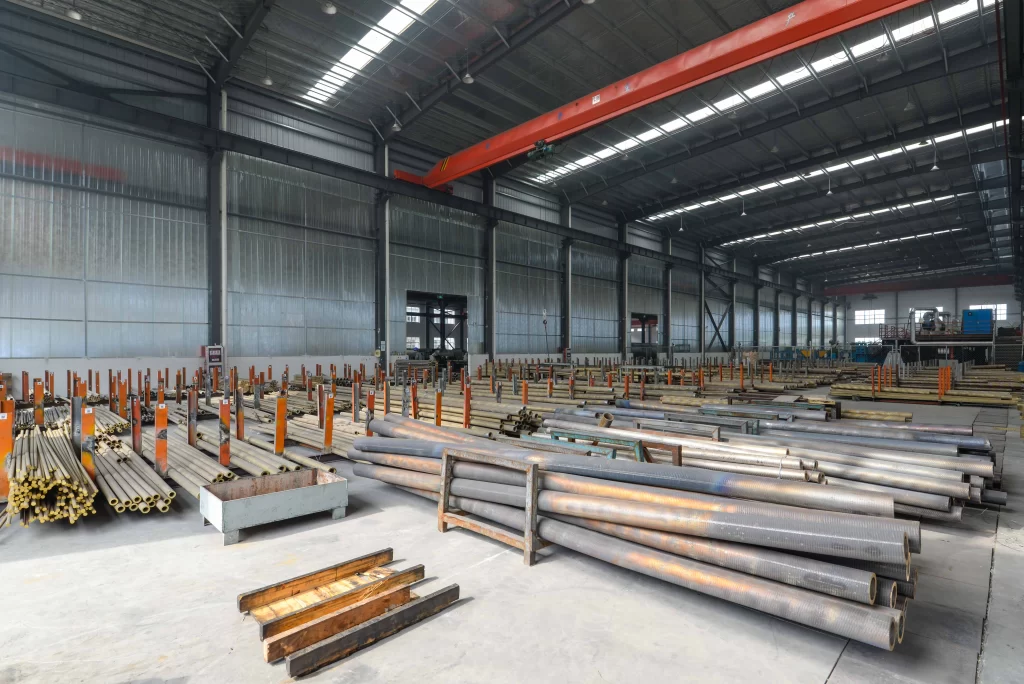
At MYWAY, we don’t just supply parts; we provide engineered solutions. We specialize in the manufacturing of high-precision gunmetal bronze bushings, leveraging decades of expertise to serve industries worldwide.
Here’s what sets MYWAY bushings apart:
Premium Material Integrity: We use certified gunmetal alloys (C93200, C90500, LG2, RG7) from trusted sources, ensuring every bushing delivers on the promise of strength, wear, and corrosion resistance.
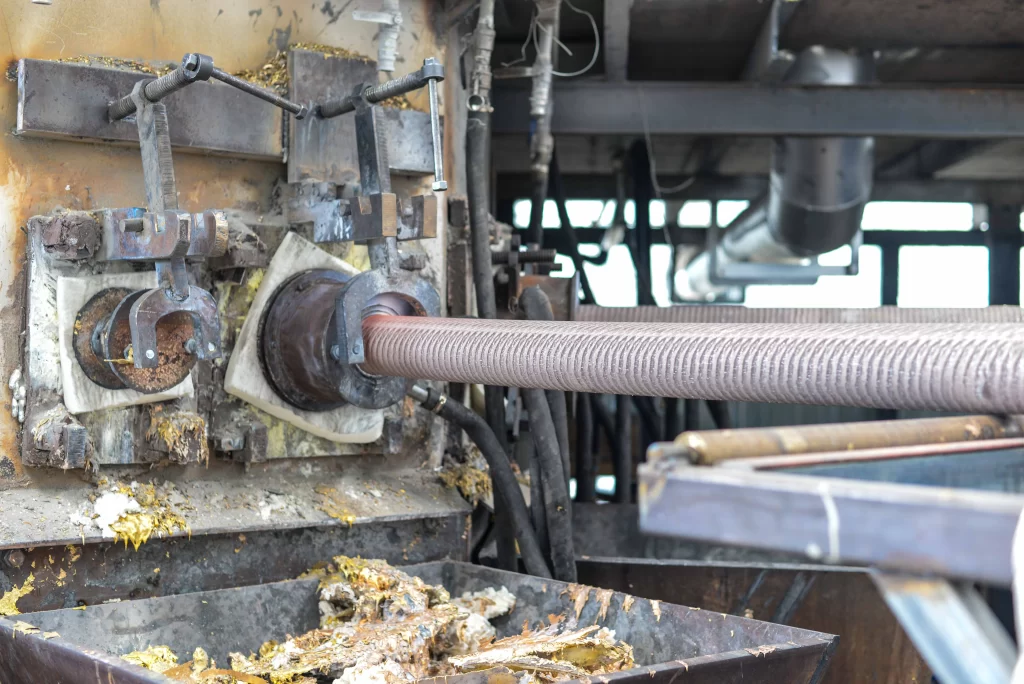
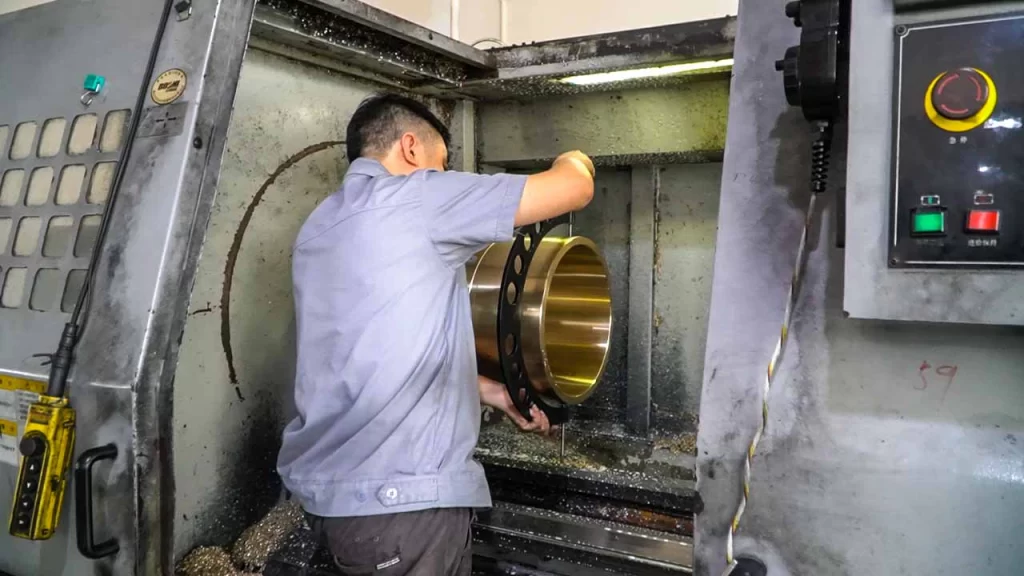
Advanced Manufacturing & Precision: Our state-of-the-art machining centers—utilizing turning, milling, and grinding—produce components with exceptional dimensional accuracy and superb surface finishes for optimal performance.
Complete Customization & Build-to-Print: Need a flange bushing with specific grooves? A sleeve bearing with an unusual wall thickness? A thrust washer with graphite inserts? Our engineering team thrives on custom projects. We handle everything from material selection to precision grooving within tight tolerances.
Full Range of Solutions: From standard sleeve and flange bushings to graphite-plugged oilless bearings, thrust washers, and wear plates, we offer a comprehensive catalog to meet diverse needs.
Quality That Exceeds Expectations: Our quality control is integrated into every step, from raw material inspection to final shipping. You receive parts that are reliable, consistent, and built to last.
Global Supply with Competitive Pricing: We combine the efficiency of a specialized manufacturer with a global logistics network, ensuring you get high-quality gunmetal bushings at the right price, delivered on time.
Ready to experience the MYWAY difference? Let us be your trusted partner for durable, precision gunmetal bushings that enhance your machinery’s performance and reduce total operating costs.
Frequently Asked Questions (FAQ)
Q1: What is the main difference between a bushing and a bearing?
A: The terms are often used interchangeably, especially for sleeve types. Generally, a bushing is a type of plain bearing—a simple, one-piece sleeve that supports a shaft. “Bearing” is a broader term that can also refer to complex assemblies like ball or roller bearings.
Q2: Are gunmetal bushings self-lubricating?
A: Standard gunmetal bushings have limited self-lubricating properties due to their lead content, but they perform best with external grease or oil. For true maintenance-free, self-lubricating operation, you should specify graphite-plugged gunmetal bushings.
Q3: How do I know if I need a flanged bushing or a plain sleeve bushing?
A: Choose a flanged bushing when you need to prevent axial movement (side-to-side) of the shaft or when the bushing needs to be located positively against a housing face. A plain sleeve bushing is used when the bushing is fully contained within a housing.
Q4: Can MYWAY manufacture bushings to my specific drawings?
A: Absolutely! Custom, build-to-print manufacturing is one of our core strengths. Send us your drawings or specifications, and our engineering team will provide a solution tailored to your exact requirements.
Q5: What industries do you primarily serve?
A: We serve a wide array of sectors including marine, heavy equipment manufacturing, industrial machinery, pump and valve, power generation, and construction. Anywhere robust, reliable bearings are needed.
Q6: What information do I need to provide to get an accurate quote?
A: To get your fast and precise quote, please provide:
A detailed drawing (with tolerances).
Material specification (e.g., SAE 660, C93200) or application details so we can recommend one.
Quantity required.
Any special requirements (grooving, graphite plugs, heat treatment).
100000+ Types of Bushings – Contact Us for Details