
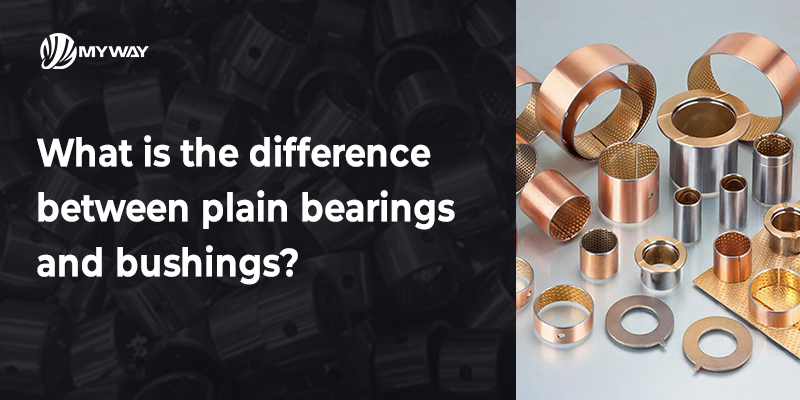
What Is the Difference Between Plain Bearings and Bushings?
Know the difference between bushings and plain bearings. Know the functions, understand the advantages, and where to use them on your machine.

Know the difference between bushings and plain bearings. Know the functions, understand the advantages, and where to use them on your machine.
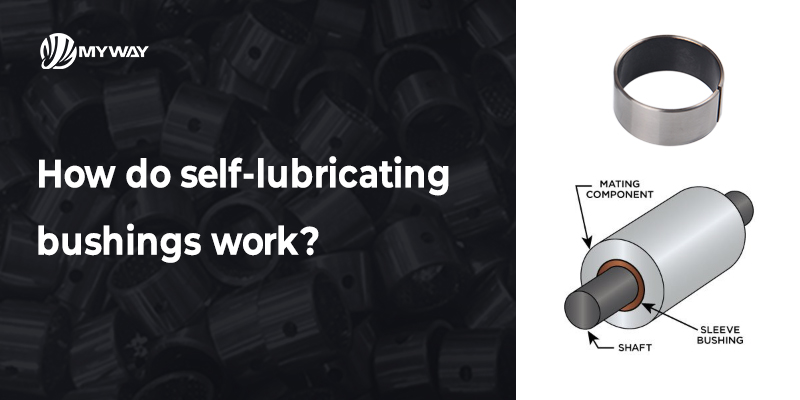
Learn how self-lubricating bushings work, whether bushings need lubrication, and their advantages. Find the perfect solution for your machinery.
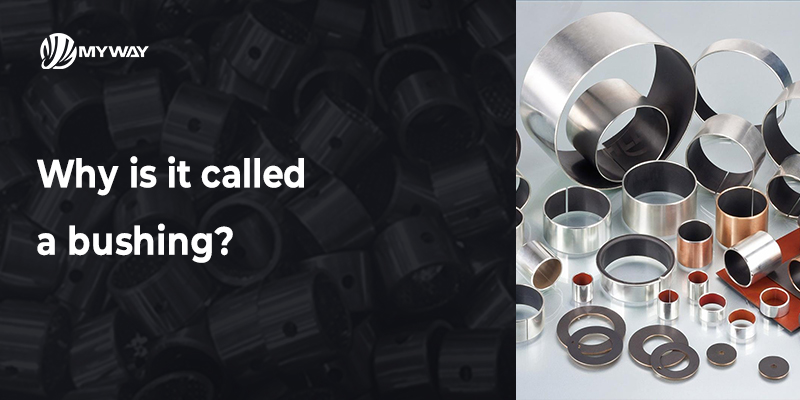
Bushings are essential and versatile little buggers that are used to reduce friction and make things not squeak and squawk in a million different applications!
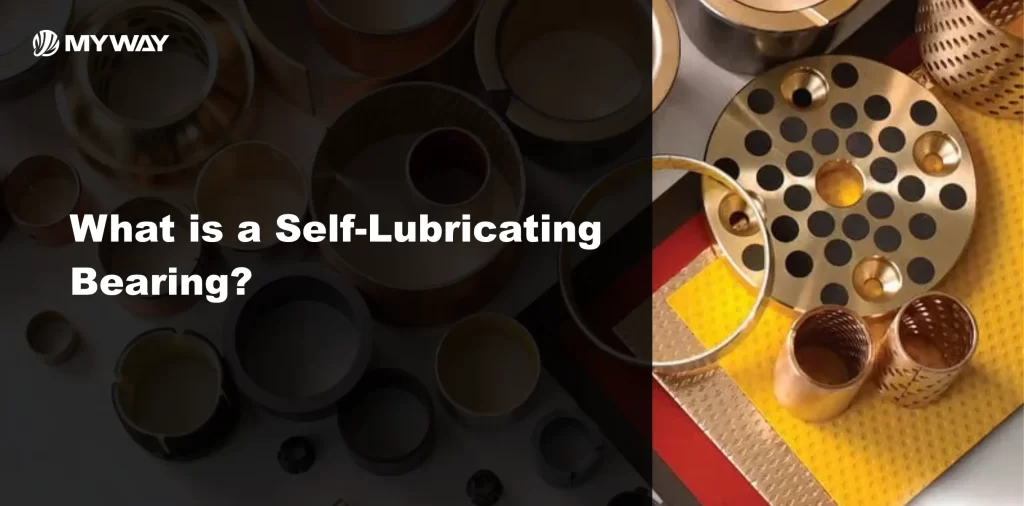
A self-lubricating bearing is a type of plain bearing. A self-lubricating bearing works without using an external lubricant such as an oil or a grease.
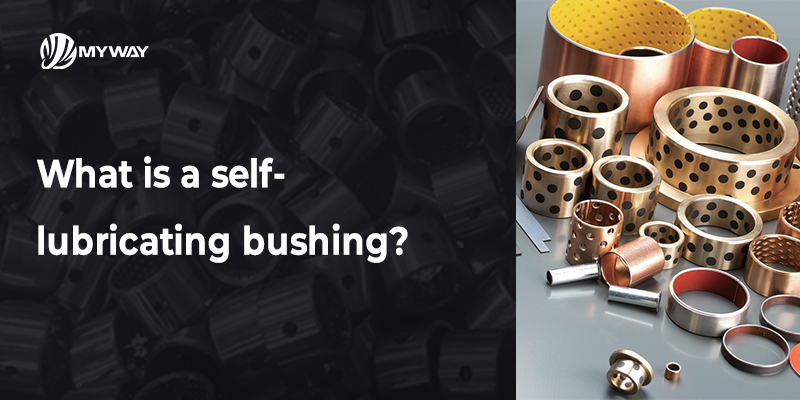
Self-lubricating bushings are durable, reliable, and cost-effective. They perform where other materials fail, reducing maintenance in challenging environments.
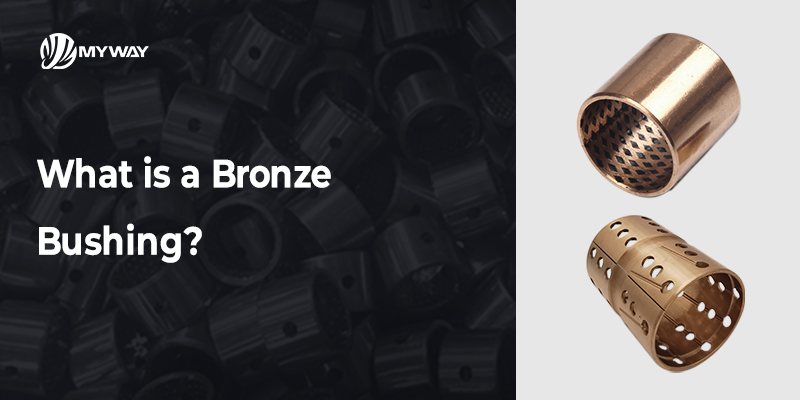
A bronze bushing is a bearing made from a durable bronze alloy (copper and tin), used to reduce friction and wear between moving parts.
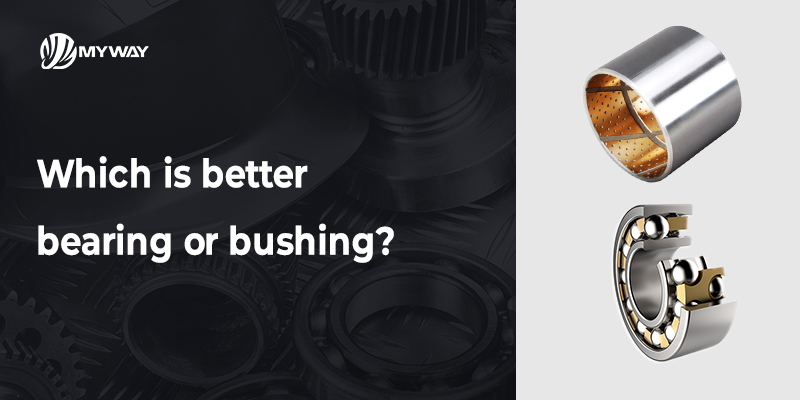
Choose bearings or bushings based on your application needs. Both reduce friction and support motion, but differ in structure, performance, and ideal use cases.
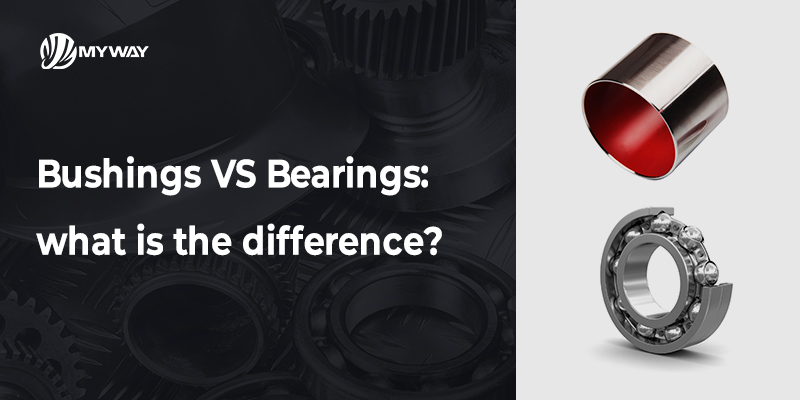
Bushings and bearings are both used in mechanics to reduce friction and support motion, but many wonder, “What’s the difference? Are they the same thing?”