
Recent Posts
Steel Backed Bushings: The Complete Guide to Self-Lubricating Bearing Technology
Introduction: The Unsung Heroes of Modern Machinery
Walk through any manufacturing plant, construction site, or automotive assembly line, and you’ll witness thousands of moving parts working in perfect synchronization. But hidden within these machines—inside gearboxes, suspension joints, hydraulic cylinders, and conveyor systems—lies a component so reliable that most engineers never think twice about it: the steel backed bushing.
These unassuming cylindrical components serve as the interface between moving parts, reducing friction, absorbing shock loads, and ensuring smooth operation day after day. But not all bushings are created equal. The evolution from simple metal sleeves to today’s advanced self-lubricating composite bushings represents one of the most significant—yet often overlooked—advancements in mechanical engineering.
In this comprehensive guide, we’ll explore everything you need to know about steel backed bushings: how they’re constructed, where they excel, how to select the right type for your application, and why MYWAY has become the trusted partner for engineers worldwide seeking maintenance-free bearing solutions.
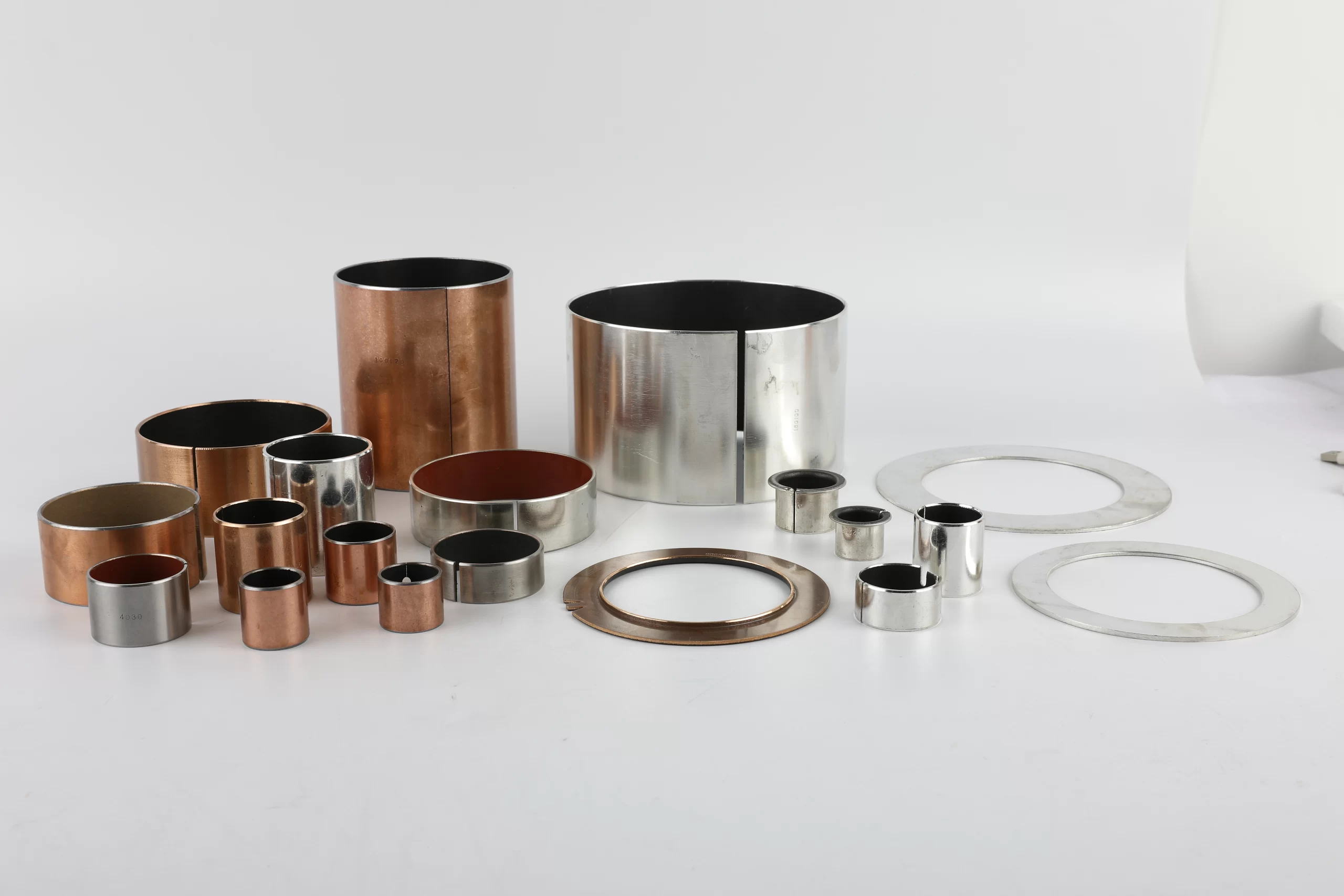
Table of Contents
1. What Exactly Is a Steel Backed Bushing?
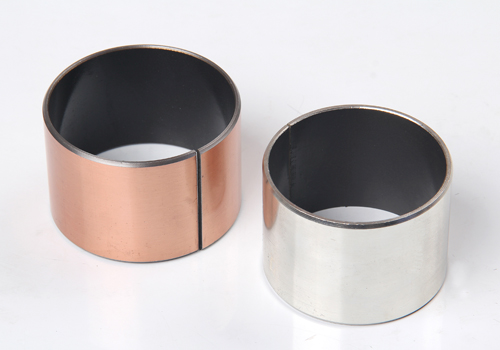
Let’s start with the basics. A steel backed bushing (also called a plain bearing, sleeve bushing, or sliding bearing) is a cylindrical component designed to support rotating or reciprocating shafts while minimizing friction and wear.
What makes it “steel backed”? The name describes its construction: a strong steel outer shell provides structural integrity, while an inner lining—typically bronze, PTFE (polytetrafluoroethylene), or other specialized materials—delivers the actual bearing surface.
The Three-Layer Construction That Changed Everything
Modern high-performance steel backed bushings typically feature a sophisticated multi-layer structure:
Layer 1: Steel Backing (The Foundation)
The outer layer consists of steel—either standard carbon steel, hardened steel, or stainless steel depending on application requirements. This backing provides:
Structural strength to withstand heavy radial loads
Dimensional stability under thermal and mechanical stress
Reliable press-fit retention in the housing bore
Layer 2: Porous Bronze Sintered Layer (The Bridge)
Bonded to the steel backing is a layer of spherical bronze particles, sintered to create a porous matrix. This layer:
Roughens the surface for superior bonding
Enhances thermal conductivity, drawing heat away from the bearing surface
Provides mechanical keying for the sliding layer
Layer 3: PTFE-Based Sliding Layer (The Business End)
The innermost layer combines PTFE with other fillers to create a low-friction bearing surface. This layer:
Delivers coefficients of friction as low as 0.03–0.20
Provides self-lubricating properties that eliminate the need for grease
Forms a transfer film on the mating shaft for continuous protection
2. Steel Backed vs. Solid Bronze: Understanding the Difference
One question we frequently hear at MYWAY is: “Why choose steel backed bushings over solid bronze?” It’s an excellent question, and the answer reveals why steel backed designs have become dominant in so many applications.
The Expansion Problem: A Real-World Lesson
Consider this real-world scenario from a machinery rebuilder: A technician was rebuilding vintage power steering pumps, replacing worn bushings with solid bronze components. Despite precise fits and proper clearances, the new bushings kept seizing on the shafts and spinning in their housings shortly after startup.
What went wrong? The solid bronze bushings, with their relatively thick walls, expanded significantly when the pump reached operating temperature. Constrained by the steel housing, this expansion had nowhere to go except inward—reducing the shaft clearance and causing seizure.
The original equipment used steel backed bushings with only a thin bronze lining—typically 0.015-0.020 inches of bearing material on a steel shell. This construction minimized thermal expansion issues while maintaining excellent bearing properties.
Key Differences at a Glance
| Property | Steel Backed Bushings | Solid Bronze Bushings | |
|---|---|---|---|
| Structural Strength | High (steel backing) | Good | |
| Thermal Expansion | Minimal (steel backing) | Higher (can cause bore closure) | |
| Self-Lubricating Options | Excellent (PTFE, graphite) | Good (oil-impregnated, graphite plugs) | |
| Corrosion Resistance | Stainless steel options available | Good inherent resistance | |
| Cost-Effectiveness | Better material utilization | Higher material cost | |
| Typical Applications | Automotive, industrial, aerospace | Marine, heavy machinery, high-temp |
3. Types of Steel Backed Bushings: Finding Your Perfect Match
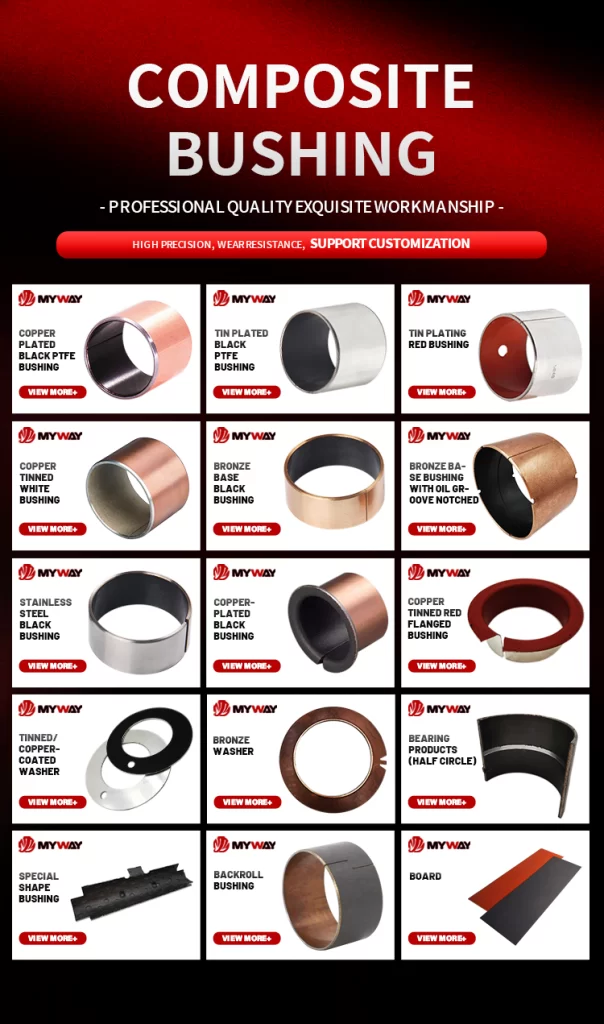
The beauty of steel backed bushing technology lies in its versatility. By varying the backing material, intermediate layer, and sliding surface composition, engineers can create solutions optimized for virtually any operating condition.
1. PTFE Composite Bushings (SF-1 Type)
Construction: Steel backing + porous bronze sintered layer + PTFE/lead mixture sliding layer
Best For: Dry running, maintenance-free applications, moderate to high loads
These are the workhorses of the self-lubricating bearing world. The PTFE-based sliding layer provides exceptionally low friction without any external lubrication. Common applications include:
Automotive suspension components
Agricultural machinery
Office equipment
Textile machinery
Key Advantages:
True dry running capability
Excellent wear resistance (wear rate approximately 0.003mm/h)
Temperature range: -195°C to +280°C
No stick-slip effect
2. Stainless Steel Backed Bushings (SF-1S Type)
Construction: Stainless steel backing (typically 304 or 316) + porous bronze + PTFE sliding layer
Best For: Corrosive environments, food processing, marine applications, chemical plants
When standard carbon steel won’t survive the environment, stainless steel backed bushings deliver:
Exceptional corrosion resistance (500+ hour salt spray test capability)
Same self-lubricating performance as standard PTFE bushings
Ideal for food-grade and pharmaceutical applications
Suitable for outdoor and marine equipment
3. Bronze-Backed with Graphite Plugs
Construction: Solid bronze or steel-backed bronze with embedded graphite lubricant plugs
Best For: High temperatures, extremely heavy loads, applications where lubrication is impossible
These specialized bushings excel where temperatures would destroy polymer-based lubricants:
Steel mill equipment
Furnace and kiln components
Mining machinery
High-temperature material handling
Temperature resistance up to 400°C makes them indispensable in heavy industry.
4. Seamless Steel Bushings
Construction: Machined from solid steel bar stock or cold-drawn tubing
Best For: High-load, low-speed applications requiring maximum strength
Unlike wrapped or formed bushings, seamless designs offer:
No weak points from seams or welds
Superior impact resistance
Excellent dimensional stability
Custom configurations including flanged, threaded, or stepped designs
4. Applications Across Industries: Where Steel Backed Bushings Excel
The versatility of steel backed bushings makes them invaluable across virtually every industrial sector. Let’s explore how different industries leverage this technology.
Automotive and Transportation
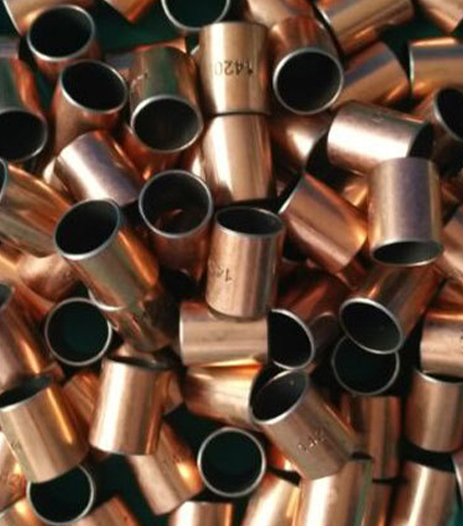
Modern vehicles contain dozens—sometimes hundreds—of steel backed bushings. You’ll find them in:
Suspension systems: Control arm bushings, stabilizer bar links, and strut mounts
Steering components: Steering knuckle bushings, rack-and-pinion mounts
Engine applications: Rocker arm bushings, accessory drive components
Transmission systems: Shift linkages, clutch mechanisms
The trend toward electric vehicles has actually increased demand for high-performance bushings. Without engine noise to mask suspension sounds, OEMs require bushings that deliver both durability and acoustic comfort. MYWAY’s self-lubricating PTFE bushings provide the perfect solution—maintenance-free operation with excellent noise, vibration, and harshness (NVH) characteristics.
Industrial Machinery and Manufacturing
Factory equipment operates around the clock, often in harsh conditions. Steel backed bushings keep these machines running:
Conveyor systems: Roller support bushings, tensioner assemblies
Packaging equipment: High-speed reciprocating mechanisms
Machine tools: Guide bushings, feed mechanisms
Material handling: Forklift pivot points, lift table linkages
The self-lubricating nature of modern composite bushings eliminates the need for frequent maintenance in hard-to-reach locations—a significant advantage in automated manufacturing environments.
Construction and Heavy Equipment
Excavators, loaders, and bulldozers operate in the worst possible conditions: dirt, dust, water, and extreme loads. Steel backed bushings handle these challenges through:
High load capacity: Supporting massive digging forces
Contamination resistance: Sealed designs keep debris out
Impact tolerance: Steel backing absorbs shock loads
Extended service intervals: Self-lubricating options reduce maintenance
Marine and Offshore Applications
Salt water and bearings don’t typically mix well—unless you specify stainless steel backed bushings. Marine applications demand:
Corrosion resistance that only stainless steel can provide
Self-lubricating operation (grease would wash away or pollute)
Reliable performance in submerged or splash-zone conditions
316 stainless steel backed PTFE bushings deliver exactly these capabilities, making them the preferred choice for propeller shafts, rudder bearings, deck equipment, and offshore machinery.
Aerospace and Defense
When failure isn’t an option, engineers specify the best available technology. Steel backed bushings in aerospace applications must meet extraordinary standards:
Extreme temperature tolerance: From -55°C to +260°C
Reliability: 80,000+ hours mean time between failures
Weight efficiency: Thin-wall designs minimize mass
Material traceability: Complete documentation required
5. How to Select the Right Steel Backed Bushing
Choosing the optimal bushing for your application requires evaluating several key factors. Here’s a practical guide to making the right decision.
Step 1: Analyze Your Operating Conditions
Load Characteristics
What’s the maximum static and dynamic load? (measured in N/mm² or MPa)
Is the load constant or subject to shock/impact?
Does the application experience edge loading or misalignment?
Speed and Motion Type
Rotary, oscillating, or linear motion?
Maximum sliding velocity (m/s)
Continuous or intermittent operation?
Temperature Range
Minimum and maximum operating temperatures
Thermal cycling frequency
Heat dissipation capabilities
Environmental Factors
Exposure to moisture, chemicals, or salt
Contamination levels (dust, dirt, abrasives)
Cleanliness requirements (food grade, medical)
Lubrication Possibilities
Can external lubrication be provided?
Is maintenance-free operation required?
Will lubricants contaminate the product or environment?
Step 2: Match Material to Requirements
Use this decision matrix as a starting point:
| If You Need… | Consider… | Why | |
|---|---|---|---|
| Maintenance-free operation | PTFE composite (SF-1 type) | Self-lubricating, no grease required | |
| Corrosion resistance | Stainless steel backed (SF-1S) | 316 stainless withstands marine/chemical environments | |
| Extreme temperature | Graphite-plugged bronze | Functions up to 400°C | |
| Maximum load capacity | Seamless steel or bimetal | Steel backing handles highest loads | |
| Food processing | Stainless steel + PTFE | Meets FDA/USDA requirements | |
| High-speed operation | Oil-lubricated bronze | Requires lubrication but handles higher speeds |
Step 3: Consider Installation and Maintenance
Housing Design
Ensure proper bore tolerance (typically H7 for steel housings)
Provide adequate support along the entire bushing length
Consider shoulder or snap ring retention for axial loads
Shaft Requirements
Recommended hardness: >165 HB for standard PTFE bushings
Surface finish: 0.4 µm Ra or better
Proper clearance: Follow manufacturer recommendations (typically f7 to h8 shaft tolerance)
Lubrication Strategy
For self-lubricating types: No additional lubrication needed
For maintenance-friendly designs: Include grease fittings and grooves
For boundary-lubricated applications: Ensure reliable lubricant supply
6. The MYWAY Advantage: Engineering Excellence You Can Trust
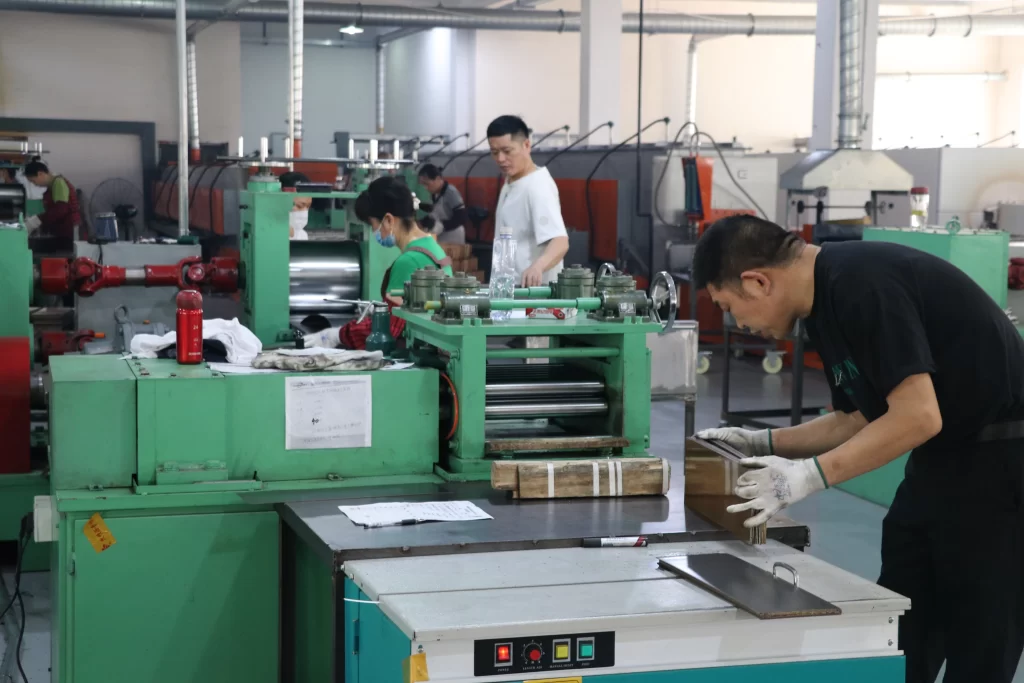
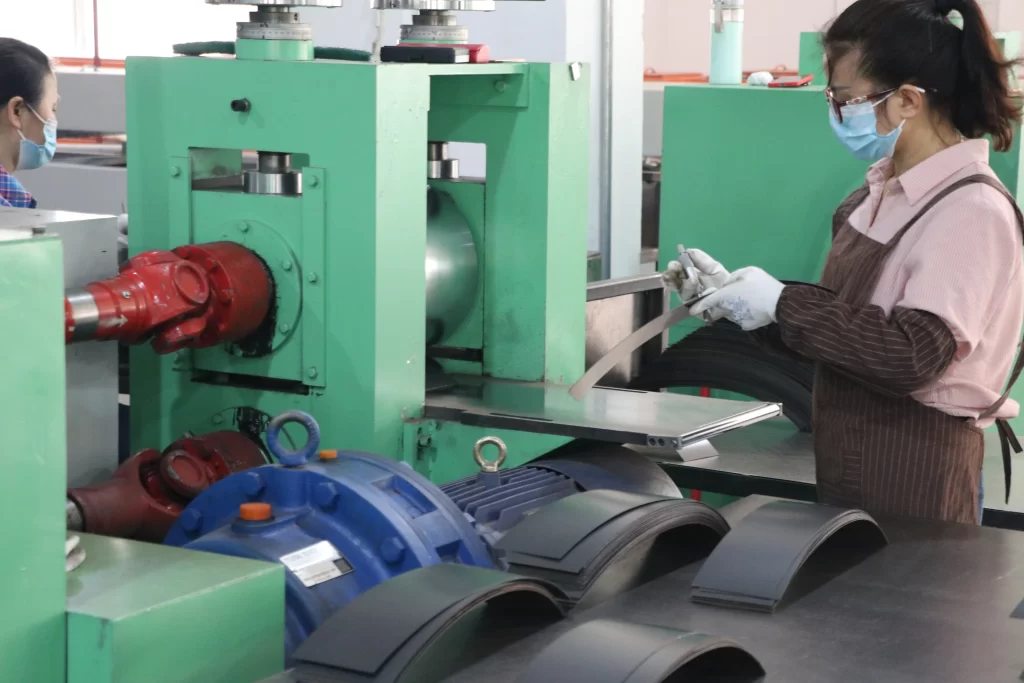
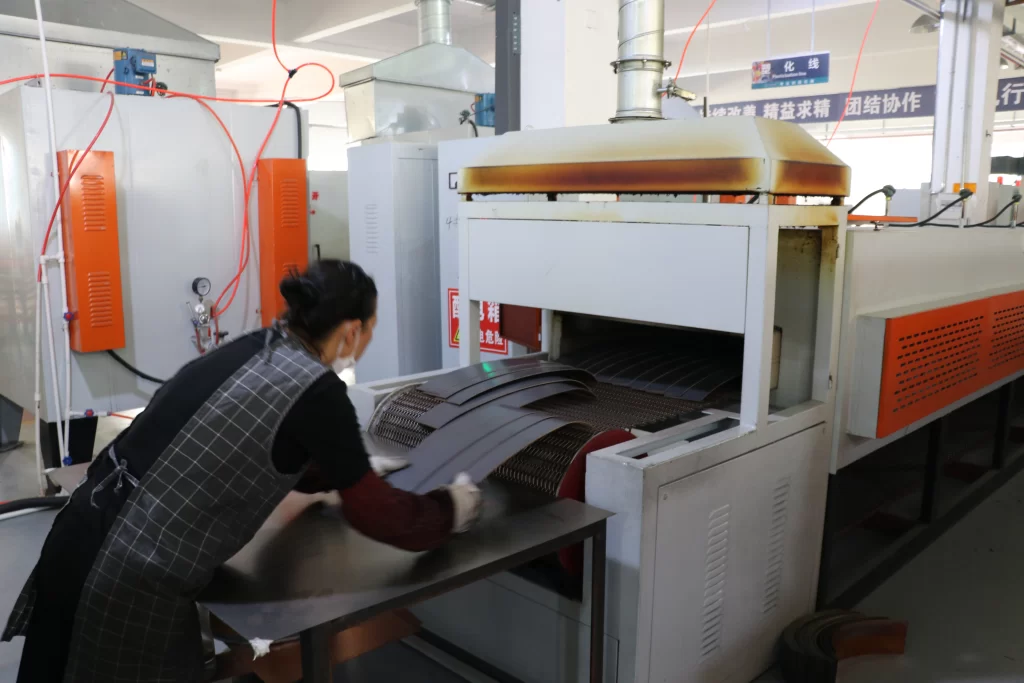
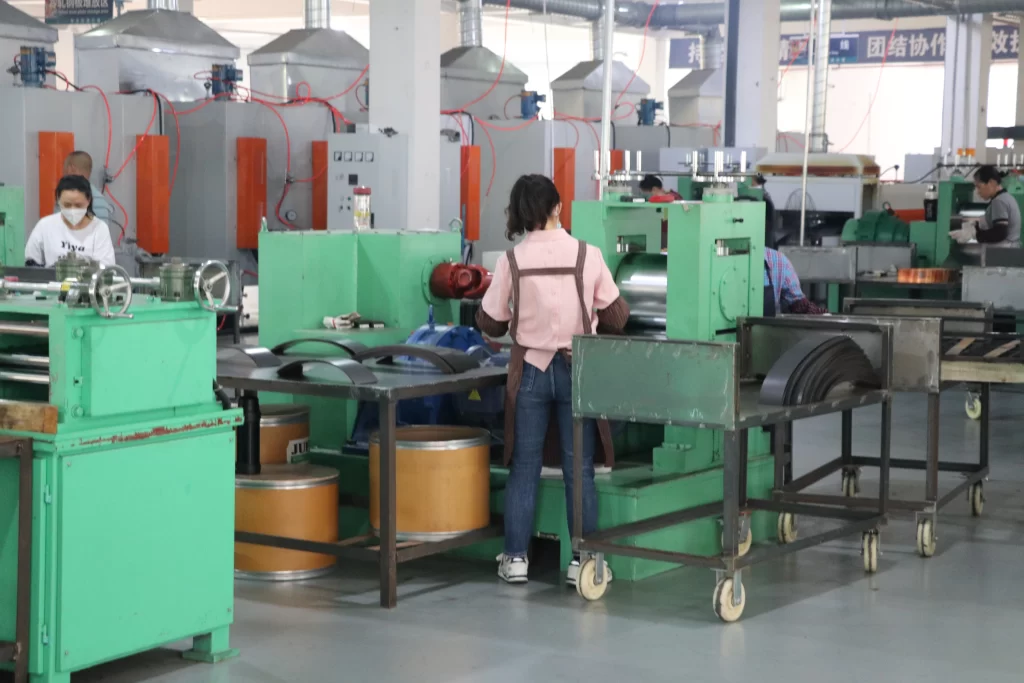
After twenty years in the bushing manufacturing industry, MYWAY has developed capabilities that set us apart from ordinary suppliers. Here’s what makes our steel backed bushings the preferred choice for engineers worldwide.
Comprehensive Product Range
We manufacture bushings in every major category:
DU/SF-1 Series: Standard steel-backed PTFE composite bushings for general industrial use
DU/SF-1S Series: Stainless steel-backed PTFE bushings for corrosive environments
DU/SF-1B Series: Bronze-matrix self-lubricating bushings for heavy loads
Seamless Steel Bushings: Precision-machined for maximum strength
Custom Designs: Any size, any material, any configuration
Quality Certifications You Can Count On
When you specify MYWAY bushings, you’re getting components manufactured under the strictest quality systems:
ISO 9001: Comprehensive quality management
IATF 16949: Automotive industry standards
ASME compliance: Pressure vessel and piping applications
API 6A: Oil and gas equipment certification
RoHS compliance: Environmental safety assured
Engineering Support That Makes a Difference
Our team doesn’t just take orders—we solve problems. Every MYWAY customer benefits from:
Application engineering assistance
Material selection guidance
Custom design development
Performance testing and validation
Troubleshooting support
Reliability You Can Depend On
We understand that a perfect bushing is useless if it arrives damaged or late. That’s why MYWAY provides:
Fast delivery: 7 days or less for standard orders
Secure packaging: Multiple layers of protection for international shipping
100% inspection: Every bushing meets our strict quality standards
Traceability: Complete documentation available
Frequently Asked Questions About Steel Backed Bushings
Q1: What’s the difference between a bushing and a bearing?
Technically, a bushing is a type of bearing—specifically, a plain bearing or sleeve bearing that supports relative motion by sliding rather than rolling. While rolling element bearings use balls or rollers, bushings use a sliding surface. The term “bushing” typically refers to a single-piece cylindrical component, while “bearing” can refer to any device that reduces friction between moving parts.
Q2: Can steel backed bushings really operate without lubrication?
Yes! Self-lubricating steel backed bushings with PTFE-based sliding layers are specifically designed for maintenance-free, dry operation. The PTFE contains built-in lubricants that continuously transfer to the mating shaft, creating a low-friction interface. These bushings can operate indefinitely without any external grease or oil.
Q3: How do I know when a bushing needs replacement?
Common signs of bushing wear include:
Unusual noises (clunking, squeaking, or knocking)
Increased vibration or play in the mechanism
Visible wear or deformation upon inspection
Reduced performance or efficiency
Lubricant leakage (for lubricated types)
For critical applications, regular inspection intervals should be established based on operating hours and conditions.
Q4: What’s the maximum temperature for PTFE bushings?
Standard PTFE composite bushings (SF-1 type) typically operate from -195°C to +280°C. For higher temperatures up to 400°C, graphite-plugged bronze bushings are recommended. Stainless steel backed versions maintain the same temperature range as their carbon steel counterparts.
Q5: Are stainless steel bushings worth the extra cost?
When your application involves corrosion risk, absolutely. Stainless steel backed bushings (SF-1S series) provide exceptional value by:
Eliminating corrosion-related failures
Extending service life in harsh environments
Preventing product contamination
Reducing maintenance requirements
Avoiding costly emergency replacements
For marine, chemical, food processing, or outdoor applications, the incremental cost of stainless steel is quickly recovered through extended reliability.
Q6: Can you manufacture custom-sized bushings?
Yes—and we welcome the challenge. MYWAY specializes in custom bushing solutions. Whether you need:
Non-standard dimensions
Special materials or coatings
Unique features (flanges, grooves, holes)
Modified performance characteristics
Our engineering team will work with you to develop the perfect solution for your application.
Q7: How should steel backed bushings be installed?
Proper installation is critical for optimal performance:
Ensure housing bore is clean and within specified tolerance (typically H7)
Chamfer housing edges to prevent bushing damage during insertion
Use appropriate installation tooling (never hammer directly on the bushing)
Press or draw the bushing into place using steady, even force
Verify final position and check for proper shaft fit
For self-lubricating types, no break-in lubrication is required
Q8: What shaft hardness is required for PTFE composite bushings?
For standard PTFE composite bushings (SF-1 type), the recommended shaft hardness is >165 HB. This ensures that the shaft provides a suitable counter-surface for the bushing’s transfer film. Softer shafts may wear prematurely or fail to develop proper lubrication dynamics.
8. Conclusion: Partner with MYWAY for Bushing Excellence
Steel backed bushings represent one of mechanical engineering’s most elegant solutions: a simple component that delivers extraordinary performance through sophisticated material science. From the self-lubricating PTFE bushings that eliminate maintenance in automotive suspensions to the corrosion-fighting stainless steel designs that tame marine environments, these versatile components keep the world moving.
At MYWAY, we’ve spent two decades perfecting the art and science of bushing manufacturing. Our ISO-certified facilities, experienced engineering team, and commitment to quality ensure that every bushing bearing we deliver meets the highest standards of performance and reliability.
Whether you need standard sleeve bushings, custom flanged bearings, or specialized thrust washers, MYWAY has the expertise and capacity to deliver exactly what you need—on time, every time.
Ready to Experience the MYWAY Difference?
Don’t let bearing problems slow your operations down. Contact our engineering team today to discuss your application requirements. We’ll help you select the perfect bushing solution and provide a competitive quote with short lead times.
100000+ Types of Bushings – Contact Us for Details