Interpretation of Bushing Knowledge

Bearing Bush Guide to Types Materials Applications and SelectionApplications and Selection
Interpretation of Bushing Knowledge

Bearing Bush Guide to Types Materials Applications and Selection

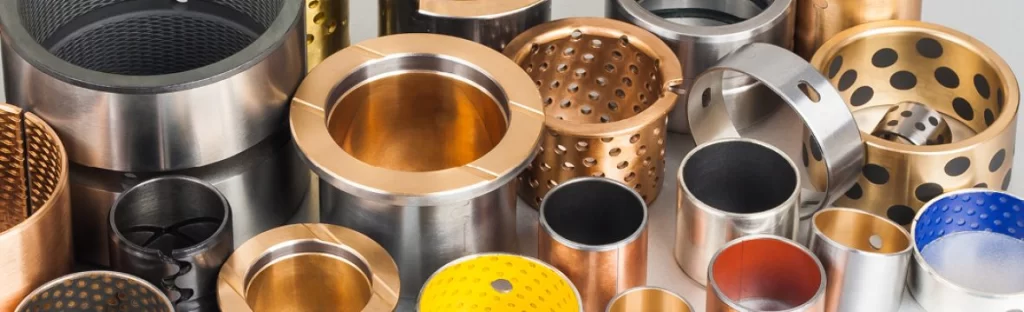
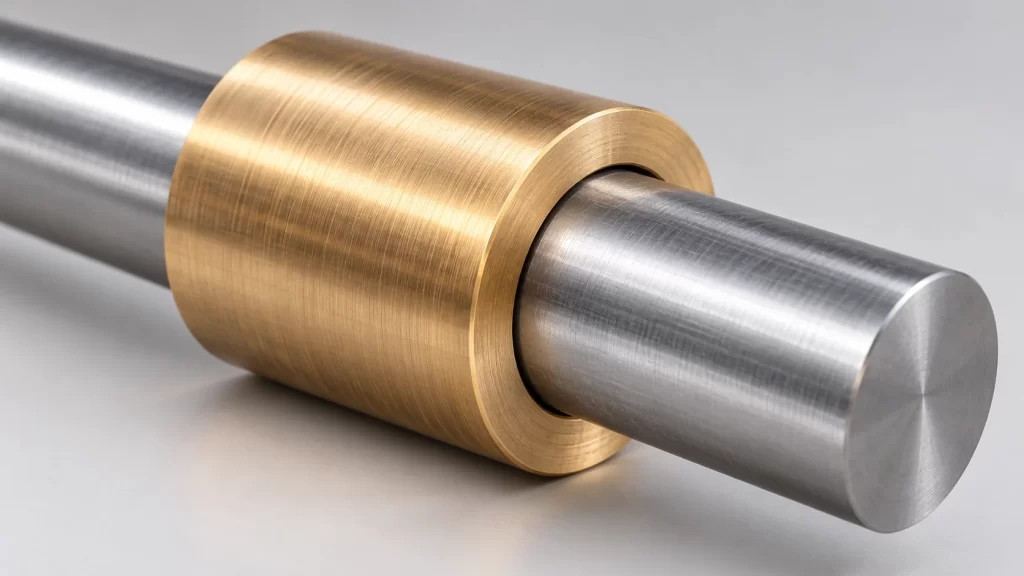
A bearing bush is a plain bearing that supports a moving shaft or pin on a sliding surface. The right bush has to fit the housing, provide the required running clearance and work with the lubrication available in the machine. Size is the starting point. Material and operating conditions decide whether that size will work.
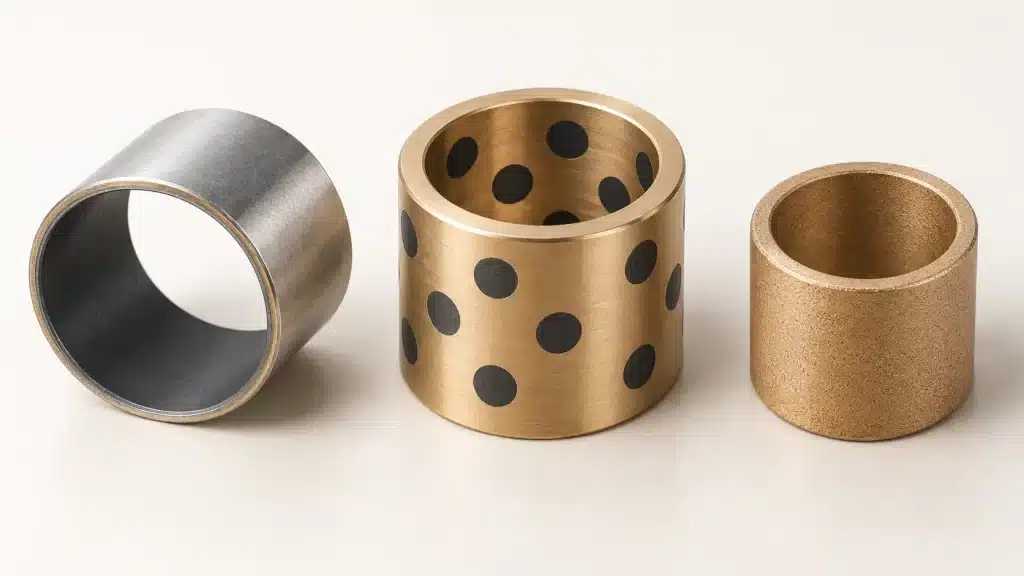
For a buyer, the difficulty is that several very different products can look like the same short metal tube. A solid bronze sleeve, an oil-impregnated bush and a graphite-plugged bush may share the same nominal dimensions. They do not necessarily share the same installation procedure, maintenance needs or working limits.
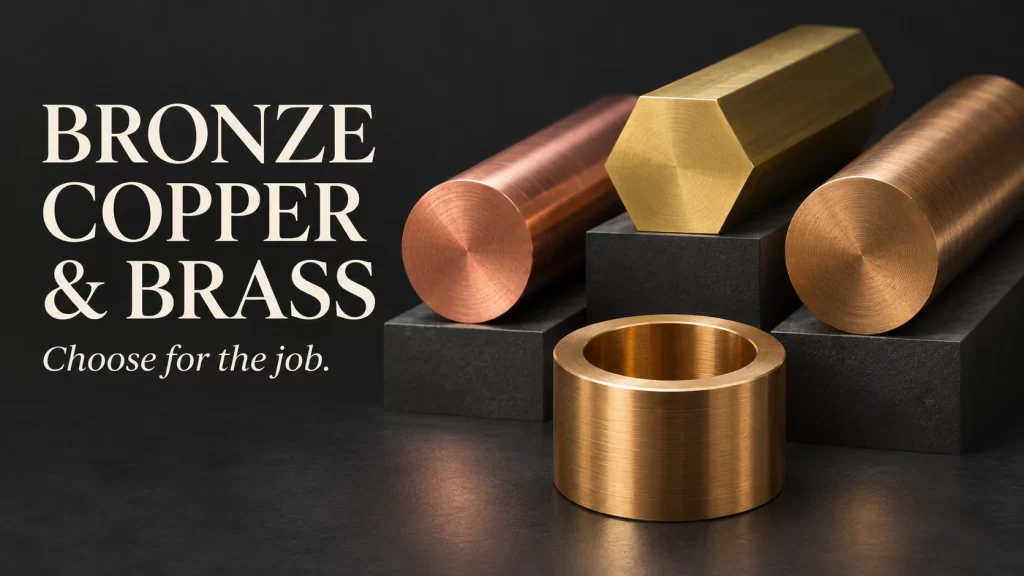
Bronze Copper and Brass Compared for Industrial Parts and Bushings
Interpretation of Bushing Knowledge

Bronze Copper and Brass Compared for Industrial Parts and Bushings

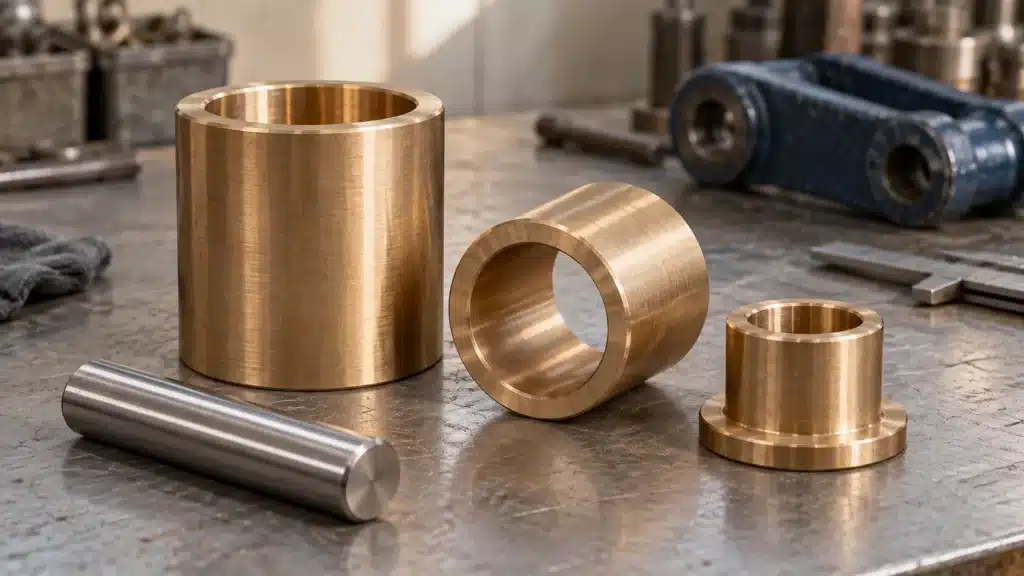
An old drawing says “copper bush.” The part in your hand looks yellow. A supplier offers bronze, while another quotes brass. Before comparing the prices, you have a more basic problem to sort out: are these offers even for the same material?
A search for bronze, copper and brass will turn up plenty of color charts. They help with the names, but they won’t settle that drawing. For that, you need to know the alloy and what the part is expected to do. An electrical bar and a bearing sleeve may both contain mostly copper, without having much else in common as engineering choices.
Here we will work through the questions behind the comparison, from color and conductivity to machining and bushing selection. The aim is to help you ask for a part that fits the job, with enough detail for a supplier to quote it properly.

Applications of Bronze From Marine Hardware to Machine Bushings
Interpretation of Bushing Knowledge

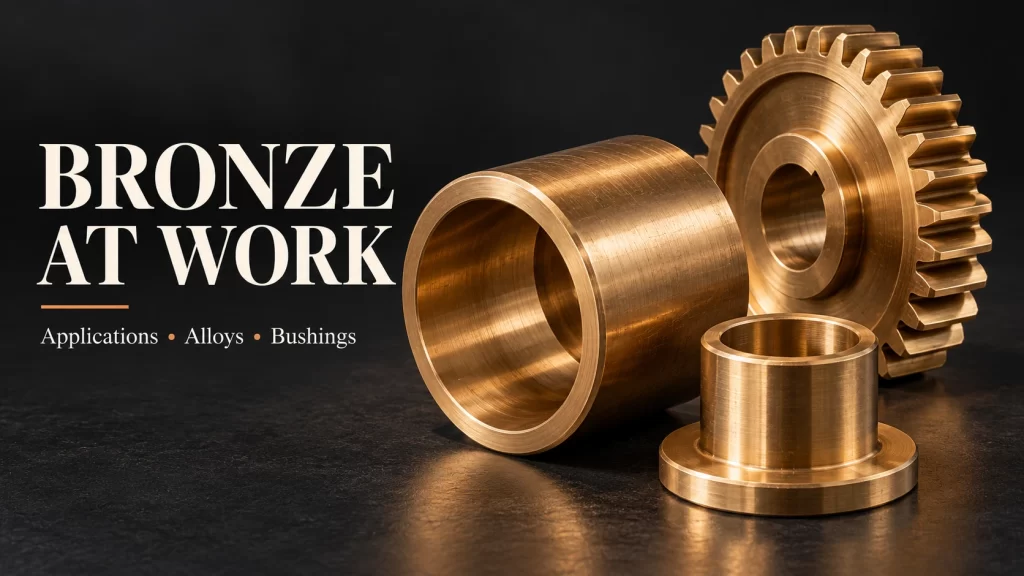
Applications of Bronze From Marine Hardware to Machine Bushings

A boat propeller and a small electrical contact might not seem to have much in common. Neither looks much like a bronze statue. Yet bronze alloys have a place in all three, as they do in gears, cymbals and the plain bearings hidden inside machinery. The word covers rather more than that familiar brown metal finish suggests.
The confusion starts when that broad list becomes a purchasing specification. “Bronze sleeve, same as the old one” sounds clear enough until someone asks which bronze, what bore tolerance, or why the old sleeve wore out. Those are reasonable questions, and they rarely get answered by a catalog photograph.
For a buyer, it helps to separate two things: the jobs bronze is commonly used for, and the information needed to order a particular component. We’ll look at both here. Bushings deserve some extra attention because a small, apparently simple part can raise quite a few questions once you get beyond its outside dimensions.

How to Choose the Best Self-Lubricating Bushing Material: The Ultimate Guide for Engineers
Interpretation of Bushing Knowledge

Steel Backed Bushings for Reliable Motion and Easier Maintenance

A steel-backed bushing can be a good choice for a joint that’s awkward to grease, but the words ‘steel backed’ don’t tell you whether it can run dry. You need to know what’s on the inside. PTFE composites, POM linings, and bronze bearing layers serve different purposes. This guide looks at those differences through the questions buyers actually need answered: Will the material suit the movement? What does the shaft need? How should the sleeve be fitted? It also explains what to send MYWAY when requesting a material recommendation and price, so a drawing turns into a workable specification rather than another round of emails.

Brass vs Bronze Strength and Bushing Selection
Interpretation of Bushing Knowledge

Brass vs Bronze Strength and Bushing Selection

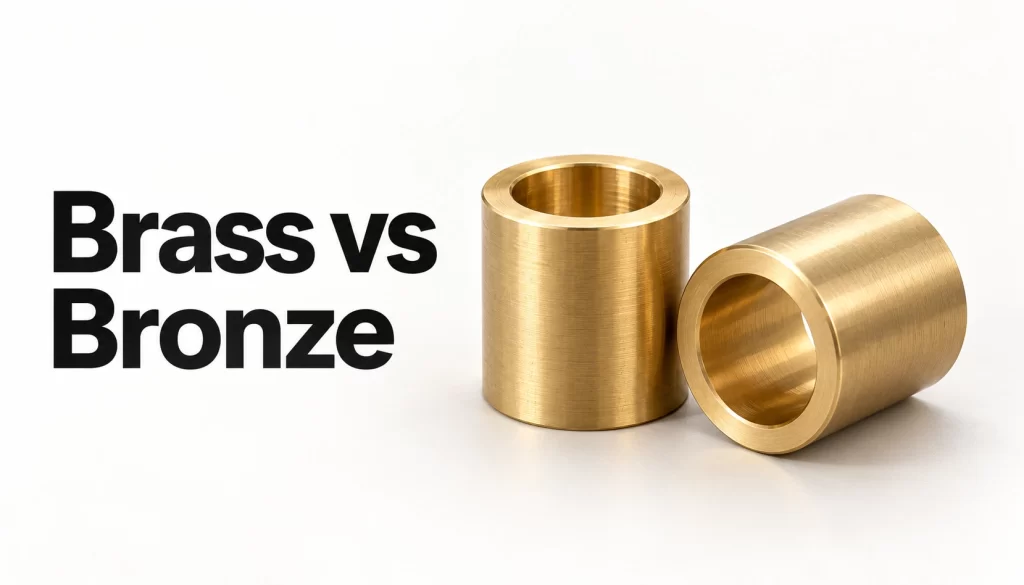
Brass and bronze are both copper alloys, but they behave very differently when you put them under load, heat, and friction. This guide cuts through the noise: we compare brass vs bronze strength in real bushing conditions, break down where each material wins (and where it quietly fails), and show you how MYWAY sizes the right alloy to your application—so you stop replacing bushings every few months and start getting predictable service life. If you specify, buy, or maintain bronze bushings, brass bushings, or copper alloy sleeve bearings for construction, agriculture, marine, or industrial machinery, this is written for you.

Wrapped vs Solid Bronze Bushings: Look Beyond the Wall Thickness
Interpretation of Bushing Knowledge

Wrapped vs Solid Bronze Bushings: Look Beyond the Wall Thickness

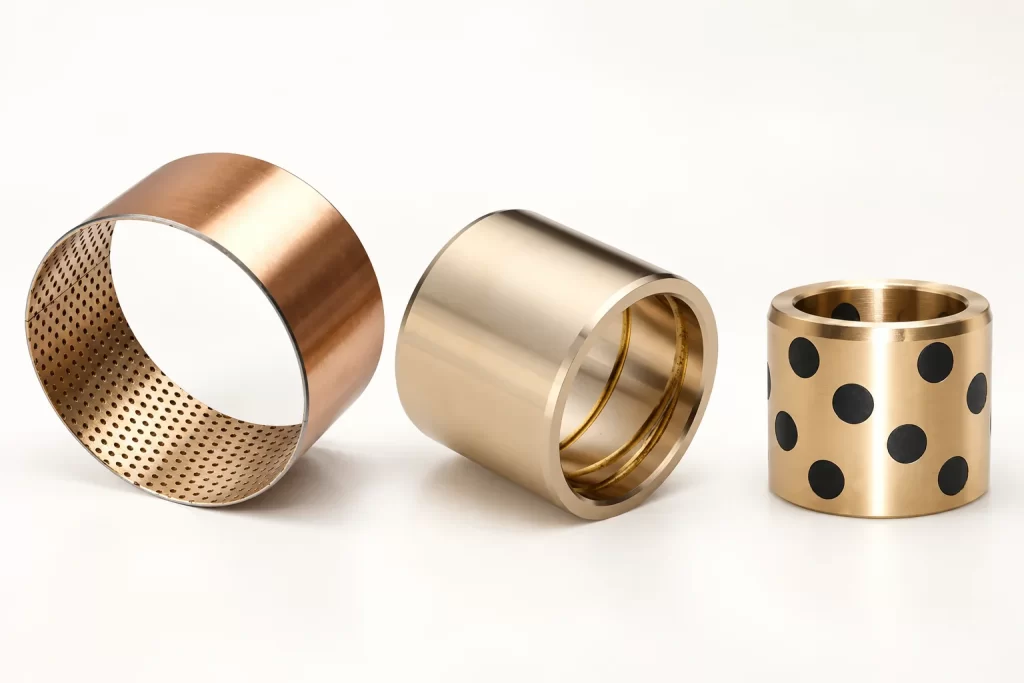
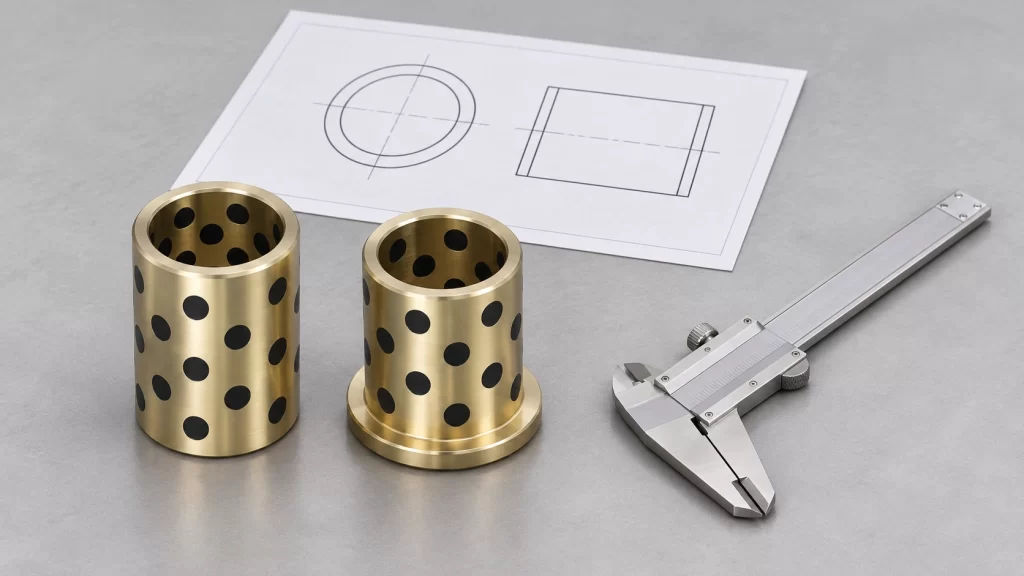
A drawing marked ‘bronze bush’ can leave a surprisingly large question unanswered: how is the sleeve made? Rolling a strip and machining a blank are different routes to the same basic shape. Oil grooves, pockets and graphite inserts add another set of choices.
Keep those decisions separate. ‘Wrapped’ describes the body; ‘self-lubricating’ describes a lubrication system. Confusing the two can send a perfectly reasonable enquiry to the wrong product range.

Flanged vs. Straight Bushings: Look at the Side of the Joint
Interpretation of Bushing Knowledge

Flanged vs. Straight Bushings: Look at the Side of the Joint

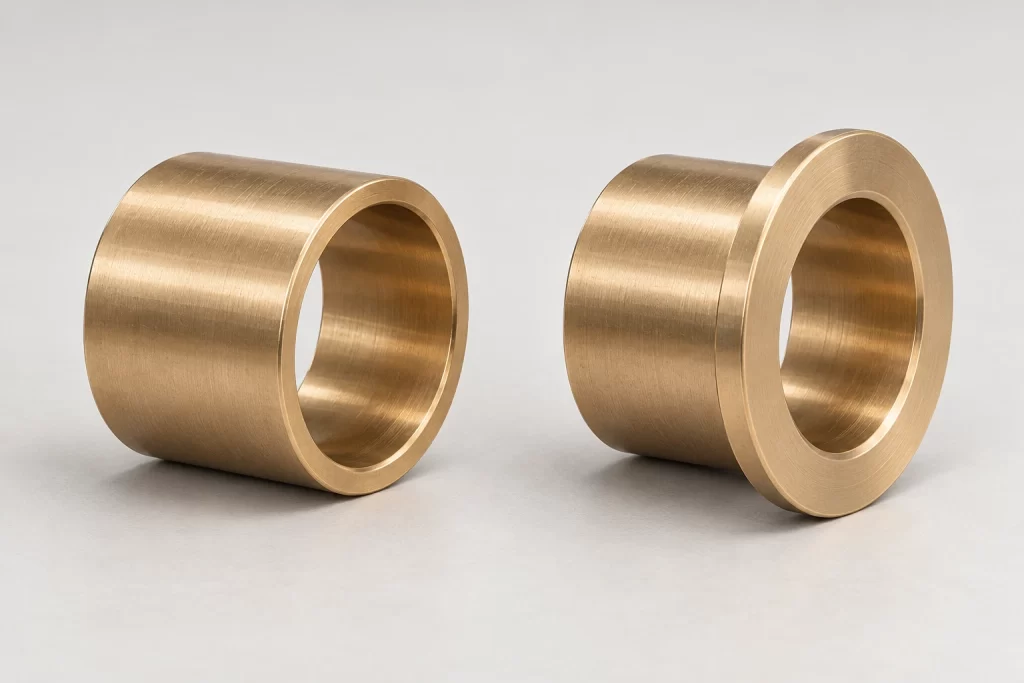
The bore is usually where a bushing enquiry starts. The enquiry might give you an ID, an OD and a length, with nothing showing either end of the housing. Enough to find a sleeve of the right size, perhaps. I’d still be reluctant to choose between a plain sleeve and a flanged one from that information.
Perhaps nothing is touching there. Perhaps the side of a moving arm is rubbing on a bracket. Or perhaps a washer already takes care of that contact. I would want to see that detail before recommending either shape.
For this comparison, let’s keep the whole joint in view.

How Bushing Clearance Affects Suspension Movement
Interpretation of Bushing Knowledge

How Bushing Clearance Affects Suspension Movement

Suppose the shaft fits before pressing and drags afterward. Rechecking the loose-part inspection report won’t explain much. Pressing has changed the condition of the part you are trying to measure.
That small workshop puzzle gets to the heart of bushing clearance. The outside of a sliding bush must stay secure in its housing, while the shaft still needs room to move inside. Both fits belong to the same assembly. Changing one can change the other.

When Should You Choose a Bronze Bushing
Interpretation of Bushing Knowledge

When Should You Choose a Bronze Bushing

I’ve been in this industry for over two decades, and I still see engineers overcomplicate this. A bronze bushing is a fairly simple part. Choosing one gets more difficult when the catalog has to stand in for a proper description of the machine. ‘Heavy load’ might mean a steady load all afternoon, or a sharp impact every few seconds. Those aren’t the same enquiry.

Take lubrication. A grease fitting on the drawing looks straightforward. Put the joint behind a guard, then put another assembly in front of the guard, and servicing it becomes a different job. Or take the load: the figure during steady running may tell you very little about the impact when the machine jams.

Here are eight reasons to put bronze on the shortlist, with a few details to settle before ordering.

What “Self-Lubricating” Actually Means (And Why Half the Industry Uses the Term Wrong)
Interpretation of Bushing Knowledge

What “Self-Lubricating” Actually Means (And Why Half the Industry Uses the Term Wrong)

Let me be blunt: “self-lubricating” is one of those phrases that sounds great in a brochure and causes headaches on the factory floor. It does not mean the bushing never wears. It does not mean you can ignore load, speed, or shaft finish. What it really means is that the lubricant is already inside the material — PTFE, graphite, oil trapped in pores — and it gets released while the thing runs. This article breaks down what that looks like in real life, where self-lubricating bushings win, where they fail, and how MYWAY’s eight core bushing lines solve specific problems. If you spec bushings for a living, this is the no-BS version.

Scroll to Top