
Recent Posts
Why the Right Bushing Makes or Breaks Your Worm Wheel Application
If you’ve spent any time around power transmission systems, you already know the worm gear set is a marvel of mechanical engineering. It delivers high torque reduction in a compact package, operates at right angles, and often provides that built-in self-locking feature that engineers love.
But here’s the thing no one talks about enough.
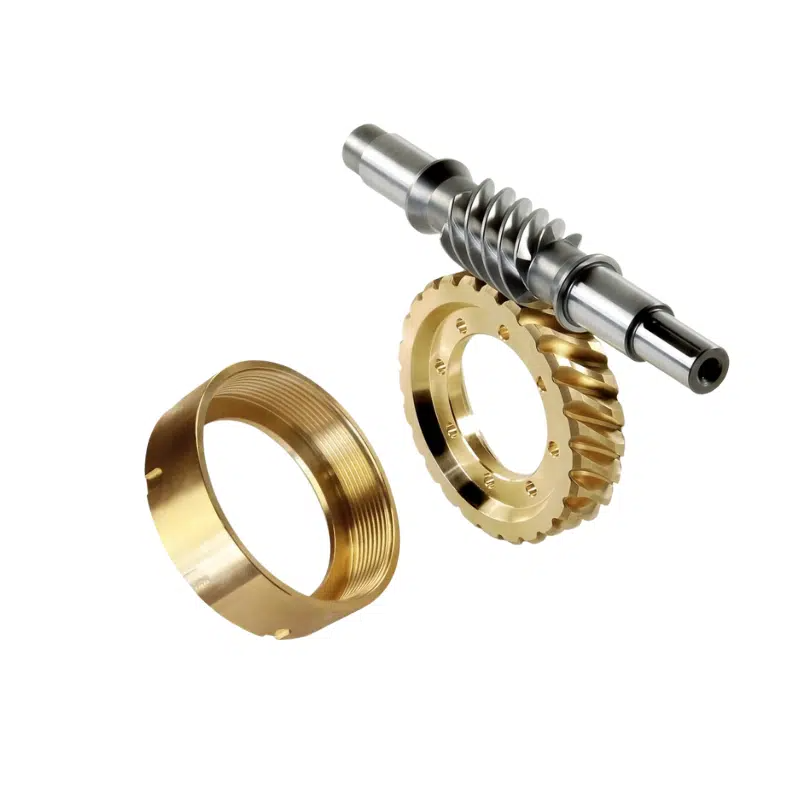
That bronze worm wheel spinning against a hardened steel worm? It’s under constant sliding contact, generating friction, heat, and inevitable wear. And while everyone focuses on the gear materials—CuAl11Ni, phosphor bronze, ZQSn6-6-3—the real unsung hero in this assembly is often the bushing supporting the worm shaft or the worm wheel itself.
Let’s talk about bushings for worm wheel applications. Not as an afterthought. As the critical component they actually are.
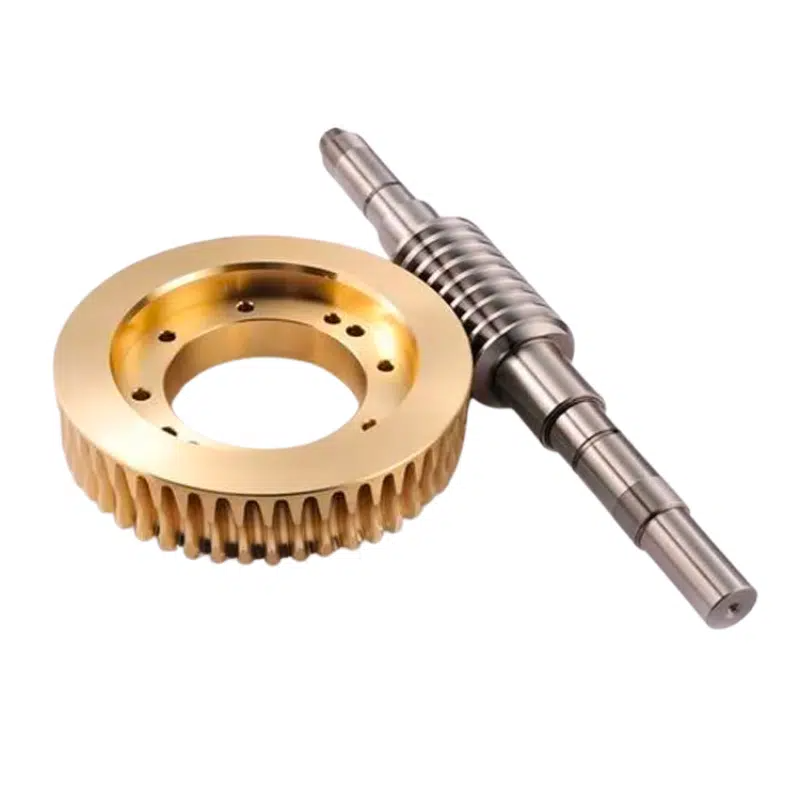
Table of Contents
1. Why Worm Wheel Applications Demand More From Bushings
Before we dive into bushing materials and designs, we need to understand what’s happening inside that gearbox.
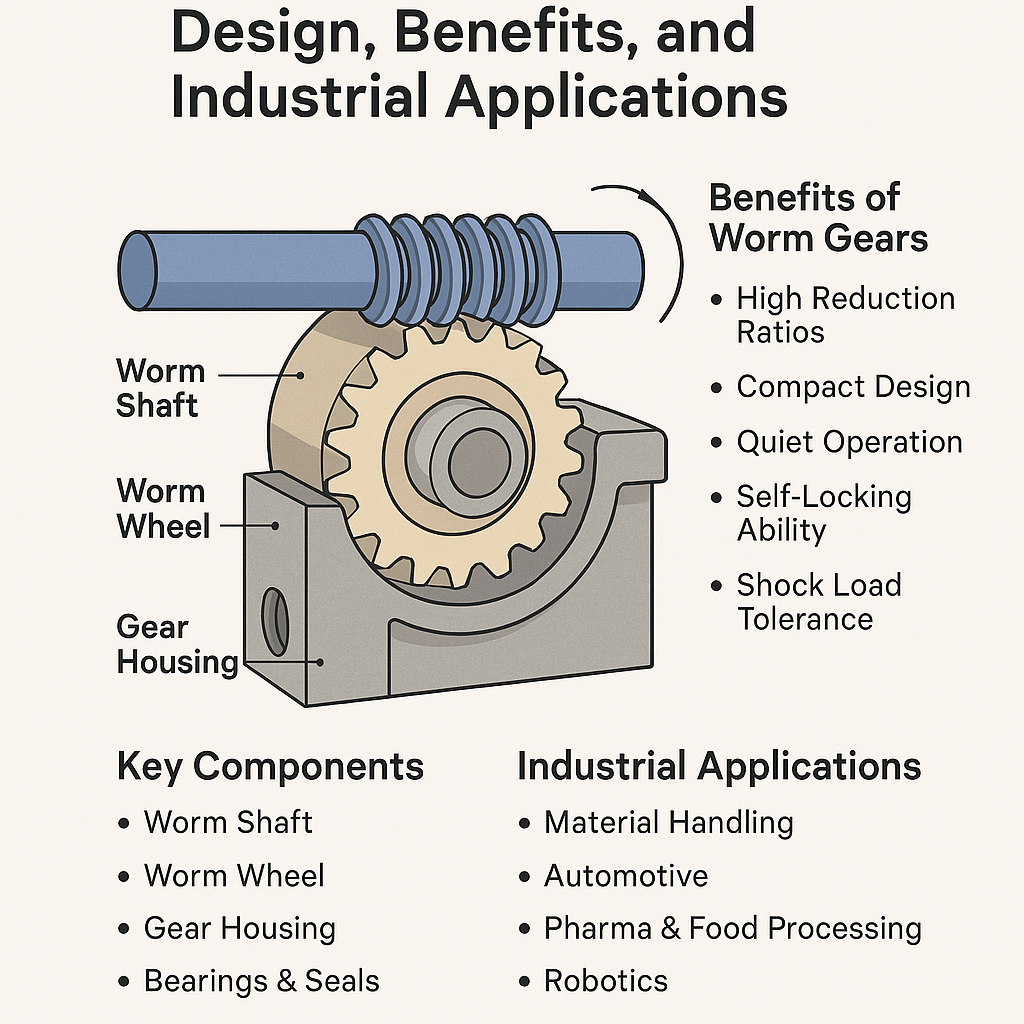
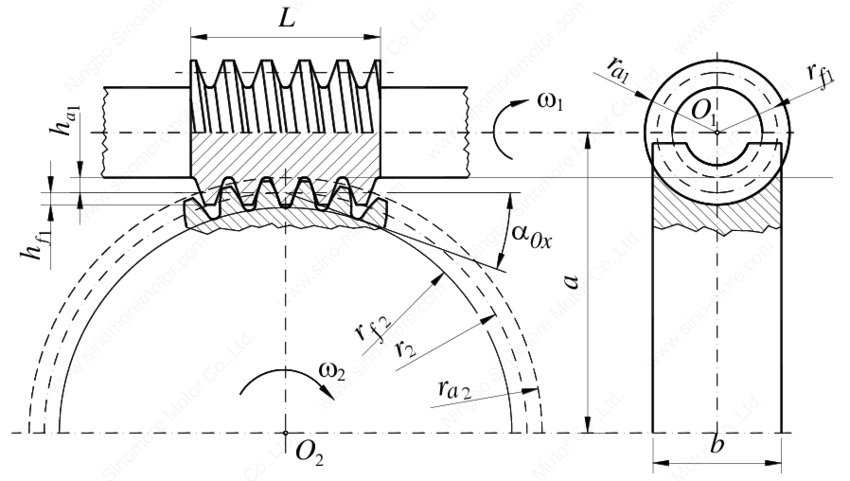
A worm drive isn’t like a simple spur gear set. The sliding action between the worm threads and the wheel teeth creates significant friction . That friction generates heat. That heat breaks down lubricant. And without proper support from quality bushings, you get shaft deflection, misalignment, and eventually, tooth damage.
I’ve seen it happen more times than I care to count.
The feedrod wears the housing out of round. The worm starts to partially disengage. And suddenly you’re looking at damaged gears and unplanned downtime .
The bushing isn’t just a “hole liner.” It’s responsible for:
Maintaining precise shaft alignment under load
Absorbing radial and thrust loads
Managing heat dissipation
Providing a sacrificial wear surface that protects more expensive components
When you get it right, the system runs smoothly for years. When you get it wrong? Well, you already know how that story ends.
2. The Material Science Behind Worm Wheel Bushings
Let’s get into the weeds a bit. Because material selection isn’t just about picking something “strong enough.” It’s about matching properties to application demands.
Bronze Alloys: The Usual Suspects
SAE 660 (C93200) Bronze
This is the workhorse. Centrifugally cast, it offers good machinability and decent wear properties. For general industrial applications with moderate loads and speeds, it gets the job done . One machinist forum contributor noted that 660 bearing bronze would “outlast you” in many applications .
But here’s the catch. In high-load worm gear applications, you might find yourself wishing for something with more staying power.
Aluminum Bronze (C95400, CuAl11Ni)
This is where things get interesting. Aluminum bronze offers significantly higher strength and hardness compared to standard tin bronzes. The material forms a tough, adherent oxide layer that provides excellent corrosion resistance and wear characteristics .
Is it harder to machine? Absolutely. One experienced machinist warned that aluminum bronze is “a bear to finish” . But for applications where you need the bushing to still be round a decade from now? It’s worth the extra effort.
The nickel aluminum bronzes like CuAl11Ni take this even further, offering exceptional fatigue strength and the ability to handle those high-torque, low-speed conditions that eat lesser materials alive.
Oil-Impregnated Bronze (Oilite)
For applications where maintenance access is limited, sintered bronze bushings impregnated with oil provide self-lubricating properties. They release oil during operation and reabsorb it during rest .
The trade-off? They’re more brittle. One shop floor veteran noted that sintered Oilite can “explode” under shock loads that cast bronze would handle just fine . Choose wisely based on your actual operating conditions.
Leaded Tin Bronze (C93600)
Sometimes you need better machinability without sacrificing too much wear resistance. C936 offers improved machining characteristics compared to standard 660, making it attractive for complex bushing geometries .
When Steel and Cast Iron Make Sense
Bronze isn’t always the answer. In some applications, particularly those with good lubrication and moderate loads, cast iron bushings offer excellent wear characteristics and lower cost. The graphite content in cast iron provides natural lubricity.
But for worm wheel applications specifically? Bronze usually wins. The compatibility with hardened steel worms, the embeddability characteristics, and the corrosion resistance are hard to beat.
3. Real-World Bushing Applications in Worm Drives
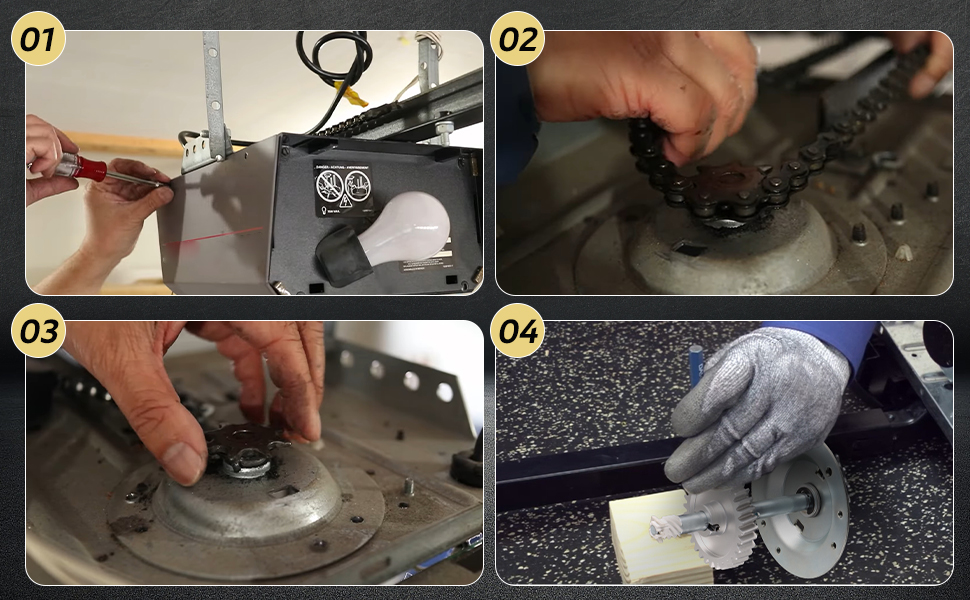
Let’s look at how bushings actually function in worm gear systems.
Cantilevered Worm Support
Modern steer-by-wire systems present an interesting challenge. The worm shaft is often cantilevered, supported by bearings at one end but free at the other . This design saves space and reduces part count.
But deflection becomes a real concern.
In these applications, the bushing at the free end isn’t just a bearing surface. It’s a limiter. Engineers design controlled clearances so the bushing contacts the shaft only during extreme deflection, preventing catastrophic failure .
The friction characteristics matter here too. While most power steering applications want low-friction bushings for efficiency, some systems actually benefit from higher-friction bushings that provide inherent braking torque .
Worm Gear Reducer Support
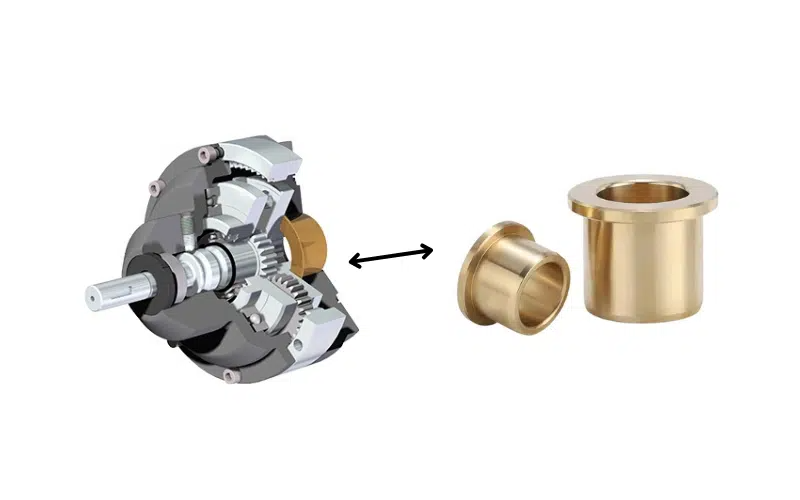
In industrial speed reducers, the input and output shafts typically ride on tapered roller bearings or ball bearings . But bushings still play critical roles in accessory mounting, motor adapters, and shaft-mounted configurations.
The QD bushing system, for example, provides easy installation and removal while accommodating various bore sizes . That’s the kind of practical consideration that keeps maintenance teams happy.
Feedrod Worm Supports
Back to that lathe apron example . The worm driving the power feed needs precise support. When the original housing wears out of round, boring and bushing becomes the practical repair. The bushing material choice directly impacts how long that repair lasts.
Aluminum bronze for longevity. SAE 660 for good all-around performance. Oilite if lubrication is questionable. The application drives the decision.
4. Lubrication: The Other Half of the Equation
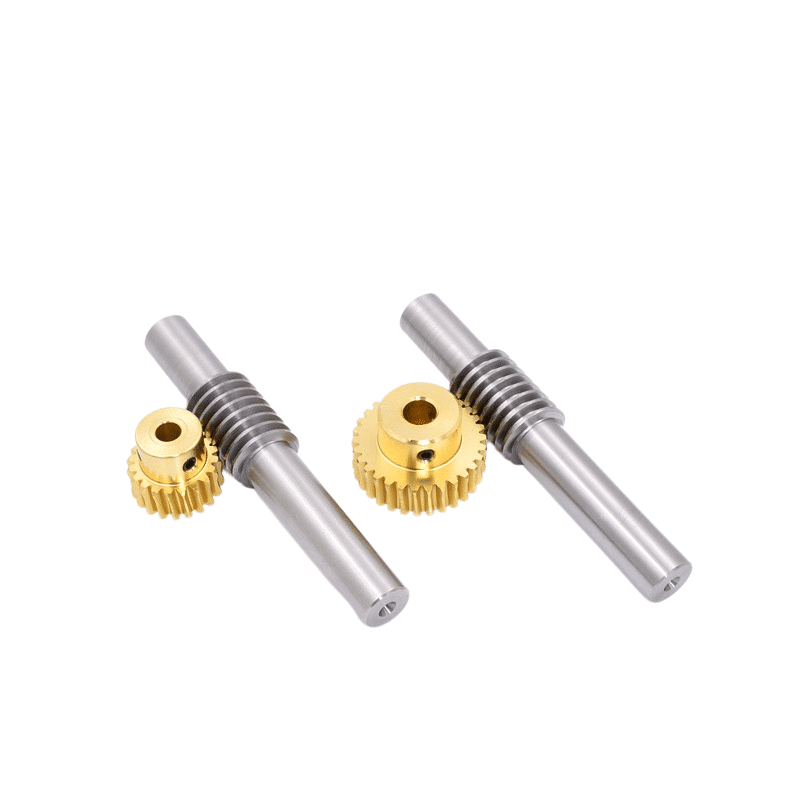
Here’s a truth that’s easy to forget. The best bushing material in the world won’t save you from poor lubrication.
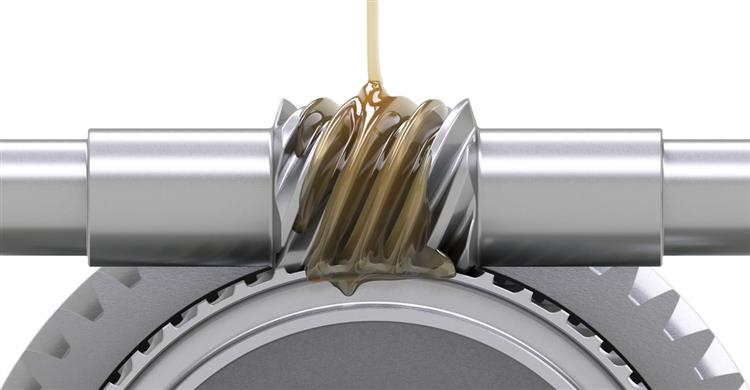
Worm gear tribology is complex. The sliding motion creates unique demands on the lubricant film . Additives matter. Viscosity matters. Contamination control matters.
For bushings specifically, you need to consider:
Grease vs. Oil
Many worm gear reducers use oil baths or splash lubrication. The bushings in these systems rely on that oil supply. In linear actuators and other applications, grease fittings provide periodic lubrication .
Frequency and Quantity
How often should you lubricate? It depends on duty cycle. As a rule of thumb, one pump of grease per 1000 pounds of actuator capacity, every 50 operating hours, provides a starting point . Adjust based on your actual conditions.
Compatibility
Some greases containing molybdenum disulfide should be avoided in certain applications . Check manufacturer recommendations before mixing lubricant types.
5. Signs Your Worm Wheel Bushings Need Attention
How do you know when bushings are failing? The symptoms are usually obvious if you know what to look for.
Noise
Increased operating noise, particularly a rhythmic clicking or grinding, often indicates excessive clearance allowing gear tooth interference.
Heat
Infrared thermography showing localized hot spots near bearing points suggests friction is exceeding design limits.
Vibration
New vibrations, especially at consistent frequencies, may indicate shaft support issues.
Visible Wear
During maintenance, visible scoring, galling, or dimensional changes in bushings signal impending failure.
Position Error
In precision applications, increasing positioning errors or backlash can indicate bushing wear allowing shaft movement.
6. Design Considerations for Worm Wheel Bushings
If you’re designing a new system or retrofitting an existing one, here’s what matters.
Clearance
Too tight, and you risk seizure as thermal expansion closes the gap. Too loose, and you lose precision and invite vibration. The right clearance depends on materials, operating temperature, and load.
General rule of thumb? 0.001 to 0.002 inches per inch of shaft diameter for bronze-on-steel applications. But verify against actual operating conditions.
Length-to-Diameter Ratio
Longer bushings provide more load capacity but can create alignment challenges if the housing isn’t perfectly straight. Shorter bushings tolerate misalignment better but carry less load.
For worm shaft applications, L/D ratios between 1:1 and 2:1 are common. Outside that range, consider whether your application might benefit from different support configurations.
Lubrication Features
Grooves matter. Spiral grooves promote oil distribution. Axial grooves provide emergency lubrication paths. End feed arrangements ensure lubricant reaches the loaded zone .
If your bushing doesn’t have intentional lubrication features, you’re relying on splash or mist lubrication to do all the work. Sometimes that’s enough. Often, it’s not.
Housing Fit
An interference fit in the housing ensures the bushing doesn’t spin. But too much interference distorts the bushing bore, creating high spots and premature wear.
For thin-wall bushings, consider the installed bore rather than the free-state bore. The difference matters.
7. The MYWAY Advantage in Worm Wheel Bushing Applications
Here’s where we get to the part that actually matters for your next project.
MYWAY has been engineering bushing solutions for worm gear applications longer than most of us have been in this industry. And we’ve learned a few things along the way.
Material Expertise
We don’t just stock standard bronze alloys and hope for the best. We understand the nuances between CuAl11Ni for high-load applications, phosphor bronze for corrosion resistance, and leaded bronzes for machinability. When you tell us your operating conditions, we recommend the material that actually fits .
Precision Manufacturing
Worm gear applications demand accuracy. A few thousandths of misalignment creates noise, wear, and efficiency loss. Our CNC turning and grinding capabilities ensure consistent dimensions that keep your shafts exactly where they need to be.
Custom Configurations
Off-the-shelf bushings rarely fit perfectly. We provide custom ODM solutions tailored to your specific dimensions, whether that means flanged bushings for thrust loads, grooved designs for optimized lubrication, or split configurations for easy maintenance .
Self-Lubricating Options
For applications where maintenance access is limited or continuous lubrication isn’t practical, our graphite-plugged and oil-impregnated designs provide long-term reliability without constant attention.
Application Support
The best bushing in the world fails if it’s the wrong choice for your application. Our engineers work with you to understand your loads, speeds, temperatures, and maintenance intervals before we ever quote a part.
FAQ: Worm Wheel Bushings
Q: Can I use a standard bearing instead of a bushing in my worm gear application?
A: Sometimes. Rolling element bearings offer lower friction but require more precise housing alignment and tolerate shock loads differently. Bushings provide better damping, lower cost, and more forgiving installation. The right choice depends on your specific application .
Q: How do I know if I need aluminum bronze versus standard bronze?
A: Look at your load and duty cycle. If you’re seeing premature wear, if your application runs continuously, or if you need maximum longevity with minimal maintenance, aluminum bronze justifies its higher cost. For intermittent duty with good lubrication, standard bronze often suffices .
Q: What’s the best way to install a replacement bushing in a worn housing?
A: Clean the housing thoroughly, check for out-of-round conditions, and ensure proper interference fit. If the housing itself is worn, consider machining it oversize and using a custom OD bushing rather than forcing a standard part into a compromised bore.
Q: How often should I replace worm gear bushings?
A: It depends on operating conditions, but inspect at every major maintenance interval. Measure clearance and look for scoring or galling. If clearance exceeds design specifications by more than 50%, replacement is cheap insurance against gear damage.
Q: Can graphite-plugged bushings replace greased bushings?
A: In many applications, yes. Graphite provides solid lubrication that works even when oil films break down. But graphite plugs don’t replace the cooling function of circulating oil. Consider your thermal load before making the switch.
Making the Right Choice for Your Application
Here’s the bottom line.
Your worm gear set represents a significant investment. The engineering that goes into tooth profiles, materials, and heat treatment deserves support components that match that quality.
The bushing supporting your worm shaft or worm wheel isn’t an afterthought. It’s the foundation that keeps everything aligned, lubricated, and functional.
Skimp here, and you risk the entire assembly.
Choose wisely, and you get years of reliable operation.
At MYWAY, we’ve been helping engineers make that choice for decades. We’ve seen what works and what doesn’t. And we’ve built our reputation on providing solutions that perform.
Whether you need standard sizes or custom configurations, whether your application demands aluminum bronze durability or self-lubricating convenience, we’ve got you covered.
Ready to spec the right bushings for your worm wheel application?
Contact MYWAY today. Tell us about your operating conditions, your dimensions, and your challenges. We’ll recommend the solution that keeps your equipment running longer and stronger.
100000+ Types of Bushings – Contact Us for Details