
Recent Posts
Beyond Corrosion: Stainless Steel Bushings and the Self-Lubricating Revolution
Introduction: The Unseen Hero in Harsh Environments
In the demanding world of industrial machinery, a single point of failure can lead to costly downtime, safety hazards, and compromised productivity. Components operating in wet, corrosive, or high-load environments face relentless challenges. Among these critical components, the humble bushing—a sleeve bearing that reduces friction, wear, and vibration between moving parts—plays a pivotal role. When standard steel bushings succumb to rust and wear in these harsh conditions, the entire system’s integrity is at risk. This is where stainless steel bushings transition from a simple component to an essential engineering solution, offering the durability and corrosion resistance needed for reliable performance.
However, not all stainless bushings are created equal. The real breakthrough lies in advanced self-lubricating composites. These innovations merge the inherent strength of stainless steel with integrated solid lubricants, creating a maintenance-free solution ideal for applications where traditional oil or grease lubrication is impossible, undesirable, or too costly to maintain. This article explores the critical role of stainless steel bushings, delves into the technology behind self-lubricating variants, and introduces how MYWAY is pioneering next-generation solutions for industries worldwide.
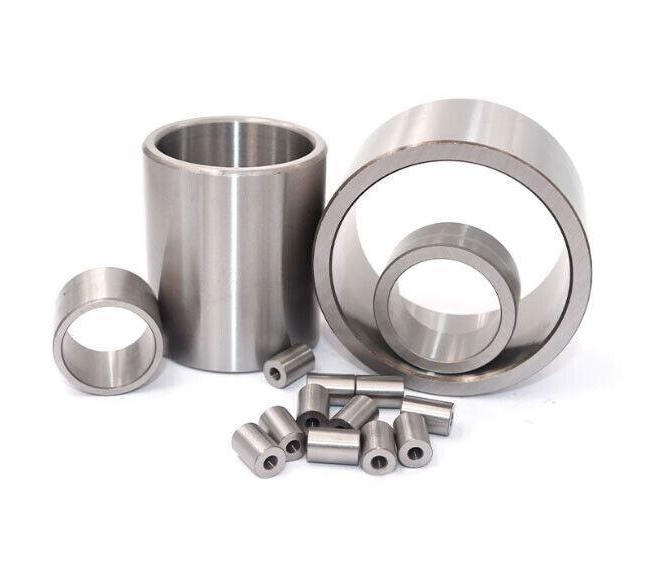
Table of Contents
1. Understanding Stainless Steel Bushings - More Than Just Corrosion Resistance
What is a Stainless Steel Bushing?
A bushing, also commonly called a sleeve bearing or plain bearing, is a cylindrical lining designed to guide, seat, or reduce friction between two interacting parts, typically a rotating shaft and its housing. Its primary functions are to:
Absorb wear to protect more expensive components.
Dampen vibration and reduce noise.
Provide precise alignment and positioning.
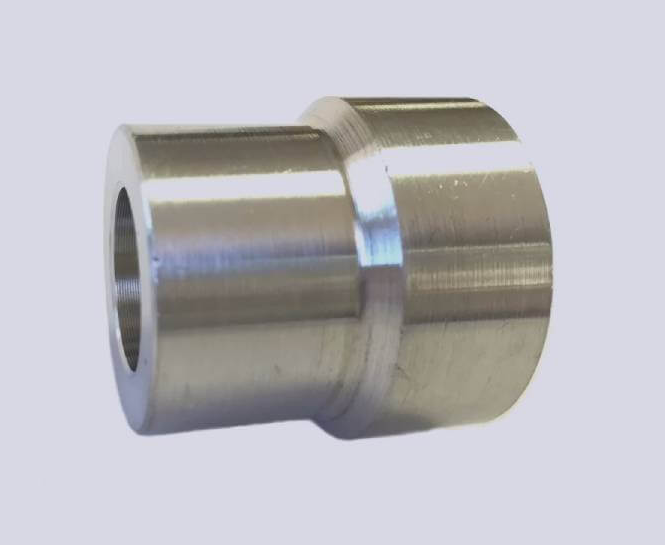
Stainless steel bushings are specifically engineered from iron-chromium alloys (most commonly grades 304 and 316), where a minimum of 10.5% chromium forms a passive, self-repairing oxide layer on the surface. This layer is the source of their legendary resistance to rust, water, many chemicals, and atmospheric corrosion. While a standard steel bushing might degrade quickly in a saline or acidic environment, a stainless steel bushing maintains its structural integrity, ensuring a longer lifespan and reliable operation in challenging settings.
Types and Common Applications
Stainless bushings come in several configurations to meet specific mechanical needs:
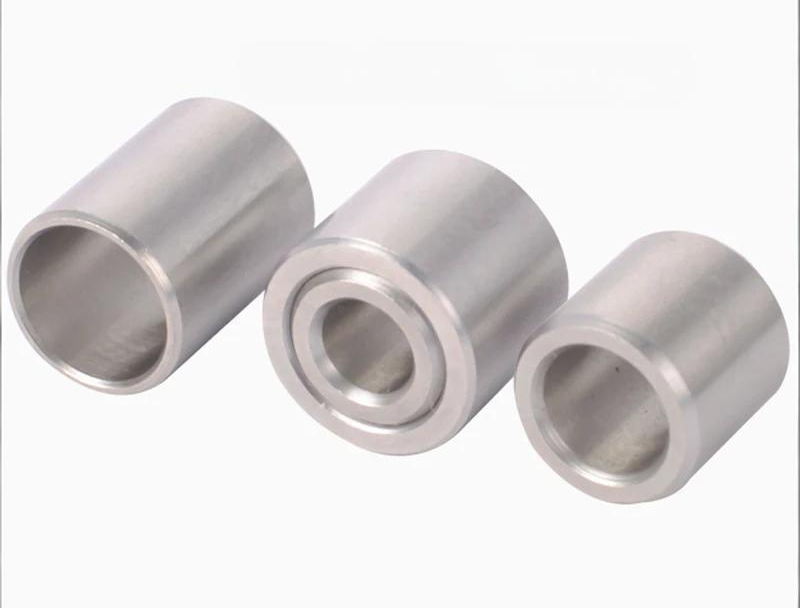
Plain Cylindrical Bushings: The most common type, a simple hollow cylinder used where corrosion resistance is the primary requirement in radial load applications.
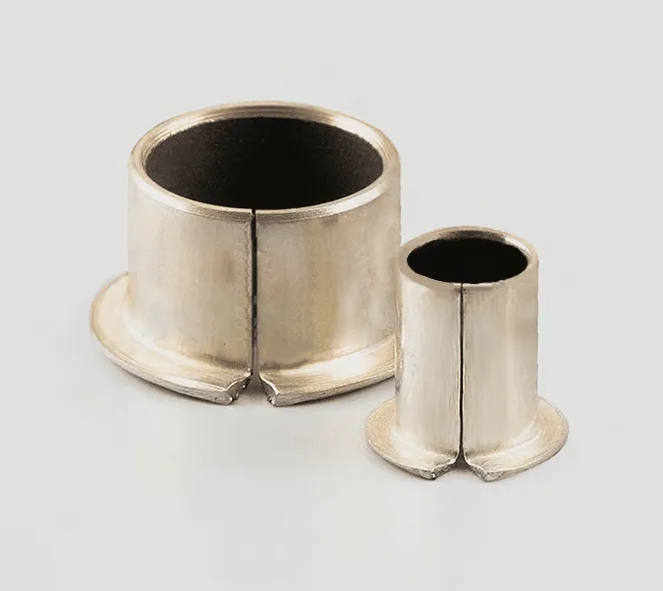
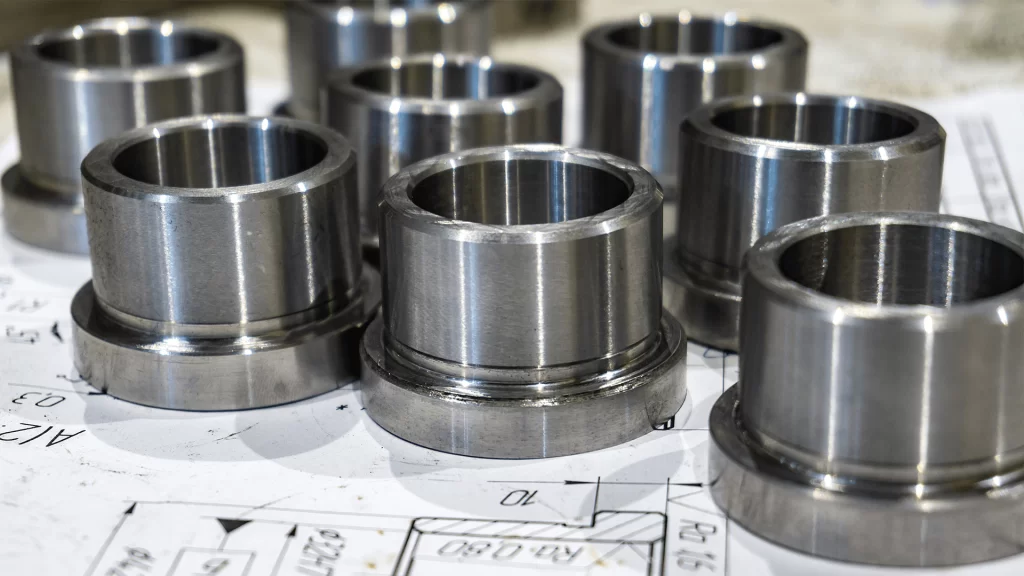
Flanged Bushings: These feature an integral collar at one end, allowing them to handle both radial (perpendicular) and axial (thrust) loads in one direction. They are crucial for positioning and securing components in corrosive settings.
Grooved Bushings: Designed with internal lubrication channels (spiral or linear), these help distribute grease evenly. They are vital in corrosive environments where consistent, long-term lubrication is needed to prevent seizure, though they are less common in purely maintenance-free designs.
The application of stainless steel bushings is vast and critical across sectors where failure is not an option:
Marine & Offshore: Shipbuilding, port machinery, offshore platforms, and mooring equipment constantly battle saltwater corrosion.
Food & Pharmaceutical Processing: Equipment must withstand frequent washdowns with cleaning agents while meeting strict hygiene standards.
Chemical Processing: Pumps, valves, and mixers are exposed to aggressive acids, alkalis, and solvents.
Water & Wastewater Treatment: Components are submerged in or exposed to treated/untreated water and treatment chemicals.
Specialized Agriculture & Construction: Machinery operating in muddy, wet, or chemically fertilized environments.
2. The Evolution: Self-Lubricating Stainless Steel Composite Bushings
The Limitations of Traditional Designs
Even corrosion-resistant stainless steel has its limits in demanding dynamic applications. Traditional bushings require a consistent lubrication film to prevent metal-to-metal contact, which leads to rapid wear, heat generation, and eventual failure. In many modern applications, lubrication is a significant challenge:
Contamination Risk: Grease can attract dirt and grit in mining or agricultural equipment, creating an abrasive paste.
Environmental & Cleanliness Concerns: Lubricant leakage is unacceptable in food processing or clean-room environments.
Maintenance Inaccessibility: Structures like bridges or offshore platforms make regular re-lubrication extremely difficult and expensive.
Extreme Temperatures: Both high heat (ovens, engines) and cryogenic conditions can break down liquid lubricants.
The Composite Solution: How Self-Lubricating Technology Works
This is where engineered composite materials redefine performance. A state-of-the-art self-lubricating stainless steel bushing is a marvel of material science, typically constructed in three synergistic layers:
Backing Layer (Stainless Steel Substrate): Provides high structural strength, load capacity, and excellent corrosion resistance. It acts as the backbone, allowing for press-fits into housings and withstanding substantial static and dynamic loads.
Intermediate Sintered Layer (Often Bronze): A porous metallic matrix (typically bronze powder sintered onto the steel backing) that creates a strong mechanical bond with the backing. Its porosity is the key to the next layer.
Sliding Layer (PTFE/Lead/Woven Fabric Composite): This is the working surface. A specially formulated blend of PTFE (Polytetrafluoroethylene), other polymers, and sometimes reinforcing fibers like fiberglass or Kevlar is uniformly impregnated into the sintered layer. During operation, a microscopic film of this solid lubricant transfers to the mating shaft, creating a low-friction, wear-resistant interface that lasts for the life of the bearing.
Key Advantages of Self-Lubricating Stainless Bushings
Maintenance-Free Operation: Eliminates the need for lubrication systems and scheduled re-greasing, drastically reducing lifecycle costs.
High Load Capacity at Low Speeds: Ideal for oscillating movements, slow rotation, or heavy loads under static conditions—scenarios where maintaining a fluid lubricant film is difficult.
Excellent Dry-Running Capability: Performs reliably without any external lubricant, perfect for contaminated or sterile environments.
Corrosion & Chemical Resistance: Inherits the stainless steel backing’s resilience against harsh chemicals and moisture.
Dimensional Stability & Low Wear: The solid lubricant and robust construction ensure consistent performance with minimal clearance change over time.
3. Spotlight on Innovation: The PTFE Woven Fabric Bushing
Pushing the boundaries further, the PTFE woven fabric stainless steel bushing represents the premium tier of self-lubricating technology. Instead of a sintered metal layer, a specially engineered fabric woven from PTFE fibers and high-strength materials like fiberglass is permanently bonded to the stainless steel backing.
Why This Represents a Superior Choice:
Higher Load Capacity & Longer Life: The woven fabric structure can withstand significantly higher dynamic and static loads compared to standard PTFE composite layers, offering extended service life under severe conditions.
Exceptional Edge Load Resistance: The fabric’s structure provides better conformity and tolerance for misalignment.
Superior Damping & Impact Resistance: It effectively absorbs vibrations and cushions shock loads, protecting surrounding components.
Immunity to Fluid Absorption: Unlike some polymers, it will not swell or degrade when exposed to water or hydraulic fluids.
These bearings are the go-to solution for the most demanding applications: suspension systems in heavy vehicles, critical linkages in offshore platforms, hydraulic cylinder mounts, and high-load pivots in industrial machinery.
4. MYWAY's Engineering Philosophy and Your Application Advantage
At MYWAY, we don’t just manufacture bushings; we engineer reliability. We understand that engineers and procurement specialists face immense pressure to balance performance, cost, and longevity. Our mission is to provide solutions that tilt this balance decisively in your favor.
Our Core Strengths:
Deep Material Science Expertise: We specialize in the bonding and optimization of advanced self-lubricating composites with high-grade stainless steel backings (304, 316, and specialty alloys).
Precision Manufacturing: From coiled strip for high-volume production to heavy-walled machined sleeves for custom applications, we maintain tight tolerances to ensure perfect fit and function.
Custom-Engineered Solutions: We offer ODM/OEM services, providing not just standard catalog items but also co-developing bespoke solutions. Whether you need a unique flange design, specific material pairing, or a complete thrust washer assembly, our engineering team can help.
Global Support & Logistics: Based in a major manufacturing hub, we combine competitive direct-from-factory pricing with reliable export logistics to your door.
Bringing Value to Your Industry:
For a marine equipment manufacturer, we provided custom flanged bushings for a ship’s steering linkage. The PTFE fabric lining ensured smooth, maintenance-free operation despite constant saltwater exposure, eliminating quarterly dry-docking for lubrication.
For a food packaging machine builder, we supplied stainless steel sleeve bearings with a FDA-approved self-lubricating liner. This solved their problem of grease contamination on production lines while withstanding daily high-pressure washdowns.
5. Conclusion: Partner for Peak Performance
In an era where equipment reliability and operational efficiency are paramount, the choice of a critical component like a bushing carries significant weight. Opting for a high-performance stainless steel self-lubricating bushing is an investment in reduced downtime, lower total cost of ownership, and enhanced machine longevity.
At MYWAY, we combine cutting-edge material technology with precision manufacturing and a deep commitment to solving real-world engineering challenges. We invite you to look beyond the standard catalog and explore how a tailored bushing solution can elevate your design.
Ready to engineer out friction and corrosion for good? Contact the MYWAY team today for a free, no-obligation quote and technical consultation. Let’s build something reliable together.
Frequently Asked Questions (FAQ)
Q1: What’s the main difference between a standard stainless bushing and a self-lubricating composite bushing?
A standard bushing is made from a single material (stainless steel) and requires periodic external lubrication (grease or oil) to function without excessive wear. A self-lubricating composite bushing is a multi-material system where a solid lubricant (like PTFE) is integrated into its structure. It provides its own lubrication during operation, making it ideal for maintenance-free or hard-to-lubricate applications.
Q2: Can self-lubricating bushings handle high-speed applications?
They are primarily optimized for low to moderate speed and high-load applications, as well as oscillating movements. For very high-speed rotational applications, fluid-film hydrodynamic bearings are typically more suitable. Always consult with our engineers for your specific speed and load parameters.
Q3: Are these bushings suitable for both rotary and linear motion?
Absolutely. The self-lubricating layer performs excellently in both rotary (journal) and linear (sliding) motion, as well as in oscillating applications commonly found in linkages and joints.
Q4: How do I select the right stainless steel grade (e.g., 304 vs. 316)?
Grade 304 (A2 Stainless): Offers excellent general corrosion resistance. It’s a cost-effective choice for most environments exposed to moisture and mild chemicals.
Grade 316 (A4 Stainless): Contains molybdenum, providing superior resistance to chlorides and acids (like saltwater or sulfuric acid). It is the standard for marine, coastal, and chemical processing applications.
Q5: Does MYWAY offer custom sizes and shapes beyond standard catalog items?
Yes, customization is one of our key services. We produce flange bushings, thrust washers, spherical bearings, and custom strips in non-standard dimensions. We can work from your drawings or collaborate on a new design.
Q6: How can I request a quote or technical consultation for my project?
We’ve made it simple. Visit our website’s contact page or send your specifications (including drawings, material requirements, operating environment, and quantities) directly to our engineering sales team. We prioritize providing detailed, competitive quotes and actionable technical advice to help you make the best decision.
100000+ Types of Bushings – Contact Us for Details