
Recent Posts
Boundary Lubrication Bushings: High-Load, Low-Maintenance Challenges
What happens inside a machine when the oil runs thin, the grease dries up, or lubrication is simply impossible? This is the demanding reality of boundary lubrication, a critical yet punishing regime where traditional bearings often fail. In this high-stakes environment, a specialized engineering solution rises to the occasion: the Boundary Lubricating Bushing. This article explores how these advanced components work, why their innovative composite design is transformative, and how partnering with an expert manufacturer like MYWAY can unlock new levels of reliability for your machinery.
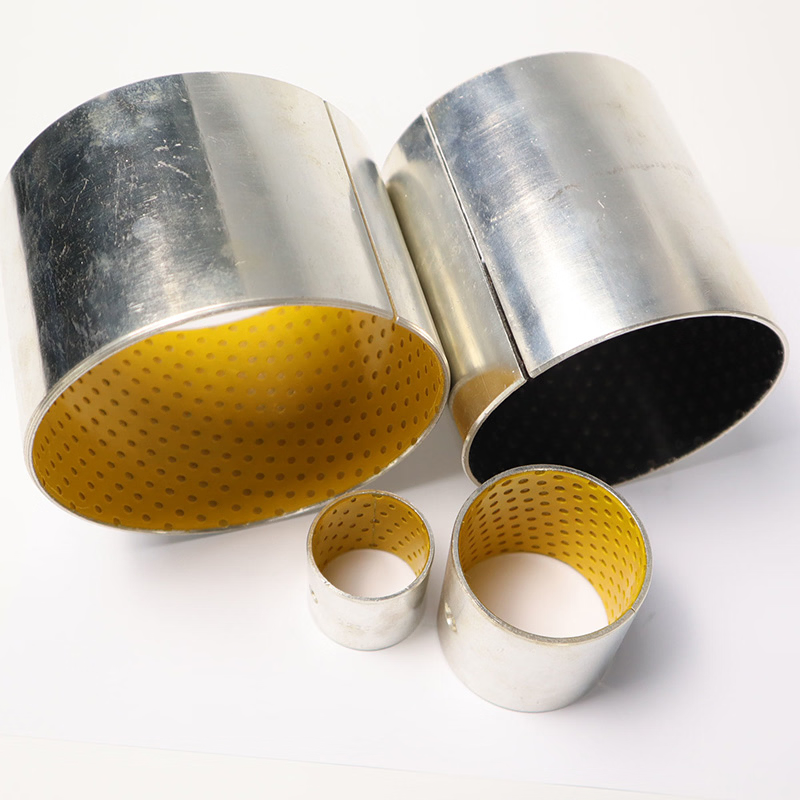
Table of Contents
1. Understanding the Lubrication Spectrum: Where Boundary Conditions Rule
To appreciate the breakthrough of boundary lubrication bushings, it’s essential to understand the three primary states of friction within a bearing:
Hydrodynamic Lubrication: The ideal scenario. A thick, continuous film of lubricant completely separates moving surfaces, resulting in very low friction and wear. This requires consistent, sufficient lubricant flow and speed.
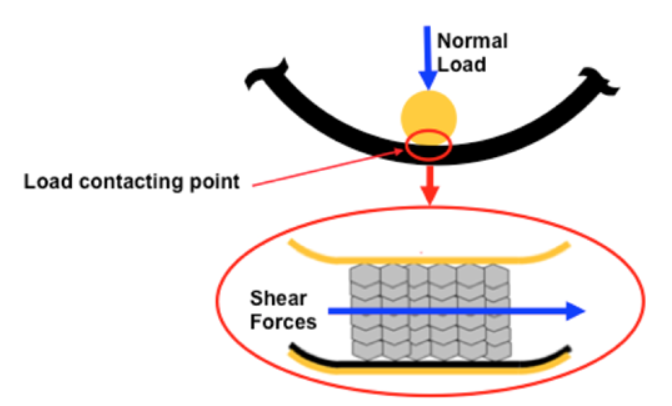
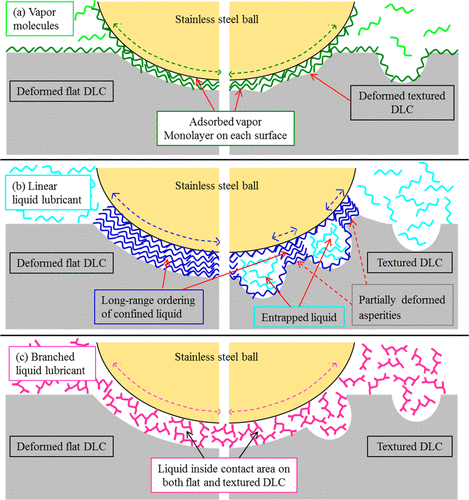
Boundary Lubrication: The challenging middle ground. The lubricant film is extremely thin—sometimes just a molecular layer—allowing surface asperities to make contact. Friction and wear are significantly higher here. This occurs during start-up, shutdown, low-speed operation, or under exceptionally high loads.
Solid Lubrication (Dry Friction): The two surfaces are in direct contact with no separating fluid film. This condition demands materials inherently capable of withstanding friction and heat.
Machinery operating with intermittent motion, under heavy loads, or in environments where lubricant can be washed away or contaminated frequently falls into the boundary lubrication zone. It’s here that standard bushings wear out rapidly, driving up maintenance costs and downtime.
2. The POM Composite Bushing: A Three-Layer Engineering Marvel
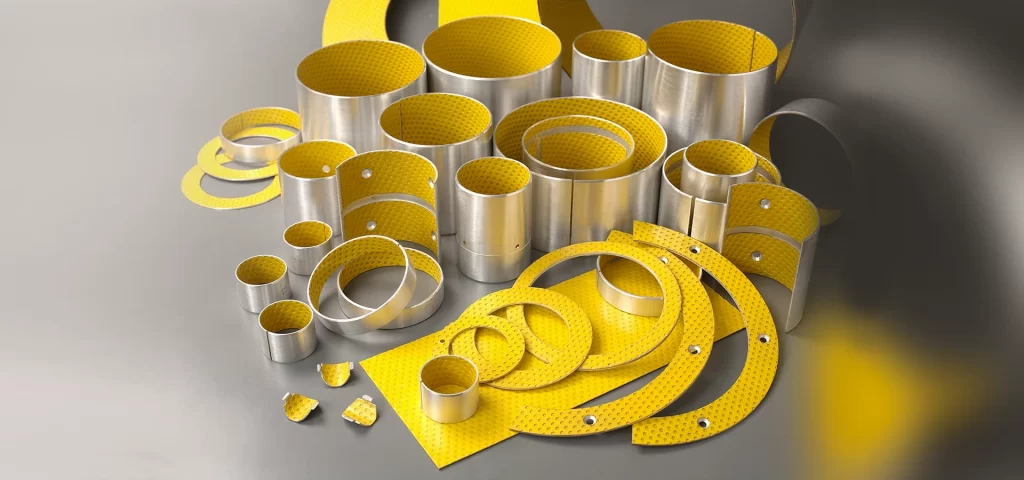
The engineered response to boundary lubrication is the POM composite bushing (often referred to as a DX bushing). Unlike a single-material component, it’s a sophisticated, metallurgically bonded trio of layers, each with a critical function.
| Layer | Material | Primary Function |
|---|---|---|
| Backing Layer | Low-carbon steel (often copper-plated) | Provides structural strength, high load capacity, and secure press-fit into the housing. |
| Intermediate Layer | Sintered porous bronze | Creates a robust mechanical bond between the steel and the top layer. Its porosity is key for heat dissipation and, in some designs, lubricant retention. |
| Sliding Layer | Modified POM (Polyoxymethylene) | The working surface. Engineered for low friction, high wear resistance, and excellent performance against steel shafts. |
This intelligent design directly targets the pain points of boundary lubrication. The steel backing handles high static loads (up to 140 N/mm²) while the POM sliding surface ensures smooth operation during the critical start-up phase and under low-speed, high-pressure conditions where oil films collapse. Many designs also feature dimpled or grooved POM surfaces that act as grease reservoirs, extending maintenance intervals dramatically.
3. Why Choose a POM Boundary Lubrication Bushing?
Here’s how this technology translates into tangible benefits on your factory floor:
Master Intermittent & High-Load Cycles: They are specifically designed for applications involving rotary, oscillating, or frequent start-stop motions under heavy load—exactly where hydrodynamic lubrication fails.
Slash Maintenance Downtime: While they perform excellently with an initial grease fill, their POM surface allows them to operate reliably even if lubrication becomes marginal. This drastically reduces the frequency of re-greasing and associated downtime.
Extended Service Life: The combination of a hard metal backing and a wear-resistant polymer surface results in significantly longer life compared to traditional bronze or plain steel bushings in harsh conditions.
Cost-Effective Performance: By extending component life and reducing lubrication-related maintenance, these bushings lower the total cost of ownership for machinery operating in tough environments.
4. POM vs. PTFE: Selecting the Right Tool for the Job
It’s common to compare POM (DX-type) bushings with PTFE (DU-type) self-lubricating bushings. Both are excellent, but for different missions:
| Feature | POM Composite Bushing (DX) | PTFE Composite Bushing (DU) |
|---|---|---|
| Optimal Lubrication Regime | Boundary to Grease Lubricated | Dry to Minimally Lubricated |
| Key Strength | Superior performance under high load & low speed with grease support. | Exceptional dry-running and low-friction capability from startup. |
| Typical Application | Hydraulic cylinder mounts, heavy construction machinery joints, gearboxes. | Clean, dry applications or where lubricant is strictly prohibited. |
For applications like hydraulic cylinder pins, construction equipment articulation points, or forging machinery—where some grease is present but conditions are severe—the POM boundary lubrication bushing is often the superior, more durable choice.
5. Where Industry Relies on Boundary Lubrication Technology
The robustness of these bushings makes them indispensable across heavy industry:
Automotive & Transportation: In vehicle chassis points, kingpin bushings, and brake caliper pins, where they withstand road shocks and contaminants.
Heavy Machinery & Construction: A staple in excavator and loader joints, forging presses, and metallurgical equipment, handling shock loads and particulate contamination.
Industrial Hydraulics: The bearing of choice for hydraulic cylinder eyes and clevises, managing high side loads and marginal lubrication.
Agricultural Equipment: Used in tractor linkages and implements, performing reliably in the dirt and dust of the field.
6. Partner with MYWAY: Precision and Reliability from a Leading Manufacturer
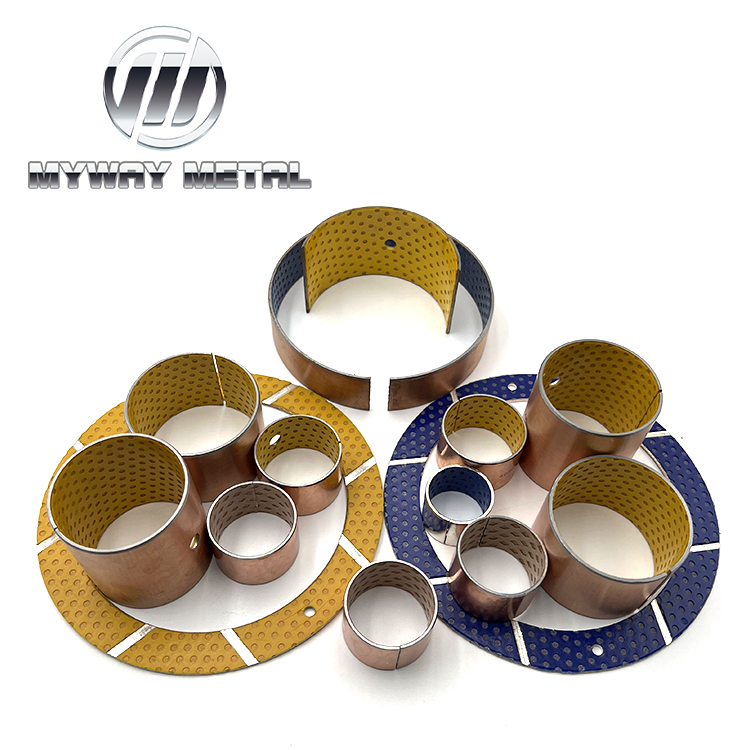
When your machinery’s uptime depends on the quality of a boundary lubrication bushing, the manufacturer’s expertise is paramount. MYWAY stands as a premier bushing manufacturer in China, bringing over two decades of engineering and production excellence to clients in more than 40 countries worldwide.
Choosing MYWAY means securing a partnership defined by:
Proven Engineering & Customization: We don’t just sell standard parts. Our technical team specializes in developing custom bushing solutions tailored to your specific load, speed, environmental, and dimensional requirements.
End-to-End Quality Assurance: Our integrated manufacturing process—from material casting and sintering to precision machining—is governed by stringent IATF 16949 and ISO 9001 certified systems. This guarantees every bushing that leaves our facility meets the highest international standards for performance and consistency.
Unmatched Production Scalability: With extensive in-house capabilities and a large inventory of standard parts, MYWAY is equipped to fulfill both urgent prototype requests and large-volume production orders without compromising on delivery timelines or quality.
Frequently Asked Questions (FAQ)
Q1: Can I use a POM boundary bushing in a completely dry application?
A: While its POM surface has good dry-running properties, this bushing is engineered to perform optimally in boundary to grease-lubricated conditions. For applications designed to run completely dry, a PTFE-based (DU) bushing or a solid lubricant-inlaid bearing is typically recommended.
Q2: How do I properly install a press-fit composite bushing?
A: Always press the bushing in using the outer steel backing. Never apply force directly to the softer POM inner surface. Ensure the housing bore is clean, to specification, and use a suitable installation mandrel to press the bushing in squarely and evenly.
Q3: My application involves very slow oscillation under extreme load. Is this suitable?
A: Yes. This is the core strength of POM boundary lubrication bushings. They are specifically designed for low-speed, high-load, and oscillating movements, making them ideal for heavy-duty pivot joints, linkage points, and hydraulic cylinder applications.
Q4: We have a problem with standard bronze bushings wearing out quickly. Can MYWAY help?
A: Absolutely. A common and effective solution is to upgrade from a standard bronze bushing to a high-performance POM composite bushing. Our engineering team can analyze your specific operating conditions—load, motion, environment—and provide a direct replacement or a custom-designed bushing that delivers a longer service life and reduced maintenance.
Q5: Does MYWAY offer other types of bushings for different challenges?
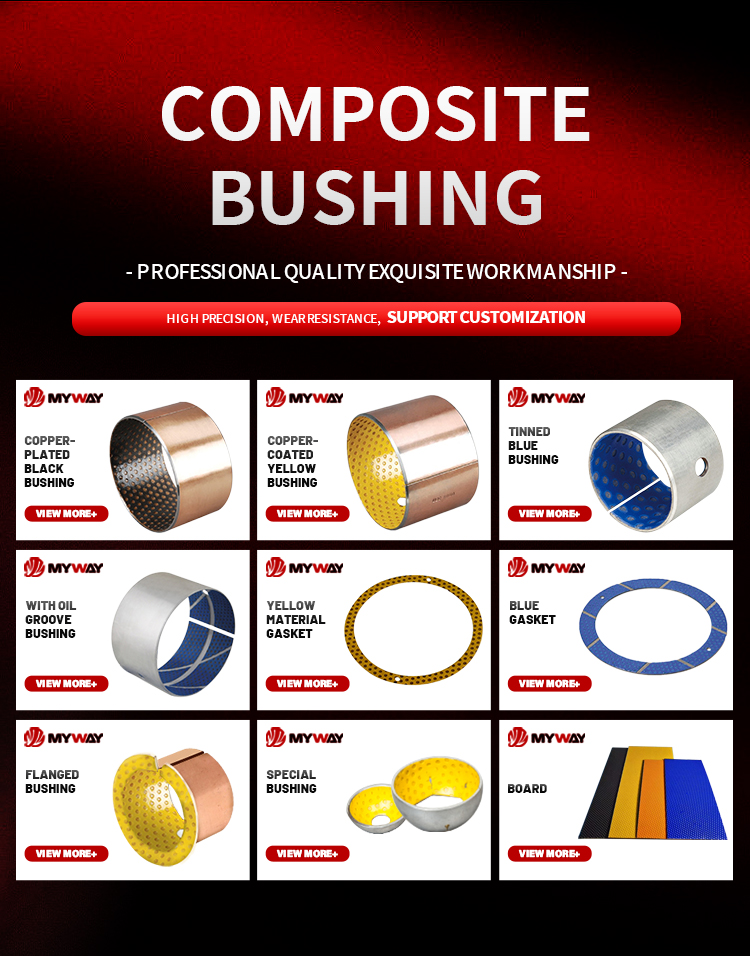
A: Yes. MYWAY provides a comprehensive portfolio of bearing solutions. Beyond POM boundary bushings, we manufacture self-lubricating PTFE bushings, bi-metal bushings, bronze-wrapped bearings, and solid graphite-embedded bushings to meet the full spectrum of industrial needs.
100000+ Types of Bushings – Contact Us for Details