
Recent Posts
DU Bearings: Self-Lubricating Technology That Transforms Industrial Performance
Introduction: Why a Tiny Component Matters More Than You Think
Have you ever wondered how heavy machinery keeps running smoothly year after year without constant greasing? Or how your car’s suspension absorbs bumps silently without lubrication fittings everywhere? The answer often lies in a small but ingeniously engineered component: the DU bearing (also called DU bushing, self-lubricating bearing, or composite plain bearing).
These remarkable components represent one of the most significant advances in tribology—the science of friction and wear. In this comprehensive guide, we’ll explore everything you need to know about DU bushings, from their unique three-layer construction to their diverse applications across industries. More importantly, we’ll help you understand how choosing the right self-lubricating bushing can slash your maintenance costs while extending equipment life.
Whether you’re an engineer specifying components for a new design, a maintenance professional seeking reliable replacements, or a procurement specialist comparing DU bearing suppliers, this article delivers the technical depth and practical insights you need.
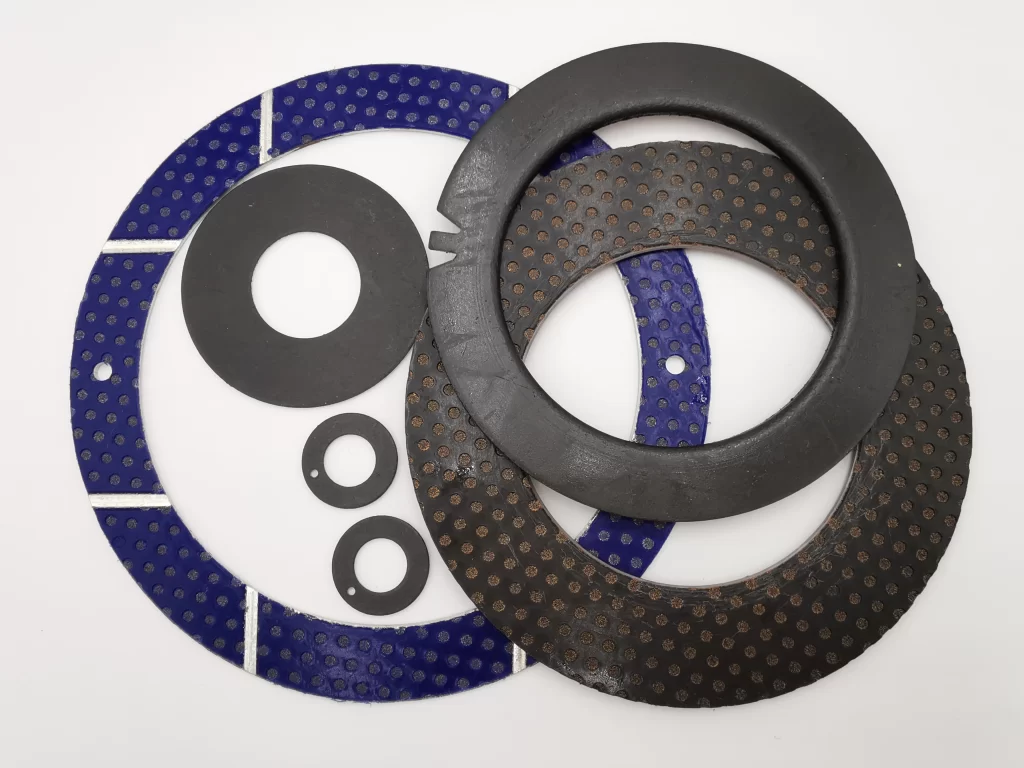
Table of Contents
1. What Exactly Is a DU Bearing? Demystifying the Terminology
Let’s start with the basics. The term “DU bearing” originally referred to a specific product from GGB (formerly Glacier Garlock Bearings), which pioneered this technology over 60 years ago . Today, it’s widely used as a generic term for steel-backed self-lubricating bushings with a bronze and PTFE structure—similar to how “Xerox” became shorthand for photocopying.
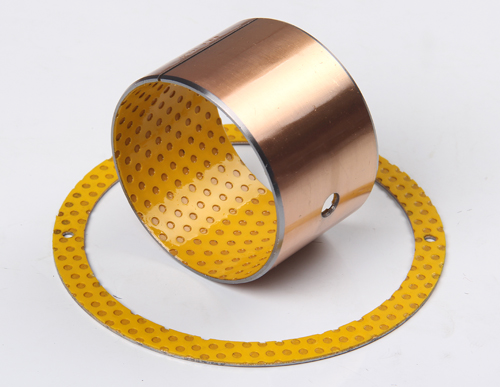
A DU bushing is a multi-layer composite sliding bearing engineered for maintenance-free operation. Unlike traditional bearings that require regular oil or grease, these oilless bushings contain their own solid lubricant, releasing it microscopically during operation .
The Three-Layer Architecture: Engineering at Its Finest
What makes a DU bearing special is its composite structure—three distinct layers working together as one high-performance system:
1. Steel Backing (Structural Foundation)
Made from low-carbon steel (sometimes stainless for corrosive environments)
Provides exceptional load capacity and dimensional stability
Ensures secure press-fit installation in housings
Handles static loads up to 250 N/mm² and dynamic loads to 140 N/mm²
Think of this as the foundation of a building—without its strength, everything else fails.
2. Porous Bronze Interlayer (The “Smart” Layer)
Spherical bronze powder sintered onto the steel backing
Creates a sponge-like porous structure (0.2–0.3 mm thick)
Acts as a mechanical anchor for the top layer
Serves as an emergency lubrication reservoir
Facilitates heat transfer away from the bearing surface
This layer isn’t just filler—it’s the brain of the operation, storing lubricant and releasing it precisely when needed.
3. PTFE-Based Surface Layer (The Magic Surface)
Mixture of PTFE (polytetrafluoroethylene) and fillers rolled into the bronze pores
Provides the actual bearing surface contacting the shaft
PTFE boasts one of the lowest coefficients of friction of any solid material (0.02–0.25)
Forms a transfer film on the mating shaft, creating metal-to-polymer contact instead of metal-to-metal
Self-lubricating property eliminates external lubrication needs
The beauty of this design? As the bearing operates, microscopic particles of PTFE transfer to the shaft surface, creating a smooth, low-friction interface that protects both components.
2. Alternative Names: The Many Faces of DU Bushings
If you’re searching for these components, you’ll encounter various terms. Understanding these DU bearing equivalent names helps in sourcing and specification:
| Common Name | Description | Typical Usage Context |
|---|---|---|
| DU Bushing | Original trade name, now generic | Engineering specifications, legacy designs |
| SF-1 Bushing | Asian market equivalent | Chinese and Asian manufacturing |
| Self-Lubricating Bearing | Functional description | General industrial catalogs |
| Oilless Bushing | Maintenance-free aspect | Applications where lubrication is impossible |
| PTFE Composite Bushing | Material-based description | Technical specifications |
| Metal-Polymer Bearing | Structural description | Bearing engineering contexts |
| Dry Bearing | Operating condition | Low-speed, intermittent motion applications |
| Plain Composite Bearing | Bearing type classification | Engineering handbooks |
Many manufacturers produce lead-free alternatives today (like DP4® or equivalent), responding to environmental regulations such as RoHS and REACH .
3. Why Choose DU Bushings? Unmatched Performance Advantages
The unique construction translates into tangible benefits that impact your bottom line. Here’s why DU technology dominates in demanding applications:
✅ Genuine Maintenance-Free Operation
This is the headline feature. Self-lubricating bushings eliminate:
Lubrication schedules and labor costs
Risk of lubricant contamination (critical in food, pharmaceutical, cleanroom applications)
Grease fittings, oil lines, and sealing complications
Downtime for re-greasing
Equipment can be installed and largely forgotten until planned inspection intervals.
✅ Exceptional Wear Life & Reduced Friction
The PTFE composite surface minimizes metal-to-metal contact, resulting in:
Exceptionally low wear rates on both bushing and mating shaft
Coefficient of friction as low as 0.02 under ideal conditions
Extended component life and preserved precision
Reduced energy consumption—less power wasted overcoming friction
✅ Performance Across Demanding Conditions
High Load Capacity:
Static loads up to 250 MPa with the supportive steel backing
Dynamic loads to 140 MPa at low speeds
Temperature Versatility:
Operating range from -200°C to +280°C (-328°F to 536°F)
Suitable for cryogenic applications and high-heat environments
Outperforms conventional lubricants that would freeze or evaporate
Speed Capability:
Dry operation: up to 2.5 m/s
Lubricated operation: up to 5 m/s (some grades achieve 10 m/s with lubrication)
Motion Compatibility:
Perfect for rotating, oscillating, and reciprocating movements
Excels in applications with frequent start/stop or reversing motion
Ideal for pivot points, linkages, and hydraulic cylinder mounts where fluid film bearings fail
✅ Harsh Environment Resilience
Corrosion-resistant options (stainless steel backing)
Unaffected by many chemicals and solvents
Resists dust, dirt, and moisture ingress
Special grades approved for aerospace (FAR 25.853) and cryogenic oxygen service
✅ Simplified Design and Assembly
No need for lubrication channels, grooves, or fittings
Cleaner, more compact machinery designs
Straightforward press-fit installation without complex procedures
Thin-wall construction saves space and weight
4. Where DU Bushings Make a Difference: Cross-Industry Applications
The proof of any component’s value is in its real-world use. DU bushings are found at the heart of reliability in countless sectors:
Automotive & Transportation
Shock absorbers and suspension linkages
Steering systems and pedal assemblies
Truck suspension pivots where maintenance is impractical
Door hinges and seat mechanisms
Brake systems and transmission components
In automotive applications, the self-lubricating property ensures reliable operation throughout the vehicle’s life without service intervals.
Industrial Machinery
Packaging equipment—continuous operation without downtime
Conveyor system joints—dust-resistant performance
Printing press rollers—clean, oil-free operation
Textile machinery guides—high-speed, low-friction movement
Robotics and automation equipment
Fluid Power Systems
Hydraulic cylinder bearings and piston guides
Pneumatic cylinders and valves
Pumps and compressors
Ideal for applications prone to contamination from external lubricants
Aerospace & Defense
Flight control linkages—reliability is safety-critical
Landing gear components—extreme loads, minimal maintenance
Instrumentation—precision and cleanliness
Approved to FAR 25.853 and FAR 25.855 for interior aircraft applications
Agriculture & Construction
Excavator pivot points—dirt, debris, and moisture resistance
Loader linkages—high shock loads
Harvesting equipment—continuous operation in harsh conditions
Tractor implements and attachments
In these environments, traditional lubricated bearings fail quickly, but DU bushings keep working.
Specialized Applications
Food processing equipment—no lubricant contamination risk
Pharmaceutical machinery—cleanroom compatible
Medical devices—precision and reliability
Semiconductor tools—vacuum-compatible grades
Marine equipment—corrosion-resistant options
5. DU Bushings vs. Other Bearing Types: Making the Right Choice
Understanding how DU bearings compare to alternatives helps in specification:
DU Bushing vs. Rolling Element Bearings (Ball/Roller Bearings)
| Parameter | DU Bushing | Ball/Roller Bearing |
|---|---|---|
| Friction | Low (0.02–0.20) | Very low (0.001–0.005) |
| Load Capacity | Excellent (shock-load resistant) | Good (but can brinell) |
| Space Requirement | Compact, thin-wall | Larger radial space |
| Lubrication | Self-lubricating | Requires grease/oil |
| Maintenance | Zero | Regular re-lubrication |
| Noise | Quiet (no moving parts) | Can be noisy at high speeds |
| Cost | Lower | Higher |
| Misalignment Tolerance | Limited | Very limited |
When to choose DU: Applications with oscillating motion, shock loads, where maintenance is impossible, or where contamination risk rules out grease .
DU Bushing vs. Traditional Bronze Bearings
| Parameter | DU Bushing | Solid Bronze Bearing |
|---|---|---|
| Lubrication | Self-lubricating | Requires oil/grease |
| Load Capacity | High (with steel backing) | High |
| Wear Rate | Very low (PTFE surface) | Moderate |
| Shaft Protection | Excellent (transfer film) | Can wear shaft |
| Temperature Range | -200°C to +280°C | Limited by lubricant |
| Maintenance | None | Regular required |
When to choose DU: Applications where regular lubrication is impractical or where start-stop operation would starve a bronze bearing .
DU Bushing vs. DX POM Composite Bushings
DX bushings use POM (polyoxymethylene) instead of PTFE and require initial grease lubrication. They’re ideal for:
Higher speed applications with intermittent lubrication
Lower cost requirements
Applications where occasional re-greasing is acceptable
DU remains the choice for truly maintenance-free operation and extreme temperatures .
6. How to Select the Right DU Bushing: A Practical Guide
Choosing the correct self-lubricating bushing requires evaluating several parameters:
Step 1: Define Operating Conditions
Load (P):
Calculate static and dynamic loads in N/mm² or psi
Consider shock loads and peak conditions
DU handles dynamic loads to 140 N/mm²
Speed (V):
Determine rotational or oscillatory speed in m/s or ft/min
Consider motion type: continuous rotation, oscillation, reciprocating
Dry operation limit: 2.5 m/s; lubricated: 5 m/s
PV Factor (Pressure × Velocity):
The product of load and speed determines operating severity
Dry continuous operation: max 1.8–3.6 N/mm²·m/s
Lubricated: up to 50 N/mm²·m/s
Step 2: Consider Environmental Factors
| Factor | Consideration |
|---|---|
| Temperature | DU operates from -200°C to +280°C |
| Contamination | DU resists dust, dirt, many chemicals |
| Moisture | Standard steel backing may need protection; stainless options available |
| Cleanliness Requirements | Food/pharma? Choose lead-free options |
| Vacuum/Space | Special low-outgassing grades available |
Step 3: Specify Configuration
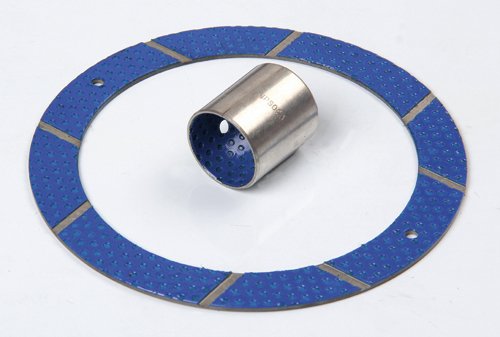
Common DU bushing types include:
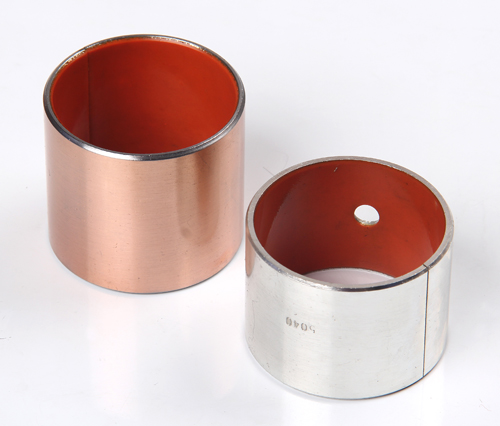
Cylindrical bushings (straight sleeves)—most common
Flanged bushings—provide axial location
Thrust washers—for axial loads
Sliding plates—linear motion applications
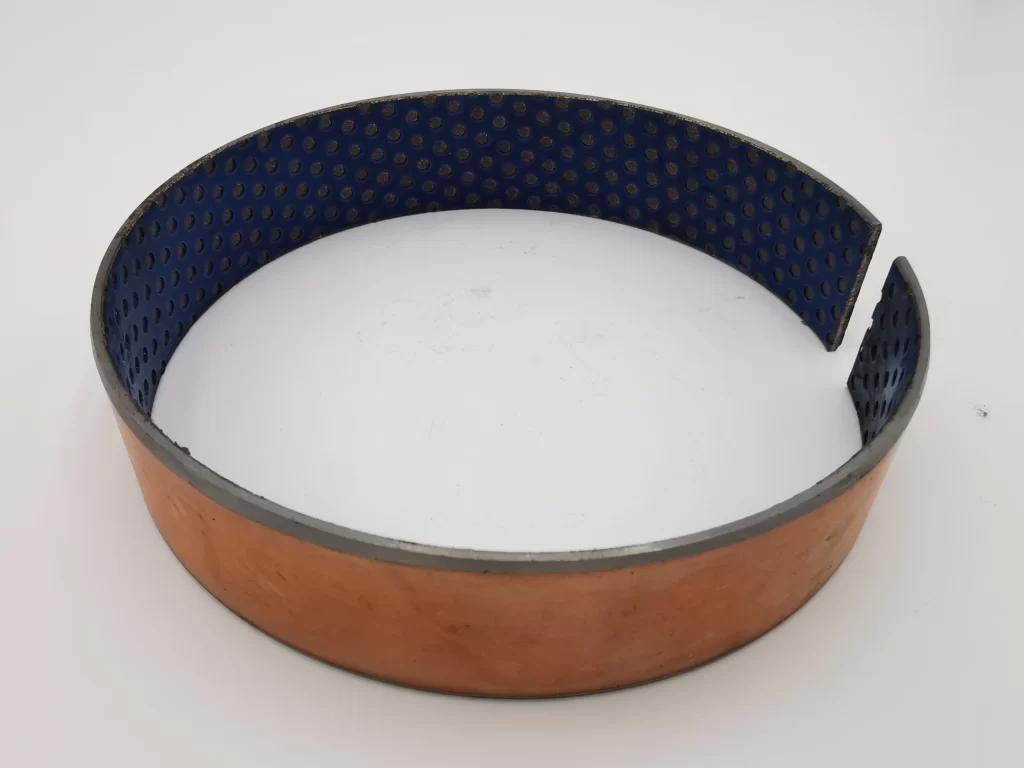
Split bushings—for installation without shaft removal
Step 4: Determine Dimensions
Standard metric sizes range from 3mm ID to over 100mm ID, with lengths to match. Common sizes include:
0606DU (6mm ID × 10mm OD × 6mm length)
1010DU (10mm ID × 14mm OD × 10mm length)
2020DU (20mm ID × 26mm OD × 20mm length)
Imperial sizes also available. Custom dimensions can be manufactured for volume requirements.
Step 5: Shaft Considerations
Surface finish: Ra 0.3–0.5 μm for dry operation; ≤0.4 μm for lubricated
Hardness: Unhardened shafts acceptable (>200 HB improves life)
Material: Steel, stainless steel, hard chrome plate all work well
Shaft tolerance: Recommended h6 or f7 depending on clearance requirements
7. Quality Matters: Why Not All DU Bushings Are Equal
The term “DU bushing” is widely used, but performance varies significantly based on manufacturer quality. Here’s what separates premium bushings from inferior copies:
Critical Quality Differentiators
1. Bond Integrity
The sintering process must create a permanent, inseparable bond between all three layers
Poor bonding leads to delamination and premature failure
Quality manufacturers control sintering temperature, time, and atmosphere precisely
2. Material Purity
Consistency and quality of PTFE mix directly affect wear rate
Bronze powder particle size and distribution matter
Impurities cause hot spots and accelerated wear
3. Bronze Porosity Control
Optimal porosity (typically 20–30%) ensures proper PTFE retention
Too dense: insufficient lubricant reservoir
Too porous: reduced mechanical strength
4. PTFE Formulation
Traditional formulations include lead (excellent performance)
Modern lead-free alternatives use advanced fillers
Proprietary blends optimize for specific applications
5. Precision Manufacturing
Wall thickness consistency (critical for press-fit performance)
Surface finish of PTFE layer
Dimensional accuracy to ISO or ASTM standards
6. Technical Support
Reputable suppliers provide extensive engineering data
PV curves, temperature limits, load guides
Application engineering assistance
Beware of Counterfeits
GGB, the original DU patent holder, warns: “Only GGB and its global network of distributors are authorized to market these products as such, so beware of counterfeits which are not produced to GGB’s exacting standards of quality and performance” .
However, many reputable manufacturers produce equivalent high-quality products under different names (SF-1, etc.) with comparable performance. The key is verifying the manufacturer’s quality systems, certifications, and technical capabilities.
8. Introducing MYWAY: Your Partner in High-Performance Bushing Solutions
At MYWAY, we don’t just supply generic parts—we engineer solutions. With over 20 years of manufacturing expertise and IATF 16949 certification, we’ve become a trusted partner to global industry leaders including XCMG, SANY, and Great Wall Motors .
Why Choose MYWAY Bushings?
End-to-End Manufacturing Integration
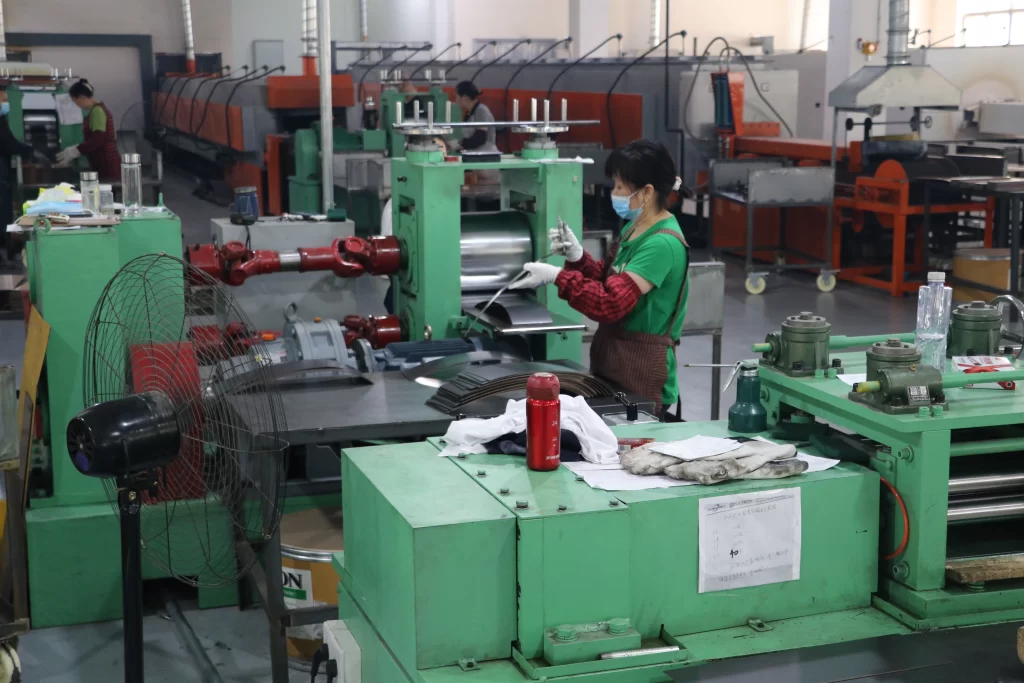
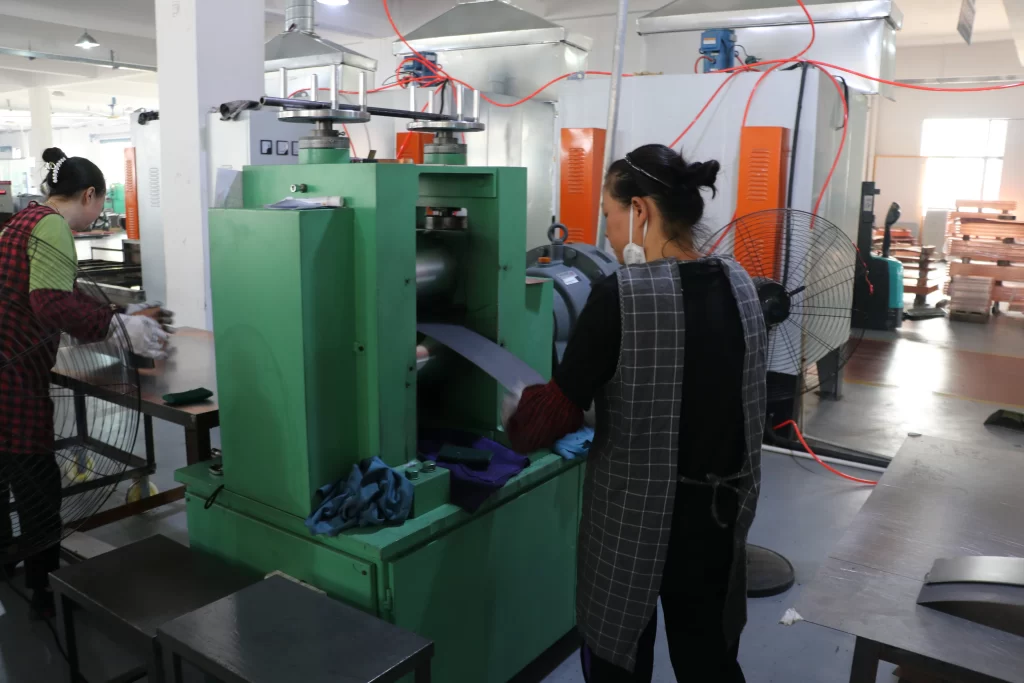
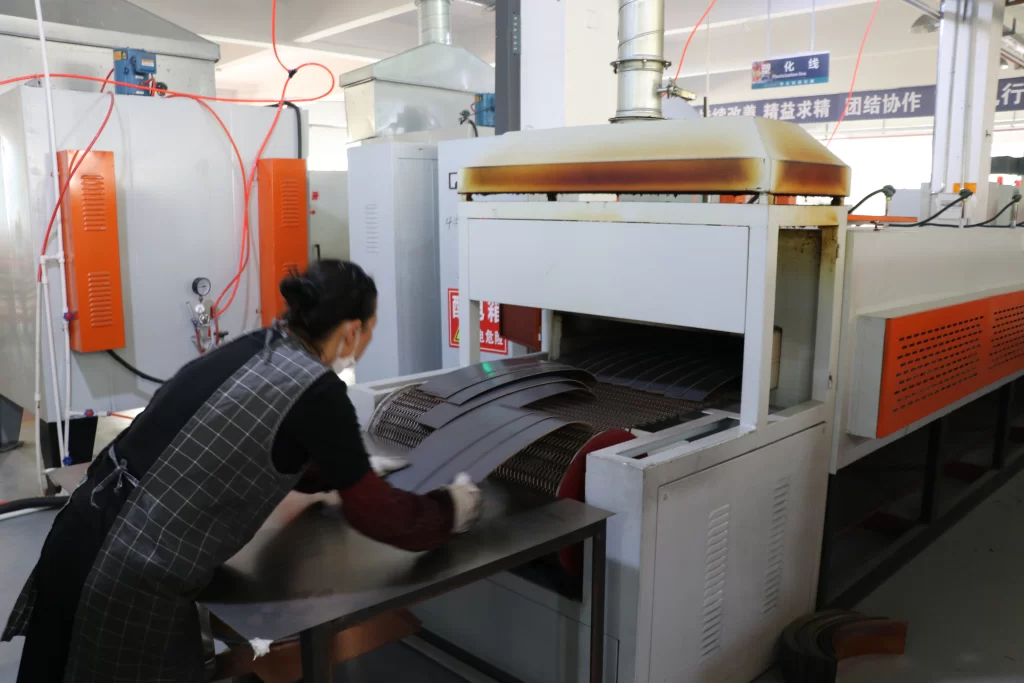
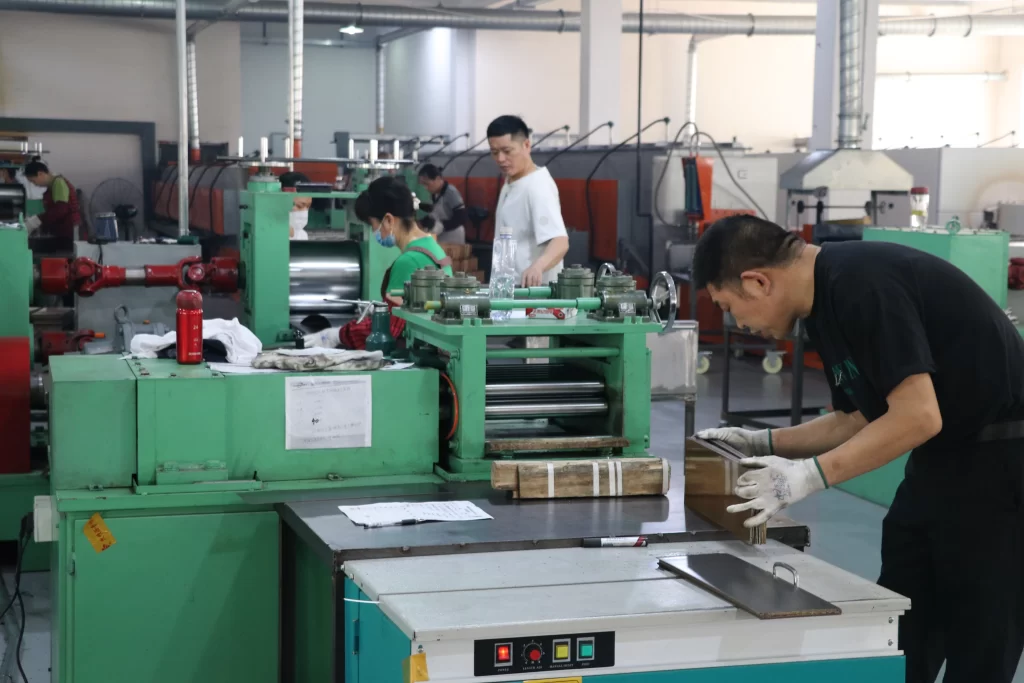
From raw material casting and sintering to precision machining—we control everything
35,000 sqm manufacturing facility
35,000 tons annual casting capacity
Complete vertical integration ensures quality at every step
Advanced Manufacturing Capabilities
2,000+ precision molds for standard and custom sizes
Automated sintering lines with precise process control
Latest CNC machining centers for tight tolerances
Comprehensive inspection: CMM, spectrometers, metallographic analyzers
Our Flagship Series: DU/SF-1 Bushings
Our DU/SF-1 self-lubricating bushings match or exceed international standards:
| Parameter | MYWAY DU/SF-1 Performance |
|---|---|
| Static Load Capacity | ≤ 250 N/mm² |
| Dynamic Load Capacity | ≤ 140 N/mm² |
| Operating Temperature | -195°C to +280°C |
| Coefficient of Friction | 0.04–0.20 |
| Max PV (Dry) | 3.6 N/mm²·m/s |
| Max Speed (Dry) | 2.5 m/s |
| Max Speed (Lubricated) | 5.0 m/s |
Global Reach, Local Support
Exporting to 40+ countries including Germany, Italy, Japan, USA, Canada, South Korea
5,000 sqm automated warehouse with 500–600 tons standard inventory
Digital warehouse system accessible to key customers for real-time inventory tracking
Fast delivery—even for urgent orders
Certified Quality
ISO 9001:2015
IATF 16949:2016 (automotive industry standard)
ISO 14001:2015 (environmental management)
National high-tech enterprise certification
Engineering Collaboration
In-house R&D team for design optimization
Material selection assistance
Rapid prototyping
Operating condition simulation testing available
Specialized Solutions
DU/SF-1S Series: Stainless steel backing for superior corrosion resistance
DU/SF-1B Series: Bronze matrix backing for contaminant embeddability
Lead-free options available for environmental compliance
Custom dimensions and configurations
Frequently Asked Questions About DU Bushings
Q1: Is a DU bearing truly self-lubricating?
Yes. The PTFE-based surface layer provides continuous lubrication throughout its service life. However, initial lubrication during installation can be beneficial, and some extreme applications might use supplemental grease to extend life further .
Q2: How long do DU bushings last?
Service life depends on PV factor (Pressure × Velocity), temperature, contamination, and motion type. Under recommended operating conditions, they often outlast the equipment they’re installed in. Quality manufacturers provide published load and speed data to help predict service life accurately .
Q3: Can I replace a bronze bushing with a DU bushing?
In many cases, absolutely yes, and it’s often a smart upgrade. DU bushings handle higher specific loads than many plain bearings and excel where lubrication is problematic. They also simplify housing design by eliminating lubrication channels .
Q4: Do DU bushings require shaft hardening?
Unhardened shafts are acceptable, though harder shafts (>200 HB) improve bearing life. The critical factor is shaft surface finish—Ra 0.3–0.5 μm for dry operation ensures proper transfer film formation .
Q5: Are DU bushings suitable for wet environments?
Standard DU bushings with steel backing can be used in many moist environments but may corrode if water exposure is constant. For submerged or highly corrosive applications, consider stainless steel backed versions or other specialized materials .
Q6: What’s the difference between DU and DX bushings?
DU uses PTFE-based liner for dry operation and extreme temperatures. DX uses POM (acetal) and requires initial grease lubrication, making it better for higher speeds with intermittent lubrication but limited to lower temperatures .
Q7: Can DU bushings be used in food processing equipment?
Yes, with lead-free formulations. Traditional DU contains lead, but modern lead-free alternatives are available for food, pharmaceutical, and other sensitive applications. Always verify material compliance with relevant regulations .
Q8: How do I install a DU bushing?
Typically by press-fitting into a housing with appropriate interference. The steel backing provides strength for installation. Ensure:
Housing bore is clean and within tolerance
Chamfers aid insertion
Press tools contact the steel backing only (not the PTFE surface)
After installation, check for proper diameter (may close slightly)
Conclusion: The Smart Choice for Demanding Applications
DU bushings represent a perfect marriage of materials science and practical engineering. They solve persistent maintenance problems, enhance reliability, and enable more innovative machine designs across virtually every industry. From the shock absorbers in your car to the packaging line producing your morning cereal, these remarkable components work silently, tirelessly, and without complaint.
When performance cannot be left to chance, the quality and consistency of the bushing become non-negotiable. Counterfeit or low-grade versions may use inferior bonding techniques or impure materials, leading to sudden failure and costly downtime.
This is where MYWAY delivers. We combine deep technical expertise with stringent manufacturing standards to provide bushings you can specify with confidence. Our end-to-end manufacturing control—from raw material casting to finished product—ensures consistent quality batch after batch. Our engineering team stands ready to help you select or customize the perfect solution for your application.
We offer more than just a component—we offer a partnership aimed at optimizing your machine’s performance and longevity.
100000+ Types of Bushings – Contact Us for Details