
Recent Posts
Marine Propeller Bronze Bushings: Engineering Reliability for Propulsion Systems
Introduction
The marine propulsion system represents one of the most demanding mechanical environments in engineering. At the heart of this system lies a critical component that often goes unnoticed—the propeller shaft bushing. This unassuming component bears the brunt of heavy loads, corrosive seawater, and continuous rotational stress. Understanding the nuances of marine propeller bronze bushings is essential for naval architects, fleet operators, and maintenance engineers seeking to optimize vessel performance and reduce operational downtime. This comprehensive exploration delves into the material science, design principles, installation methodologies, and maintenance strategies that underpin reliable propeller shaft bearing performance in modern maritime operations.
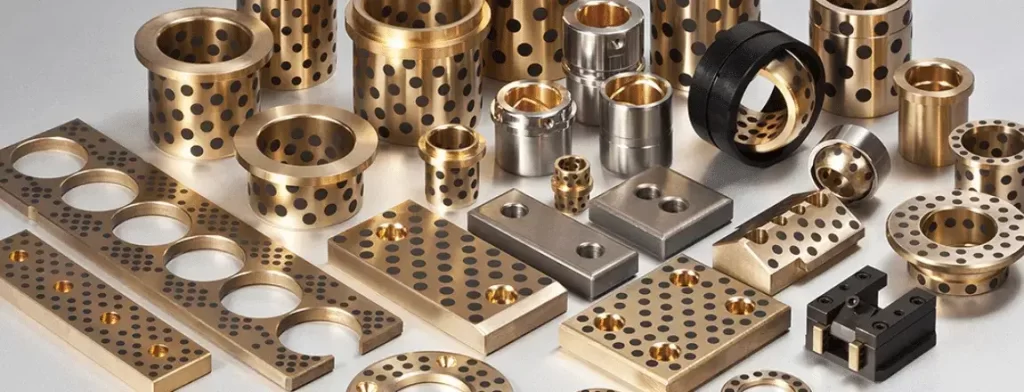
Table of Contents
1. Defining the Marine Propeller Bronze Bushing
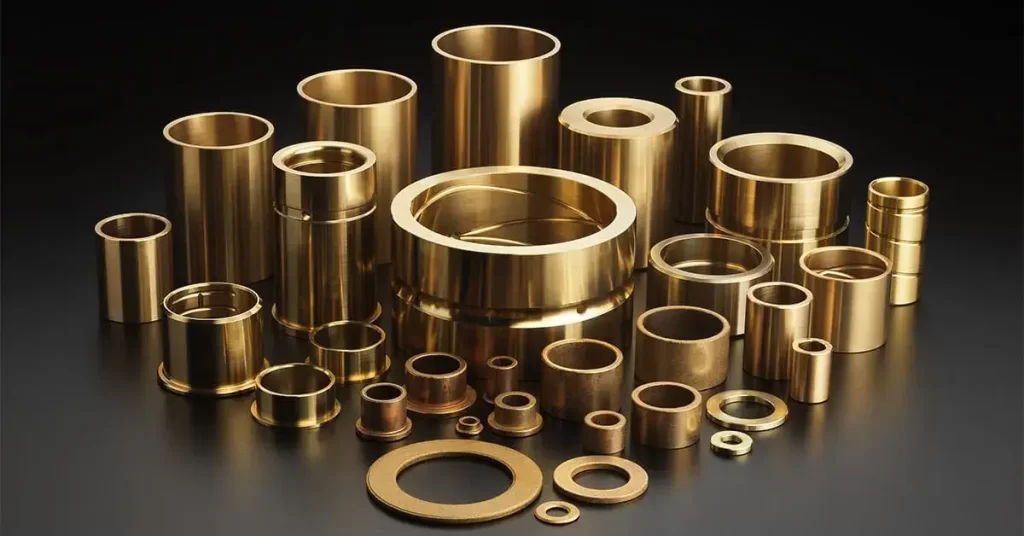
A marine propeller bronze bushing is a precision-engineered cylindrical component installed between the propeller shaft and its supporting housing, strut, or stern tube assembly. This bearing element facilitates smooth rotational motion while absorbing radial loads generated by propeller thrust and transmitting them to the vessel structure. Constructed primarily from copper-based alloys, these bushings provide exceptional wear resistance and corrosion protection in seawater environments, forming a critical interface between rotating and stationary components in the propulsion train.
Unlike standard industrial bushings found in land-based machinery, marine variants must accommodate shaft misalignment arising from hull deflection, withstand impact loads from floating debris, and maintain dimensional stability despite continuous water immersion at varying depths and temperatures. The bushing serves as a sacrificial replaceable wear surface, protecting the more expensive propeller shaft and housing components from premature failure. This replaceability factor significantly reduces lifecycle maintenance costs for vessel operators, as routine bushing replacement costs substantially less than shaft reconditioning or replacement.
Marine propeller bushings are classified according to their mounting location within the propulsion system. Tail shaft bushings support the propeller shaft in the stern tube, while intermediate shaft bushings provide support between engine and propeller. Strut bearings are mounted on the A-frame or V-strut structures that extend from the hull to support the exposed shaft segment. Each application presents unique load profiles, alignment constraints, and environmental exposures that influence material selection and design parameters.
The operational duty of a marine propeller bushing encompasses multiple simultaneous demands. The bushing must maintain adequate running clearance across a range of rotational speeds, from idle to full power. It must accommodate thermal expansion of shaft materials, particularly in vessels operating across extreme temperature gradients from cold seawater to hot engine room environments. It must resist fretting corrosion at the interface between bushing and housing, prevent rotation through adequate interference fit, and facilitate proper lubrication distribution across its bearing surface. These multifaceted demands require sophisticated engineering approaches and rigorous quality control in manufacturing.
The evolution of marine bushing technology has progressed from traditional cast bronze components to advanced engineered materials incorporating solid lubricants, composite reinforcements, and surface engineering treatments. Modern bushings benefit from computational fluid dynamics optimization of lubrication grooves, finite element analysis of stress distributions, and accelerated life testing to validate performance predictions. This continuous technological advancement ensures that today’s marine propeller bushings deliver reliability and longevity previously unattainable.
2. Bronze Alloys: The Material Foundation
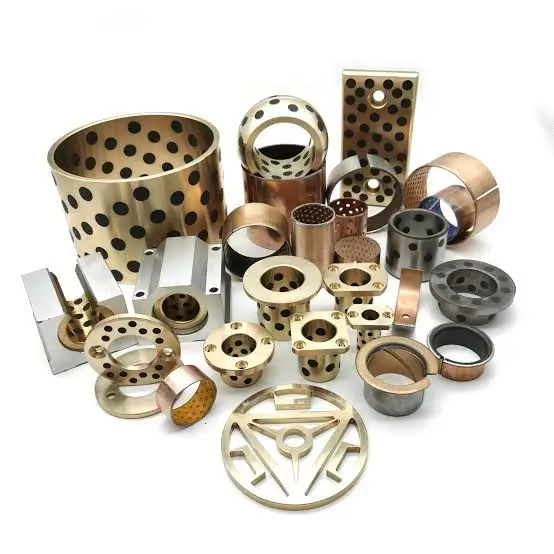
The selection of appropriate bronze alloys determines bushing performance in marine service, with each alloy composition offering distinct advantages for specific operating conditions. Phosphor bronze, typically containing 3-10% tin and 0.1-1.0% phosphorus, offers excellent wear resistance and fatigue strength, making it suitable for moderate-load applications on smaller vessels and pleasure craft. The phosphorus addition improves fluidity during casting and enhances the alloy’s mechanical properties through grain refinement.
Aluminum bronze, containing 3-5% nickel content in addition to aluminum, delivers corrosion resistance approximately 1.5 times greater than traditional bronze alloys. This material handles loads up to 250 N/mm² while resisting temperatures up to 800°C, making it the preferred choice for large commercial vessels, naval ships, and offshore support vessels operating in demanding seawater environments. The nickel addition stabilizes the protective alumina film that forms on the bearing surface, providing exceptional resistance to impingement corrosion from high-velocity seawater flows.
Manganese bronze provides superior strength for heavy-duty propulsion systems, with tensile strengths reaching 700 MPa in some formulations. This alloy excels in applications where shock loading and high bearing pressures are anticipated, such as ice-class vessels and tugs operating in confined waterways. Leaded bronze, containing 5-20% lead, enhances machinability and embeddability—the ability to absorb foreign particles into the bearing surface without damaging the shaft. This property proves particularly valuable in abrasive environments where sand, silt, or weld splatter may contaminate the lubrication system.
Silicon bronze offers excellent corrosion resistance in seawater with good casting characteristics, finding application in smaller bushings and specialized marine components. Beryllium copper, while technically not a bronze, provides exceptional strength and corrosion resistance for high-performance applications where space constraints demand maximum bearing capacity in minimum envelope dimensions. The beryllium copper alloy achieves hardness levels approaching steel while maintaining the corrosion resistance characteristic of copper-based materials.
The metallurgical structure of bronze alloys significantly influences bearing performance. Cast bronze typically exhibits dendritic structures with micro-segregation of alloying elements, affecting local hardness and corrosion resistance. Centrifugal casting produces denser microstructures with finer grain size, improving mechanical properties and reducing porosity. Continuous casting yields consistent properties throughout the bar length, beneficial for long bushings requiring uniform material characteristics. Advanced manufacturing techniques such as powder metallurgy enable the incorporation of solid lubricants directly into the bronze matrix, creating self-lubricating materials that reduce friction and eliminate external lubrication requirements in certain applications.
Material certification and traceability form essential components of marine bushing quality assurance. Reputable manufacturers provide material test certificates confirming chemical composition, mechanical properties, and non-destructive examination results. Third-party inspection by classification societies such as Lloyd’s Register, DNV, and ABS ensures compliance with maritime safety standards. These certifications provide vessel operators and shipyards with documented evidence of material quality, supporting risk management and regulatory compliance
3. Design Considerations and Operating Clearances
Proper bushing design begins with determining appropriate running clearances between the bushing inner diameter and the shaft outer diameter, a parameter that directly influences bearing performance and service life. Insufficient clearance leads to excessive friction, heat generation, and potential seizure—a catastrophic failure mode where the shaft becomes welded to the bushing through frictional heat. Excessive clearance permits shaft vibration, whipping, and accelerated wear through poor oil film formation and increased particulate ingress.
Industry standards typically recommend clearance ranges based on shaft diameter, rotational speed, and bearing pressure. For marine propulsion bearings, the rule-of-thumb clearance typically falls between 0.001 and 0.003 inches per inch of shaft diameter, with larger clearances applied to longer bearings and higher-speed applications. However, exact specifications must consider the specific operating conditions, including lubricant type, expected water temperature range, and shaft surface finish.
The bushing length-to-diameter ratio influences load distribution and oil film formation in lubricated applications. Longer bearings distribute loads over greater surface area, reducing contact pressure, but require more precise alignment and generate more friction at start-up. Shorter bearings reduce frictional losses and accommodate misalignment more readily but concentrate loads on smaller surface areas. Typical L/D ratios range from 0.5 to 2.0 for marine applications, with the optimal ratio determined by bearing load, shaft stiffness, and available installation space.
For water-lubricated systems, grooving patterns facilitate fluid flow and particulate flushing, extending bearing life in sandy or contaminated water conditions. Axial grooves along the bearing length provide pathways for water entry and debris ejection, while circumferential grooves can improve hydrodynamic pressure generation. The groove geometry, including width, depth, and spacing, significantly influences the bearing’s ability to maintain a lubricating film under various operating conditions.
Manufacturers must consider thermal expansion coefficients to maintain consistent clearances across operating temperature ranges. Bronze alloys exhibit thermal expansion rates different from typical shaft materials, requiring careful calculation of hot clearances from cold assembly measurements. Shaft heating during operation from frictional and propulsion loads causes expansion that reduces running clearance, potentially leading to contact and wear if not properly accounted for.
The influence of surface finish on bearing performance cannot be overstated. Shaft surfaces with excessive roughness abrade the bushing surface, accelerating wear and reducing service life. Conversely, overly polished surfaces may hinder lubricant film formation by reducing the surface’s ability to retain lubricant. The recommended shaft finish for marine bushings typically ranges from 0.1 to 0.4 μm Ra, depending on the bearing type and lubrication method. Proper surface preparation through grinding, polishing, or honing ensures optimal bearing-shaft interaction.
Manufacturing tolerances play a crucial role in achieving proper fit and function. The bushing outside diameter must be manufactured to precise dimensions relative to the housing bore, typically requiring interference fits of 0.001 to 0.003 inches per inch of outside diameter. The bushing wall thickness must be consistent to prevent dimensional distortion during installation and ensure uniform load distribution. Bore concentricity and roundness specifications limit acceptable deviation from ideal geometric forms, ensuring predictable bearing performance.
4. Lubrication Strategies for Marine Bushings
Marine propeller bushings operate under diverse lubrication regimes, each presenting distinct advantages and challenges that influence material selection and operational procedures. Oil-lubricated systems maintain hydrodynamic films separating shaft and bearing surfaces, minimizing friction and wear through the formation of a fluid wedge that lifts the shaft from the bearing surface. These systems typically employ ISO VG 68 or VG 100 grade lubricants with additives for corrosion inhibition, oxidation resistance, and extreme pressure protection. The oil supply may be provided through gravity feed, forced circulation with pumps and filters, or splash lubrication from the reduction gear box.
However, environmental regulations increasingly restrict oil use due to discharge concerns from stern tube seals. The International Maritime Organization’s environmental regulations have driven significant changes in propulsion bearing lubrication practices. Oil-to-water interface seals, historically prone to leakage, have been replaced by advanced seal designs with improved reliability. Nevertheless, the risk of oil pollution remains a concern, leading to increased adoption of water-lubricated bearing solutions.
Water-lubricated bushings utilize the surrounding seawater as the lubricating medium, offering environmental advantages but requiring specific material selection and design features. The availability of an essentially unlimited lubricant supply eliminates the need for complex oil circulation systems and reduces the risk of environmental contamination from seal leakage. However, seawater’s lower viscosity compared to oil limits the hydrodynamic film thickness and load capacity of water-lubricated bearings. Water-lubricated bushings typically operate with higher coefficients of friction but remain acceptable where operating speeds and loads fall within the bearing’s design envelope.
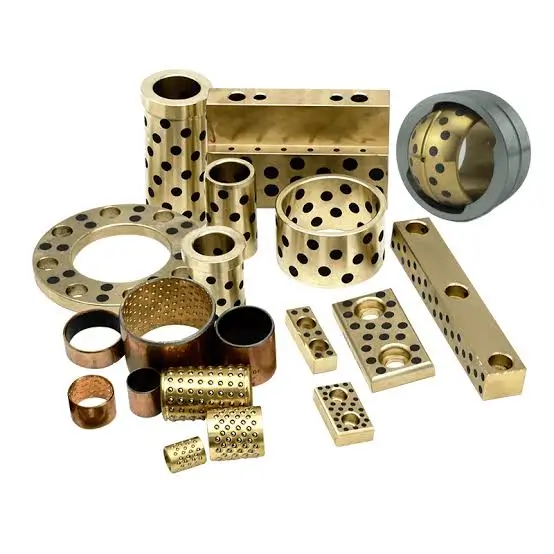
Self-lubricating bronze bushings incorporate solid lubricants such as graphite, molybdenum disulfide, or PTFE throughout the bearing matrix, eliminating external lubrication requirements entirely. These materials operate through a mechanism where microscopic lubricant particles transfer to the shaft surface, creating a low-friction transfer film that separates the contacting surfaces. Self-lubricating bushings prove particularly valuable in applications where access for maintenance is limited, where contamination risk precludes the use of liquid lubricants, or where environmental regulations prohibit any lubricant discharge.
PTFE bronze bushings combine cast bronze strength with polytetrafluoroethylene’s ultra-low friction coefficient, providing maintenance-free operation even during dry start-ups and boundary lubrication conditions. The PTFE content, typically 15-30% by volume, reduces friction to levels comparable with oil-lubricated systems while eliminating the need for liquid lubricants. These bearings find increasing application in modern marine propulsion systems, where reduced maintenance, simplified installation, and environmental compliance drive bearing technology selection.
Hybrid lubrication systems combine elements of oil and water lubrication, using water-based fluids with boundary lubrication additives to achieve friction reduction comparable to oil systems. These environmentally acceptable lubricants provide the dual benefits of water compatibility and friction reduction, offering a compromise between traditional approaches. However, the long-term performance of hybrid systems in marine applications remains under evaluation, with service experience gradually accumulating across various vessel types and operating conditions.
Lubrication groove design significantly influences bearing performance in all lubrication regimes. The groove pattern, cross-section, and location determine lubricant distribution across the bearing surface, affecting friction reduction, heat dissipation, and debris removal. Deep grooves increase lubricant flow but reduce load-bearing area, while shallow grooves provide better load support but less cooling. The optimal groove design balances these competing requirements based on the specific operating conditions of each application.
5. Installation Methods and Mounting Considerations
Proper installation significantly impacts bushing service life, with documented evidence showing that improper installation causes up to 30% of premature bearing failures in marine applications. Press-fitting remains the most common method for securing bushings within housings, requiring precise interference fits to prevent rotation or axial movement under load. The interference fit generates hoop stress in the bushing, reducing its internal diameter upon installation and affecting the final running clearance. Installers must account for this reduction during machining to achieve the specified final clearance after installation.
Heat-shrink installation expands the housing or contracts the bushing for controlled assembly. Heating steel housings to 80-150°C expands the bore sufficiently to permit bushing insertion, while cooling bronze bushings with dry ice or liquid nitrogen reduces their outside diameter for insertion into room-temperature housings. These thermal methods minimize installation damage to precision-machined bearing surfaces, reducing the risk of scoring or distortion that could compromise performance. However, thermal methods require careful temperature control to prevent material property degradation and ensure safe handling.
Mechanical fastening through set screws, pins, or retaining rings provides additional security for high-torque applications where interference fit alone may prove insufficient. These features physically prevent bushing rotation, protecting against the high circumferential forces generated during shaft rotation. Mechanical retention proves particularly valuable in applications with inadequate housing support, where heavy vibration could cause the bushing to work loose over time.
Careful attention to shaft surface finish and cleanliness prevents premature wear caused by abrasive contamination. Even microscopic particulate matter can act as a lapping compound between shaft and bushing surfaces, accelerating wear and reducing service life. Cleaning procedures typically involve solvent washing, abrasive blasting, or mechanical scraping to remove all foreign material from shaft surfaces before bearing installation. The use of clean-room techniques during assembly prevents contamination of bearing surfaces with airborne particles.
Many installations incorporate O-ring seals or shaft liners to protect against galvanic corrosion between dissimilar metals. The bronze bushing, copper alloys, and steel shaft present significant electrochemical potential differences that can drive corrosion in seawater environments. O-ring seals at the bushing ends prevent seawater ingress, while shaft liners of compatible materials eliminate direct metal-to-metal contact between shaft and bushing materials.
Specialized installation tooling ensures proper bushing alignment and eliminates damage during insertion. Mandrels, press plates, and alignment fixtures maintain the bushing perpendicular to the shaft axis, preventing cocking that could bind the shaft and generate excessive friction. These tools also distribute press forces evenly around the bushing circumference, preventing distortion that could affect running clearance.
The effect of installation on bushing properties must be considered in design calculations. Interference fit stresses can reduce the bushing’s fatigue life if not properly accounted for, particularly in applications with cyclic loading conditions. The residual stresses from interference fits may combine with operating stresses to exceed material yield strength, leading to premature failure. Advanced design approaches utilize finite element analysis to optimize interference fit values, balancing security of retention against acceptable stress levels.
6. Performance in Challenging Marine Environments
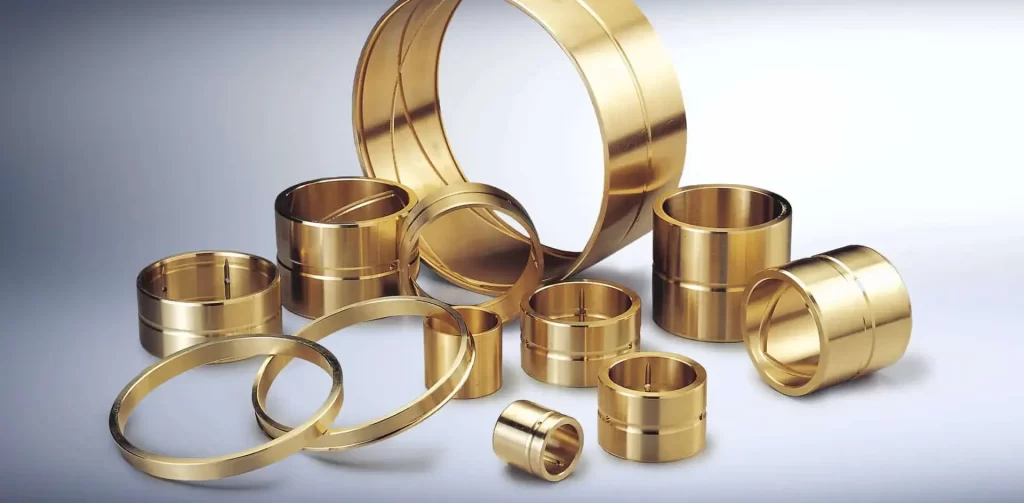
Marine bushings face unique challenges rarely encountered in land-based applications, including seawater corrosion, biofouling, abrasive particles, and temperature extremes. Seawater corrosion attacks bearing materials through chemical and electrochemical mechanisms, necessitating alloys with proven saltwater resistance. The chloride ion content of seawater accelerates corrosion through breakdown of passive oxide films, while differential aeration cells can produce localized pitting and crevice corrosion at interface points.
Biofouling organisms, including barnacles, tube worms, and algae, can colonize bearing surfaces, disrupting lubrication and accelerating wear. Marine organisms attach to immersed surfaces through biological adhesives, creating hard, abrasive deposits that score shaft and bushing surfaces. The metabolic byproducts of these organisms may also create corrosive environments, further degrading bearing materials. Copper-based alloys exhibit some biofouling resistance through copper ion release, but fouling remains a significant concern in warm, biologically productive waters.
Abrasive particles suspended in seawater act as lapping compounds between shaft and bushing surfaces, particularly problematic in coastal and riverine operations. Sand, silt, and debris from shipyard operations penetrate bearing clearances, embedding in bushing surfaces and scoring the shaft. This abrasive wear mechanism significantly reduces bearing life in vessels operating in turbid waters, requiring more frequent inspection and replacement intervals. Groove designs that promote particle flushing help mitigate this challenge by providing pathways for particle ejection.
Temperature variations from Arctic to tropical conditions affect material properties and clearances. Cold seawater increases fluid viscosity, improving hydrodynamic lubrication but potentially increasing friction during start-up. Hot seawater reduces fluid viscosity, impairing lubricant film formation and increasing bearing temperatures through reduced heat dissipation. These temperature variations require careful material selection and clearance specification to maintain acceptable performance across the vessel’s entire operating range.
Galvanic corrosion between shaft and bushing materials presents another challenge in marine environments. The electrochemical potential difference between steel shafts and bronze bushings drives corrosion currents when immersed in conductive seawater. This corrosion, known as galvanic or bimetallic corrosion, preferentially attacks the more active material, typically the shaft. Cathodic protection systems, including sacrificial anodes and impressed current systems, control galvanic corrosion but require proper design and maintenance to be effective.
Vibration and dynamic loading conditions impose additional demands on marine bushings. Propeller blade passing frequencies, shaft whirl, and hull vibration all introduce dynamic forces that stress bearing materials. These dynamic loads can exceed static design values by factors of two to three, requiring bushings with adequate fatigue strength and damping capacity. Bronze materials with good energy absorption characteristics help damp vibrations, reducing transmitted forces and protecting connected equipment.
Erosion damage from high-velocity water flow can attack bushing exposed surfaces, particularly in high-speed vessels and water-jet applications. The impingement of water droplets or particles on bearing surfaces removes material through mechanical impact, reducing bushing thickness and compromising structural integrity. Harder bronze alloys with enhanced corrosion resistance provide better erosion resistance, as do surface treatments such as flame spraying, plating, and coating.
7. Common Failure Modes and Prevention
Understanding failure mechanisms enables proactive maintenance strategies that extend bearing life and prevent catastrophic failure. Abrasive wear occurs when contaminants penetrate the bearing interface, scoring both bushing and shaft surfaces through three-body abrasion mechanics. Hard particles trapped between shaft and bushing act as cutting tools, removing material through micro-ploughing and micro-cutting. This wear mechanism creates distinctive scoring patterns that can be identified through visual inspection.
Fatigue failure results from cyclic loading exceeding material endurance limits, often manifesting as cracking or spalling at the surface. The repeated stress cycles from shaft rotation and thrust reversal create subsurface shear stress that exceeds material strength, initiating cracks that propagate to the surface. Fatigue failures typically occur after many cycles of operation, appearing as small surface cracks that grow into larger fissures before releasing fragments as spalls.
Corrosion accelerates material degradation, particularly where localized differences in oxygen concentration, salinity, or temperature exist. Crevice corrosion attacks the interface between bushing and housing where stagnant seawater accumulates, producing acid conditions that dissolve protective oxide films. Erosion corrosion combines mechanical and chemical attack, removing protective surface films at high-velocity flow areas and exposing fresh metal for further corrosion.
Seizure happens when lubrication fails and friction generates sufficient heat to weld contacting surfaces. The frictional heating raises surface temperatures to levels that initiate localized melting, welding microscopic contact points together. Continued rotation shears these welds, creating transfer of material from one surface to the other. Seizure produces extensive damage, often requiring replacement of both bushing and shaft.
Bushings can also experience excessive wear due to shaft misalignment, vibration, or improper installation tolerances. Misalignment concentrates loads on the bushing edges, producing uneven wear and potentially reducing bearing life by 50% or more. Vibration-induced fretting removes protective oxide films from contacting surfaces, exposing fresh metal to corrosion and wear. Improper tolerances change bearing clearance from design values, altering operating characteristics and promoting failure.
Regular inspection programs, including clearance measurement and surface condition assessment, identify developing issues before catastrophic failure occurs. Through-feel gauges or bore micrometers measure running clearance, detecting wear progression rates that signal developing problems. Visual inspection with bore scopes or disassembled components reveals surface scoring, discoloration, or foreign material embedding. Vibration analysis may detect developing bearing problems before they cause shaft damage.
Each failure mode requires specific preventive measures. Abrasive wear prevention involves effective filtration, seal maintenance, and groove cleaning. Corrosion prevention relies on proper material selection, cathodic protection, and seal integrity. Fatigue prevention requires proper clearance specification, shaft alignment, and operating within design limits. Seizure prevention demands adequate lubrication, proper start-up procedures, and thermal management. The combination of these preventive measures reduces failure rates and extends bearing service life.
8. Maintenance Practices and Replacement Indicators
Effective maintenance extends bushing service life while ensuring propulsion reliability. Periodic clearance measurement using feeler gauges or bore micrometers reveals wear progression rates, providing objective data for maintenance planning. Clearance records establish wear rate baselines for specific operating conditions, enabling prediction of remaining service life and scheduling of replacement during scheduled maintenance periods.
Visual inspection identifies surface scoring, discoloration, or foreign material embedding that may compromise bearing function. Bore scopes provide remote viewing capabilities for inspections without disassembly, reducing maintenance time and cost. Surface wear patterns indicate specific issues—edge wear suggests misalignment, circumferential scoring indicates abrasive contamination, and discoloration suggests overheating. These pattern diagnoses guide corrective actions and prevent recurrence.
Vibration analysis detects developing bushing problems before they cause shaft damage. Accelerometers mounted on bearing housings measure vibration characteristics, identifying changes in bearing condition through spectral analysis. Frequency changes indicate developing issues, while amplitude increases correlate with clearance increases and wear progression. Vibration analysis provides condition-based maintenance data, replacing fixed-interval replacements with optimized maintenance scheduling.
Water lubricated systems benefit from routine flow checks to verify adequate cooling and lubrication supply. Flow meters and pressure sensors monitor system performance, detecting blockages or restrictions that could compromise bearing operation. Water quality checks identify contamination issues that could accelerate wear, such as excessive sand content or biological growth. Regular maintenance of strainers and filters removes debris from the water supply, protecting the bearing from abrasive particles.
Replacement becomes necessary when clearances exceed specified limits, when surface damage compromises bearing function, or when repeated failures indicate underlying system problems. Standard replacement criteria include maximum allowable clearance increases, surface crack detection, or significant surface wear. Some applications use wear depth measurements to determine replacement timing, replacing bushings when the wear depth exceeds one percent of shaft diameter.
Many operators schedule bushing inspection during dry-dock periods, coordinating replacement with other underwater maintenance activities. This scheduling approach minimizes operational disruption by combining maintenance tasks during limited yard periods. However, condition-based maintenance strategies increasingly allow extended inspection intervals when operating conditions are favorable and condition monitoring indicates satisfactory performance.
The economics of maintenance decisions involve balancing replacement costs against failure risk and prevention. Replacing bushings too frequently incurs unnecessary costs and operating time, while delayed replacement risks catastrophic failure, shaft damage, and operational downtime. Lifecycle cost analysis optimizes replacement timing based on failure rates, replacement costs, and risk tolerances. Operator experience and operating conditions modify theoretical calculations, producing site-specific maintenance strategies.
9. The MYWAY Advantage in Marine Bushing Solutions
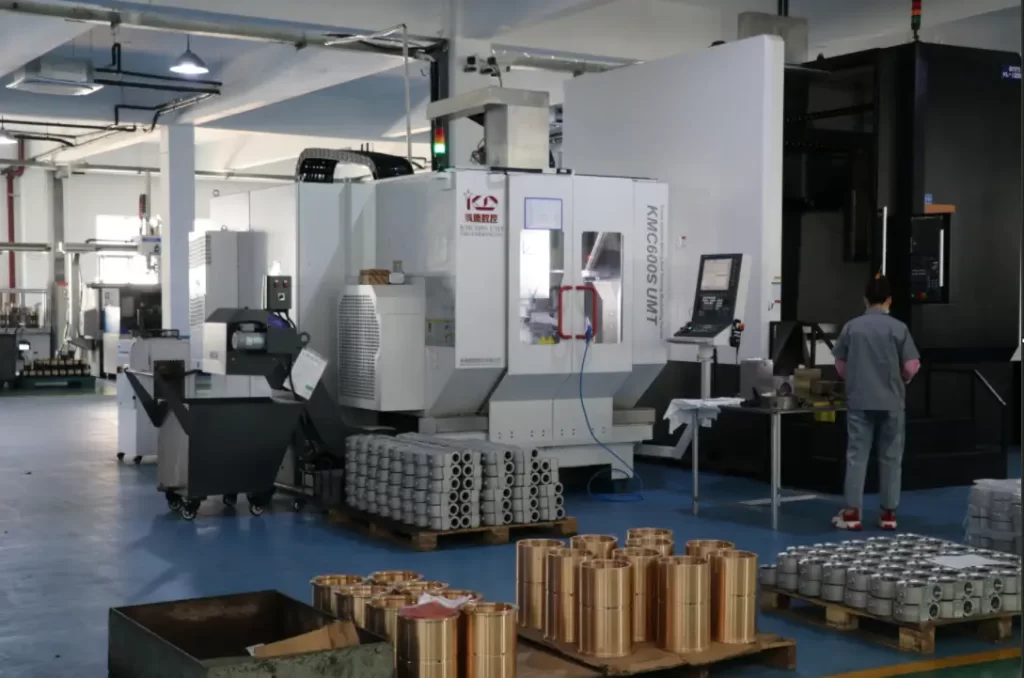
MYWAY brings over twenty years of precision manufacturing expertise to the marine bushing market, delivering ISO/IATF-certified solutions that outperform standard alternatives across every critical performance category. Our comprehensive product portfolio encompasses phosphor bronze, aluminum bronze with enhanced nickel content, and sintered bronze with PTFE or graphite inserts, ensuring optimal material selection for any application requirement. MYWAY’s manufacturing facilities utilize state-of-the-art CNC machining, automated inspection, and comprehensive quality management systems to produce consistently reliable products.
Superior dimensional stability characterizes MYWAY engineered polymer bearings, which feature proprietary non-hygroscopic formulations achieving swell rates below 0.01% after extended immersion. This outstanding dimensional control virtually eliminates the risk of hydro-lock and ensures consistent running clearance throughout the bearing service life, maintaining original performance characteristics under changing operating conditions.
Our advanced self-lubricating technology eliminates the need for external lubrication while reducing maintenance requirements by over 60%. MYWAY self-lubricating bearings incorporate graphite or PTFE throughout the bearing matrix, providing consistent low-friction performance even in challenging operating conditions. This self-lubrication capability simplifies installation, reduces ongoing maintenance costs, and eliminates the environmental risks associated with oil leakage.
MYWAY bronze alloys, particularly aluminum bronze with 3-5% nickel content, offer corrosion resistance substantially greater than traditional bronze. Our materials handle seawater, acid, and alkali environments with exceptional reliability, maintaining mechanical properties even under the most challenging marine conditions. The nickel content stabilizes the protective oxide film, preventing breakdown under high-velocity flow conditions and ensuring long-term corrosion protection.
Custom engineering capabilities deliver both standard dimensions and custom-engineered solutions to meet specific application requirements. MYWAY’s engineering team collaborates with customers to develop specialized designs for unique applications, leveraging in-house CNC machining, 3D modeling support, and rapid prototyping to accelerate development cycles. This engineering partnership ensures optimal bearing solutions for specialized marine applications.
Global supply chain reliability ensures consistent product availability for customers in over 40 countries, backed by decades of experience in demanding marine applications. MYWAY maintains strategic inventories of popular bushing sizes, while the global distribution network ensures prompt delivery to major ports and shipyards worldwide. Technical support from experienced applications engineers assists with installation, maintenance, and troubleshooting, ensuring MYWAY customers receive comprehensive value.
Quality assurance forms the foundation of MYWAY’s commitment to marine customers. Each bushing receives thorough inspection throughout the manufacturing process, with final dimensional checks ensuring compliance with customer specifications. Material test certificates document composition and properties, providing traceability and quality documentation required by classification societies. Third-party inspections from classification societies such as Lloyd’s Register, DNV, and ABS verify product quality and compliance with marine standards.
MYWAY’s experience spans diverse marine applications, from commercial shipping to naval vessels, offshore support to coastal patrol craft. This breadth of experience provides valuable insights into the unique requirements of each vessel type, allowing MYWAY to recommend appropriate bushing solutions for specific applications. Our engineering team understands the different load conditions, environmental exposures, and maintenance constraints that differentiate commercial vessels, military applications, and workboats.
Vessel operators choose MYWAY for reliability, performance, and value. Our bushings reduce maintenance costs, extend propulsion system life, and improve operational availability through superior materials and precision manufacturing. The MYWAY advantage represents a commitment to marine excellence—a dedication to providing bearing solutions that keep vessels operating safely, efficiently, and reliably throughout their service life.
FAQ
Q1: What bronze alloys are best for marine propeller bushings?
A: Aluminum bronze with nickel content offers superior corrosion resistance in seawater, handling loads up to 250 N/mm². Phosphor bronze provides excellent wear characteristics for moderate load applications on smaller vessels. Manganese bronze delivers high strength for heavy-duty propulsion systems, while leaded bronze offers enhanced machinability and embeddability for abrasive environments. The optimal alloy depends on operating conditions, load requirements, and environmental exposures specific to each application.
Q2: How often should marine propeller bushings be inspected?
A: Inspection frequency depends on vessel operating hours and conditions, but typically occurs during annual dry-docking or every 5,000 operating hours. Vessels operating in abrasive waters or under heavy loads may require more frequent inspections, while vessels in clean water with moderate loads may extend intervals. Condition-based monitoring techniques, including vibration analysis and wear debris analysis, can optimize inspection scheduling based on actual bearing condition rather than fixed intervals.
Q3: What causes premature bushing wear?
A: Abrasive contamination from sand, silt, or debris acts as lapping compound between shaft and bushing surfaces. Insufficient lubrication causes excessive friction and heat generation. Shaft misalignment concentrates loads on bearing edges. Improper clearances change operating characteristics from design values. Galvanic corrosion between dissimilar metals accelerates material degradation. Vibration and dynamic loading introduce stress cycles that promote fatigue failure.
Q4: Can bronze bushings operate without oil lubrication?
A: Yes, water-lubricated and self-lubricating PTFE bronze bushings function effectively without oil in properly designed systems. Water-lubricated bushings use seawater as the lubricating medium, offering environmental advantages. Self-lubricating bushings incorporate graphite or PTFE throughout the bearing matrix, eliminating external lubrication requirements. Both solutions reduce maintenance demands and eliminate oil discharge risks.
Q5: What clearance is recommended for marine propeller bushings?
A: Clearance specifications vary by shaft diameter and operating conditions, generally ranging from 0.001 to 0.003 inches per inch of shaft diameter. Larger clearances apply to longer bearings and higher-speed applications. Exact specifications must consider the specific operating conditions, including lubricant type, expected water temperature range, and shaft surface finish. Manufacturers typically provide clearance recommendations based on bearing design and application parameters.
Q6: How does seawater affect bronze bushings?
A: Seawater can cause corrosion through chemical and electrochemical mechanisms, necessitating alloys with proven saltwater resistance. Chloride ions accelerate corrosion by breaking down passive oxide films. Biofouling organisms can colonize bearing surfaces, disrupting lubrication and accelerating wear. Abrasive particles in seawater act as lapping compounds. However, appropriate alloy selection and design features effectively mitigate these effects.
Q7: Are MYWAY bushings suitable for high-speed vessels?
A: Yes, MYWAY offers solutions for diverse speed ranges, with materials engineered for both slow-speed heavy-load and high-speed applications. Our self-lubricating materials maintain consistent friction characteristics across speed ranges, while our bearing design capabilities optimize groove geometry for specific speed conditions. Custom engineering ensures appropriate material selection and design parameters for each application’s speed requirements.
Q8: What is the expected service life of a marine propeller bushing?
A: Service life varies with operating conditions, typically ranging from 5 to 15 years with proper maintenance. Factors influencing service life include water conditions, operating hours, load profiles, maintenance quality, and material selection. Vessels in clean water with moderate loads and regular maintenance may achieve the longest service lives, while vessels in abrasive waters may require more frequent replacement.
Q9: How do I know when to replace a propeller bushing?
A: Replacement indicators include excessive clearance exceeding specified limits, surface scoring or cracking visible through inspection, vibration detected through condition monitoring, overheating observed during operation, or visible material degradation. Many operators replace bushings when wear depth exceeds one percent of shaft diameter. Regular inspection data documents wear progression, enabling prediction of replacement timing.
Q10: Are MYWAY bushings compatible with existing shaft systems?
A: MYWAY provides standard dimensions and custom engineering services to ensure compatibility with all major shaft configurations. Our engineering team can design bushings to match specific shaft diameters, housing bores, and installation requirements. We supply bushings to international dimensional standards, ensuring interchangeability with existing bearing systems.
Q11: What is the difference between cutlass bearings and bronze bushings?
A: Cutlass bearings typically incorporate rubber staves on a bronze shell, providing compliant bearing surfaces that accommodate misalignment and absorb shock loads. Bronze bushings are solid metal components with superior load capacity and wear resistance. Cutlass bearings are commonly used in smaller vessels with lower loads, while bronze bushings serve higher-load commercial and naval applications.
Q12: Can propeller bushings be repaired rather than replaced?
A: Minor surface damage may be repairable through cleaning, honing, or minor machining to restore surface finish. However, significant wear, cracking, or dimensional changes typically require replacement. Repair decisions should consider the cost of repair relative to replacement, the technical viability of repair, and the reliability of repaired components versus new parts.
Q13: How does temperature affect bushing performance?
A: Temperature changes alter clearances through thermal expansion, affecting operating characteristics. Bronze expansion rates differ from steel shaft materials, requiring careful clearance calculation across operating temperature ranges. Cold temperatures increase fluid viscosity and start-up friction, while hot temperatures reduce viscosity and impair lubricant film formation. These temperature effects require careful material selection and clearance specification.
Q14: What maintenance practices extend bushing life?
A: Regular clearance measurement tracks wear progression and predicts replacement timing. Proper shaft alignment prevents concentrated edge loading. Contamination control through filtration and seal maintenance reduces abrasive wear. Appropriate lubrication with proper viscosity and additive levels maintains hydrodynamic lubrication. Vibration monitoring detects developing issues early. These practices collectively extend service life significantly.
Q15: Are MYWAY bushings certified for marine use?
A: Yes, MYWAY products meet ISO/IATF certification standards and marine industry requirements. We provide material test certificates confirming chemical composition and mechanical properties. Our products undergo inspection by classification societies including Lloyd’s Register, DNV, and ABS, verifying compliance with maritime safety standards. These certifications provide documented evidence of quality for regulatory compliance.
Q16: How do abrasive particles affect bushing performance?
A: Abrasives act as lapping compounds between shaft and bushing surfaces, accelerating wear and reducing service life. Hard particles score bearing surfaces, creating grooves that increase clearances and impair lubrication. Abrasive wear rates correlate with particle concentration, hardness relative to bearing materials, and velocity of movement. Groove designs that promote particle flushing help mitigate these effects.
Q17: What is the role of grooving in water-lubricated bushings?
A: Grooves facilitate water flow for lubrication and flush abrasive particles from bearing surfaces. Axial grooves provide pathways for water entry and debris ejection, maintaining a lubricating film. Circumferential grooves can improve hydrodynamic pressure generation. The groove geometry—width, depth, and spacing—significantly influences the bearing’s ability to maintain a lubricating film under various operating conditions.
Q18: Can dissimilar metals cause bushing problems?
A: Yes, galvanic corrosion between shaft and bushing materials can accelerate degradation in seawater environments. The electrochemical potential difference between steel shafts and bronze bushings drives corrosion currents through conductive seawater. This corrosion attacks the more active material, typically the shaft. Cathodic protection systems and insulating components control galvanic corrosion when properly designed.
Q19: What are the advantages of self-lubricating bronze bushings?
A: Self-lubricating bushings eliminate the need for external oil or water lubrication, reducing maintenance demands and environmental risks. They provide consistent low-friction operation even during start-up and boundary lubrication conditions. These bushings simplify installation by removing lubrication system requirements and reduce ongoing maintenance costs. They operate effectively in applications with limited access or contamination concerns.
Q20: Does MYWAY offer custom bushing dimensions?
A: Yes, MYWAY provides comprehensive custom engineering capabilities for specialized applications. Our engineering team collaborates with customers to develop designs for specific shaft sizes, housing configurations, and operating conditions. We utilize in-house CNC machining, 3D modeling, and rapid prototyping to deliver custom solutions quickly and accurately.
100000+ Types of Bushings – Contact Us for Details