sleeve bearings

The Sound of Metal: Why Casting Defines a Great Bushing
Bronze Bushing

The Sound of Metal: Why Casting Defines a Great Bushing

Walk through any heavy industrial plant—a steel mill, a mining operation, a working port—and you’ll hear it. Buried beneath the roar of engines and the clank of conveyors, there’s a deeper, more rhythmic sound. It’s the sound of metal meeting metal, of brute force channeled into precision movement. At the heart of that sound, quite often, is a simple component doing an impossibly hard job: a bushing.
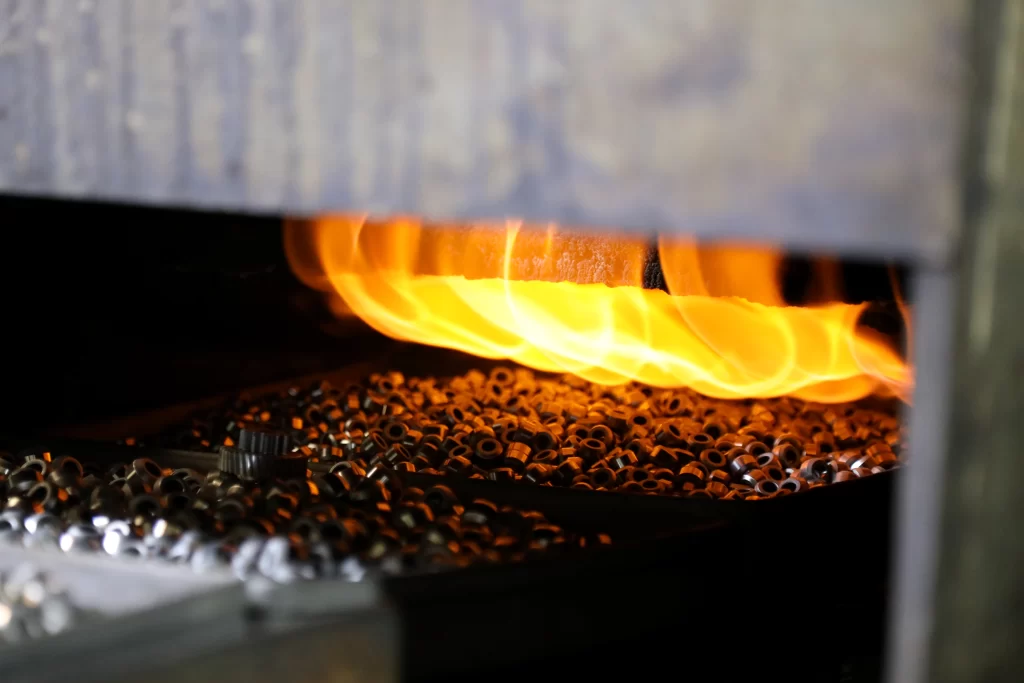
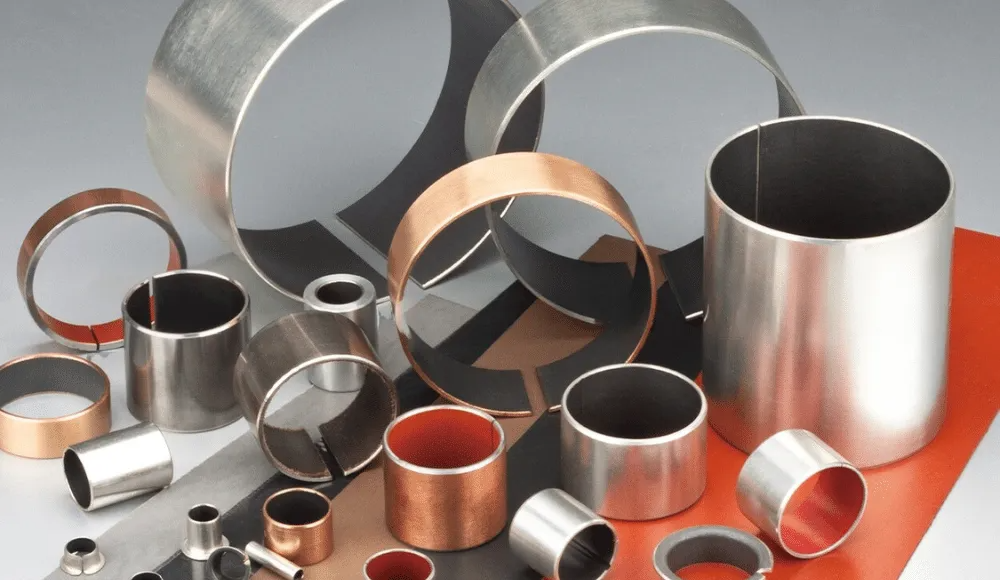
Sintered Bearings: Self-Lubricating Technology That Outlasts Conventional Metals
Interpretation of Bushing Knowledge

Sintered Bearings: Self-Lubricating Technology That Outlasts Conventional Metals

If you’ve ever used a power tool, driven a car, or opened a refrigerator, you’ve relied on a sintered bearing. These unassuming components are the unsung heroes of modern machinery—quietly rotating millions of times without maintenance, surviving in dusty environments where precision bearings would seize, and doing it all at a fraction of the cost of traditional alternatives.

Surface Finishes for Slide Bearing Plain Bushings: Achieving Optimal Performance and Longevity
Interpretation of Bushing Knowledge

Surface Finishes for Slide Bearing Plain Bushings: Achieving Optimal Performance and Longevity

Introduction: Why Surface Finish Deserves Your Attention

Let’s be honest—when you’re designing a mechanical system, the humble bushing doesn’t always get the spotlight. But here’s the thing: the difference between a machine that runs smoothly for years and one that fails prematurely often comes down to what’s happening at the microscopic level. Specifically, the surface finish of your slide bearing plain bushings.

Bimetal Bushings
Interpretation of Bushing Knowledge

Bimetal Bushings: The Strength and Performance

Bimetal bushings are the workhorses of the industrial world, engineered to thrive where ordinary bushings fail. You’ll find them at the core of heavy machinery—in the relentless pivot of an excavator’s arm, the high-impact vibrations of a drill rig, and the constant, precise oscillation of a concrete pump’s boom. They are the critical, often-overlooked component that ensures motion is smooth, reliable, and long-lasting under extreme pressure. At their essence, a bimetal bushing is a masterclass in material synergy: it combines the brute strength of steel with the superior, wear-resistant glide of a bronze alloy to create a component greater than the sum of its parts.

Gunmetal Bushings: Quality, Applications & MYWAY Solutions
Bronze Bushing

Gunmetal Bushings: Properties and Industrial Applications

In the world of industrial machinery and precision engineering, the choice of components can make or break performance, efficiency, and longevity. Among these critical parts, gunmetal bushings stand out as a cornerstone material for countless applications. But what exactly are they, why are they so highly regarded, and how can you ensure you’re getting the best quality? This in-depth guide will answer all your questions and introduce you to MYWAY’s premium solutions.

Copper Bushings in Water: Unlock Reliability in Marine, Hydraulic & Submerged Applications
Bronze Bushing

Copper Bushings in Water: Unlock Reliability in Marine, Hydraulic & Submerged Applications

For engineers and procurement specialists across industries—from heavy machinery and marine applications to the precise world of food processing—the quest for reliability is never-ending. When a critical bushing fails under high load in a submerged pump, or a bearing seizes in a remote, grease-free application, the cost extends far beyond the component itself: it’s measured in downtime, lost productivity, and urgent maintenance.

What is the Difference Between Bushing & Bearing?
Bushing VS Bearing

What is the Difference Between Bushing & Bearing?

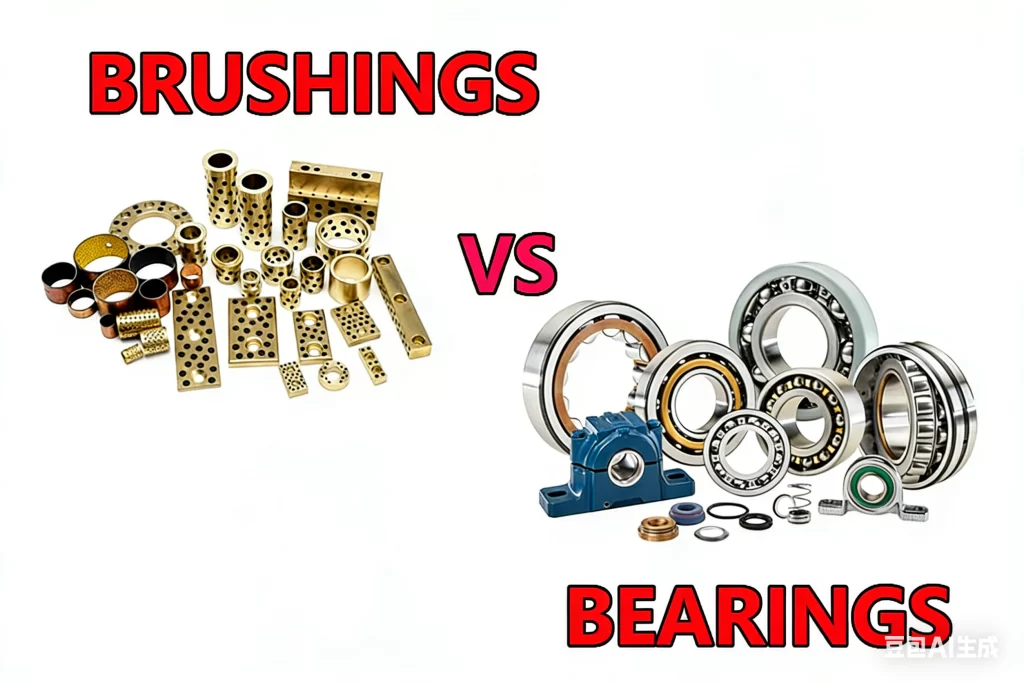
In the world of mechanical engineering, few choices are as fundamental as selecting the right component to manage motion and reduce friction between moving parts. While the terms “bushing” and “bearing” are often used interchangeably in casual conversation, confusing them in a design specification can lead to catastrophic failures, increased maintenance costs, and compromised system performance.

Scroll to Top