
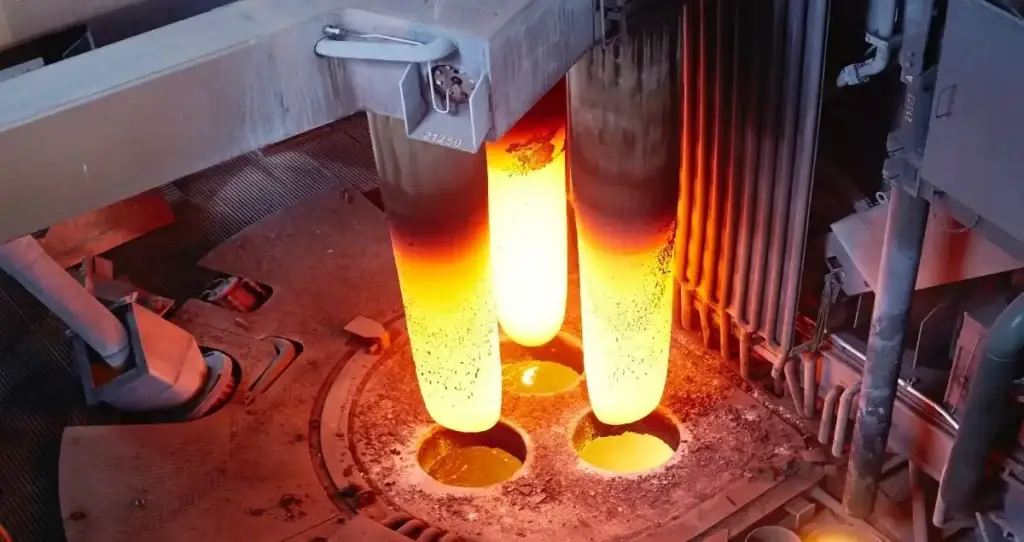
What Is DRI? Direct Reduced Iron, HBI, and the Metallurgical Value Behind Modern EAF Steelmaking
Direct reduced iron, usually abbreviated DRI and often called sponge iron, is an ore-based metallic iron feedstock made by removing chemically bound oxygen from iron oxide without melting the ore. The result is a porous, iron-rich product that can be used in electric arc furnace steelmaking, blast furnaces, basic oxygen furnaces, foundries, and selected ironmaking routes. DRI is increasingly important because it can supply low-residual iron units when scrap quality is limited and because direct reduction can be paired with natural gas, syngas, or hydrogen-based reducing gas.
A useful DRI discussion must go beyond the definition. Buyers need to understand metallization, total iron, gangue, carbon, sizing, fines, density, reoxidation, transport classification, HBI conversion, charging method, and melt-shop economics. A product with high iron content can still be a poor choice if it is not compatible with the EAF charge mix, storage system, furnace slag practice, logistics route, or desired steel grade.