
Recent Posts
What the Bronze Bushing is: A Deep Dive into Engineering Workhorse
If you work with machinery, you already know the name. But do you really know what makes a bronze bushing the go-to solution for engineers who refuse to compromise? Whether you call them bronze bearings, sleeve bearings, or plain bushings, these cylindrical components are the unsung heroes keeping your equipment running .
Let’s cut through the technical jargon and talk about what bronze bushings actually are, why they outperform other materials, and how to choose the right one for your application. Spoiler alert: by the end of this, you’ll understand why MYWAY has been obsessed with perfecting them since 2005.
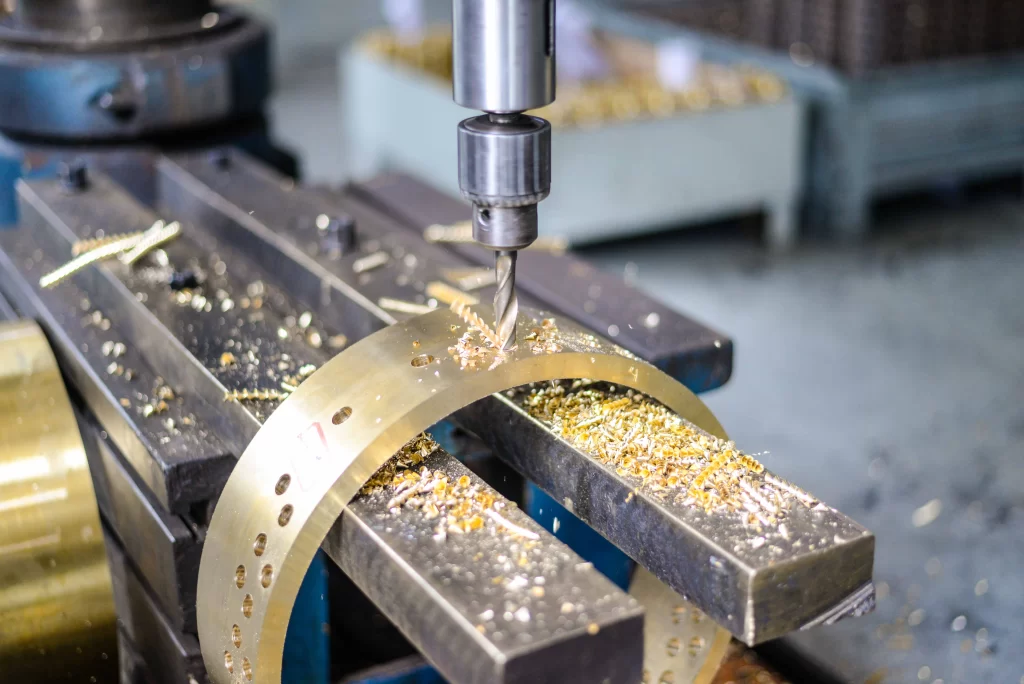
Table of Contents
1. So, What Exactly Is a Bronze Bushing?
Here’s the simple version: a bronze bushing is a cylindrical component designed to reduce friction between moving parts . Think of it as a sacrificial layer—it takes the wear so your expensive shaft doesn’t have to.
The “bronze” part matters. Bronze isn’t just one thing—it’s a family of copper-based alloys engineered for specific jobs. While the ancient recipe was simply copper and tin, modern bronze bearing materials are precision-formulated with elements like aluminum, phosphorus, lead, or manganese to hit exact performance targets.
Here’s what makes bronze special:
It’s naturally resistant to corrosion (seawater? No problem)
It handles heavy loads without deforming
It plays well with others—low friction against steel shafts
It dissipates heat effectively
It can be formulated to be self-lubricating
2. The Main Types of Bronze Bushings You'll Encounter
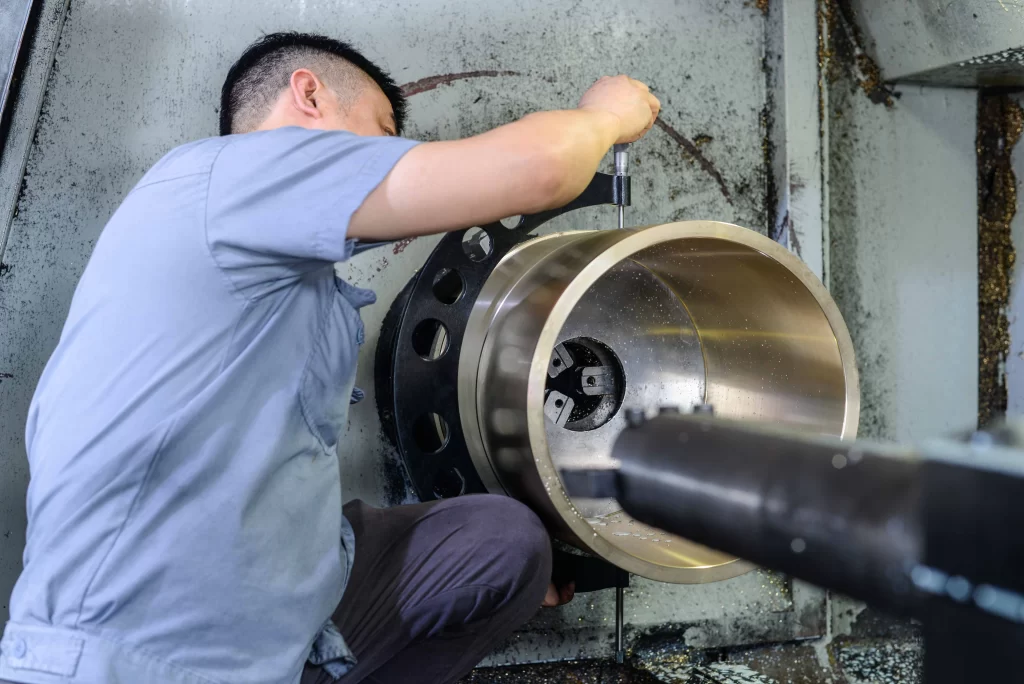
Not all bushings are created equal. Here’s the breakdown of what’s available and when to use each.
Sintered Bronze Bushings: The Self-Oilers
These are fascinating. Sintered bronze bushings start as metal powder, compressed under high pressure, then heated to fuse the particles . The result? A porous structure—imagine a metallic sponge. These pores get vacuum-impregnated with oil .
How they work: When the shaft rotates, it generates heat and pressure. This “wakes up” the oil, which seeps out of the pores to create a lubricating film. When motion stops, the oil gets sucked back in . Genius, right?
Best for: Applications with high speeds, variable loads, or limited space where regular maintenance is difficult . Common in household appliances, power tools, and automotive components .
Cast Bronze Bushings: The Heavy Lifters
When you melt bronze and pour it into a mold, you get cast bronze bushings. These are denser and stronger than sintered versions, with no porosity .
Best for: High-load, low-speed applications where brute strength matters more than self-lubrication. Think construction equipment, large pumps, and heavy machinery.
Graphite-Plugged Bronze Bushings: The Problem Solvers
Sometimes you need lubrication, but oil or grease won’t work—maybe it’s too hot, or contamination is a concern. Enter graphite-plugged bronze bushings. Solid graphite plugs are inserted into holes drilled in the bronze.
How they work: As the shaft turns, graphite transfers onto the shaft surface, creating a dry lubricating film . No oil, no mess, no maintenance.
Best for: High-temperature environments, food processing equipment (where oil contamination is unacceptable), and applications you can’t access for relubrication.
Flanged Bronze Bushings vs. Sleeve Bushings
This is about shape, not material:
Sleeve bushings are straight cylinders—simple and effective for radial loads
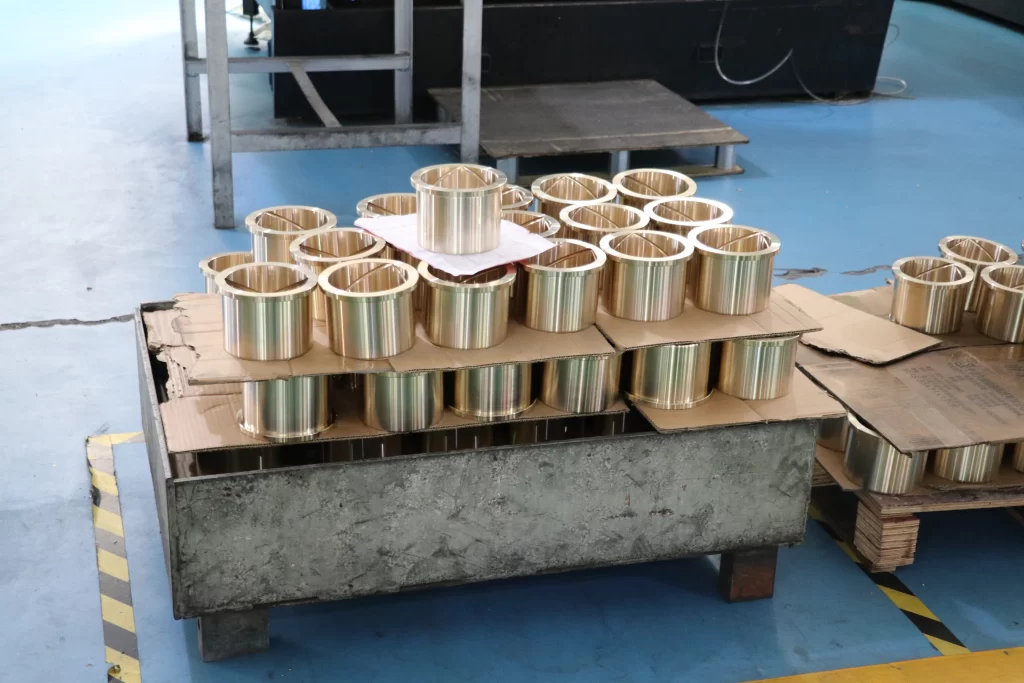
Flanged bronze bushings add a rim at one end to handle axial thrust loads and simplify installation
3. The Nitty-Gritty: Bronze Bushing Materials and Standards
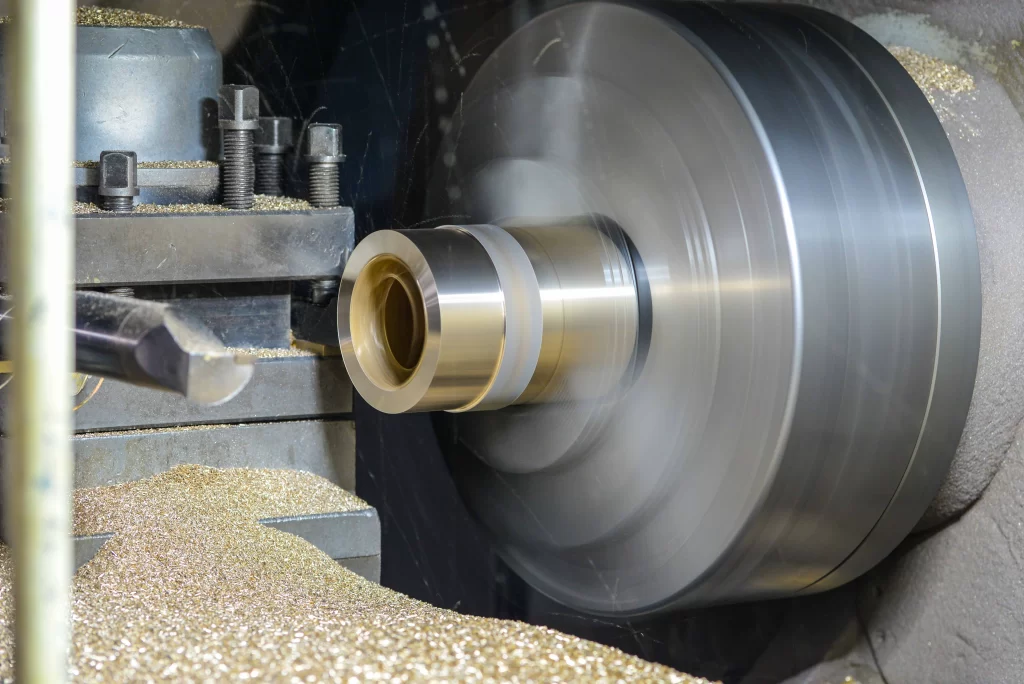
If you’re sourcing from global suppliers, you need to speak the language of material standards. Here’s your cheat sheet.
Common Bronze Alloys for Bushings
| Alloy Type | UNS Number | Key Properties | Typical Applications |
|---|---|---|---|
| Leaded Tin Bronze | C93200 (SAE 660) | Great machinability, good strength | General industrial bearings, automotive |
| Tin Bronze | C90700 | High wear resistance, “gear bronze” | Gears, heavy-load bearings |
| Aluminum Bronze | C95400, C95500 | Superior strength, saltwater corrosion resistance | Marine equipment, pumps, heavy-duty bearings |
| Phosphor Bronze | C51000, C54400 | Excellent fatigue resistance, low friction | Springs, electrical contacts, precision instruments |
| High-Leaded Tin Bronze | C93700 | Self-lubricating properties | High-speed, light-load applications |
Understanding PV Values
Here’s where engineering gets real. PV value—Pressure times Velocity—tells you how much work a bushing can handle .
Powdered metal bushings: Max PV around 50,000
SAE 660 cast bronze: Max PV around 75,000
Aluminum bronze: Can hit PV of 125,000+
Higher PV means the bushing can handle more speed and load simultaneously. When a manufacturer needed to upgrade to a “heavy duty” product line, they jumped from powdered metal to aluminum bronze bushings to achieve the PV 100,000+ they needed .
Sintered Bronze Technical Specs
If you’re working with oil-impregnated bronze bushings, here are the numbers that matter :
Density: 6.4-7.5 g/cm³
Oil content: 18-23% by volume
Hardness: HB 30-75
Temperature range: -100°C to +200°C
4. Where You'll Find Bronze Bushings in Action
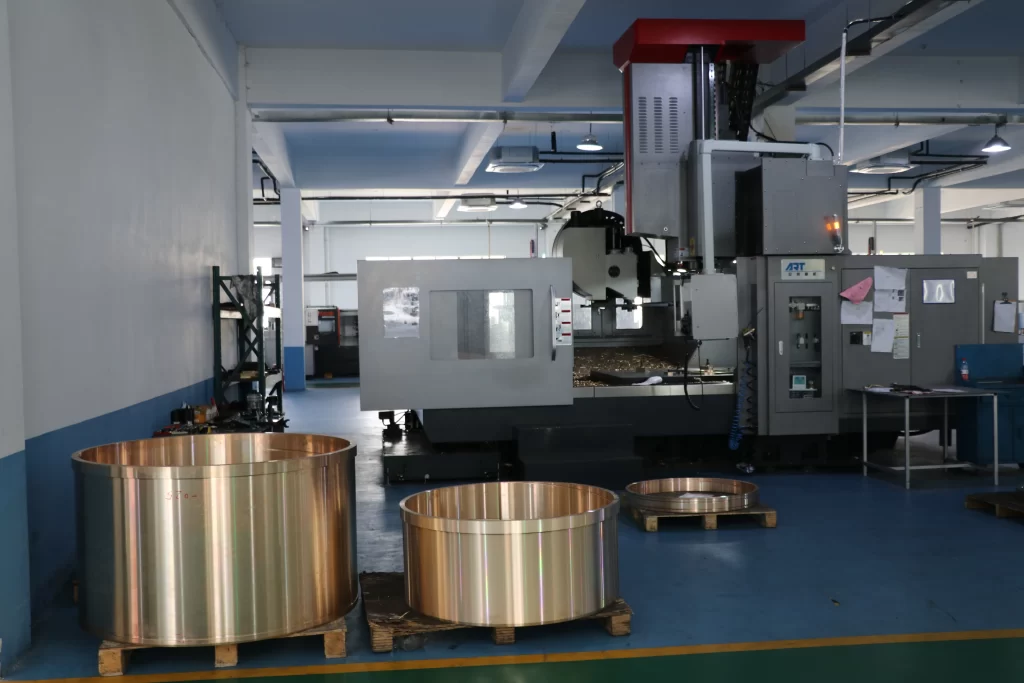
Walk through any industrial facility, and you’ll spot bronze bushings everywhere once you know what to look for.
Industrial Machinery
Those pivot points on presses? Rotating shafts on conveyors? Bronze bushings are handling the load, providing low-friction movement day after day.
Automotive Applications
Your vehicle likely contains multiple bronze bushings—in suspension components, steering systems, and transmission linkages. They handle vibration, absorb shock, and keep things moving smoothly .
Marine Equipment
Bronze naturally resists saltwater corrosion, making it the material of choice for propeller shafts, rudder assemblies, and deck equipment . Aluminum bronze, in particular, thrives in marine environments.
Agricultural Machinery
Farm equipment faces dust, dirt, vibration, and unpredictable loads. Bronze bushings shrug off these conditions, reducing maintenance during critical planting and harvest seasons .
Construction and Mining
Excavators, loaders, crushers—these machines put enormous stress on components. Bronze bushings provide the durability needed to survive on job sites .
Power Generation
Wind turbines use bronze bushings in gearboxes and blade pitch mechanisms . Hydroelectric plants rely on them for turbine shafts. When equipment runs 24/7 in remote locations, reliability isn’t optional.
5. Bronze Bushings vs. The Competition
Bronze vs. Plastic Bushings
Plastic bushings have their place—they’re lightweight, quiet, and inexpensive initially . But here’s the trade-off:
Plastic limitations:
Lower load capacity
Temperature sensitive
Can deform under sustained load
May absorb moisture or chemicals
Bronze advantages:
Handles higher loads and temperatures
Dimensionally stable over time
Excellent heat dissipation
Naturally corrosion-resistant
Recyclable and sustainable
One manufacturer notes that oil-impregnated bronze bearings can fail when movement stops—the oil film dries up, leading to squeaking and increased friction . However, this is where bushing selection matters: graphite-plugged or specific alloy choices address exactly this scenario.
Bronze vs. Ball Bearings
Ball bearings excel at high-speed, precision rotation. But they’re also more expensive, sensitive to shock loads, and require precise alignment. Bronze sleeve bearings handle misalignment better, absorb vibration, and cost significantly less .
6. Why Your Choice of Bronze Bushing Matters
Maintenance Costs Add Up
Here’s a reality check: the initial purchase price of a bushing is a tiny fraction of its lifetime cost. Downtime for replacement, labor costs, and lost production dwarf component costs.
Quality bronze bushings reduce maintenance frequency. In sugar mills, for example, premium bronze covers last through multiple harvest seasons, avoiding replacements during peak production .
The Right Alloy Extends Equipment Life
That manufacturer upgrading to aluminum bronze didn’t just solve an immediate problem—they extended the life of their entire product line and gained market share . The right bushing material makes your equipment more competitive.
Installation Matters
Even the best bronze bushing fails if installed poorly. Key considerations:
Proper housing fits (typically H7 tolerance)
Correct shaft clearance
Appropriate lubrication strategy
Alignment verification
7. Why Global Engineers Trust MYWAY for Bronze Bushings
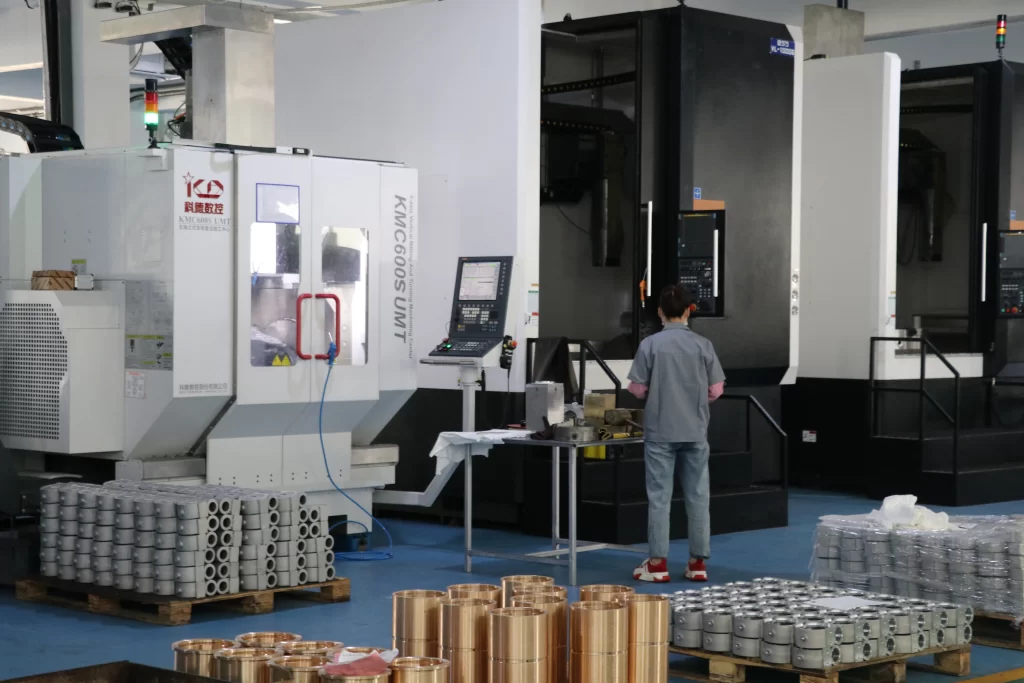
Here’s where we get personal. At MYWAY, we’ve been manufacturing bronze bearings and bushings since 2005. We’re not just suppliers—we’re engineers who understand what’s at stake when your machinery stops.
What sets us apart:
1. End-to-end control. We don’t outsource critical steps. From raw material casting to precision machining, we own the process. That 35,000-ton annual casting capacity isn’t just a number—it means consistency you can count on.
2. Material expertise. Whether you need C93200 for general industrial use, C95400 aluminum bronze for marine applications, or a custom formulation, we speak alloy chemistry fluently. We serve industry leaders like XCMG, SANY, and Great Wall Motors because we deliver exactly what the specs require.
3. Engineering collaboration. Our in-house team doesn’t just take orders—we solve problems. Need help with design optimization? Material selection for an unusual application? Rapid prototyping? We’re ready.
4. Responsive delivery. That 5,000㎡ automated warehouse isn’t for show. It means when you have an urgent order, we ship. Fast.
5. Global standards compliance. We manufacture to ASTM, SAE, and DIN standards. Whether you’re specifying UNS C90700 or CuSn12-C, we deliver functionally equivalent materials that perform .
Frequently Asked Questions About Bronze Bushings
Q: Do bronze bushings need lubrication?
A: It depends on the type. Oil-impregnated bronze bushings contain lubricant in their pores and can run maintenance-free in many applications . Cast bronze bushings typically require external lubrication—oil or grease—to reduce wear and extend life. Graphite-plugged bushings provide dry lubrication without oil.
Q: What’s the difference between a bushing and a bearing?
A: In practice, the terms overlap. Generally, a bushing is a single-piece cylinder (sleeve bearing), while a bearing might refer to rolling-element types (ball bearings). Both reduce friction between moving parts .
Q: How do I choose the right bronze bushing material?
A: Consider your operating conditions:
Load (light, moderate, heavy)
Speed (low, medium, high)
Environment (dry, wet, corrosive, high-temperature)
Lubrication availability
Shaft material and hardness
Match these to alloy properties. For marine use, aluminum bronze. For general machinery, leaded tin bronze (C93200). For self-lubricating needs, sintered bronze or graphite-plugged.
Q: What PV value do I need?
A: Calculate your application’s actual PV (pressure in PSI × velocity in fpm) and select a material with a higher allowable PV. Safety factor matters—don’t run at the ragged edge .
Q: Can you make custom sizes?
A: Absolutely. Standard sizes are available off-the-shelf, but we routinely produce custom bronze bushings to customer specifications—special diameters, lengths, groove patterns, or flange configurations.
Q: How long do bronze bushings last?
A: Service life depends on operating conditions, material selection, and maintenance. In well-designed applications with proper lubrication, bronze bushings can outlast the equipment they’re installed in. That manufacturer upgrading to aluminum bronze did so specifically to increase product life and market share .
Q: Are bronze bushings recyclable?
A: Yes—and that’s increasingly important. Bronze retains its value as scrap, and responsible manufacturers offer recycling programs .
The Bottom Line on Bronze Bushings
Here’s what you need to remember: bronze bushings aren’t commodities—they’re engineered components that make or break equipment performance. The right bushing reduces maintenance, extends machine life, and saves money that never shows up on a purchase order.
The wrong bushing? That’s downtime, replacement costs, and headaches you don’t need.
At MYWAY, we’ve spent nearly two decades perfecting bronze bearing materials and manufacturing processes. We’ve supplied industry giants and small shops alike, and every customer gets the same commitment to quality.
Ready to spec your next project? Contact our team with your requirements—bearing type, dimensions, quantity, and any OEM part numbers. We’ll respond with a comprehensive quote and engineering support to make sure you get exactly what your application demands.
100000+ Types of Bushings – Contact Us for Details