
Recent Posts
MYWAY Bronze & Brass: The Ultimate Guide to Copper Alloys & High-Performance Bushings
Introduction Bronze & Brass
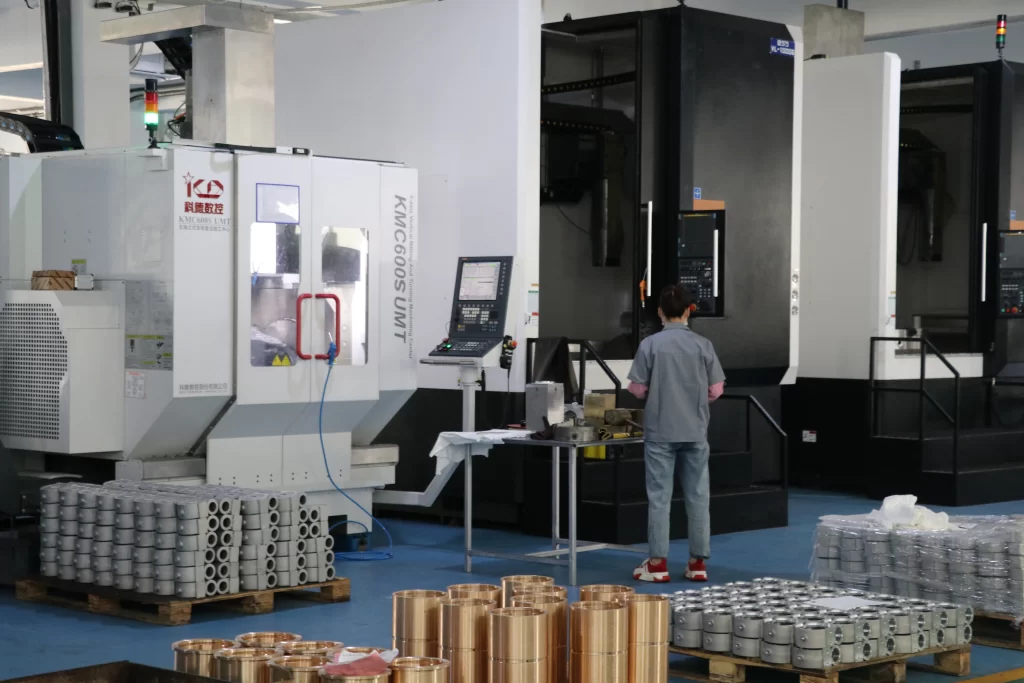
When it comes to industrial metals, bronze and brass stand out as two of the most versatile, time-tested copper alloys—often called “red metals” for their distinct reddish-gold hues. For over 5,000 years, these materials have shaped engineering, art, and manufacturing, and today they remain irreplaceable in machinery, plumbing, automotive, marine, and electrical sectors. At MYWAY, we specialize in transforming premium bronze and brass into precision-engineered bushings, bearings, and custom components trusted by global industries. In this comprehensive guide, we break down brass vs. bronze: their composition, properties, applications, and why MYWAY alloy bushings are the top choice for heavy-duty, long-lasting performance.
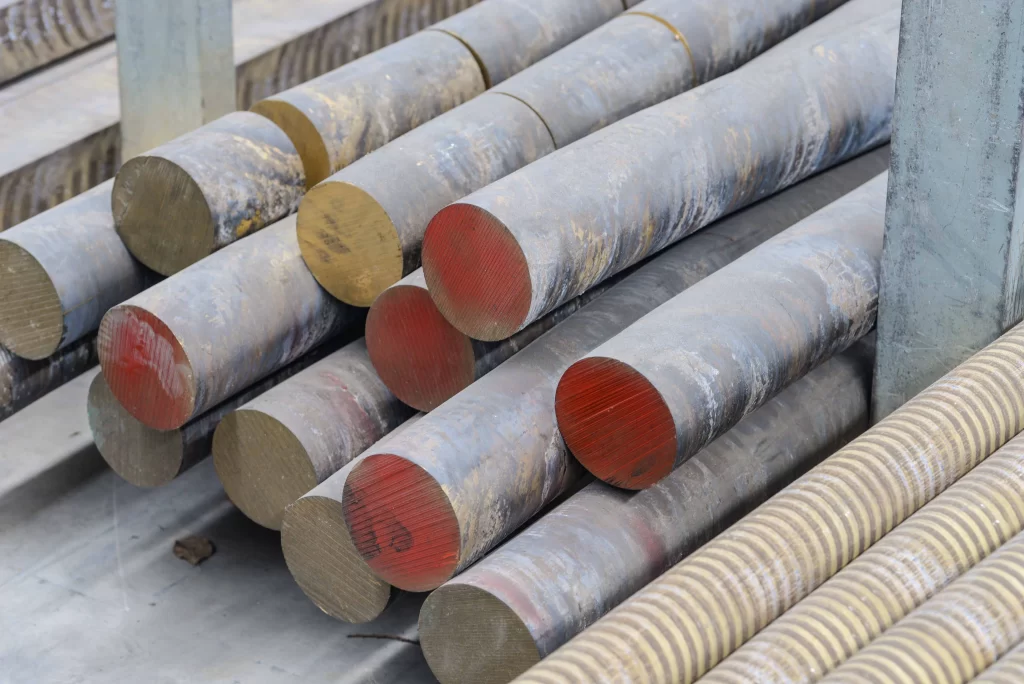
Table of Contents
1. What Are Bronze & Brass?
Both are copper-based alloys (primary element: copper, 55–95%), but their secondary metals create vastly different performance traits.
- Color: Bright yellow to golden (higher zinc = brighter gold; lower zinc = reddish-yellow)
- Melting point: ~900°C (lower than bronze)
- Key traits: Highly malleable, easy to machine, good corrosion resistance, non-magnetic, excellent thermal/electrical conductivity
- Red brass: 85–95% Cu, low zinc—superior corrosion resistance, reddish tone
- Yellow brass: 60/40 Cu-Zn—balanced strength, ductility, and machinability
- Leaded brass: 1–3% lead—enhanced machinability for precision parts
- Admiralty brass: Cu-Zn + tin—resists seawater corrosion
What Is Bronze?
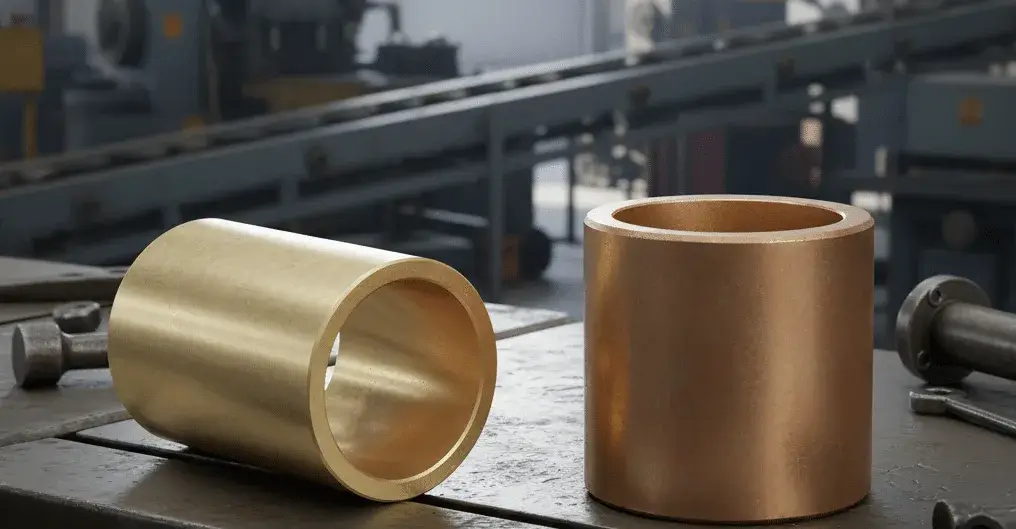
- Color: Reddish-brown to dull gold (darker, richer tone than brass)
- Melting point: ~950°C (higher than brass)
- Key traits: Harder, more brittle, exceptional wear/corrosion resistance (especially saltwater), low metal-to-metal friction, non-magnetic
- Tin bronze: Classic Cu-Sn—great wear resistance for bearings/bushings
- Phosphor bronze: Cu-Sn-P—superior elasticity/fatigue resistance (springs, contacts)
- Aluminum bronze: Cu-Al—high strength, chemical corrosion resistance (marine, oil/gas)
- Silicon bronze: Cu-Si—good conductivity, corrosion resistance (electrical, construction)
2. Brass vs. Bronze: Full Property Comparison
| Property | Bronze | Brass |
|---|---|---|
| Composition | Cu + Sn (5–12%) + Al/Si/P | Cu + Zn (5–45%) + Pb/Sn |
| Hardness | Harder, higher wear resistance | Softer, more malleable |
| Tensile strength | Higher (durability under heavy load) | Lower but sufficient for structural use |
| Machinability | Harder to machine | Easier to machine/shape |
| Ductility | Less ductile, more brittle | More ductile, bendable |
| Friction | Ultra-low metal-to-metal friction | Low friction (needs lubrication) |
Chemical & Environmental Properties
| Property | Bronze | Brass |
|---|---|---|
| Corrosion resistance | Excellent (marine/saltwater/harsh chemicals) | Good (indoor/non-aggressive environments) |
| Oxidation | Forms protective brown patina | Tarnishes to greenish verdigris |
| Saltwater performance | Highly resistant (ideal for marine use) | Prone to dezincification (corrosion) |
| Acid resistance | More acid-resistant | Susceptible to strong acids |
| Conductivity | Lower electrical/thermal conductivity | Higher (ideal for electrical/heat transfer) |
| Magnetism | Non-magnetic | Non-magnetic (slight if leaded) |
3. Key Applications of Bronze & Brass (Industrial & Commercial)
Top Bronze Applications
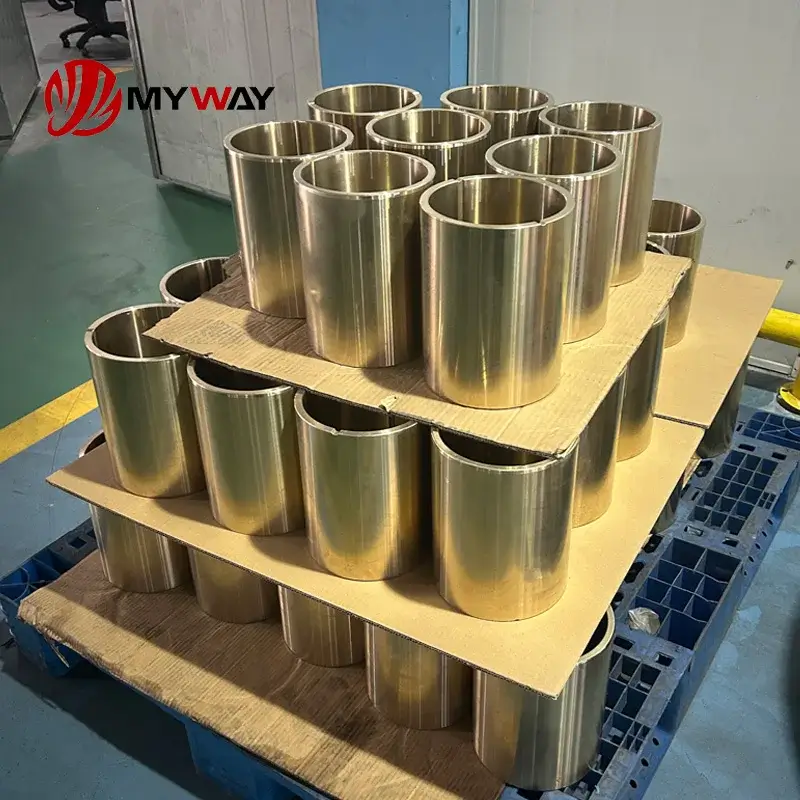
- Bearings & bushings: Unmatched wear resistance and low friction make bronze the gold standard for heavy machinery, excavators, tractors, and industrial bearings.
- Marine hardware: Ship propellers, rudders, fittings, and underwater components—resists saltwater corrosion and biofouling.
- Sculptures & art: Durable, develops a protective patina; preserves details for centuries.
- Electrical connectors/springs: Phosphor bronze’s elasticity ensures reliable contacts in switches and sensors.
- Valves & pumps: Aluminum bronze withstands chemical corrosion in oil/gas and industrial processing.
Top Brass Applications
- Plumbing & fittings: Pipes, valves, faucets—easy machining, corrosion resistance, and tight seals.
- Electrical components: Terminals, connectors, wiring—superior conductivity and durability.
- Musical instruments: Trumpets, saxophones, guitar strings—excellent acoustic properties and workability.
- Decorative hardware: Door knobs, railings, fixtures—bright gold finish and corrosion resistance.
- Light-duty bushings: Instrumentation, consumer goods—cost-effective for low-stress use.
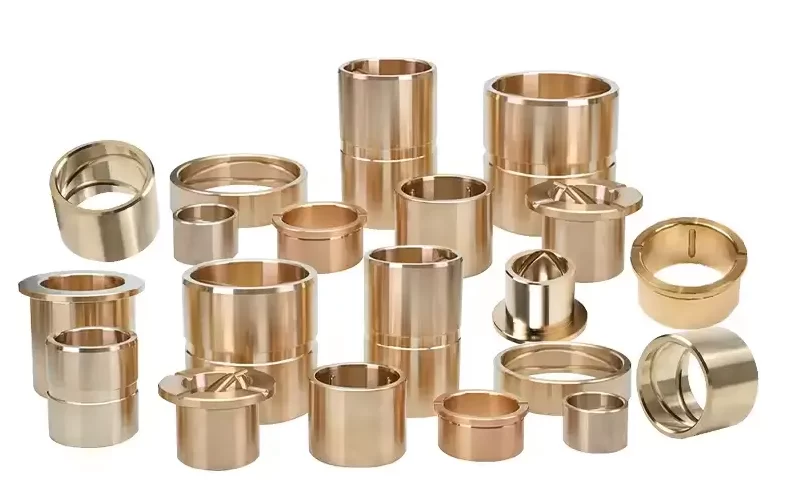
4. Why MYWAY Bronze & Brass Bushings Lead the Industry
MYWAY Bronze Bushings: Built for Extreme Performance
- Premium alloys: We use high-grade Cu-Sn, aluminum bronze (C95400 with 3–5% nickel), and phosphor bronze—corrosion resistance 1.5x traditional bronzeMYWAY.
- Extreme durability: Handles 140–250N/mm² loads, resists temperatures up to 800°C, and performs flawlessly in seawater, acid, and alkali environmentsMYWAY.
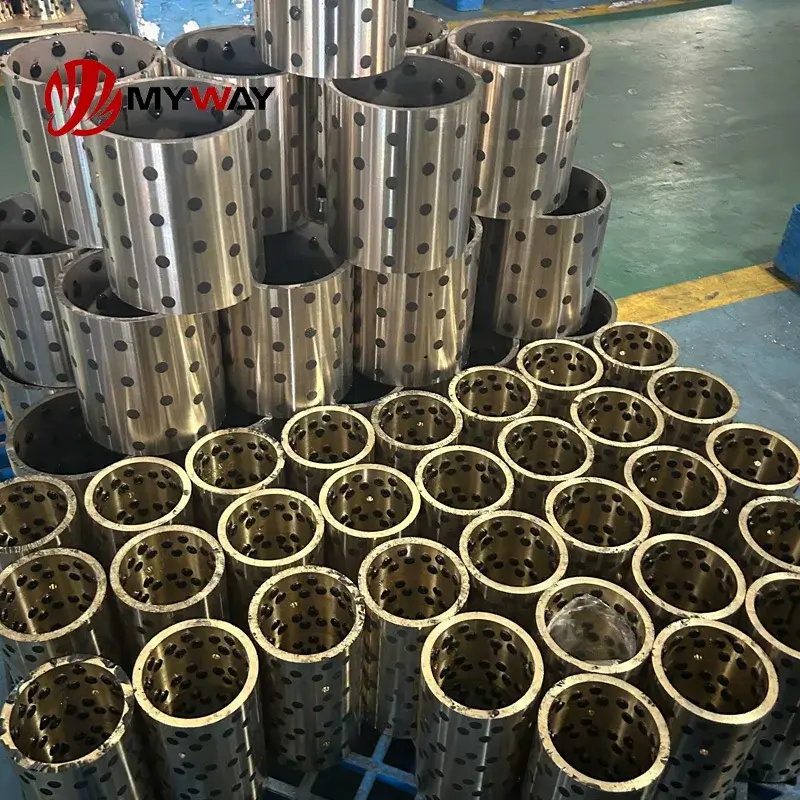
- Self-lubricating technology: Sintered bronze with graphite/PTFE inserts—no external lubrication needed, reduces maintenance by 60%+MYWAY.
- Advanced finishing: Copper plating, nickel plating, and electrolytic polishing boost corrosion resistance and service lifeMYWAY.
- Perfect for: Excavators, bulldozers, marine equipment, heavy machinery, bearings, and high-wear industrial parts.
MYWAY Brass Bushings: Cost-Effective Precision
- High-quality brass alloys: CuZn37, CuZn40Pb2, and custom grades—optimized for machinability, ductility, and corrosion resistance.
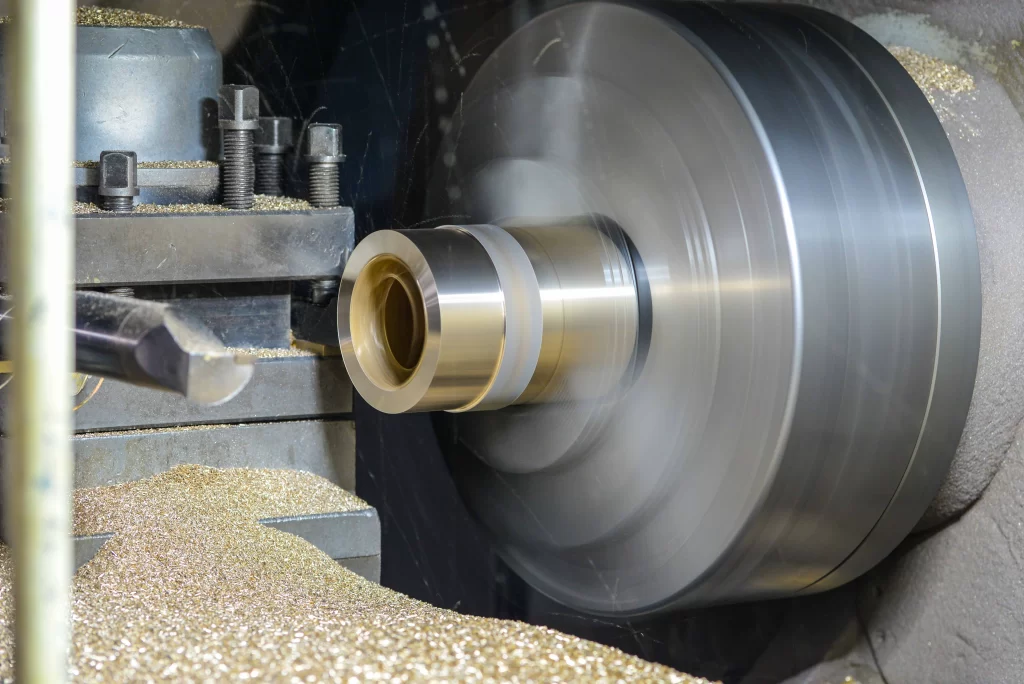
- Precision CNC machining: Tight tolerances (±0.001mm) for custom designs, complex shapes, and mass production.
- Versatile performance: Ideal for plumbing, electrical, light industrial, automotive, and decorative components.
- Cost-efficient: Lower material cost without sacrificing quality—ideal for high-volume orders.
Core MYWAY Advantages (All Bushing Types)
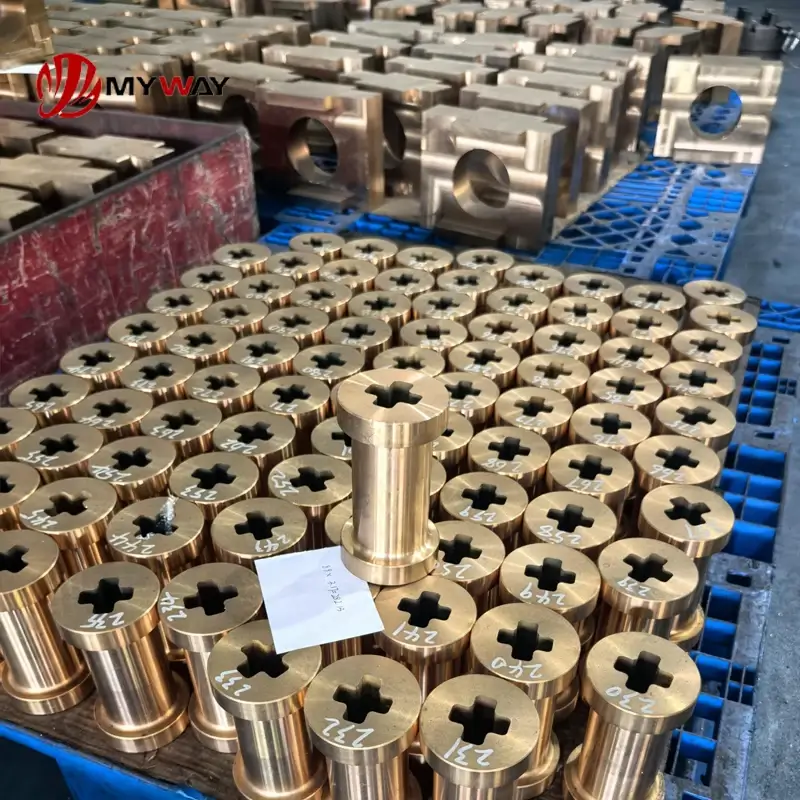
- Customization: OEM/ODM services—tailor size, material, coating, and design to your exact specsMYWAY.
- Quality assurance: Full material testing, dimensional inspection, and ISO 9001/IATF 16949 certificationMYWAY.
- R&D innovation: Continuous alloy improvements—enhanced oil conduction, compressive strength, and wear resistanceMYWAY.
- Global supply: Fast lead times, worldwide shipping, and dedicated technical supportMYWAY.
- Longevity: MYWAY bushings last 2–3x longer than standard alternatives—reducing downtime and replacement costs.
5. How to Choose: MYWAY Bronze Bushing vs. Brass Bushing
- You need heavy load capacity (construction, mining, agricultural machinery).
- Operation is in harsh environments (saltwater, chemicals, high temperatures).
- Wear resistance is critical (bearings, gears, long-service parts).
- You want minimal maintenance (self-lubricating options available)MYWAY.
- You need precision machining for complex shapes (plumbing, electrical components).
- Application involves low-to-moderate loads (consumer goods, instrumentation).
- Cost efficiency is a priority (high-volume orders).
- You value bright aesthetics (decorative hardware, musical instruments).
6. Frequently Asked Questions (FAQ) – Bronze, Brass & MYWAY Bushings
1. Is bronze stronger than brass?
2. Does brass or bronze rust?
3. Which is better for marine use: brass or bronze?
4. Are MYWAY bushings self-lubricating?
5. Can MYWAY make custom bushings?
6. How long do MYWAY bushings last?
7. Are brass/bronze magnetic?
8. What industries use MYWAY bushings?
9. What’s the price difference between MYWAY bronze and brass bushings?
10. Are MYWAY bushings eco-friendly?
7. Conclusion: MYWAY Bronze & Brass—Your Partner in Industrial Excellence
Ready to Elevate Your Machinery? Contact MYWAY Today
- Unmatched durability and wear resistance
- Reduced maintenance and downtime
- Custom solutions for your unique needs
- Global support and fast delivery
100000+ Types of Bushings – Contact Us for Details