
Recent Posts
Thermal Metallurgy in Motion: The Critical Role of Alloy Melting Behavior in Bushing Performance and Reliability
Introduction
In the demanding environments of heavy industry, the melting characteristics of metallic alloys serve as the fundamental determinant of component longevity. While operational temperatures never intentionally approach the melting threshold, the margin between standard operating conditions and the solidus point of an alloy defines the safety buffer against thermal degradation, friction-induced heat spikes, and catastrophic failure. This principle carries particular significance in the metallurgy sector, where rolling mills, casting equipment, and extrusion presses subject bearings and bushings to extreme loads, elevated temperatures, and continuous operation.
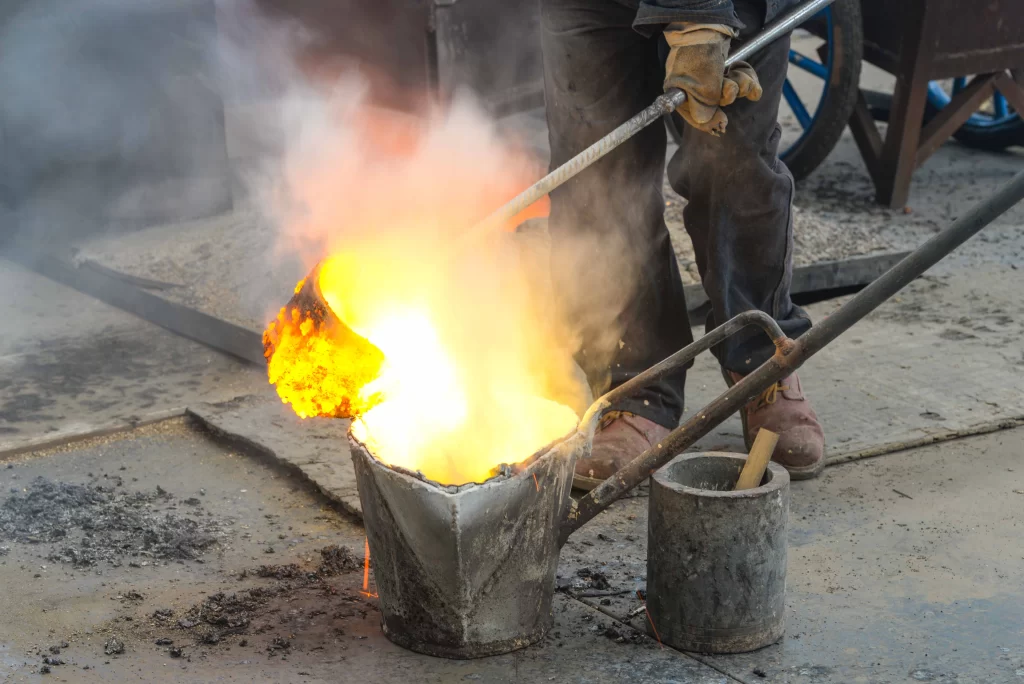
Table of Contents
1. The Metallurgical Foundation: Understanding Alloy Melting Behavior and Its Impact on Bushing Performance
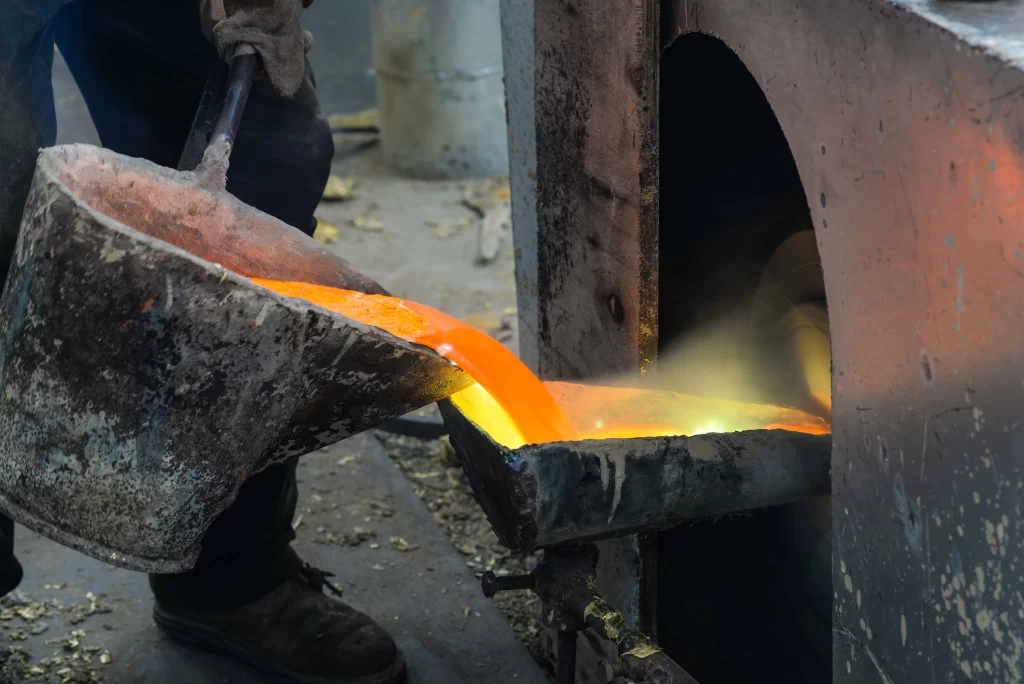
The melting characteristics of bearing alloys establish the upper boundaries of their operational envelopes. Unlike pure metals, which exhibit single, well-defined melting points, engineering alloys melt across temperature ranges bounded by the solidus—where initial liquefaction commences—and the liquidus, where complete melting occurs. This mushy zone between these thresholds provides critical insight into how a material responds to extreme thermal stress. Bronze alloys, widely employed in heavy-duty bushing applications, demonstrate varied melting ranges based on their specific compositional chemistries. Tin bronzes typically melt between approximately 850°C and 1000°C, offering balanced mechanical properties suitable for general industrial service. Aluminum bronzes exhibit elevated melting ranges around 1030-1080°C, providing superior high-temperature strength and corrosion resistance. Phosphor bronzes melt within the 900-1000°C range, delivering exceptional fatigue resistance and elastic properties. Leaded bronzes, with slightly depressed melting ranges from 850-950°C, incorporate lead particles that provide emergency lubricity under adverse conditions. The selection of an appropriate alloy composition for bushing applications requires careful consideration of the thermal environment, anticipated frictional heat generation, and the potential for lubrication interruption. A thorough understanding of these metallurgical fundamentals enables engineers to specify bearing materials that maintain structural integrity throughout their service lives, resisting thermal softening and dimensional instability that would otherwise lead to premature failure. This knowledge-driven approach to material selection forms the basis for reliable, long-lasting bushing performance in demanding metallurgical applications
2. Bearing Bronze Alloys: Compositional Diversity and Application-Specific Performance Characteristics
The family of copper-based bearing alloys encompasses numerous compositions, each optimized for specific combinations of load capacity, wear resistance, corrosion tolerance, and thermal stability. Tin bronzes, represented by grades such as SAE 660 and C93200, serve as versatile workhorses across diverse industrial applications, offering excellent embeddability—the capacity to trap abrasive particles within the bearing surface—combined with favorable friction characteristics. These alloys find extensive use in general-purpose machinery, pumps, and moderate-duty gearboxes where controlled operating conditions prevail. Aluminum bronzes, including C95400, distinguish themselves through exceptional strength at elevated temperatures, outstanding corrosion resistance in aggressive environments including seawater and acidic media, and high wear resistance under heavy loads. The elevated melting range of aluminum bronzes provides a substantial thermal safety margin, making these alloys particularly suitable for high-temperature applications near furnaces, in rolling mill equipment, and in heavy machinery subjected to extreme loads at low speeds. Phosphor bronzes such as C54400 deliver superior fatigue resistance and elastic properties, positioning them as preferred materials for precision bushings, thrust washers, and applications requiring long-term dimensional stability under cyclic loading. Leaded bronzes, including C93200 and C93800, offer built-in lubricity through dispersed lead particles that smear under pressure, preventing galling and seizure in applications prone to intermittent lubrication. Each alloy class presents distinct trade-offs between thermal stability, mechanical strength, and frictional behavior, necessitating informed material selection based on specific application requirements. The bearing manufacturing process must maintain precise control over alloy composition and casting parameters to ensure the final product achieves the theoretical performance characteristics promised by the material specification
3. Self-Lubricating Bushing Technology: The Integration of Solid Lubricants with Metallic Substrates
Self-lubricating bushing technology represents a significant advancement in bearing design, eliminating the requirement for external lubrication systems while providing reliable performance under challenging operating conditions. These innovative components typically incorporate solid lubricants—including graphite, polytetrafluoroethylene (PTFE), molybdenum disulfide, or lead—distributed throughout the bearing matrix or applied as surface coatings. The PTFE-based self-lubricating materials demonstrate particular effectiveness in reducing friction coefficients and preventing adhesive wear between bearing and shaft surfaces. During operation, the sliding motion causes solid lubricant particles to transfer from the bushing to the shaft surface, forming a continuous lubricating film that protects against direct metal-to-metal contact. This mechanism enables self-lubricating bushings to operate in environments where conventional oil or grease lubrication proves impractical, unreliable, or environmentally unacceptable. In metallurgical applications characterized by heavy loads, elevated temperatures, and continuous operation, self-lubricating bushings deliver reduced maintenance requirements and extended component life compared to conventional alternatives. The metal-polymer composite construction, combining a steel backing with a porous bronze intermediate layer and a PTFE-lead bearing surface, provides an optimal balance of load capacity and frictional performance. The bronze layer facilitates heat dissipation while the PTFE surface delivers low-friction operation under boundary lubrication conditions. Modern manufacturing processes, including controlled sintering of composite sheets, enable consistent production of high-quality self-lubricating bushings with predictable performance characteristics and extended service intervals
4. Powder Metallurgy in Bushing Manufacturing: Sintered Bronze and Oil-Impregnated Components
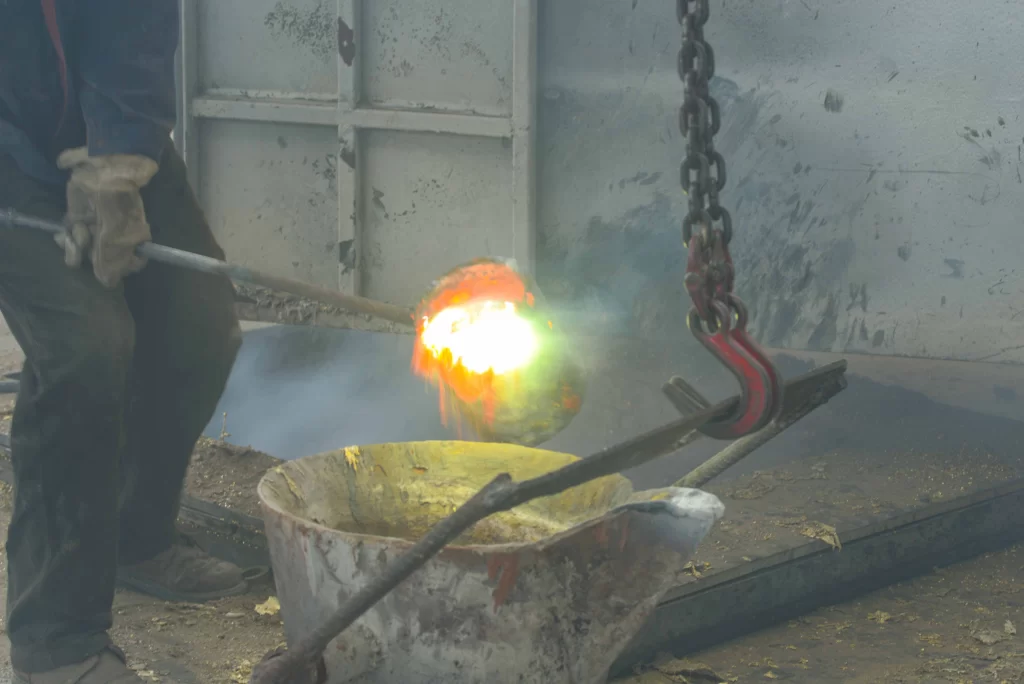
Powder metallurgy has emerged as a critical manufacturing process for producing high-performance bushing components, particularly oil-impregnated sintered bronze bearings. The process begins with high-purity metal powders—typically copper and tin for bronze alloys—combined in precise proportions and blended to achieve uniform composition. The powder mixture undergoes compaction in precision dies under high pressure, forming a green compact of the desired shape. Subsequent sintering at elevated temperatures creates metallurgical bonds between powder particles while maintaining controlled porosity throughout the structure. The resulting porous matrix provides essential reservoirs for lubricating oil, enabling oil-impregnated bearings to maintain self-lubrication through capillary action during operation. As the shaft rotates, frictional heat causes oil within the pores to expand and flow to the bearing surface, establishing a hydrodynamic film that separates the bearing from the shaft. This self-contained lubrication system eliminates the need for external oil supply, simplifies maintenance, and enhances reliability in applications where conventional lubrication proves challenging. Sintered bronze bearings find extensive application in automotive components, electric motors, power tools, and industrial machinery where moderate loads and speeds prevail. The porosity characteristics of sintered components—typically ranging from 15-25%—can be engineered to achieve specific oil-retention capacities and flow characteristics. The primary limitations of powder metallurgy components include reduced mechanical strength compared to wrought or cast equivalents, limiting their application in high-load environments. Nevertheless, for suitable applications, oil-impregnated sintered bearings deliver cost-effective, maintenance-free performance with predictable service life
5. Centrifugal Casting: Producing Large-Diameter Bushing Components for Heavy Industrial Equipment
Centrifugal casting has established itself as the preferred manufacturing method for large-diameter bushing components used in heavy industrial applications. The process involves rotating a mold at high speed while molten metal is introduced, with centrifugal force distributing the metal uniformly against the mold walls while directing impurities toward the center for subsequent removal. The resulting casting exhibits a dense, fine-grained structure with superior mechanical properties compared to static castings, including enhanced strength, improved wear resistance, and reduced porosity. The centrifugal casting process enables production of components ranging up to three meters in diameter, accommodating the demanding requirements of large-scale metallurgical equipment including rolling mills, extrusion presses, and heavy machinery. The horizontal continuous casting lines represent another manufacturing capability, producing consistent-quality bar stock and tubular components with precise dimensional control and predictable mechanical properties. The ability to produce large-diameter components at diameters up to 410 mm through continuous casting provides flexibility in meeting diverse customer requirements. The foundry operations supporting centrifugal casting typically incorporate multiple medium-frequency furnaces, enabling simultaneous melting of various alloy compositions to meet production demands. The mold library for centrifugal casting operations often exceeds 200 specialized designs, accommodating virtually any custom component geometry. These extensive manufacturing capabilities enable bearing suppliers to support the metallurgy industry with reliable, high-quality components tailored to specific equipment requirements, ensuring optimal fit and performance in demanding applications
6. Thermal Management in Bearing Applications: Heat Dissipation and Temperature Control Strategies
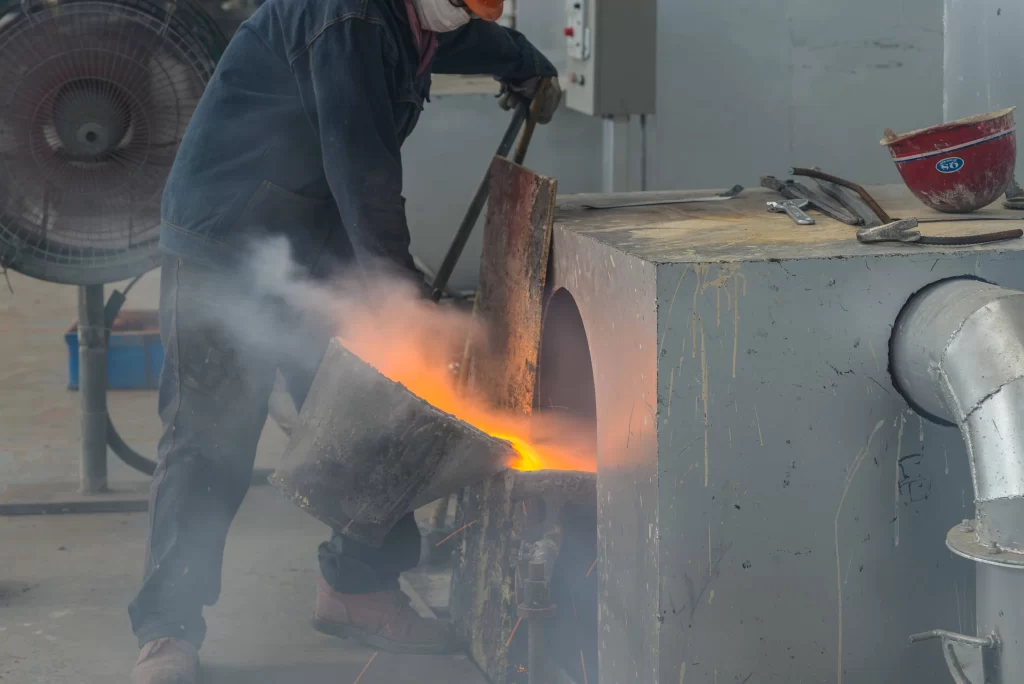
Effective thermal management is essential for maintaining bearing integrity and performance under demanding operating conditions. Frictional heat generation at the bearing-shaft interface, combined with elevated ambient temperatures in many metallurgical applications, can substantially elevate component temperatures. If left uncontrolled, thermal accumulation may lead to lubricant degradation, dimensional changes from thermal expansion, accelerated wear, and ultimately, premature bearing failure. Proper bushing material selection based on thermal conductivity and specific heat capacity plays a crucial role in heat dissipation. Bronze alloys generally provide favorable thermal conductivity, enabling heat transfer from the bearing surface to surrounding structures. The copper backing layer in metal-polymer composite bushings enhances heat dissipation, preventing localized hot spots and maintaining uniform temperature distribution across the bearing surface. The high thermal conductivity of copper and its alloys serves to rapidly transfer frictional heat away from the bearing interface, reducing the incidence of thermal degradation and extending component life. In high-temperature applications, aluminum bronze alloys provide enhanced thermal stability, maintaining mechanical properties at elevated temperatures through their elevated melting ranges and superior hot strength. Operating conditions characterized by high speeds or heavy loads generate substantial frictional heat, potentially raising bearing temperatures into ranges that cause conventional bearing materials to soften or lose hardness. The selection of bearing materials with appropriate thermal properties for specific operating conditions requires careful analysis of anticipated heat generation and dissipation mechanisms. Properly engineered bearing solutions incorporate thermal analysis into the material selection and design process, ensuring reliable performance across the full range of anticipated operating temperatures
7. Industrial Applications: Metallurgical Equipment and Bushing Requirements
Metallurgical equipment subjects bearings and bushings to some of the most demanding operating conditions encountered in industrial machinery. Cold rolling mills and hot rolling mills represent critical applications where bushings support heavily loaded rolls while maintaining precise alignment under extreme forces. The rolling process generates substantial vibration and shock loads, requiring bearing materials that absorb impact while maintaining dimensional stability. Leveling and straightening machines, which process rolled products to achieve flatness and dimensional accuracy, similarly rely on precision bushings to maintain equipment geometry and product quality. Continuous casting equipment operates under high-temperature conditions near molten metal, with bushings supporting conveying mechanisms and alignment systems. The proximity to extreme heat sources requires bearing materials that maintain strength and stability at elevated temperatures, with aluminum bronze alloys providing essential thermal safety margins. Coke oven equipment presents additional challenges, including abrasive coke dust and corrosive gases that accelerate wear. Extrusion presses for aluminum profiles and other non-ferrous metals demand bushings capable of withstanding high pressures and elevated temperatures while maintaining precise alignment and smooth operation. In each application, bushing failure produces costly downtime and production interruption, with replacement costs representing only a fraction of the total economic impact. The selection of appropriate bearing materials and configurations for specific applications requires thorough understanding of operating conditions, including loads, speeds, temperatures, and environmental factors. Self-lubricating bushings have gained particular acceptance in metallurgical applications due to their ability to operate without external lubrication, reducing maintenance requirements and eliminating lubrication-related failures
8. Manufacturing Quality and Precision: Dimensional Control and Material Integrity
The manufacturing quality and dimensional precision of bushings directly influence their performance and service life in service. Modern bushing manufacturing incorporates sophisticated quality control systems that monitor critical parameters throughout the production process. Automated production lines with tungsten steel precision forming dies produce components with tight dimensional tolerances, maintaining consistent outer diameter and inner diameter specifications across large production runs. Advanced inspection equipment, including laser optical measurement systems, verifies dimensional accuracy with precision approaching ±0.01 mm on critical surfaces. Metallurgical laboratories equipped with hardness testers, tensile testing machines, and metallographic analyzers verify material properties and microstructural characteristics. Spectroscopic analysis confirms alloy composition, ensuring that raw materials meet specified chemical requirements and that final products achieve anticipated mechanical properties. The sintering process, essential for producing composite and self-lubricating materials, requires precise temperature control and atmospheric management to achieve optimal bonding between layers and uniform material distribution. Multiple sintering furnaces and chamber furnaces support continuous production, with dozens of automated production units ensuring consistent processing conditions. The composite sheet sintering process involves multiple stages including precision shearing, uniform copper plating, controlled powder spreading, high-temperature sintering, systematic drying, and progressive rolling. This comprehensive manufacturing approach ensures uniform material distribution, consistent density, and optimal performance characteristics across all composite materials. The combination of advanced manufacturing technology and rigorous quality control enables production of bushings that meet international standards and perform reliably in demanding industrial applications
9. MYWAY Manufacturing: Engineering Excellence in Bushing Solutions for the Metallurgy Industry
MYWAY Manufacturing has established itself as a premier supplier of high-performance bushing solutions for the metallurgy industry through nearly two decades of engineering excellence and manufacturing innovation. The company operates from a vertically integrated production ecosystem spanning raw material procurement through finished product delivery, ensuring complete quality control and manufacturing traceability. Advanced foundry operations include seven horizontal continuous casting production lines and eight medium-frequency furnaces, collectively achieving an annual casting capacity of 20,000 tons. Centrifugal casting capabilities extend to three meters in diameter, accommodating large-scale component requirements. The precision machining workshop processes copper bushings ranging from 1,200 mm to 2,500 mm in diameter, serving diverse industrial applications from compact machinery to massive industrial equipment. Self-lubricating bushing production incorporates sophisticated composite sheet sintering technology, producing components that eliminate external lubrication requirements and reduce maintenance intervals by 60% or more. The PTFE-coated and self-lubricating bushings withstand extreme pressures, high loads, and continuous operation, making them particularly suitable for rolling mills, calendering equipment, and extrusion applications. The SF-1 boundary lubricated bearings and SF-2 self-lubricating steel-bronze-PTFE components represent advanced bearing designs widely used in demanding industrial applications. Quality assurance programs incorporate comprehensive material testing, dimensional inspection, and ISO 9001 and IATF 16949 certification. OEM and ODM customization services accommodate specific customer requirements, including tailored sizes, materials, coatings, and designs. MYWAY bushings achieve extended service life 2-3 times longer than standard alternatives, reducing equipment downtime and replacement costs
FAQ
Q1: Why is the melting range of bronze alloys important if the bushing never reaches those temperatures?
The melting range—specifically the solidus temperature—defines the upper limit of thermal stability. Operating temperatures approaching the solidus can cause softening, reduced hardness, and accelerated wear. A higher melting point provides a larger safety buffer against friction-induced heat spikes, particularly during startup, overload, or lubrication interruption .
Q2: Which bronze alloy provides the highest melting point for extreme temperature applications?
Aluminum bronze alloys, such as C95400, exhibit the highest melting ranges at approximately 1030-1080°C, making them suitable for very high-load, low-speed, or high-ambient-temperature applications where maintaining strength at elevated temperatures is essential .
Q3: Is a higher melting point always better for bushing applications?
Not necessarily. While higher melting points offer superior high-temperature performance, alloys with elevated melting points may present casting challenges and exhibit different friction characteristics. The selection must balance thermal stability with tribological requirements. Leaded tin bronzes, despite lower melting points, often excel in applications prone to intermittent lubrication .
Q4: What distinguishes bronze from brass for bushing applications?
Bronze (copper-tin alloys) generally provides superior strength, wear resistance, and corrosion resistance compared to brass (copper-zinc alloys). Bronze serves as the preferred material for heavy-duty bearing applications, while brass offers cost-effective performance in lighter-duty applications .
Q5: How do self-lubricating bushings eliminate external lubrication requirements?
Self-lubricating bushings incorporate solid lubricants such as PTFE or graphite within the bearing structure. During operation, these lubricants transfer to the shaft surface, forming a continuous lubricating film that prevents metal-to-metal contact and reduces friction .
Q6: What causes premature bushing failure in rolling mill applications?
Common failure modes include thermal softening from friction-induced heat, abrasive wear from scale and debris, fatigue from cyclic loading, and seizure from lubrication failure. Proper material selection and adequate thermal management mitigate these failure mechanisms .
Q7: How does powder metallurgy differ from traditional casting for bushing production?
Powder metallurgy involves compacting metal powders and sintering to create porous structures with controlled porosity for oil impregnation. Traditional casting involves melting and pouring metal into molds, producing dense structures with superior mechanical properties but without the self-lubricating advantages of sintered components .
Q8: What are the advantages of centrifugal casting for large bushings?
Centrifugal casting produces dense, fine-grained structures with superior mechanical properties compared to static castings. The centrifugal force distributes metal uniformly while directing impurities toward the center for removal, resulting in enhanced strength, wear resistance, and reduced porosity .
Q9: Can bronze bushings operate without lubrication?
Conventional bronze bushings require lubrication to prevent seizure and excessive wear. However, self-lubricating bronze bushings incorporating solid lubricants can operate without external lubrication, though they typically have limitations on load and speed compared to lubricated alternatives .
Q10: What is the typical service life of bronze bushings in metallurgical applications?
Service life depends on operating conditions, load, speed, and maintenance practices. Under normal conditions, high-quality bronze bushings last 5-10 years, with MYWAY bushings achieving 2-3 times longer service life than standard alternatives through superior material selection and manufacturing quality .
Q11: How do aluminum bronzes resist corrosion in aggressive environments?
Aluminum bronzes form a protective aluminum oxide film on surfaces exposed to corrosive media. This self-healing oxide layer provides exceptional resistance to seawater, acids, and alkalis, making aluminum bronzes suitable for marine and chemical applications .
Q12: What is the role of PTFE in composite bearing materials?
PTFE provides extremely low friction coefficients and excellent resistance to adhesive wear. In composite bearings, PTFE transfers to the shaft surface, forming a lubricating film that reduces friction and prevents galling even under boundary lubrication conditions .
Q13: Why are tin bronzes considered general-purpose bearing materials?
Tin bronzes offer an excellent balance of strength, wear resistance, embeddability, and machinability at moderate cost. Their melting range provides adequate thermal stability for most industrial applications, making them suitable for a wide range of bearing requirements .
Q14: What dimensional tolerances can be achieved with precision bushing manufacturing?
Advanced manufacturing with tungsten steel forming dies and precision inspection equipment achieves dimensional tolerances within ±0.01 mm on critical surfaces, ensuring consistent fit and performance .
Q15: How does thermal conductivity affect bushing performance?
High thermal conductivity enables rapid heat dissipation from the bearing interface, preventing localized hot spots and thermal degradation. Copper and bronze provide favorable thermal conductivity, contributing to extended service life .
Q16: What is oil impregnation in sintered bronze bushings?
Oil impregnation involves filling the porous structure of sintered bronze bushings with lubricating oil. During operation, thermal expansion forces oil to flow to the bearing surface, providing self-lubrication through capillary action .
Q17: What is the significance of the solidus temperature in alloy selection?
The solidus temperature represents the maximum temperature at which an alloy remains completely solid. Operating above this temperature causes localized melting and structural degradation, making solidus temperature the critical parameter for thermal stability assessment .
Q18: How does embeddability affect bearing performance?
Embeddability describes the capacity of a bearing material to trap abrasive particles within its surface, preventing them from damaging the shaft surface. High embeddability extends shaft life in applications exposed to contaminants .
Q19: What is the difference between SF-1 and SF-2 bearing materials?
SF-1 bearings feature a PTFE-lead mixture with a bronze intermediate layer on a steel backing, providing boundary lubrication performance. SF-2 bearings incorporate steel backing with bronze powder and PTFE, offering similar self-lubricating characteristics .
Q20: How does MYWAY ensure consistent quality in bushing production?
MYWAY maintains vertical integration from raw materials through finished product, with comprehensive quality control including material testing, dimensional inspection, metallurgical analysis, and certified quality managem ent systems
100000+ Types of Bushings – Contact Us for Details