
Recent Posts
Furnace Slag: Metallurgy, Basicity Control, Process Performance, and Responsible Reuse
Introduction
Furnace slag is a molten nonmetallic phase deliberately formed during ironmaking and steelmaking. It captures gangue, controls oxygen potential, protects metal, supports sulfur and phosphorus control, transfers heat, and interacts with furnace refractories. Blast furnace slag, basic oxygen furnace slag, and electric arc furnace slag are not interchangeable materials: composition, cooling route, mineralogy, free-lime risk, metallic iron content, density, particle size, and environmental testing determine their process value and potential downstream use.
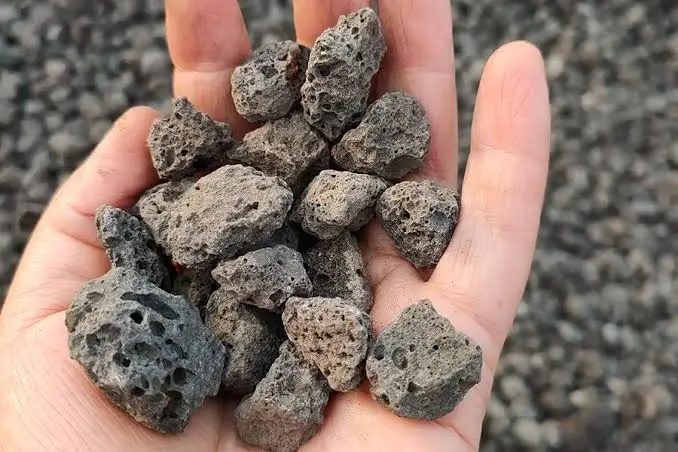
Table of Contents
1. Furnace Slag Definition and Steelmaking Function
Furnace slag is engineered rather than accidental. Fluxes such as lime and dolomite react with ore gangue, ash, oxides and impurities to form a liquid phase separate from metal. The slag absorbs nonmetallic material, changes oxygen activity and provides a medium for refining reactions. In practice, operators manage a moving balance between chemistry, temperature, viscosity, metal yield, refractory wear and downstream handling. The correct furnace slag target depends on furnace route, raw materials, grade, energy practice and environmental requirements. Process records and representative samples are necessary for reliable decisions.
Furnace slag is engineered rather than accidental. Fluxes such as lime and dolomite react with ore gangue, ash, oxides and impurities to form a liquid phase separate from metal. The slag absorbs nonmetallic material, changes oxygen activity and provides a medium for refining reactions. In practice, operators manage a moving balance between chemistry, temperature, viscosity, metal yield, refractory wear and downstream handling. The correct furnace slag target depends on furnace route, raw materials, grade, energy practice and environmental requirements. Operating data should be evaluated with the complete heat balance, not in isolation.
Furnace slag is engineered rather than accidental. Fluxes such as lime and dolomite react with ore gangue, ash, oxides and impurities to form a liquid phase separate from metal. The slag absorbs nonmetallic material, changes oxygen activity and provides a medium for refining reactions. In practice, operators manage a moving balance between chemistry, temperature, viscosity, metal yield, refractory wear and downstream handling. The correct furnace slag target depends on furnace route, raw materials, grade, energy practice and environmental requirements. The applicable standard, drawing or end-use specification remains the acceptance basis.
Furnace slag is engineered rather than accidental. Fluxes such as lime and dolomite react with ore gangue, ash, oxides and impurities to form a liquid phase separate from metal. The slag absorbs nonmetallic material, changes oxygen activity and provides a medium for refining reactions. In practice, operators manage a moving balance between chemistry, temperature, viscosity, metal yield, refractory wear and downstream handling. The correct furnace slag target depends on furnace route, raw materials, grade, energy practice and environmental requirements. This approach converts a broad slag request into a controlled metallurgical requirement.
2. Blast Furnace, BOF, and EAF Slag Differences
Blast furnace slag is formed during ironmaking; it is commonly cooled as air-cooled, expanded or granulated material. BOF slag is generated during oxygen steelmaking and often has high basicity and iron-bearing phases. EAF slag is linked to scrap, DRI, carbon injection, oxygen, fluxes and foaming practice. USGS notes that iron and steel slags are primarily calcium, magnesium and aluminum silicates in various combinations, with cooling rate and composition affecting density, porosity and particle size. Process records and representative samples are necessary for reliable decisions.
Blast furnace slag is formed during ironmaking; it is commonly cooled as air-cooled, expanded or granulated material. BOF slag is generated during oxygen steelmaking and often has high basicity and iron-bearing phases. EAF slag is linked to scrap, DRI, carbon injection, oxygen, fluxes and foaming practice. USGS notes that iron and steel slags are primarily calcium, magnesium and aluminum silicates in various combinations, with cooling rate and composition affecting density, porosity and particle size. Operating data should be evaluated with the complete heat balance, not in isolation.
Blast furnace slag is formed during ironmaking; it is commonly cooled as air-cooled, expanded or granulated material. BOF slag is generated during oxygen steelmaking and often has high basicity and iron-bearing phases. EAF slag is linked to scrap, DRI, carbon injection, oxygen, fluxes and foaming practice. USGS notes that iron and steel slags are primarily calcium, magnesium and aluminum silicates in various combinations, with cooling rate and composition affecting density, porosity and particle size. The applicable standard, drawing or end-use specification remains the acceptance basis.
Blast furnace slag is formed during ironmaking; it is commonly cooled as air-cooled, expanded or granulated material. BOF slag is generated during oxygen steelmaking and often has high basicity and iron-bearing phases. EAF slag is linked to scrap, DRI, carbon injection, oxygen, fluxes and foaming practice. USGS notes that iron and steel slags are primarily calcium, magnesium and aluminum silicates in various combinations, with cooling rate and composition affecting density, porosity and particle size. This approach converts a broad slag request into a controlled metallurgical requirement.
Parameter | Why it matters | Typical control |
CaO/SiO2 basicity | Refining and viscosity | Route-specific target |
FeO content | Oxidation, yield, foam | Heat and stage dependent |
Cooling method | Mineralogy and physical form | Air cooled, granulated, processed |
3. Slag Chemistry, Basicity, and Oxide Balance
Basicity is often expressed as a ratio such as CaO/SiO2, but one number cannot describe the full slag system. MgO, Al2O3, FeO, MnO, P2O5 and other oxides affect liquidus temperature, viscosity, refining potential and refractory compatibility. A basicity target must therefore be paired with temperature, FeO range, MgO saturation strategy, slag mass and process timing. Chemical analysis should report oxide basis, sample preparation, analytical method and any metallic fraction. Process records and representative samples are necessary for reliable decisions.
Basicity is often expressed as a ratio such as CaO/SiO2, but one number cannot describe the full slag system. MgO, Al2O3, FeO, MnO, P2O5 and other oxides affect liquidus temperature, viscosity, refining potential and refractory compatibility. A basicity target must therefore be paired with temperature, FeO range, MgO saturation strategy, slag mass and process timing. Chemical analysis should report oxide basis, sample preparation, analytical method and any metallic fraction. Operating data should be evaluated with the complete heat balance, not in isolation.
Basicity is often expressed as a ratio such as CaO/SiO2, but one number cannot describe the full slag system. MgO, Al2O3, FeO, MnO, P2O5 and other oxides affect liquidus temperature, viscosity, refining potential and refractory compatibility. A basicity target must therefore be paired with temperature, FeO range, MgO saturation strategy, slag mass and process timing. Chemical analysis should report oxide basis, sample preparation, analytical method and any metallic fraction. The applicable standard, drawing or end-use specification remains the acceptance basis.
Basicity is often expressed as a ratio such as CaO/SiO2, but one number cannot describe the full slag system. MgO, Al2O3, FeO, MnO, P2O5 and other oxides affect liquidus temperature, viscosity, refining potential and refractory compatibility. A basicity target must therefore be paired with temperature, FeO range, MgO saturation strategy, slag mass and process timing. Chemical analysis should report oxide basis, sample preparation, analytical method and any metallic fraction. This approach converts a broad slag request into a controlled metallurgical requirement.
4. Foaming Slag, Viscosity, and Thermal Control
Foaming slag is important in EAF operation because it can shield the arc, improve thermal efficiency, protect sidewalls and support controlled energy transfer. Foam quality is governed by viscosity, gas generation, carbon and oxygen injection, iron oxide content, temperature and physical stability. Excessively fluid, cold, oxidizing or unstable slag can reduce shielding and metallic yield. A foaming target must be tuned to the furnace, electrode practice, charge mix and production objective rather than copied from another shop. Process records and representative samples are necessary for reliable decisions.
Foaming slag is important in EAF operation because it can shield the arc, improve thermal efficiency, protect sidewalls and support controlled energy transfer. Foam quality is governed by viscosity, gas generation, carbon and oxygen injection, iron oxide content, temperature and physical stability. Excessively fluid, cold, oxidizing or unstable slag can reduce shielding and metallic yield. A foaming target must be tuned to the furnace, electrode practice, charge mix and production objective rather than copied from another shop. Operating data should be evaluated with the complete heat balance, not in isolation.
Foaming slag is important in EAF operation because it can shield the arc, improve thermal efficiency, protect sidewalls and support controlled energy transfer. Foam quality is governed by viscosity, gas generation, carbon and oxygen injection, iron oxide content, temperature and physical stability. Excessively fluid, cold, oxidizing or unstable slag can reduce shielding and metallic yield. A foaming target must be tuned to the furnace, electrode practice, charge mix and production objective rather than copied from another shop. The applicable standard, drawing or end-use specification remains the acceptance basis.
Foaming slag is important in EAF operation because it can shield the arc, improve thermal efficiency, protect sidewalls and support controlled energy transfer. Foam quality is governed by viscosity, gas generation, carbon and oxygen injection, iron oxide content, temperature and physical stability. Excessively fluid, cold, oxidizing or unstable slag can reduce shielding and metallic yield. A foaming target must be tuned to the furnace, electrode practice, charge mix and production objective rather than copied from another shop. This approach converts a broad slag request into a controlled metallurgical requirement.
Parameter | Why it matters | Typical control |
CaO/SiO2 basicity | Refining and viscosity | Route-specific target |
FeO content | Oxidation, yield, foam | Heat and stage dependent |
Cooling method | Mineralogy and physical form | Air cooled, granulated, processed |
5. Desulfurization, Dephosphorization, and Metal Yield
Slag is central to sulfur and phosphorus control, but removal reactions have opposing conditions in many steelmaking routes. Desulfurization generally benefits from suitable basicity and low oxygen potential, while dephosphorization often needs an oxidizing, basic slag with sufficient FeO and lime availability. The steelmaker must manage reaction timing, stirring, temperature, slag carryover and alloy recovery. Poor slag control can produce high reversion, alloy loss, inconsistent steel chemistry and difficult downstream refining. Process records and representative samples are necessary for reliable decisions.
Slag is central to sulfur and phosphorus control, but removal reactions have opposing conditions in many steelmaking routes. Desulfurization generally benefits from suitable basicity and low oxygen potential, while dephosphorization often needs an oxidizing, basic slag with sufficient FeO and lime availability. The steelmaker must manage reaction timing, stirring, temperature, slag carryover and alloy recovery. Poor slag control can produce high reversion, alloy loss, inconsistent steel chemistry and difficult downstream refining. Operating data should be evaluated with the complete heat balance, not in isolation.
Slag is central to sulfur and phosphorus control, but removal reactions have opposing conditions in many steelmaking routes. Desulfurization generally benefits from suitable basicity and low oxygen potential, while dephosphorization often needs an oxidizing, basic slag with sufficient FeO and lime availability. The steelmaker must manage reaction timing, stirring, temperature, slag carryover and alloy recovery. Poor slag control can produce high reversion, alloy loss, inconsistent steel chemistry and difficult downstream refining. The applicable standard, drawing or end-use specification remains the acceptance basis.
Slag is central to sulfur and phosphorus control, but removal reactions have opposing conditions in many steelmaking routes. Desulfurization generally benefits from suitable basicity and low oxygen potential, while dephosphorization often needs an oxidizing, basic slag with sufficient FeO and lime availability. The steelmaker must manage reaction timing, stirring, temperature, slag carryover and alloy recovery. Poor slag control can produce high reversion, alloy loss, inconsistent steel chemistry and difficult downstream refining. This approach converts a broad slag request into a controlled metallurgical requirement.
6. Refractory Interaction and Furnace Campaign Life
Furnace slags interact continuously with refractories. A mismatch between slag basicity, FeO, MgO saturation, temperature and lining chemistry can accelerate dissolution, penetration, spalling and wear. In an EAF, slag practice affects sidewall and hot-spot exposure; in a BOF, it influences lining wear and campaign life; in a blast furnace, it influences permeability and hearth conditions. Refractory selection and slag design should be reviewed as a coupled system, with regular slag chemistry and wear monitoring. Process records and representative samples are necessary for reliable decisions.
Furnace slags interact continuously with refractories. A mismatch between slag basicity, FeO, MgO saturation, temperature and lining chemistry can accelerate dissolution, penetration, spalling and wear. In an EAF, slag practice affects sidewall and hot-spot exposure; in a BOF, it influences lining wear and campaign life; in a blast furnace, it influences permeability and hearth conditions. Refractory selection and slag design should be reviewed as a coupled system, with regular slag chemistry and wear monitoring. Operating data should be evaluated with the complete heat balance, not in isolation.
Furnace slags interact continuously with refractories. A mismatch between slag basicity, FeO, MgO saturation, temperature and lining chemistry can accelerate dissolution, penetration, spalling and wear. In an EAF, slag practice affects sidewall and hot-spot exposure; in a BOF, it influences lining wear and campaign life; in a blast furnace, it influences permeability and hearth conditions. Refractory selection and slag design should be reviewed as a coupled system, with regular slag chemistry and wear monitoring. The applicable standard, drawing or end-use specification remains the acceptance basis.
Furnace slags interact continuously with refractories. A mismatch between slag basicity, FeO, MgO saturation, temperature and lining chemistry can accelerate dissolution, penetration, spalling and wear. In an EAF, slag practice affects sidewall and hot-spot exposure; in a BOF, it influences lining wear and campaign life; in a blast furnace, it influences permeability and hearth conditions. Refractory selection and slag design should be reviewed as a coupled system, with regular slag chemistry and wear monitoring. This approach converts a broad slag request into a controlled metallurgical requirement.
7. Cooling, Mineralogy, Processing, and Quality Testing
After tapping, cooling route controls physical form and mineralogy. Rapid quenching can produce granulated glassy material; air cooling can create crystalline aggregate; controlled processing may recover metallic iron before crushing and classification. ASTM D8021 provides guidance on typical mineralogy observed in blast-furnace and steel-furnace slag when designated as a product, using methods such as XRD phase recognition, XRD-Rietveld analysis and SEM characterization. Product claims should be supported by representative testing. Process records and representative samples are necessary for reliable decisions.
After tapping, cooling route controls physical form and mineralogy. Rapid quenching can produce granulated glassy material; air cooling can create crystalline aggregate; controlled processing may recover metallic iron before crushing and classification. ASTM D8021 provides guidance on typical mineralogy observed in blast-furnace and steel-furnace slag when designated as a product, using methods such as XRD phase recognition, XRD-Rietveld analysis and SEM characterization. Product claims should be supported by representative testing. Operating data should be evaluated with the complete heat balance, not in isolation.
After tapping, cooling route controls physical form and mineralogy. Rapid quenching can produce granulated glassy material; air cooling can create crystalline aggregate; controlled processing may recover metallic iron before crushing and classification. ASTM D8021 provides guidance on typical mineralogy observed in blast-furnace and steel-furnace slag when designated as a product, using methods such as XRD phase recognition, XRD-Rietveld analysis and SEM characterization. Product claims should be supported by representative testing. The applicable standard, drawing or end-use specification remains the acceptance basis.
After tapping, cooling route controls physical form and mineralogy. Rapid quenching can produce granulated glassy material; air cooling can create crystalline aggregate; controlled processing may recover metallic iron before crushing and classification. ASTM D8021 provides guidance on typical mineralogy observed in blast-furnace and steel-furnace slag when designated as a product, using methods such as XRD phase recognition, XRD-Rietveld analysis and SEM characterization. Product claims should be supported by representative testing. This approach converts a broad slag request into a controlled metallurgical requirement.
8. Reuse, Aggregates, Cementitious Materials, and Circularity
Slag can be a co-product when it meets documented technical and regulatory requirements. World Steel Association materials identify use in cement, fertilisers, roadstone and other applications, while noting that actual use varies by route and region. Blast-furnace slag may be processed for cementitious applications; steelmaking slag is often considered for aggregate, road construction, metallurgical recycling or soil improvement after appropriate aging and testing. Volume stability, leaching, soundness, metallic content and local regulation must be assessed before sale. Process records and representative samples are necessary for reliable decisions.
Slag can be a co-product when it meets documented technical and regulatory requirements. World Steel Association materials identify use in cement, fertilisers, roadstone and other applications, while noting that actual use varies by route and region. Blast-furnace slag may be processed for cementitious applications; steelmaking slag is often considered for aggregate, road construction, metallurgical recycling or soil improvement after appropriate aging and testing. Volume stability, leaching, soundness, metallic content and local regulation must be assessed before sale. Operating data should be evaluated with the complete heat balance, not in isolation.
Slag can be a co-product when it meets documented technical and regulatory requirements. World Steel Association materials identify use in cement, fertilisers, roadstone and other applications, while noting that actual use varies by route and region. Blast-furnace slag may be processed for cementitious applications; steelmaking slag is often considered for aggregate, road construction, metallurgical recycling or soil improvement after appropriate aging and testing. Volume stability, leaching, soundness, metallic content and local regulation must be assessed before sale. The applicable standard, drawing or end-use specification remains the acceptance basis.
Slag can be a co-product when it meets documented technical and regulatory requirements. World Steel Association materials identify use in cement, fertilisers, roadstone and other applications, while noting that actual use varies by route and region. Blast-furnace slag may be processed for cementitious applications; steelmaking slag is often considered for aggregate, road construction, metallurgical recycling or soil improvement after appropriate aging and testing. Volume stability, leaching, soundness, metallic content and local regulation must be assessed before sale. This approach converts a broad slag request into a controlled metallurgical requirement.
Parameter | Why it matters | Typical control |
CaO/SiO2 basicity | Refining and viscosity | Route-specific target |
FeO content | Oxidation, yield, foam | Heat and stage dependent |
Cooling method | Mineralogy and physical form | Air cooled, granulated, processed |
9. Turning a Furnace Slag RFQ into a Technical Specification
A useful furnace slag RFQ identifies source route, furnace type, cooling method, intended application, chemical limits, basicity, free CaO or MgO limits where relevant, metallic iron, particle-size range, moisture, density, mineralogy, volume-stability test, leaching protocol, quantity, packing, sampling plan and delivery destination. For metallurgical return slag, also state required FeO, CaO, MgO, SiO2, P and S limits. A supplier response should distinguish measured data from typical values. Process records and representative samples are necessary for reliable decisions.
A useful furnace slag RFQ identifies source route, furnace type, cooling method, intended application, chemical limits, basicity, free CaO or MgO limits where relevant, metallic iron, particle-size range, moisture, density, mineralogy, volume-stability test, leaching protocol, quantity, packing, sampling plan and delivery destination. For metallurgical return slag, also state required FeO, CaO, MgO, SiO2, P and S limits. A supplier response should distinguish measured data from typical values. Operating data should be evaluated with the complete heat balance, not in isolation.
A useful furnace slag RFQ identifies source route, furnace type, cooling method, intended application, chemical limits, basicity, free CaO or MgO limits where relevant, metallic iron, particle-size range, moisture, density, mineralogy, volume-stability test, leaching protocol, quantity, packing, sampling plan and delivery destination. For metallurgical return slag, also state required FeO, CaO, MgO, SiO2, P and S limits. A supplier response should distinguish measured data from typical values. The applicable standard, drawing or end-use specification remains the acceptance basis.
A useful furnace slag RFQ identifies source route, furnace type, cooling method, intended application, chemical limits, basicity, free CaO or MgO limits where relevant, metallic iron, particle-size range, moisture, density, mineralogy, volume-stability test, leaching protocol, quantity, packing, sampling plan and delivery destination. For metallurgical return slag, also state required FeO, CaO, MgO, SiO2, P and S limits. A supplier response should distinguish measured data from typical values. This approach converts a broad slag request into a controlled metallurgical requirement.
FAQ: Furnace Slag
1. What is furnace slag?
A molten oxide phase formed during ironmaking and steelmaking.
2. Is furnace slag a waste?
It can be managed as a co-product when tested and accepted for a defined use.
3. What is blast furnace slag?
Ironmaking slag from a blast furnace.
4. What is BOF slag?
Steelmaking slag from a basic oxygen furnace.
5. What is EAF slag?
Steelmaking slag from an electric arc furnace.
6. What is slag basicity?
A chemistry ratio, often CaO/SiO2, used with full oxide analysis.
7. Why is lime added?
To form basic slag and support refining reactions.
8. What is foaming slag?
A stable gas-containing slag that helps shield an EAF arc.
9. What controls slag viscosity?
Chemistry, temperature, solids, FeO and oxide balance.
10. Can slag remove sulfur?
Yes, under appropriate basic and low-oxygen conditions.
11. Can slag remove phosphorus?
Yes, under appropriate oxidizing and basic conditions.
12. Why does slag attack refractories?
Incompatible chemistry and temperature can dissolve or penetrate lining.
13. What is free lime?
Reactive CaO that may cause expansion in some end uses.
14. How is slag cooled?
By air cooling, expansion, granulation or controlled treatment.
15. What tests are used?
Chemistry, XRD, mineralogy, density, soundness and environmental tests.
16. Can slag be used in cement?
Some processed blast-furnace slag can be used as a cementitious material.
17. Can steelmaking slag be aggregate?
It may be used after application-specific stability and regulatory evaluation.
18. What is metallic recovery from slag?
Separation of recoverable metal from processed slag.
19. How should slag be stored?
Segregated by route and lot, protected from contamination and water where relevant.
20. What is needed for a quote?
State source, cooling, chemistry, size, tests, application, quantity and destination.
100000+ Types of Bushings – Contact Us for Details