
Recent Posts
Advanced Composite Bush Solutions for Heavy-Duty Truck Suspension & Chassis Systems
Introduction
In the evolving landscape of commercial vehicle engineering, the interface between durability and dynamic performance is often defined by the smallest components. Among these, the suspension bushing—frequently overlooked—plays a pivotal role in ride quality, alignment retention, and component longevity. This article delves into the technical architecture, functional advantages, and application scenarios of modern truck composite bushes, with a particular focus on how advanced polymer matrix compounds are redefining maintenance cycles and operational efficiency for fleet managers and owner-operators alike.
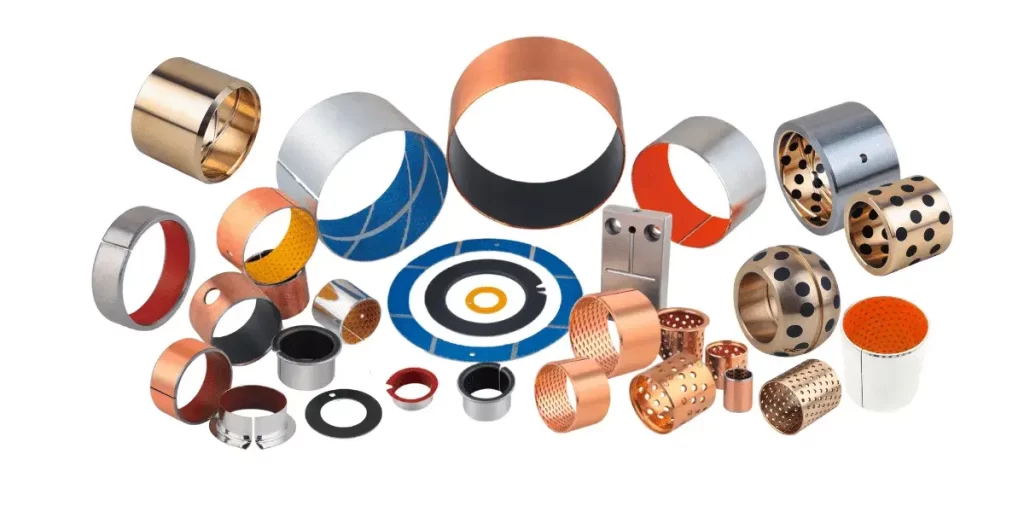
Table of Contents
1. Structural Composition and Material Science of Truck Composite Bushes
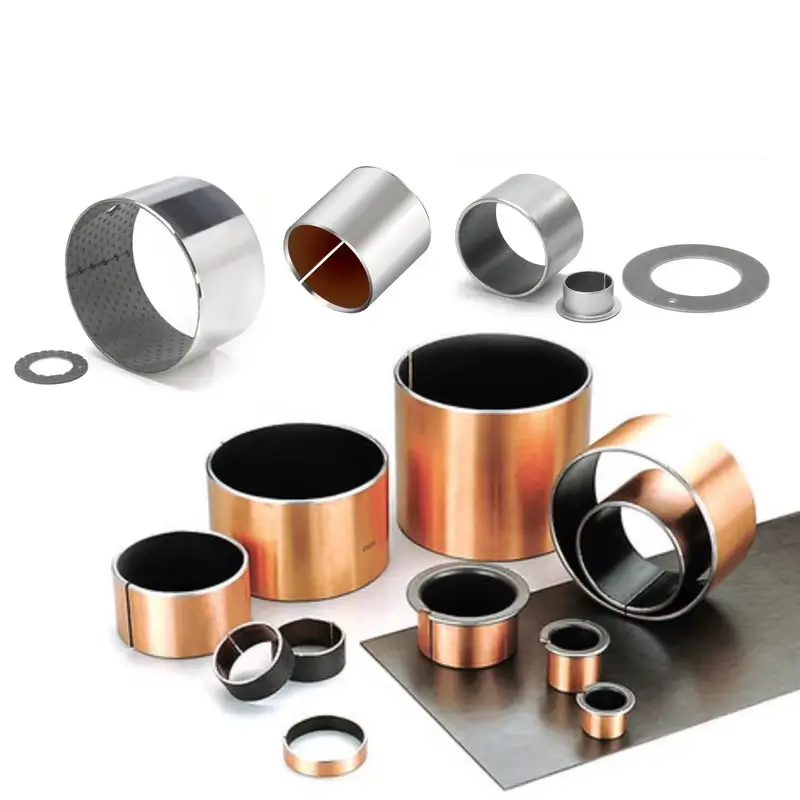
The modern truck composite bush departs from traditional rubber or pure metal sleeves by integrating a fiber-reinforced thermoset or thermoplastic matrix. This construction typically comprises an inner steel tube, an outer casing, and a load-bearing intermediate layer of engineered polymer composite. The composite matrix is formulated with glass fibers, aramid pulp, and solid lubricants such as PTFE or graphite to achieve low-friction articulation. Unlike conventional elastomeric bushes that suffer from hysteresis heating, composite variants exhibit isotropic thermal conductivity, enabling consistent bushing stiffness across extreme temperature gradients. The absence of bonding agents between layers reduces internal shear stress, preventing the common failure mode of bond-line separation observed in standard rubber-to-metal bonded bushes.

2. Functional Core: Load Distribution and Damping Modulation
The primary function of a suspension bush is to accommodate multi-axis loads—radial, axial, and torsional—while simultaneously dampening high-frequency road-induced vibrations. Composite bushes achieve this through a unique strain-rate-dependent damping coefficient. Under low-frequency, high-amplitude articulation (e.g., off-camber cornering or articulated steering), the composite matrix exhibits elastic deformation, storing energy and releasing it gradually to prevent rebound overshoot. Conversely, under high-frequency micro-vibrations generated by highway ripples, the polymer chains within the composite absorb energy through intermolecular friction, converting mechanical energy into minimal heat dissipation. This dynamic behavior ensures that the bush maintains geometric integrity without sacrificing the vehicle’s roll stiffness, directly contributing to predictable handling and reduced tire scrub.
3. Wear Resistance and Self-Lubricating Properties in Articulated Joints
One of the most lauded attributes of the truck composite bush is its inherent self-lubricating mechanism. The inclusion of PTFE or molybdenum disulfide particles within the bearing surface creates a transfer film that coats the mating pin or shaft during articulation. This dry-film lubrication eliminates the need for periodic greasing, a critical advantage for applications involving limited access points such as rear bogie equalizer beams or torque rod ends. The self-lubrication not only reduces coefficient of friction to levels comparable to oil-impregnated bronze but also prevents abrasive wear caused by grit ingress, as the composite matrix encapsulates hard particles rather than allowing them to score the pin. Consequently, the service life of pivot points extends substantially, reducing unplanned downtime for maintenance interventions
4. Corrosion Resistance and Environmental Durability in Harsh Operating Conditions
Heavy-duty trucks operate across diverse geographies—from coastal saline corridors to arid mining tracks laden with silica dust. Composite bushes exhibit exceptional resistance to electrochemical corrosion, a common failure initiator in steel-on-steel bushings. The non-metallic matrix is impervious to road salts, de-icing chemicals, and acidic wash-down agents. Furthermore, the low moisture absorption rate (typically <0.5% by weight in 24-hour immersion) ensures dimensional stability, preventing swelling that could alter suspension geometry. UV stabilizers integrated into the resin system shield the polymer chains from photo-degradation, maintaining surface hardness even after prolonged outdoor exposure. This environmental robustness directly translates to predictable alignment parameters and extended replacement intervals, key performance indicators for high-utilization freight operations.
5. Noise, Vibration, and Harshness (NVH) Attenuation Characteristics
NVH reduction is no longer a luxury but a compliance and driver-wellness metric in modern cab-over-engine and conventional trucks. Composite bushes contribute to cabin quietness by decoupling structural-borne noise through impedance mismatch at the interface between the chassis rail and the suspension arm. The viscoelastic nature of the polymer matrix induces a phase shift in vibration waves, effectively attenuating frequencies between 50 Hz and 500 Hz—the spectrum most detrimental to driver fatigue. Unlike rubber bushes that harden and lose damping capacity with age (due to ozone cracking), composite bushes retain their loss factor (tan delta) over extended timeframes, ensuring consistent NVH attenuation throughout the bush’s operational life. This stability is paramount for sleeper cab comfort and minimizing rattling of payload-sensitive equipment.
6. Alignment Retention and Toe/Camber Stability Under Dynamic Loading
Suspension geometry is inherently variable under laden conditions; however, the elastic modulus of a composite bush offers a predictable spring rate that resists deflection under side-thrust loads. This characteristic ensures that toe-in and camber angles remain within manufacturer tolerances during cornering or evasive maneuvers, directly impacting tire wear patterns and fuel consumption. The bush’s high radial stiffness (often exceeding 80 kN/mm) prevents axle wind-up during hard acceleration or engine braking, while its torsional compliance allows necessary articulation for suspension travel. This dual-tuned stiffness profile is particularly beneficial for lift-axle and tag-axle configurations, where load distribution shifts dynamically, and the bush must accommodate varying force vectors without inducing parasitic steering effects.
7. Application Spotlight: Vocational Trucks, Trailers, and Off-Highway Equipment
While on-highway line-haul trucks benefit from composite bushes, the most pronounced advantages emerge in vocational applications. Dump trucks, concrete mixers, and logging vehicles encounter frequent impact loads and torsional stress due to uneven terrain. Composite bushes in these environments act as sacrificial energy absorbers, protecting more expensive components such as equalizer beams and walking beam suspensions. In trailer applications, particularly sliding bogies and air-ride suspensions, the composite bush ensures low breakout friction—critical for preventing suspension lock-up during coupling and uncoupling operations. Off-highway mining trucks, with their massive unsprung masses, rely on composite bushes to manage high-angle articulation without metal-to-metal galling, a failure mode that traditionally necessitates costly line-boring operations.
8. Maintenance Economics and Total Cost of Ownership (TCO) Reduction
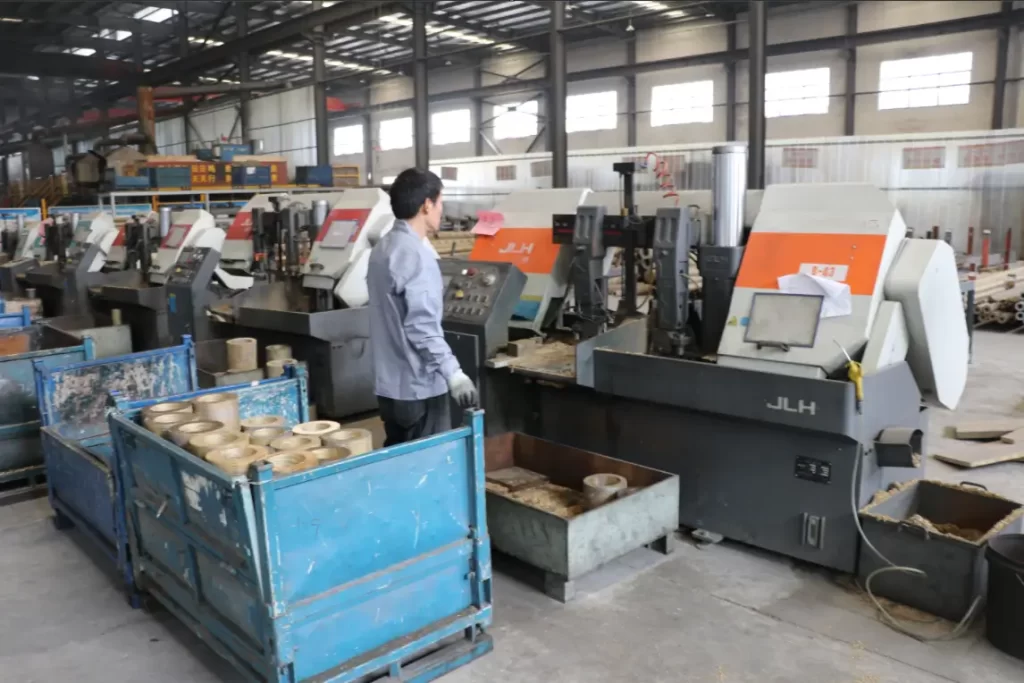
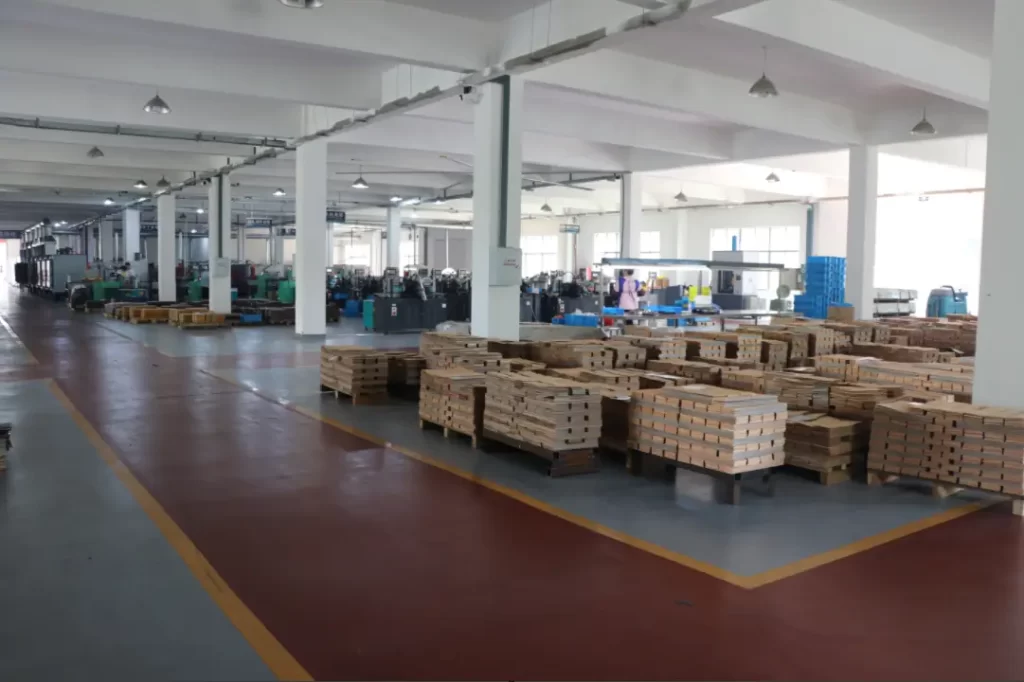
The pivot from maintenance-intensive metal bushings to composite alternatives represents a paradigm shift in life-cycle cost analysis. The elimination of lubrication ports and associated grease consumption reduces both material costs and labor hours for preventive maintenance. Moreover, the extended wear life—often 3 to 5 times that of standard rubber bushes—translates to fewer scheduled inspections and reduced vehicle off-road time. Fleets have reported that composite bushes contribute to a measurable decrease in tire irregular wear, as consistent suspension geometry prevents edge scrubbing. Additionally, the simplified replacement procedure (pressing in/out without specialized hydraulic tools) allows for in-house workshop servicing, eliminating reliance on external heavy-equipment repair facilities.
9. Integration with Modern Chassis Control Systems (ABS, EBS, and Active Suspension)
As commercial vehicles become increasingly digitized, the mechanical interface between sensors and chassis motion becomes critical. Composite bushes exhibit a stable, non-linear stiffness curve that aligns with the input expectations of electronic stability programs (ESP) and anti-lock braking systems (ABS). Because the bush deflection is repeatable and hysteresis-minimized, wheel speed sensors and ride-height sensors receive consistent positional feedback, enabling precise modulation of braking force and traction control. This interoperability is essential for predictive maintenance algorithms, where real-time data from the suspension bushing wear indicators can be integrated into telematic platforms, alerting fleet managers to impending service requirements based on actual strain cycles rather than arbitrary mileage intervals.
FAQ
Q1: What are signs of a worn composite bush?
A: Knocking noises over bumps, uneven tire wear, vehicle drifting, excessive play in suspension joints, and visible cracking or bulging around the bushing housing.
Q2: How does a composite bush differ from rubber?
A: Composite uses fiber-reinforced polymer with self-lubricating properties, no bond-line failure, no greasing needed, and maintains consistent damping longer than rubber which hardens and cracks with age.
Q3: Can composite bushes be used in off-road mining trucks?
A: Yes. They excel in high-impact, high-articulation mining environments due to their impact resistance, self-lubrication, and ability to prevent galling under heavy payloads.
Q4: Do composite bushes require grease?
A: No. The PTFE or graphite integrated into the matrix provides dry-film self-lubrication, eliminating all greasing requirements for the bushing joint.
Q5: How often should composite bushes be replaced?
A: Typically 3–5 times longer than rubber bushes. Replacement depends on operating conditions, but routine inspection every 100,000–150,000 miles is recommended.
Q6: Are composite bushes compatible with OEM suspension arms?
A: Yes. Quality composite bushes are designed as direct OEM replacements with identical dimensional tolerances for fitment into factory arms and brackets.
Q7: Do composite bushes affect wheel alignment?
A: They preserve alignment longer than rubber by maintaining consistent radial stiffness, preventing toe/camber drift under load and extending tire life.
Q8: Can I press-fit a composite bush without special tools?
A: Standard hydraulic or mechanical presses work fine. Ensure proper support on the outer casing to avoid distortion during installation.
Q9: Are composite bushes resistant to road salt and chemicals?
A: Yes. The non-metallic polymer matrix is impervious to salts, de-icing agents, diesel, and hydraulic fluids—no corrosion issues.
Q10: Do composite bushes reduce cabin noise?
A: Significantly. Their viscoelastic damping attenuates 50–500 Hz structural vibrations, reducing driver fatigue and improving cab quietness.
Q11: Can composite bushes handle lift-axle suspension systems?
A: Yes. Their dual-tuned stiffness accommodates dynamic load shifts in lift and tag axles without inducing parasitic steering effects.
Q12: What happens if a composite bush fails?
A: Progressive wear occurs—increased play and degraded damping—rather than sudden catastrophic failure, allowing scheduled maintenance before secondary damage.
Q13: Are composite bushes heavier than steel bushings?
A: No. They are significantly lighter, contributing to reduced unsprung mass and improved suspension response.
Q14: Do temperature extremes affect composite bushes?
A: Minimal effect. The composite matrix maintains stable stiffness across -40°C to +120°C, unlike rubber which stiffens in cold and softens in heat.
Q15: What is the max angular misalignment for a composite bush?
A: Typically ±6° to ±8° depending on design, sufficient for most truck suspension articulation requirements.
Q16: How to inspect composite bushes during PM checks?
A: Visual inspection for cracks or swelling, plus pry-bar test for excessive movement. Compare articulation resistance against a known-good reference.
Q17: Can composite bushes be used on trailers?
A: Yes. Widely used in sliding bogies and air-ride trailer suspensions to reduce breakout friction and prevent lock-up during coupling.
Q18: Do composite bushes need break-in period?
A: No special break-in required. The self-lubricating film establishes immediately upon initial articulation cycles.
Q19: Are MYWAY bushes compatible with Volvo/Scania/MAN/Kenworth?
A: Yes. MYWAY offers direct-fit bushes for all major OEM brands including Volvo, Scania, DAF, MAN, Mercedes, Kenworth, and Peterbilt.
Q20: Where to buy high-quality composite bushes for fleet use?
A: Contact MYWAY directly for bulk fleet pricing, technical fitment verification, and sample testing. Global shipping available with batch traceability.
100000+ Types of Bushings – Contact Us for Details