
Recent Posts
Mastering Metallization Excellence: The Critical Role of Iron Ore Pellets in Direct Reduction Sponge Iron Quality
Introduction
In the contemporary landscape of steelmaking, the direct reduction (DR) process has emerged as a cornerstone for producing high-grade metallic feedstocks, circumventing the traditional carbon-intensive blast furnace route. At the heart of this technological evolution lies a tripartite relationship: the intrinsic properties of iron ore pellets, the kinetic efficiency of the reduction furnace, and the resultant quality parameters of sponge iron, particularly its metallization degree. For plant operators, metallurgical engineers, and procurement specialists, achieving consistent, premium-grade sponge iron is not merely a matter of operational efficiency; it is the key determinant for downstream Electric Arc Furnace (EAF) performance, refractory life, and overall steel purity.
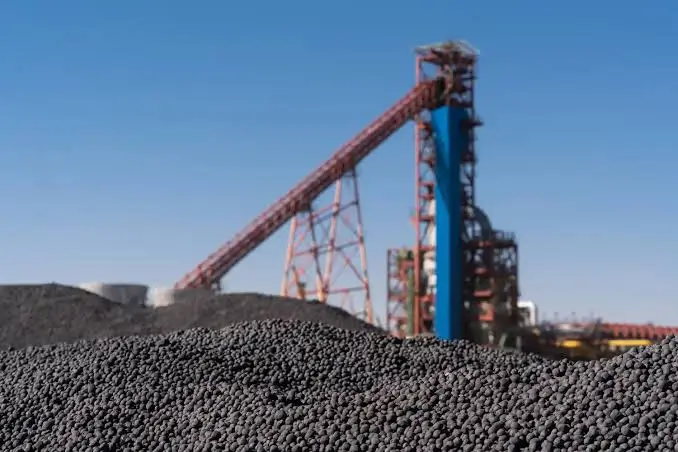
Table of Contents
1. The Foundation of Quality: Understanding Iron Ore Pellet Metallurgical Performance in Direct Reduction
Iron ore pellets serve as the fundamental raw material for the DR process, and their quality directly dictates the kinetics of reduction and the final properties of sponge iron. In a typical shaft furnace or rotary kiln, pellets are subjected to high-temperature reducing gases—primarily hydrogen and carbon monoxide. The efficacy of this conversion hinges on several pellet-specific parameters. High-grade pellets exhibit superior porosity and appropriate gangue content, facilitating the diffusion of reducing gases into the core of the agglomerate. Conversely, pellets with low physical strength may generate fines, disrupting furnace permeability and hindering uniform gas distribution. This directly impacts the metallization rate—the percentage of iron present in the metallic state relative to the total iron content. For plant engineers, selecting DR-grade pellets with a balanced basicity and minimal sulfur-phosphorus impurities is non-negotiable. The reduction behavior of these pellets must also accommodate volumetric expansion; excessive swelling can lead to sticking and catastrophic furnace downtime, underscoring the need for rigorous quality assurance protocols in pellet procurement.
2. Sponge Iron Quality Metrics: Deciphering Metallization Degree and Its Industrial Implications
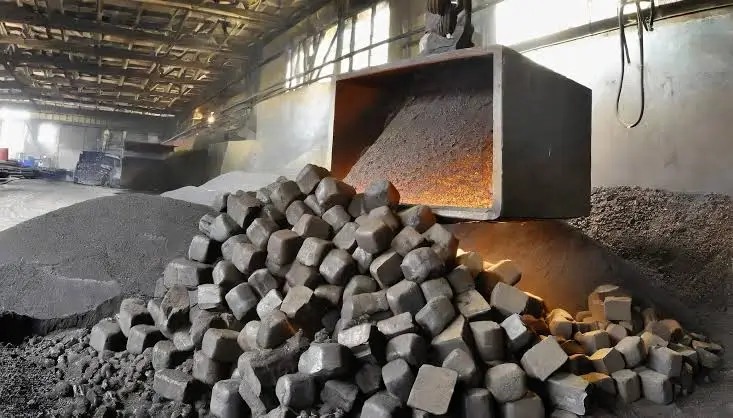
Metallization stands as the singularly most critical indicator of sponge iron quality. Defined as the ratio of metallic iron to total iron (Fe metallic / Fe total × 100%), this metric serves as the barometer for the completeness of the reduction reaction. A high metallization degree, typically above 92% for premium DRI (Direct Reduced Iron), ensures that downstream EAF operations require less electrical energy and reduced slag volumes. Conversely, a low metallization rate leads to increased iron oxide content in the feed, which exacerbates refractory wear in the furnace and elevates oxygen levels in the final steel product. This paramagnetic property of highly metallized DRI also influences material handling and magnetic separation efficiencies. It is imperative to note that metallization is not a static property; it is a dynamic result of residence time, reduction temperature profile, and the reducing gas quality. Therefore, consistent metallization directly correlates with predictable yield, lower production costs, and enhanced steel cleanliness, making it the primary target for all process control strategies in the DR plant.
3. The Interplay between Pellet Chemistry and Reduction Kinetics in Shaft Furnace Operations
The chemical composition of iron ore pellets profoundly influences the reduction kinetics and the final sponge iron quality. Acid pellets, characterized by a low basicity (CaO/SiO₂), differ markedly in their reduction behavior compared to fluxed pellets or those incorporating olivine. In a reducing atmosphere, the presence of basic oxides in fluxed pellets promotes the formation of low-melting-point phases that can either aid or impede reduction depending on temperature control. These phases influence the sintering of metallic iron particles, ultimately affecting the microstructure of the sponge iron. Furthermore, the removal of oxygen from iron oxides is a stepwise process—from hematite (Fe₂O₃) to magnetite (Fe₃O₄), then to wustite (FeO), and finally to metallic iron (Fe). The kinetics of the final wustite-to-iron conversion is often the rate-limiting step. Pellets with optimized porosity and micro-cracks facilitate this mass transfer, accelerating the reduction process and enabling higher throughput. In the context of hydrogen-based direct reduction, which is gaining prominence for green steel production, the purity of the pellet becomes even more critical, as any inert gangue dilutes the reducing efficiency and increases energy consumption per ton of metallic iron produced.
4. Operational Challenges: Sticking, Fines Generation, and Their Impact on Sponge Iron Homogeneity
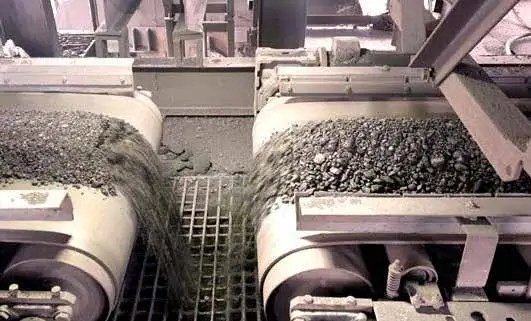
One of the most intractable operational hurdles in direct reduction plants is the phenomenon of sticking and fines generation. When pellets are exposed to high temperatures and high metallic iron content, the nascent metallic iron particles exhibit a propensity for inter-particle bonding. This leads to the formation of large agglomerates that can bridge the furnace shaft, causing erratic material flow and severe damage to distribution mechanisms. This sticking tendency is exacerbated by high metallization rates and elevated temperatures beyond the optimal reduction window. Simultaneously, the attrition and abrasion of pellets generate fines—particles smaller than the designated size range. These fines accumulate within the furnace burden, choking the reducing gas flow and creating “dead zones” where reduction is incomplete. The resultant sponge iron exhibits heterogeneity, with some portions over-reduced and others under-reduced, leading to inconsistent metallization across the entire product batch. To mitigate these issues, operators often rely on precise temperature profiling and the addition of coatings or additives to the pellet surface. However, mechanical solutions within the handling and distribution infrastructure are equally vital to maintaining consistent material flow.
5. Functional Role of Bushing Systems in Maintaining Process Stability in DR Plants
In the harsh, abrasive, and thermally demanding environment of a direct reduction plant, the integrity of mechanical components is paramount. This is where the functional application of advanced bushing systems becomes critical. Bushings, primarily utilized in screw conveyors, feeder systems, and rotary kiln support rollers, serve as sacrificial liners that absorb friction, dampen vibration, and align rotating shafts. In the context of sponge iron production, these components are subjected to extreme wear from the movement of iron ore pellets and the abrasive nature of reduced fines. A worn bushing leads to misalignment, increased power consumption, and mechanical failures that translate directly into unplanned downtime. The metal-to-metal contact in misaligned equipment generates heat and accelerates component fatigue. By employing high-quality bushing systems, operators ensure precise concentricity and axial positioning, which translates to smoother material flow from the feed bin to the furnace and from the furnace to the discharge cooler. The functional reliability of these bushings directly influences the stability of the reducing atmosphere and, by extension, the consistency of the product quality.
6. Application-Driven Design: Customizing Bushing Solutions for High-Temperature Abrasive Environments
The application-specific requirements for bushings in the DR industry extend beyond standard mechanical specifications. These components must withstand not only heavy loads and continuous operation but also high temperatures and corrosive gas environments. A generic bushing will rapidly fail under these conditions, leading to frequent maintenance cycles and compromised production schedules. Therefore, the engineering approach must focus on materials science: utilizing alloys with high hot hardness, superior oxidation resistance, and low coefficients of friction. The design must also accommodate the thermal expansion of the shaft and housing to prevent seizing. This application-centric perspective ensures that the bushing maintains its dimensional stability and surface integrity over extended periods. In critical areas such as the kiln discharge chute or the product transfer chutes, bushings play a protective role, shielding the underlying structural steel from the abrasive flow of hot sponge iron. By mitigating abrasion and impact, these bushings preserve the geometry of the material handling pathways, ensuring that the flow of DRI to the cooling system remains consistent and free from disruptive blockages.
7. MYWAY Engineering Reliability for Enhanced Sponge Iron Production Quality
To address the rigorous demands of direct reduction processes, the MYWAY (bushing) system has been developed as a precision-engineered solution. This system is not merely a replacement part; it is a strategic component designed to elevate plant availability and product quality. The MYWAY bushing leverages advanced metallurgical compositions that offer exceptional resistance to the adhesive and abrasive wear generated by iron ore pellet handling and DRI discharge. Its surface engineering reduces friction coefficients, minimizing energy losses in driven equipment. In rotary kiln applications, the MYWAY bushing ensures stable support roller alignment, directly contributing to the axial stability of the kiln. This stability is crucial for maintaining a uniform bed depth and temperature profile, which are essential for achieving a high metallization degree. By reducing mechanical vibration and misalignment, the MYWAY bushing system extends the service life of mating components, such as shafts and housings, thereby reducing the total cost of ownership. For plant managers, the adoption of MYWAY bushings translates to reduced maintenance interventions, lower spare part inventory requirements, and, most importantly, a reliable platform to sustain the production of high-quality sponge iron.
8. Cost-Benefit Analysis: How Mechanical Integrity Influences Metallization Economics
The economic implications of mechanical wear and tear in a direct reduction plant are often underestimated, yet they have a direct bearing on the cost of producing quality sponge iron. When equipment is misaligned due to worn bushings, the resultant increase in frictional resistance requires greater drive torque, thus escalating electrical energy consumption—a significant operating expense. Furthermore, mechanical instability leads to accelerated wear of seals and bearings, increasing the risk of lubricant contamination by dust and fines. The most consequential economic impact, however, is the loss of production due to unscheduled shutdowns. Each hour of downtime in a DR plant represents thousands of tons of lost output and the associated opportunity cost. By investing in superior bushing technology like MYWAY, operators preempt these disruptions. The enhanced wear resistance ensures that the equipment operates within its intended tolerances for longer durations, supporting continuous operation at design capacity. This mechanical consistency ensures that the process parameters—temperature, pressure, and gas flow—remain stable, thus allowing the process control system to consistently achieve and maintain the target metallization range, thereby optimizing the entire production economics.
9. Strategic Procurement: Selecting the Right Partner for Critical Component Supply
The decision to procure critical components such as bushings should be viewed through the lens of strategic partnership rather than mere transactional purchasing. A reliable supplier must demonstrate not only product quality but also technical support, customization capabilities, and delivery reliability. In the direct reduction industry, where process conditions are bespoke, a “one-size-fits-all” approach is obsolete. Suppliers must possess the engineering acumen to analyze the specific wear patterns, load characteristics, and thermal conditions of the client’s equipment. This collaborative approach ensures that the bushing is optimized for its specific duty, maximizing service intervals. Furthermore, the supplier’s commitment to quality control and material traceability is non-negotiable to prevent catastrophic failures. This is where MYWAY distinguishes itself—by offering a comprehensive support framework that extends from metallurgical consultation through to post-installation monitoring. Engaging with MYWAY ensures that the plant’s material handling infrastructure is not just maintained but enhanced, enabling a strategic focus on the primary objective: maximizing sponge iron quality and metallization efficiency.
FAQ: Comprehensive 608 Bearing Guide
Q1: What is the standard metallization rate for DRI?
A1: Above 92 percent.
Q2: Why do iron ore pellets affect sponge iron quality?
A2: They determine reduction kinetics and final product purity.
Q3: How to prevent sticking in shaft furnaces?
A3: Strict temperature profiling combined with anti-stick coatings.
Q4: How to handle excessive fines generation in a DRI plant?
A4: Upgrade pellet cold compression strength and install efficient screening systems.
Q5: Can bushing wear lead to production shutdown?
A5: Yes, worn bushings cause shaft misalignment and mechanical breakdown.
Q6: What is the best material for rotary kiln support roller bushings?
A6: High-chromium nickel-molybdenum heat-resistant alloy steel.
Q7: What are the consequences of low metallization?
A7: Higher EAF power consumption and accelerated refractory wear.
Q8: Which parameters are critical for DR-grade pellet testing?
A8: Porosity, CCS (cold compression strength), basicity ratio, and gangue content.
Q9: What iron grade is required for hydrogen-based direct reduction?
A9: Total iron content must exceed 67 percent.
Q10: How does sponge iron quality impact EAF steel cleanliness?
A10: Lower gangue content directly translates to fewer non-metallic inclusions.
Q11: What is the main benefit of fluxed pellets?
A11: Enhanced reducibility and lower specific energy consumption.
Q12: Why is wustite reduction considered the bottleneck stage?
A12: It is the slowest kinetic step, controlling the overall conversion rate.
Q13: How to achieve stable metallization in DRI production?
A13: Maintain consistent reduction temperature, gas composition, and bed residence time.
Q14: What are the early signs of bushing failure in service?
A14: Excessive vibration, unusual mechanical noise, and localized temperature spikes.
Q15: What specific issue does the MYWAY bushing resolve?
A15: Provides superior wear resistance and vibration damping to secure precise equipment alignment.
Q16: What is the most common cause of unscheduled DRI plant downtime?
A16: Mechanical component failures, more frequent than process disturbances.
Q17: What are the top priorities when purchasing replacement bushings?
A17: Alloy grade certification, dimensional accuracy, application fit, and supply reliability.
Q18: How to correct excessive pellet swelling during reduction?
A18: Modify the pellet mineral phase composition and adjust induration firing parameters.
Q19: What is the most effective way to lower DRI energy consumption per ton?
A19: Maximize metallization degree and implement waste heat recovery systems.
Q20: How much maintenance saving can premium bushings deliver?
A20: Extend overhaul intervals by 2-3 times and reduce spare parts inventory costs substantially.
100000+ Types of Bushings – Contact Us for Details