
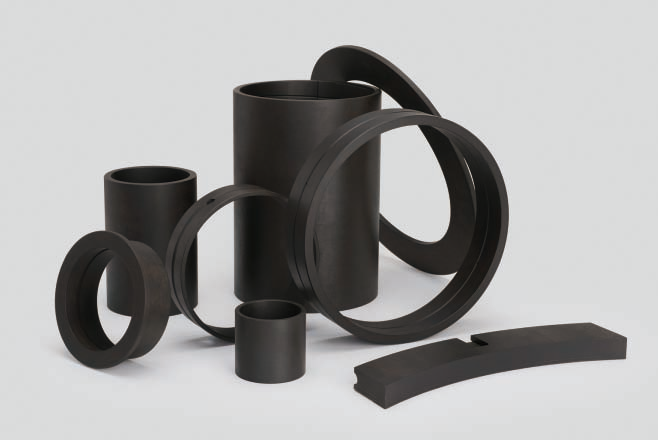
Plastic Bearings: The Smart Alternative Your Design May Be Missing
In a world where machines must run cleaner, quieter, and longer than ever, one component’s evolution is quietly revolutionizing engineering design: the plastic bearing.

In a world where machines must run cleaner, quieter, and longer than ever, one component’s evolution is quietly revolutionizing engineering design: the plastic bearing.
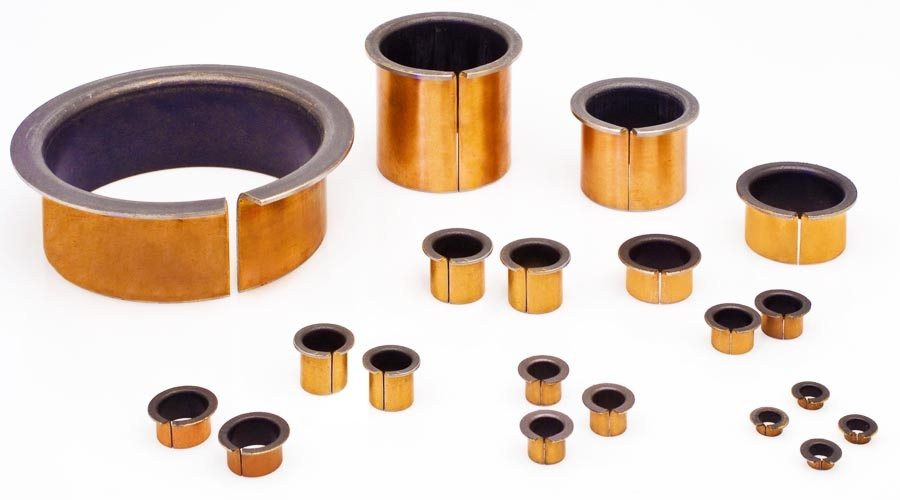
In the demanding world of machinery—from massive construction sites to precise automated production lines—downtime is the enemy. The constant cycle of wear, friction, and the never-ending need for lubrication in traditional components can grind productivity to a halt.
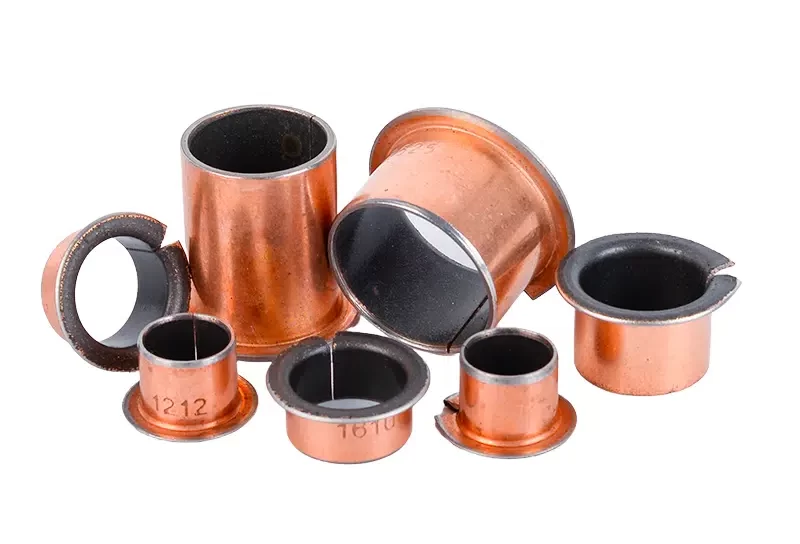
In the world of machinery, where every moving part counts, a simple yet revolutionary component is redefining reliability: the flanged sleeve bearing. More than just a spacer, this clever bearing is a cornerstone for efficient design, offering unmatched durability and maintenance-free operation in the harshest conditions. This article delves into what makes flanged sleeve bearings indispensable, explores advanced materials like PTFE, and reveals how MYWAY’s engineering provides superior solutions for your toughest challenges.
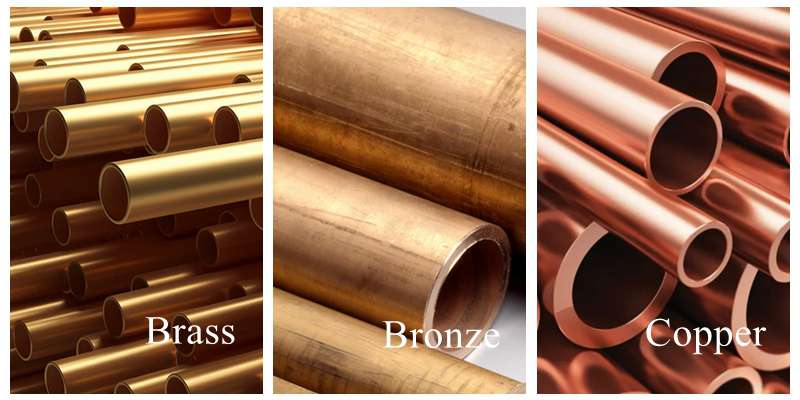
In the world of bearings and bushings, material selection isn’t just a choice—it’s the foundation of performance, longevity, and cost-efficiency. Among the most trusted families of materials are the copper alloys: Copper, Brass, and Bronze. While often grouped for their reddish hues, these alloys possess distinct “personalities” that make them uniquely suited for specific challenges.
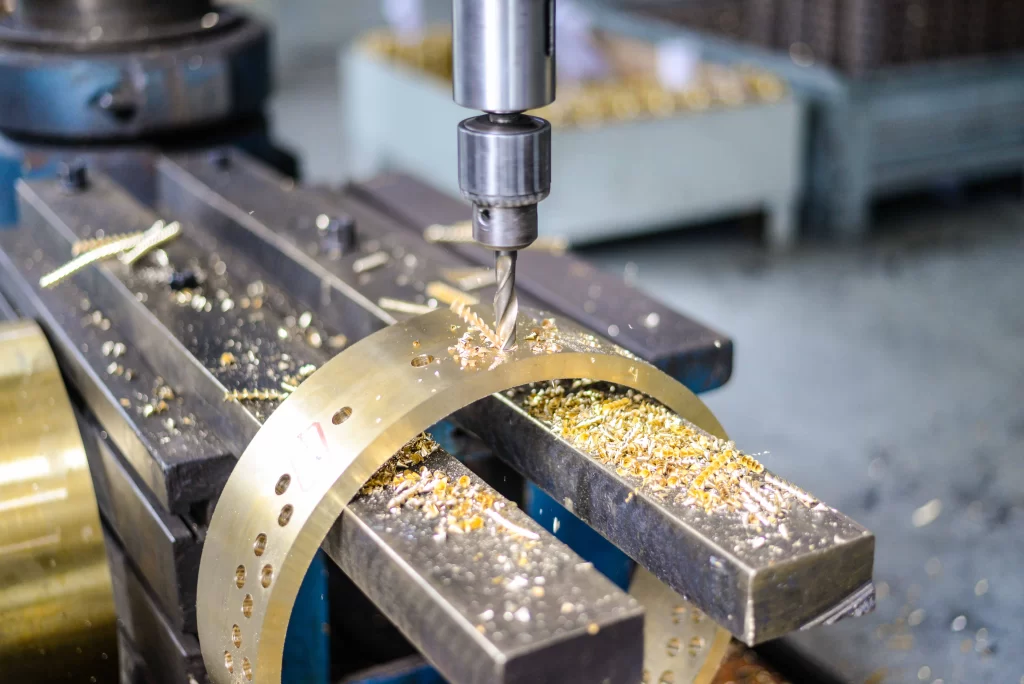
For engineers and procurement specialists across industries—from heavy machinery and marine applications to the precise world of food processing—the quest for reliability is never-ending. When a critical bushing fails under high load in a submerged pump, or a bearing seizes in a remote, grease-free application, the cost extends far beyond the component itself: it’s measured in downtime, lost productivity, and urgent maintenance.
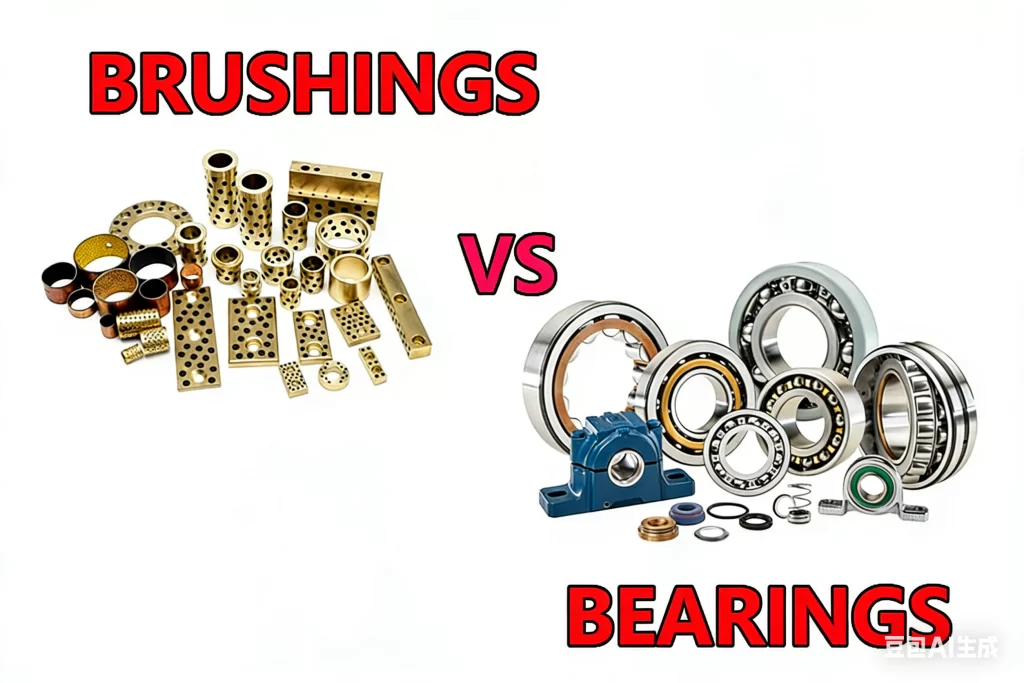
In the world of mechanical engineering, few choices are as fundamental as selecting the right component to manage motion and reduce friction between moving parts. While the terms “bushing” and “bearing” are often used interchangeably in casual conversation, confusing them in a design specification can lead to catastrophic failures, increased maintenance costs, and compromised system performance.
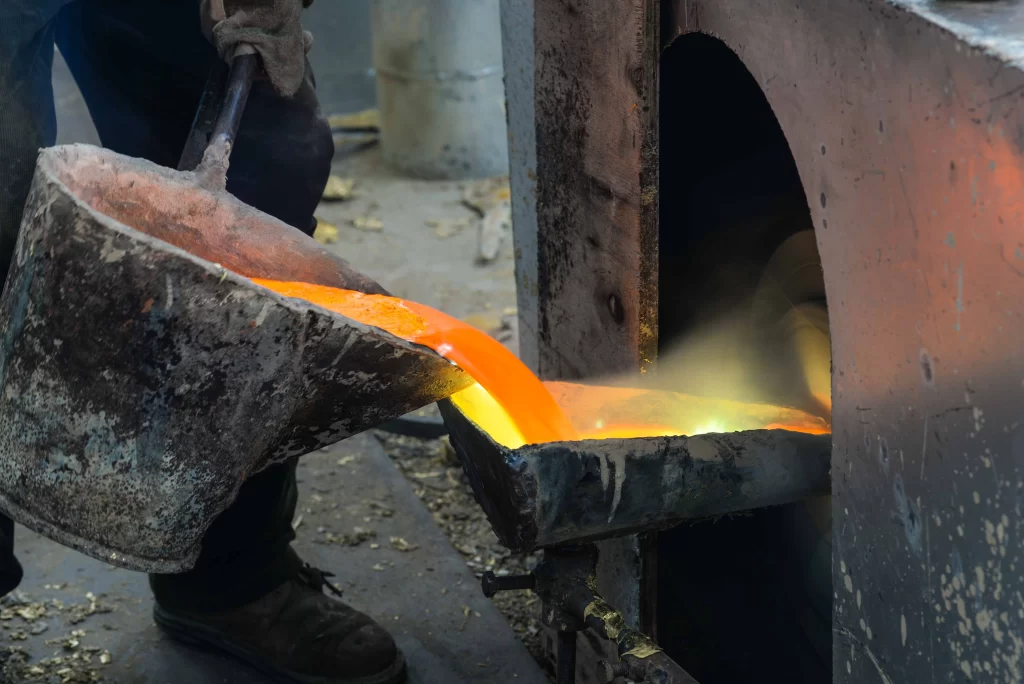
In the world of mechanical engineering, where bearings and bushings are the silent guardians of motion, most discussions focus on load capacity, wear resistance, and lubrication. However, a more fundamental, often overlooked property acts as the ultimate gatekeeper for performance and safety: the melting point of bronze.
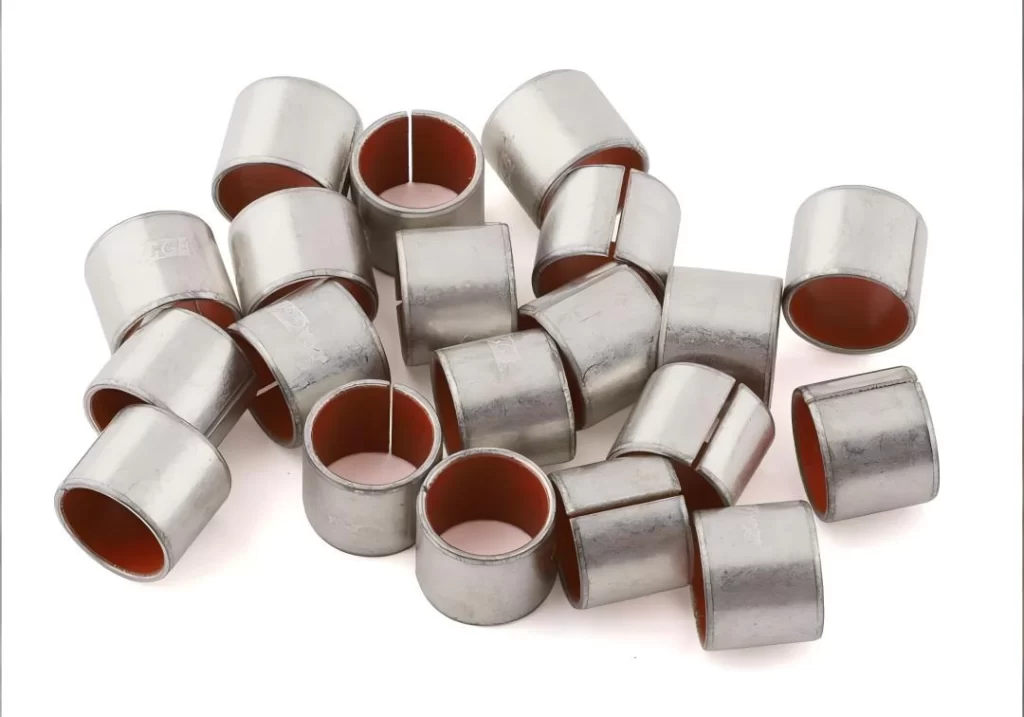
Have you ever considered how much rides on the humble bushing? In the world of industrial machinery, automotive systems, and precision equipment, a component measuring just a few centimeters can mean the difference between smooth, uninterrupted operation and costly, unexpected downtime.
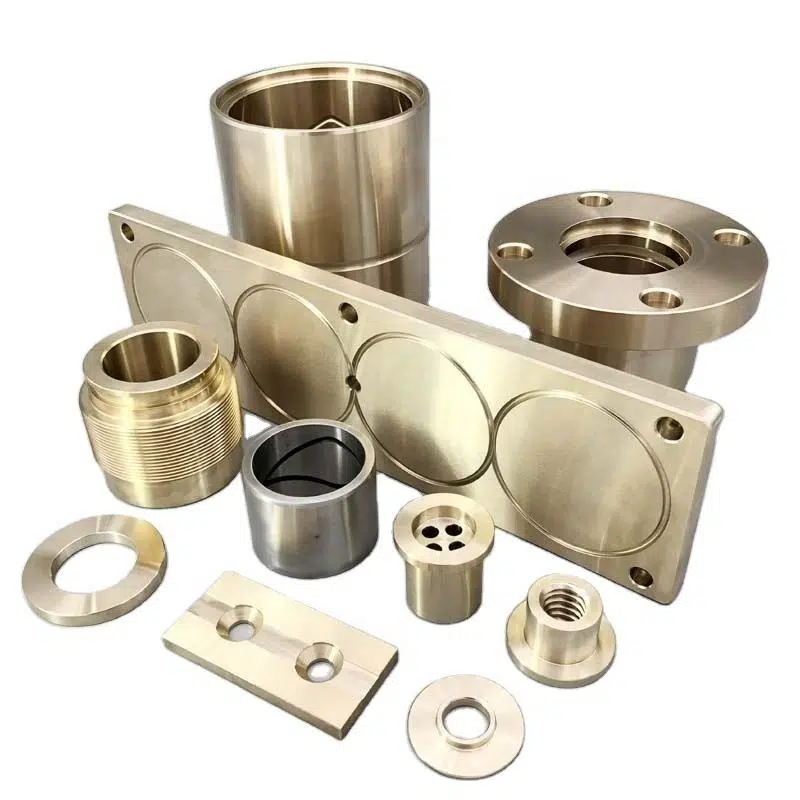
For bushings and plain bearings, the core dilemma between oil and grease lubrication hinges on a trade-off: grease offers simplicity and stays in place, while oil provides superior cooling and is essential for high-speed applications. Choosing incorrectly can lead to premature wear, frequent maintenance, and costly downtime. This article cuts through the complexity, providing a clear framework for selecting the right lubricant and introduces a third, often superior path: modern self-lubricating bushing solutions.
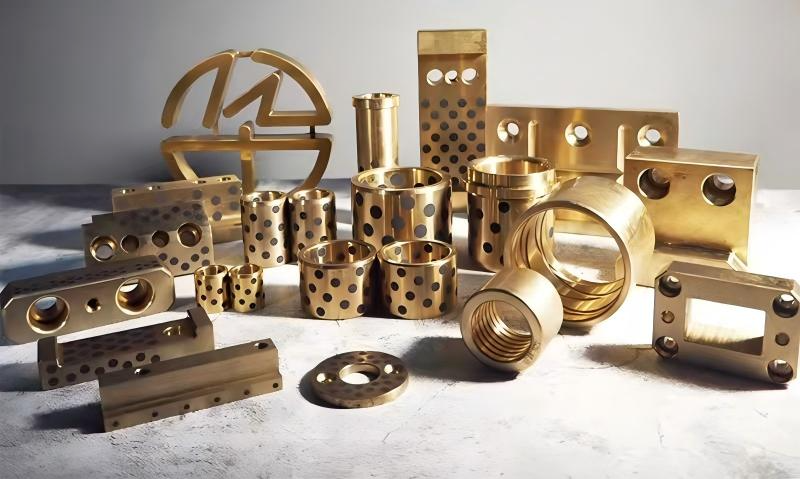
For decades, SAE 660 bronze (also known as C93200 or RG7) has been the go-to material for countless engineers designing plain bearings and bushings. Its reputation as a reliable, all-purpose alloy is well-earned. But in today’s demanding industrial landscape, is the traditional choice always the optimal one? This article delves deep into the properties, applications, and inherent limitations of SAE 660 bronze bushings and explores modern, high-performance alternatives that can unlock greater efficiency and reliability for your machinery.