
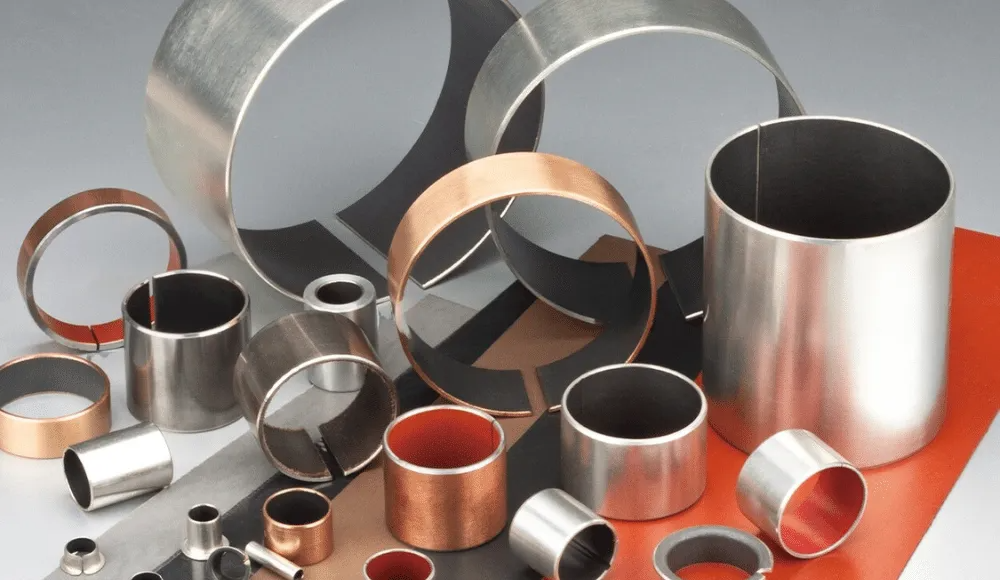
Flanged Sleeve Bearings Explained: Your Guide to Durable, Low-Friction Machine Design
Flanged sleeve bearings are the simple yet vital components that enable smooth machine operation under both radial and thrust loads.

Flanged sleeve bearings are the simple yet vital components that enable smooth machine operation under both radial and thrust loads.
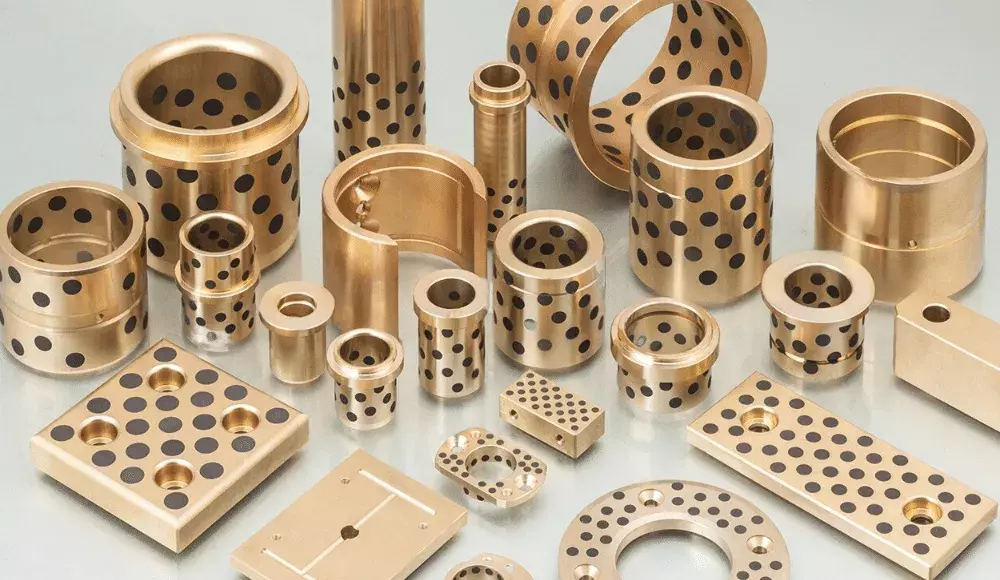
When we talk about bronze, we’re not referring to a single, simple metal. Bronze represents a family of copper-based alloys that has been fundamental to human engineering for millennia.
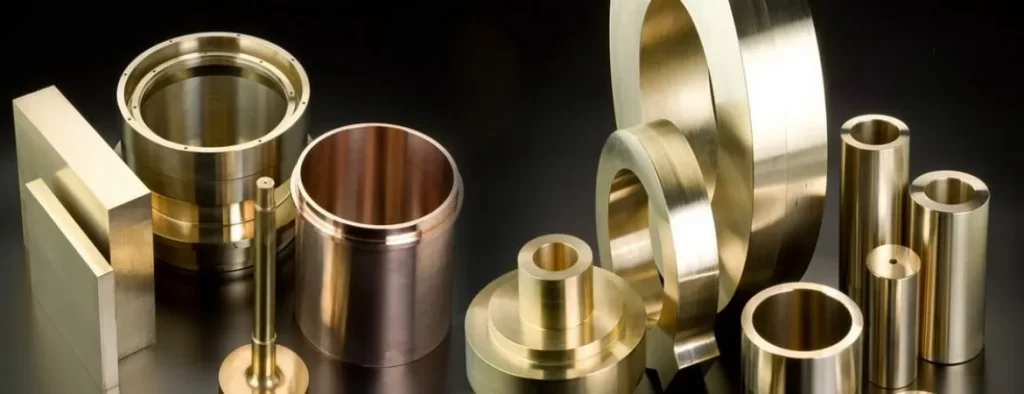
In the world of metals, flashy names like titanium or stainless steel often steal the spotlight. But down in the trenches—inside a roaring pump, on a salt-sprayed ship deck, or at the friction-heavy heart of heavy machinery—a quieter, more dependable hero is at work. This is the realm of silicon bronze.
– For high load, high temperatures, and heavy duty, consider bronze and steel.
– For corrosion resistance and heat conduction, copper is great.
– For self-lubricating and low maintenance, consider composites like PTFE or PEEK, or Nylon.
– For shock absorption and durability, nothing beats polyurethane.
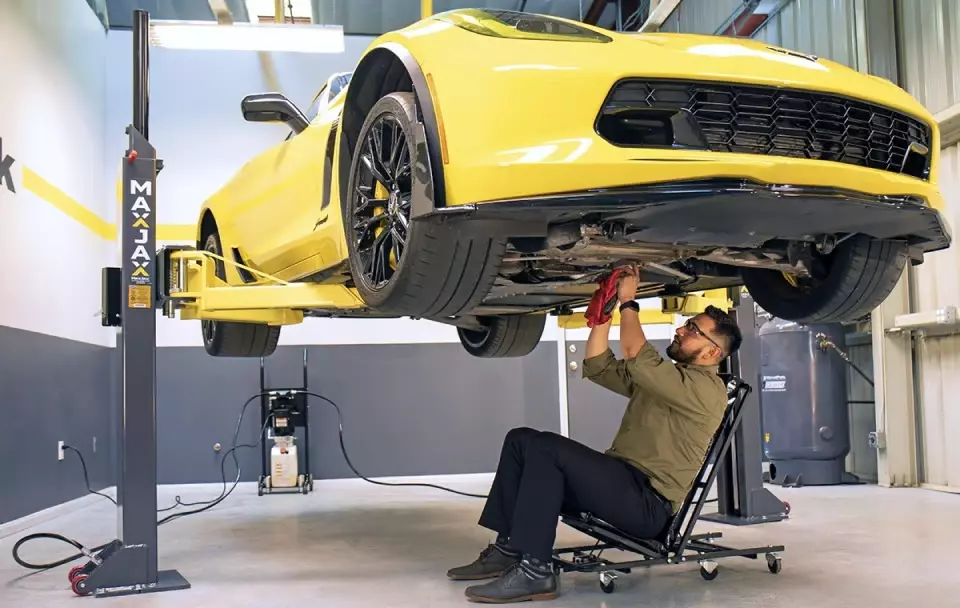
When your car starts developing a clunking noise over bumps or feels less stable in corners, worn sway bar bushings are often the culprit.
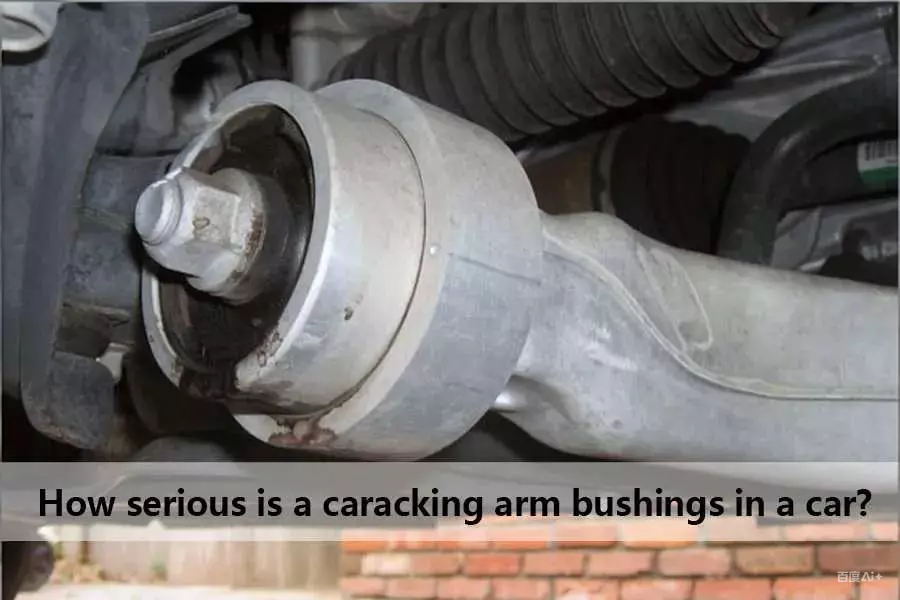
If your mechanic points to a cracked piece of rubber on a control arm during an inspection, you might wonder if it’s a minor wear-and-tear issue or something that needs immediate attention.
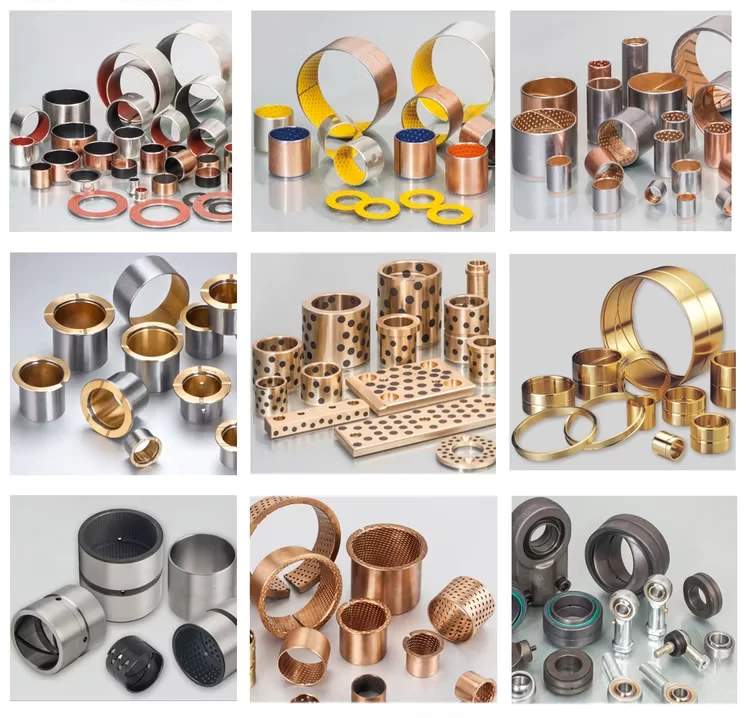
In the world of mechanical engineering, few components are as fundamental yet overlooked as the bush bearing. Also known as plain bearings or sleeve bearings, these components are essential for reducing friction between rotating or sliding surfaces.
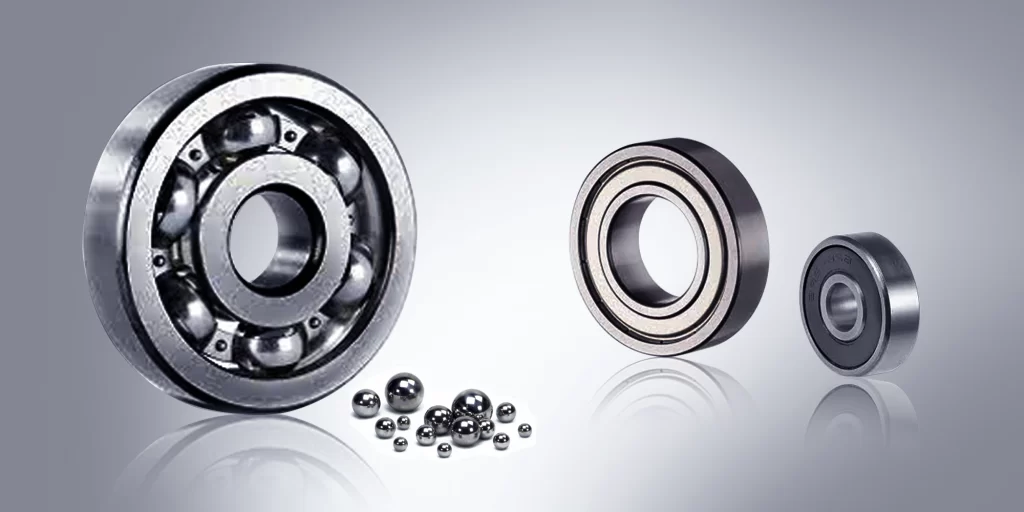
The 608 bearing represents one of the most versatile and widely used miniature deep-groove ball bearings in the industrial and consumer sectors. With standardized dimensions of 8mm bore diameter, 22mm outer diameter, and 7mm width, this compact yet powerful component efficiently handles both radial and axial loads while maintaining excellent high-speed performance.
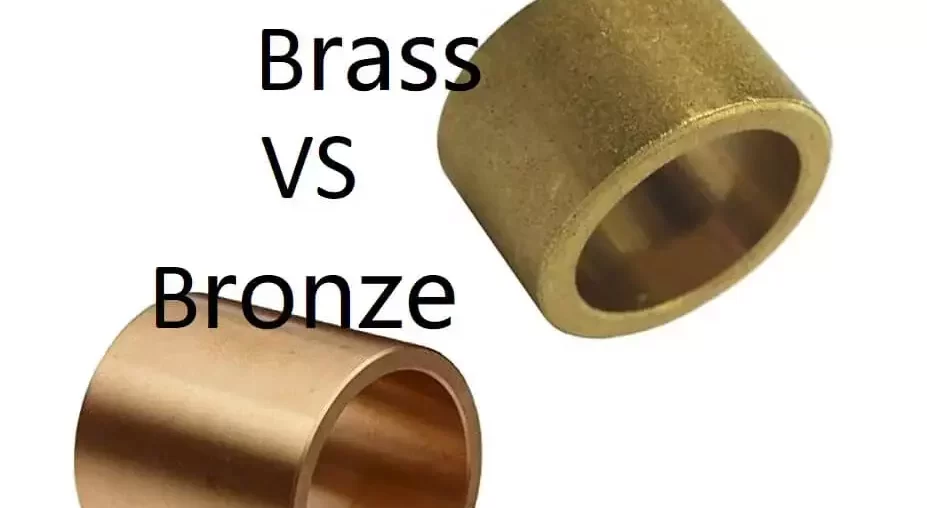
When it comes to industrial uses, choosing between brass and bronze bushings is very important for getting the best performance, longest life, and lowest cost.
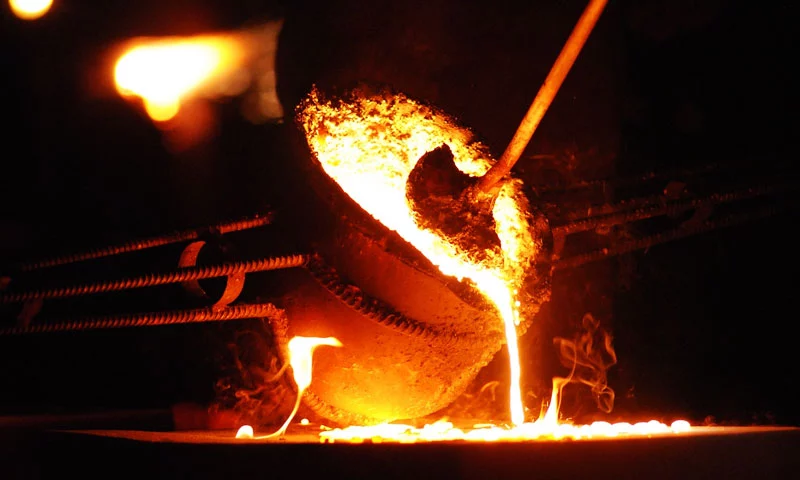
For engineers and manufacturers specializing in dynamic applications, understanding the melting point of bronze is not merely academic—it’s fundamental to designing high-performance self-lubricating bronze bushings that minimize downtime, extend service life, and reduce operational costs.