
Recent Posts
Bronze Blocks: High-Strength & Self-Lubricating Solutions for Industrial Applications
When it comes to heavy-duty machinery, precision molds, and demanding industrial environments, the choice of material can make or break your equipment’s performance. Bronze blocks have emerged as the go-to solution for engineers seeking durability, wear resistance, and reliability. But not all bronze blocks are created equal.
In this comprehensive guide, we’ll explore why high-strength aluminum bronze blocks and self-lubricating graphite bronze blocks are transforming industries from automotive to aerospace. Whether you’re designing injection molds, building heavy machinery, or sourcing components for marine applications, understanding these materials will help you make smarter decisions that save money and reduce downtime.
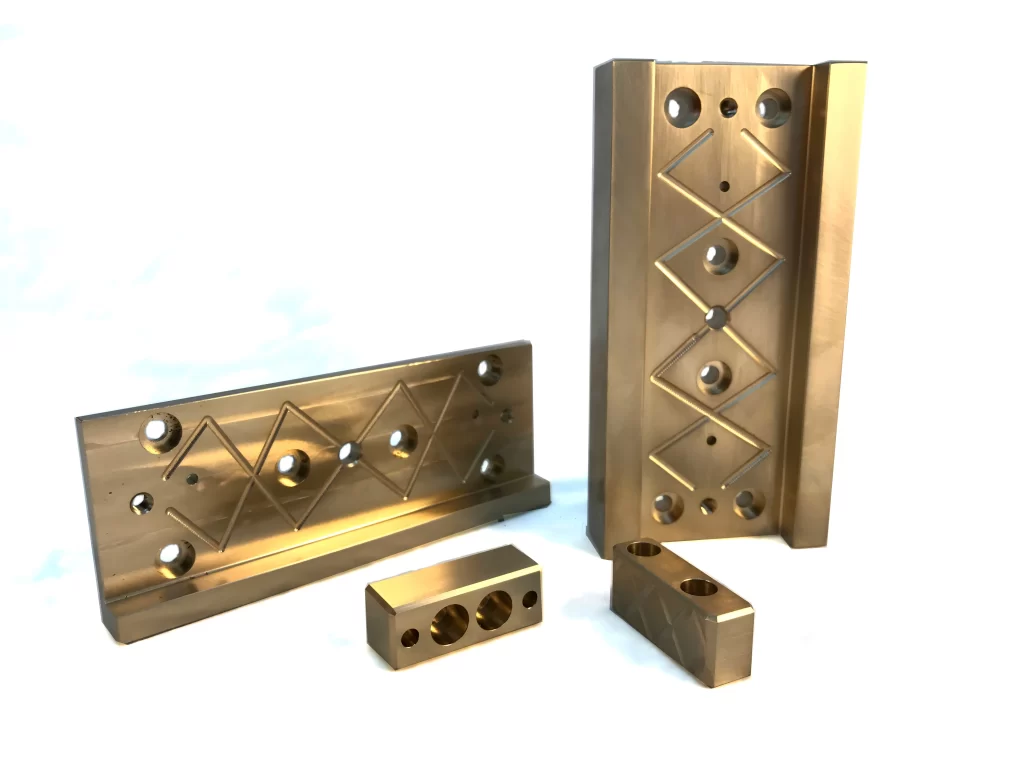
Table of Contents
1. What Exactly Is a Bronze Block?
A bronze block is a solid piece of bronze alloy, typically machined into rectangular or custom shapes for use as wear plates, guide blocks, slide blocks, or structural components. These blocks serve as the foundation for components that must withstand high loads, constant friction, and harsh operating conditions .
The magic of bronze blocks lies in their composition. By combining copper with tin, aluminum, nickel, manganese, or other elements, manufacturers can fine-tune properties like strength, corrosion resistance, and lubricity to meet specific application requirements .
Key applications include:
Wear plates and guide blocks for injection molds
Slide blocks for heavy machinery and automation equipment
Bearing housings and structural components
Marine hardware exposed to seawater
Valve and pump components handling high pressure
2. Why High-Strength Aluminum Bronze Blocks Are Industry Favorites
When engineers specify aluminum bronze blocks, they’re prioritizing exceptional mechanical properties that far exceed typical tin or leaded bronzes. The addition of aluminum, iron, nickel, and manganese creates a material powerhouse.
The Alloy Breakdown: CuAl10Fe5Ni5, CuAl10Ni5Fe4, and CuAl10Fe3Mn3
Let’s look at the three most common high-strength aluminum bronze alloys used in block applications:
CuAl10Fe5Ni5 (EN 1982 / CC333G) – The Premium Choice
This is arguably the most well-known high-strength aluminum bronze. With roughly 10% aluminum, 5% iron, and 5% nickel, blocks made from this alloy offer:
Superior tensile and yield strength – withstands significantly higher stresses without deforming
Excellent wear resistance – the iron-nickel microstructure provides outstanding protection against friction and abrasive particles
Exceptional corrosion resistance – particularly in marine environments and acidic conditions
High impact strength – absorbs shocks and sudden impacts without fracturing
CuAl10Ni5Fe4 – The Functional Equivalent
Often considered interchangeable with CuAl10Fe5Ni5 in many specifications, this aluminum-nickel bronze delivers very similar performance. It offers high mechanical strength, excellent wear resistance, and superior corrosion protection, including resistance to erosion-corrosion.
CuAl10Fe3Mn3 – The Toughness Specialist
With approximately 3% manganese and 3% iron, this variant provides high strength and good wear resistance while offering enhanced toughness. The manganese content contributes to both strength and castability, making it an excellent choice for heavy-duty structural components.
How Do These Compare to Standard Bronze?
| Feature | CuAl10Fe5Ni5 / CuAl10Ni5Fe4 | CuAl10Fe3Mn3 | Typical Tin Bronze (CuSn12) |
|---|---|---|---|
| Tensile Strength | 650-800 MPa | 600-750 MPa | 300-400 MPa |
| Yield Strength | 280-400 MPa | 250-350 MPa | 150-200 MPa |
| Hardness (Brinell) | 150-210 HBW | 140-190 HBW | 80-110 HBW |
| Wear Resistance | Excellent | Very Good | Good |
| Corrosion Resistance | Excellent | Very Good | Good |
| Impact Strength | Very Good | Very Good | Fair |
Note: Property ranges depend on manufacturing process and heat treatment .
Where Are These High-Strength Bronze Blocks Used?
Components machined from these aluminum bronze blocks include:
Heavy-duty wear plates and liners – resisting abrasion in chutes, feeders, and transfer points
Guide blocks and gibs – for machine tools requiring dimensional stability under load
Heavy machinery components – structural parts in construction, mining, and agricultural equipment
Tooling components – dies, molds, and fixtures requiring high strength
Marine hardware – propeller shaft components, fittings, valve bodies
Aerospace components – bushings and bearings where durability is critical
3. The Self-Lubricating Revolution: Graphite Bronze Blocks
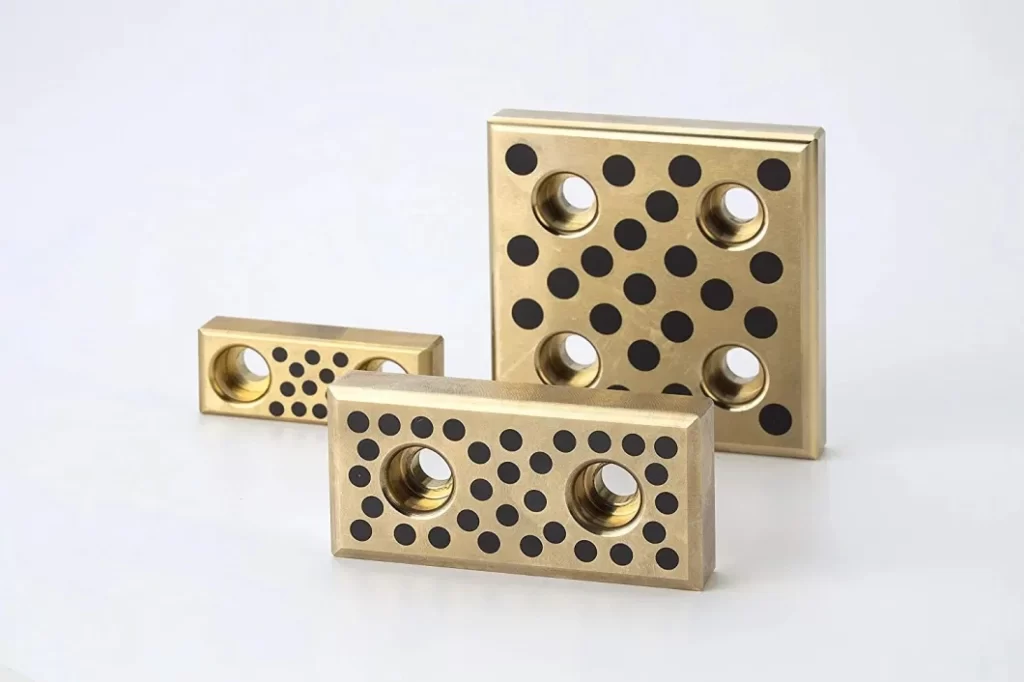
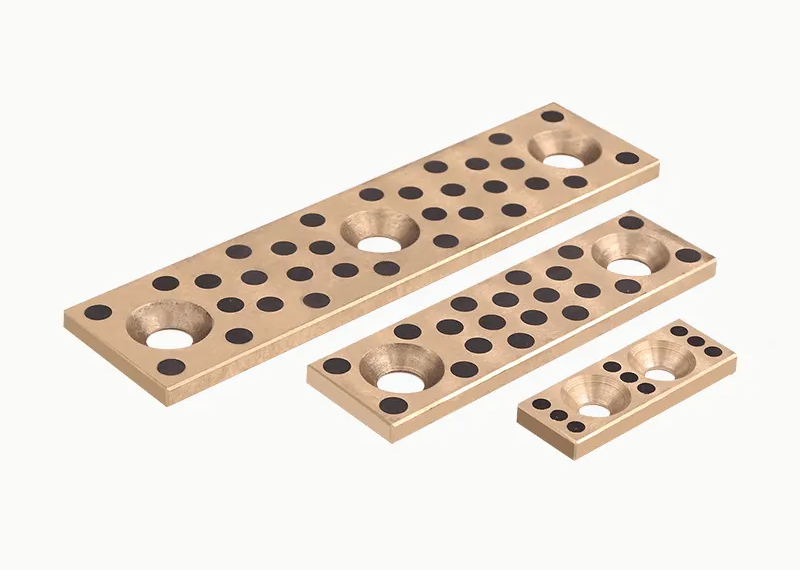
One of the most significant advancements in bronze block technology is the incorporation of solid lubricants, most notably graphite. These components are game-changers for applications where external lubrication is impractical or undesirable .
How Graphite Bronze Blocks Work
Graphite has a lamellar (layered) structure that allows layers to slide over each other easily, providing a very low coefficient of friction. When embedded into bronze—typically as plugs or in filled grooves—the graphite transfers a thin film onto the mating surface during movement, creating a solid lubricating layer that continuously replenishes itself .
Key Benefits of Graphite-Impregnated Bronze Blocks
1. True Self-Lubrication
No external oil or grease needed. The graphite plugs provide continuous lubrication throughout the component’s life, reducing friction coefficients to below 0.05 in optimal conditions.
2. Maintenance-Free Operation
Eliminates the need for scheduled re-lubrication, reducing labor costs and eliminating the risk of missed lubrication cycles. This “fit and forget” nature translates directly to bottom-line savings.
3. Extreme Temperature Performance
Graphite remains effective at temperatures where oils and greases degrade or burn off—often stable up to 380°C (716°F) or even higher in non-oxidizing atmospheres.
4. Clean, Contamination-Free Operation
No oil mist, no drips, no grease to attract dust. This is critical for industries like food processing, medical devices, and electronics manufacturing where contamination is unacceptable.
5. Dry Start Protection
Provides immediate lubrication upon startup, preventing wear before a hydrodynamic film can form in conventionally lubricated systems.
Graphite vs. Traditional Lubrication: A Quick Comparison
| Feature | Graphite Lubrication | Traditional Oil/Grease |
|---|---|---|
| Lubrication Type | Solid Film | Fluid Film |
| Maintenance | Lubricated for life | Regular replenishment required |
| Temperature Capability | High (380°C+) | Limited by oil degradation |
| Contamination Risk | None (dry) | Leaks, drips, dust attraction |
| Lifetime Cost | Higher initial, lower lifetime | Lower initial, ongoing costs |
Critical Design Features: Positioning Holes and Grooves
Positioning Holes (Dowel Holes)
Simply placing a slide block isn’t enough—it needs precise, secure location. Positioning holes serve multiple functions:
Precise alignment – guarantees accurate placement crucial for maintaining tolerances
Enhanced stability – prevents shifting or rotating under load
Simplified assembly – holes act as datums for repeatable positioning
Improved load distribution – secure fixing helps distribute loads evenly
The Purpose of Grooves
Grooves machined into bronze blocks aren’t just aesthetic:
Graphite reservoirs – hold solid lubricant plugs that constantly replenish the lubricant film
Debris traps – collect wear particles preventing them from causing further damage
Stress relief – act as crack arrestors, preventing surface imperfections from propagating
Lubricant distribution – channels for liquid lubricants when used
4. Choosing the Right Bronze Alloy for Your Application
Selecting the optimal bronze block material requires careful consideration of your specific operating conditions. Here’s a quick guide:
| Bronze Alloy Base | Key Characteristics | Common Grades | Best Applications |
|---|---|---|---|
| Tin Bronze | Good strength, hardness, wear resistance, excellent machinability | C93200 (SAE 660), CuSn12 | General-purpose wear plates, guide blocks under moderate loads |
| Aluminum Bronze | Very high strength, hardness, excellent wear and corrosion resistance | C95400, CuAl10Fe5Ni5, CuAl10Ni5Fe4 | Heavy-duty applications, marine environments, high-load conditions |
| Manganese Bronze | Extremely high tensile strength and hardness | C86300 (SAE 430B) | Very large slides, pressure pads, exceptional load-bearing needs |
| Silicon Bronze | Excellent corrosion resistance, good surface finish | C87600, C87400 | Bushings, bearings, automotive applications requiring self-lubrication |
Factors to Consider When Selecting
Load magnitude – higher loads require stronger base materials like aluminum or manganese bronze
Sliding velocity – higher speeds benefit from materials with excellent heat dissipation
Operating temperature – ensure the material maintains properties at your working temperature
Corrosive environment – select bronze with superior corrosion resistance if exposed to seawater or chemicals
Machinability – tougher alloys require robust tooling and proper machining parameters
5. Real-World Applications: Where Bronze Blocks Excel
Mold Manufacturing
Graphite bronze blocks are indispensable in injection molds and die-casting tools. They’re used as:
Wear plates – embedded in A/B plates to protect valuable mold steel from galling and wear
Guide blocks – for side-action cores, lifters, and complex slide mechanisms
Ejector system components – ensuring smooth, precise movement
The self-lubricating nature eliminates oil contamination on molded parts—critical for automotive body panels and food packaging applications .
Heavy Machinery and Construction Equipment
Excavators, loaders, and cranes rely on bronze slide blocks for:
Pivot points – absorbing lateral forces and ensuring smooth articulation
Telescopic boom components – wear pads that guide extension and retraction
Track adjustment mechanisms – high-load components that must withstand severe conditions
Metallurgical Equipment
Rolling mills and continuous casting machines use bronze blocks for:
High-temperature guide components – withstanding extreme heat and heavy loads
Continuous casting sliders – guiding molten metal strands where temperatures and wear are intense
Marine Applications
Bronze’s natural corrosion resistance makes it ideal for:
Propeller shaft bushings – withstanding seawater exposure and high loads
Rudder components – requiring both strength and corrosion protection
Pump housings and valve bodies – handling seawater and corrosive fluids
Automotive Industry
Modern vehicles incorporate bronze blocks in:
Suspension systems – bushings and slide plates at linkage points
Gearbox synchronizers – facilitating smooth gear changes
Engine components – valve guides and small end bushings
6. Working with High-Strength Bronze Blocks: What You Need to Know
Machining Considerations
Aluminum bronzes are significantly tougher than brasses or leaded bronzes. Successful machining requires:
Robust machine tools with sufficient rigidity
Sharp carbide tooling – high-speed steel won’t cut it
Appropriate speeds and feeds – too slow causes work hardening, too fast generates excessive heat
Good coolant application – to manage heat and prevent work hardening
Heat Treatment Options
Some aluminum bronzes can be heat-treated (quenched and tempered) to further optimize mechanical properties. This is typically specified when maximum hardness and strength are required.
Forms and Availability
Bronze blocks are typically supplied as:
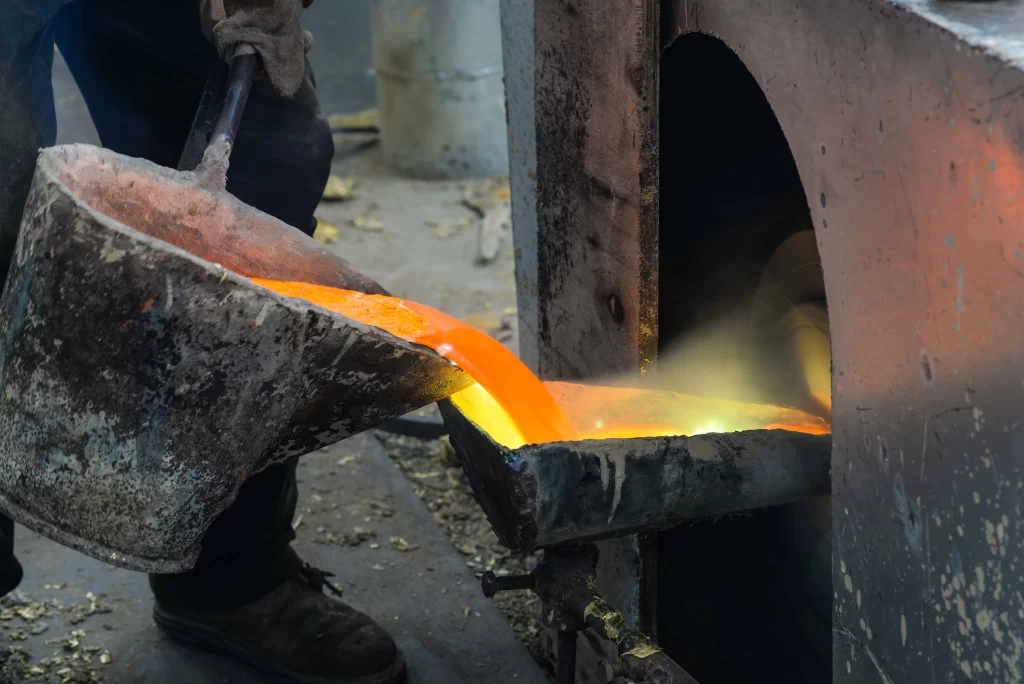
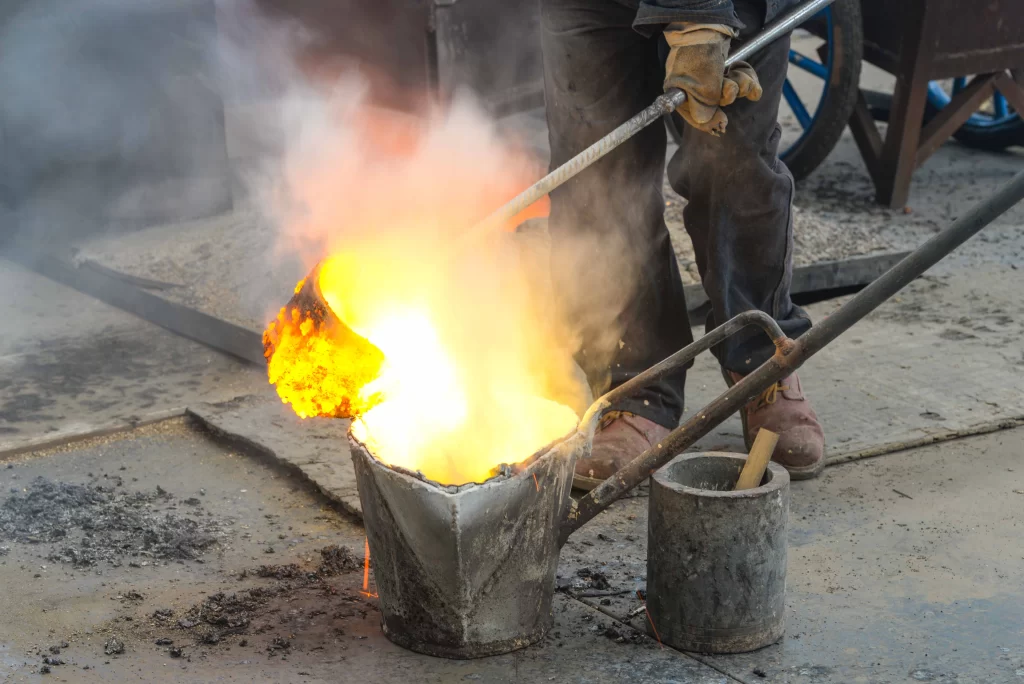
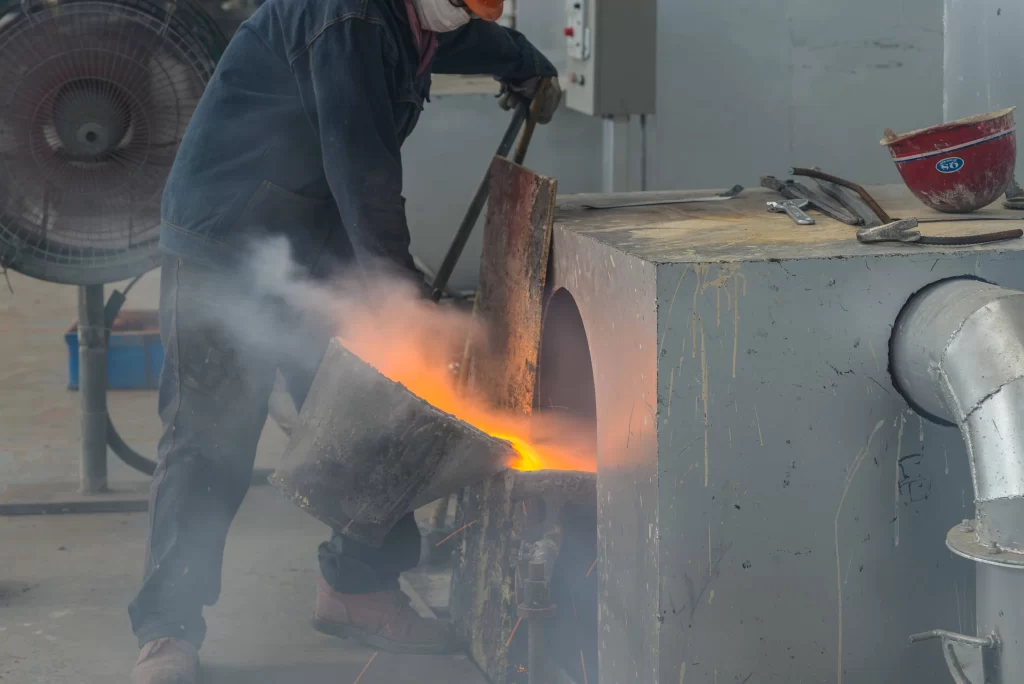
Continuous cast – provides finer grain structure and improved consistency
Sand cast – suitable for larger sizes and custom shapes
Centrifugal cast – excellent for cylindrical components
7. Frequently Asked Questions
Q: What’s the difference between a bronze block and a bronze plate?
A: The distinction is mainly thickness. Bronze blocks are generally thicker (over 6mm) and used for structural components, while bronze plates are thinner sheets suitable for cladding and surface applications. However, the terms are often used interchangeably in industrial contexts .
Q: Can bronze blocks be heat-treated for enhanced properties?
A: Yes, certain bronze alloys, particularly aluminum bronzes, can undergo heat treatment processes like annealing or tempering to improve hardness, strength, and dimensional stability depending on the specific alloy and application requirements .
Q: How do I know which bronze alloy is right for my application?
A: Consider your operating conditions: load magnitude, sliding velocity, temperature, and environmental exposure. For general-purpose applications, tin bronze like C93200 is a cost-effective choice. For high-load or marine applications, aluminum bronze like C95400 or CuAl10Fe5Ni5 is recommended. For extreme load-bearing needs, manganese bronze is the answer .
Q: Are graphite bronze blocks truly maintenance-free?
A: Yes, properly designed graphite-impregnated bronze blocks provide “lubricated for life” operation under normal conditions. The graphite plugs continuously replenish the lubricating film, eliminating the need for external lubrication .
Q: What industries use bronze blocks most frequently?
A: Bronze blocks are found in injection mold manufacturing, heavy machinery, marine equipment, automotive components, metallurgical equipment, aerospace applications, and automation systems .
Q: How does bronze compare to steel for wear applications?
A: Bronze offers superior corrosion resistance, better anti-galling properties against steel, and self-lubricating capabilities that steel lacks. While steel may have higher absolute strength, bronze often provides better overall performance in sliding applications, especially when dissimilar metals are involved .
Q: Can I machine bronze blocks myself, or should I order custom parts?
A: If you have the equipment and expertise, machining bronze blocks is possible. However, aluminum bronzes require robust tooling and proper techniques. Many companies prefer ordering custom-machined parts from specialists who understand bronze’s unique characteristics and can ensure proper tolerances .
8. Why Choose MYWAY for Your Bronze Block Needs?
At MYWAY, we understand that every application has unique requirements. That’s why we don’t just sell bronze blocks—we provide engineered solutions tailored to your specific operating conditions.
Our expertise includes:
High-strength aluminum bronze blocks in CuAl10Fe5Ni5, CuAl10Ni5Fe4, and CuAl10Fe3Mn3 grades
Self-lubricating graphite bronze blocks with precision-placed solid lubricant inserts
Custom machining to your exact specifications, including positioning holes and groove patterns
Expert material selection guidance based on your application parameters
Whether you’re designing injection molds that need contamination-free operation, building heavy machinery that demands maximum strength, or sourcing components for marine environments that require superior corrosion resistance, MYWAY has the solution.
What sets us apart:
Decades of experience in bronze bearing and bushing engineering
Precision manufacturing with strict quality control
Competitive pricing without compromising on material quality
Responsive customer support and technical consultation
100000+ Types of Bushings – Contact Us for Details