
Recent Posts
Application of Bronze Bushing: Applications, Materials, and Why They Dominate Heavy-Duty Industries
If you’ve ever wondered why bronze bushings are everywhere—from the suspension of your car to the massive excavators at a mining site—you’re not alone. The answer lies in a unique combination of strength, self-lubrication, and durability that few other materials can match.
In this guide, we’ll dive deep into where bronze bushings are used, which materials perform best under different conditions, and how the right choice can slash maintenance costs and downtime. By the end, you’ll have a clear roadmap for sourcing high-performance bronze bushings that actually deliver on their promises.
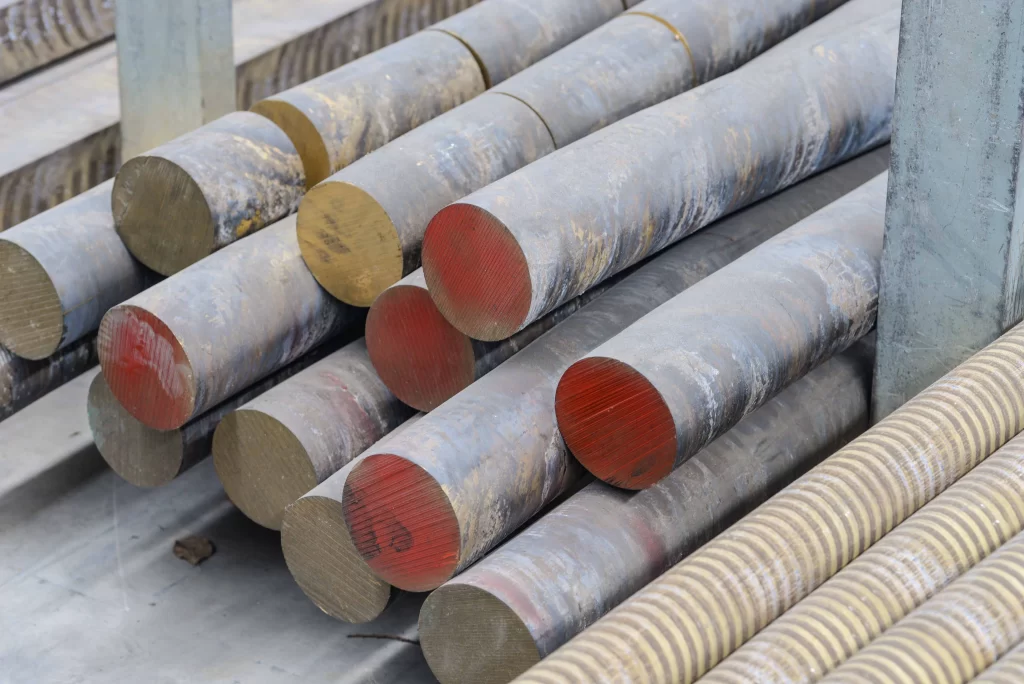
Table of Contents
1. What Exactly Is a Bronze Bushing?
Let’s start with the basics. A bronze bushing—sometimes called a bronze sleeve bearing—is a cylindrical component designed to support rotating or sliding shafts while reducing friction and wear. Think of it as the unsung hero inside your machinery, silently carrying loads so moving parts don’t destroy themselves.
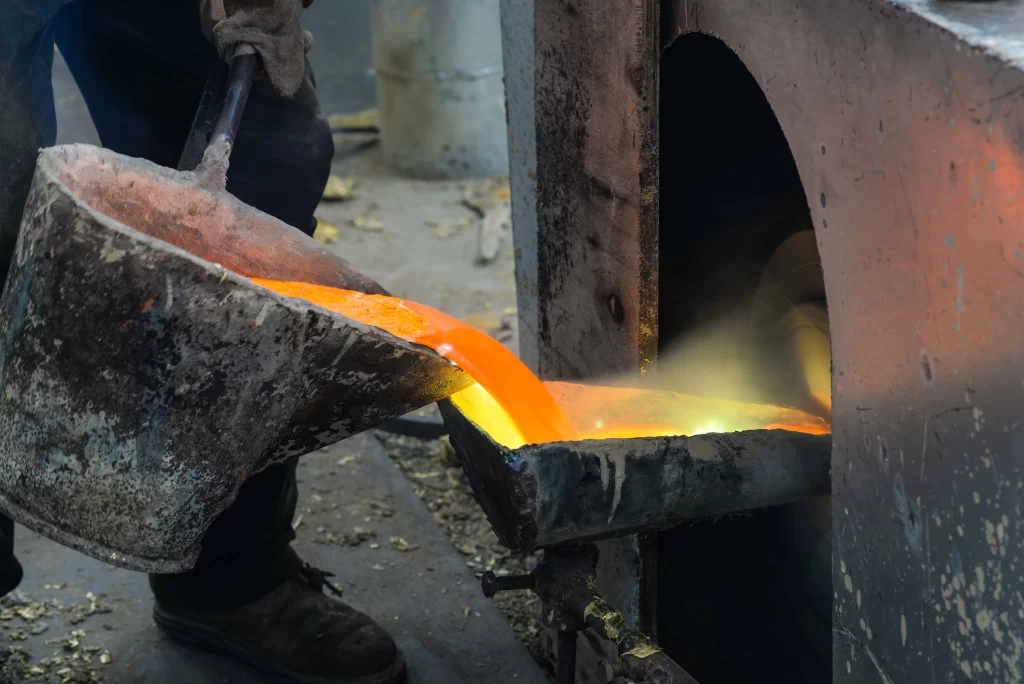
Bronze itself is an alloy primarily made of copper and tin, but modern engineering has evolved far beyond that simple recipe. Depending on the application, manufacturers add elements like phosphorus, lead, aluminum, or graphite to achieve specific performance characteristics.
The result? A family of materials that offers:
High load capacity – some alloys handle up to 65 N/mm²
Natural lubricity – graphite-impregnated versions run dry without seizing
Corrosion resistance – ideal for marine and chemical environments
Thermal stability – operate reliably from -40°C up to 400°C
2. Where Are Bronze Bushings Used? A Deep Dive into Key Industries
The global bronze bushing market is projected to reach $1.5 billion by 2033, growing at 4.2% annually. But where exactly is all that demand coming from? Let’s break it down by industry.
1. Automotive Industry: Under the Hood and Beyond
If you own a car, you’re riding on bronze bushings right now. The automotive sector is one of the largest consumers, using them in:
Engines – camshaft and crankshaft bearings
Transmissions – gearbox components that handle constant torque
Suspension systems – control arms and sway bar links where vibration damping is critical
Steering columns – ensuring smooth, precise control
Electric vehicles (EVs) – increasingly used in electric motors and drivetrain components
With the global shift toward EVs, demand for durable, low-friction components is actually accelerating. Electric motors require bearings that can handle high speeds without traditional oil lubrication—a challenge that graphite-impregnated bronze bushings solve beautifully.
2. Industrial Machinery: The Backbone of Manufacturing
Walk into any factory, and you’ll find bronze bushings in:
Conveyor systems – roller assemblies that run 24/7
Pumps and compressors – where reliability is non-negotiable
Gearboxes – handling heavy loads and shock
Hydraulic cylinders – pivot points that see constant motion
The reason? Bronze bushings excel in high-load, low-speed applications. They can absorb contaminants that would destroy a roller bearing, and when properly selected, they outlast almost anything else on the market.
3. Mining and Construction: Where Equipment Never Stops
This is the proving ground for bronze bushings. Mining equipment like crushers, excavators, and draglines operate in some of the harshest conditions imaginable:
Extreme loads – equipment that moves tons of material daily
Abrasive dust – typical bronze can embed particles instead of letting them score the shaft
Limited maintenance access – underground equipment can’t be lubricated daily
Graphite-impregnated bronze bushings are the go-to choice here. They run dry, handle shock loads, and keep operating even when conventional bearings would seize.
4. Marine Industry: Battling Corrosion and Saltwater
Ships, submarines, and offshore platforms face a unique enemy: saltwater corrosion. Bronze bushings shine here because:
They naturally resist galvanic corrosion (unlike steel bearings)
They perform reliably in wet environments
Graphite-plugged versions provide dry lubrication where oil would wash away
Common applications include propeller shafts, rudder assemblies, and deck equipment where exposure to seawater is constant.
5. Aerospace: Lightweight Strength at High Altitudes
In aircraft, weight is everything, but reliability is non-negotiable. Bronze bushings appear in:
Landing gear – absorbing massive impact forces on touchdown
Flight control systems – where precise, friction-free movement is essential
Engine components – handling extreme temperatures and vibration
The aerospace industry demands lightweight materials that don’t compromise on strength. Aluminum bronze alloys, with their excellent strength-to-weight ratio, are particularly valued here.
6. Renewable Energy: Wind and Hydro Power
Wind turbines and hydroelectric plants require components that run for years without maintenance. Bronze bushings are found in:
Turbine shafts – handling continuous rotation under heavy loads
Yaw mechanisms – allowing turbines to face the wind
Gearbox assemblies – where reliability directly affects power output
With renewable energy capacity expanding globally, this segment is becoming increasingly significant for bronze bushing suppliers.
7. Agriculture: Dust, Dirt, and Demanding Conditions
Farm equipment operates in some of the dirtiest environments imaginable. Tractors, harvesters, and planters rely on bronze bushings in:
Hitch linkages – pivot points that see constant motion
Wheel assemblies – handling uneven terrain
Hydraulic systems – where seals and bearings must keep contaminants out
Sintered bronze bushings, which are oil-impregnated and self-lubricating, are particularly popular here because they maintain performance even when grease fittings get clogged with mud.
3. Bronze Bushing Materials: Which One Is Right for You?
Not all bronze bushings are created equal. The alloy composition dramatically affects performance characteristics. Here’s a breakdown of the most common types:
| Material Type | Key Properties | Best Applications |
|---|---|---|
| Phosphor Bronze | High fatigue resistance, excellent elasticity, good corrosion resistance | Springs, electrical contacts, precision machinery |
| Aluminum Bronze | Exceptional strength, outstanding corrosion resistance (especially saltwater) | Marine equipment, aerospace components, heavy-load bearings |
| Leaded Tin Bronze | Excellent machinability, good embeddability | General-purpose bearings, thrust washers, moderate load applications |
| Silicon Bronze | Superior weldability, high strength, attractive reddish-gold appearance | Architectural elements, marine hardware, statues |
| Graphite-Impregnated Bronze | Self-lubricating, high-temperature capability (up to 400°C), maintenance-free | Mining equipment, steel mills, hard-to-lubricate applications |
| Sintered Bronze | Oil-impregnated, good high-speed performance, cost-effective | Automotive components, pumps, electric motors |
The Self-Lubricating Advantage
If there’s one trend reshaping the bronze bushing market, it’s the shift toward self-lubricating materials. Graphite-plugged bronze bushings and sintered (oil-impregnated) varieties are gaining popularity because they:
Eliminate external lubrication – no grease fittings, no oil lines
Reduce maintenance costs – less downtime for servicing
Perform in extreme temperatures – graphite retains lubricity where oil would burn off
Run clean – no oil drips to contaminate products in food processing
4. The Market Outlook: Where Is Growth Happening?
According to industry data, the bronze bushing market is projected to grow at a CAGR of 4.2% through 2033, with the Asia-Pacific region leading at 5.1% annual growth. Key drivers include:
Electric vehicle adoption – EVs require specialized bearings for motors and drivetrains
Infrastructure investment – construction equipment demand is rising globally
Automation trends – industrial machinery requires more reliable components
Sustainability focus – bronze is recyclable, appealing to environmentally conscious buyers
For manufacturers and engineers, this means the coming years will see increased demand for high-performance, application-specific bronze bushings. Generic solutions won’t cut it anymore.
5. Common Bronze Bushing Failures and How to Prevent Them
Even the best bronze bushing will fail if improperly specified or installed. Here are the most common failure modes and how to avoid them:
1. Lack of Lubrication
Even self-lubricating bushings have limits. If you’re using a standard bronze bushing without graphite plugs, it needs oil or grease. Running it dry leads to rapid wear and seizure.
Prevention: Match the bushing type to the lubrication available. For hard-to-reach applications, choose graphite-impregnated or sintered oil-filled options.
2. Misalignment
When the shaft and bushing aren’t perfectly aligned, loads concentrate on one edge instead of distributing evenly. The result? Premature wear and potential shaft damage.
Prevention: Use flanged bushings for axial location, and ensure housing bores are properly aligned during installation.
3. Overloading
Every bushing has a maximum load rating. Exceed it, and you’ll see deformation, overheating, and eventual failure.
Prevention: Calculate actual operating loads and add a safety factor. When in doubt, go with aluminum bronze for high-load applications.
4. Contamination
Dirt, sand, and metal particles can embed in the bushing surface and act like sandpaper on the shaft.
Prevention: Use seals where possible, and consider the embeddability of your chosen material. Leaded bronzes actually perform better here because soft lead particles can trap contaminants without damaging the shaft.
5. Improper Clearance
Too tight, and the bushing will seize as it heats up. Too loose, and it will rattle and wear unevenly.
Prevention: Follow manufacturer clearance recommendations based on shaft diameter and operating temperature range.
6. Bronze vs. Plastic Bushings: Which Is Better?
This debate comes up often, and the answer depends entirely on the application.
Choose bronze when:
Loads are high (over 10 MPa)
Temperatures exceed 120°C
Long service life is critical
The environment is abrasive or corrosive
Choose plastic when:
Weight is the primary concern
Loads are light
Chemical resistance is paramount (certain plastics handle specific chemicals better)
Cost is extremely tight
In heavy-duty industrial applications, bronze almost always wins because it doesn’t creep under load and maintains dimensional stability over decades of service.
7. How to Choose the Right Bronze Bushing Supplier
Finding a reliable supplier is just as important as selecting the right material. Here’s what to look for:
1. Material Certification
A reputable supplier will provide material certifications confirming alloy composition and mechanical properties. ASTM and EN standards are your benchmarks here.
2. Manufacturing Capability
Can they produce custom sizes? Do they offer multiple casting methods (continuous, centrifugal, sand)? Flexibility matters when your application is unique.
3. Quality Control
Look for suppliers with in-process inspection, dimensional verification, and traceability. One bad batch can shut down your production line.
4. Technical Support
The best suppliers don’t just sell parts—they help you select the right material and design for your specific application.
8. Why MYWAY Bronze Bushings Deliver Real Results
At MYWAY, we’ve spent years perfecting the art and science of bronze bushing manufacturing. Our approach is simple: understand your application, recommend the right material, and deliver components that exceed expectations.
What sets us apart:
Material expertise – We work with phosphor bronze, aluminum bronze, leaded tin bronze, and graphite-impregnated alloys to match your exact requirements
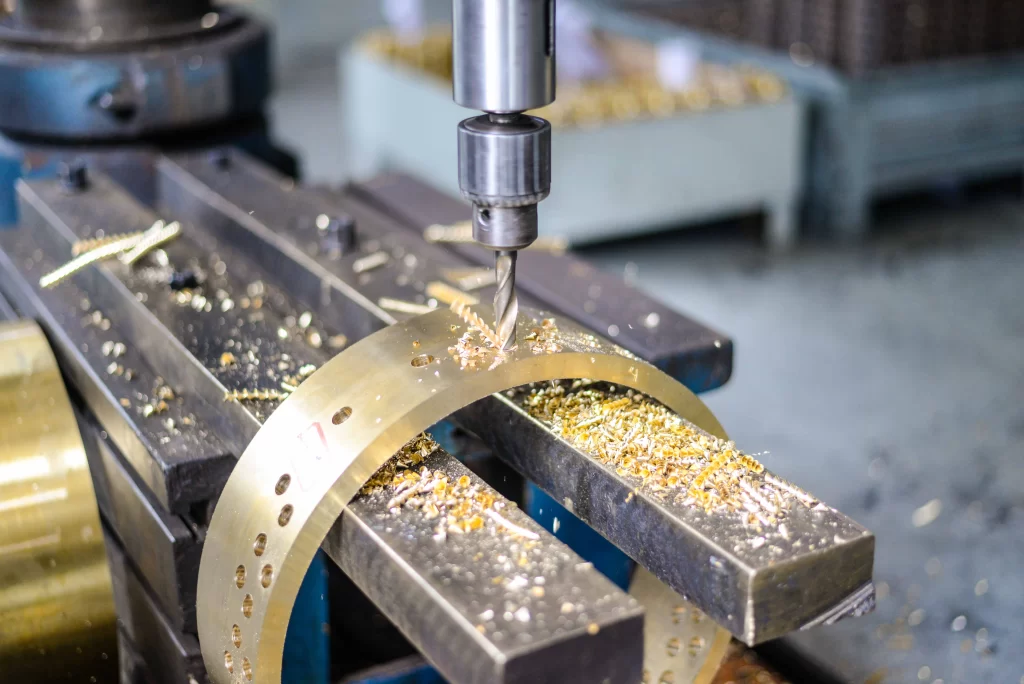
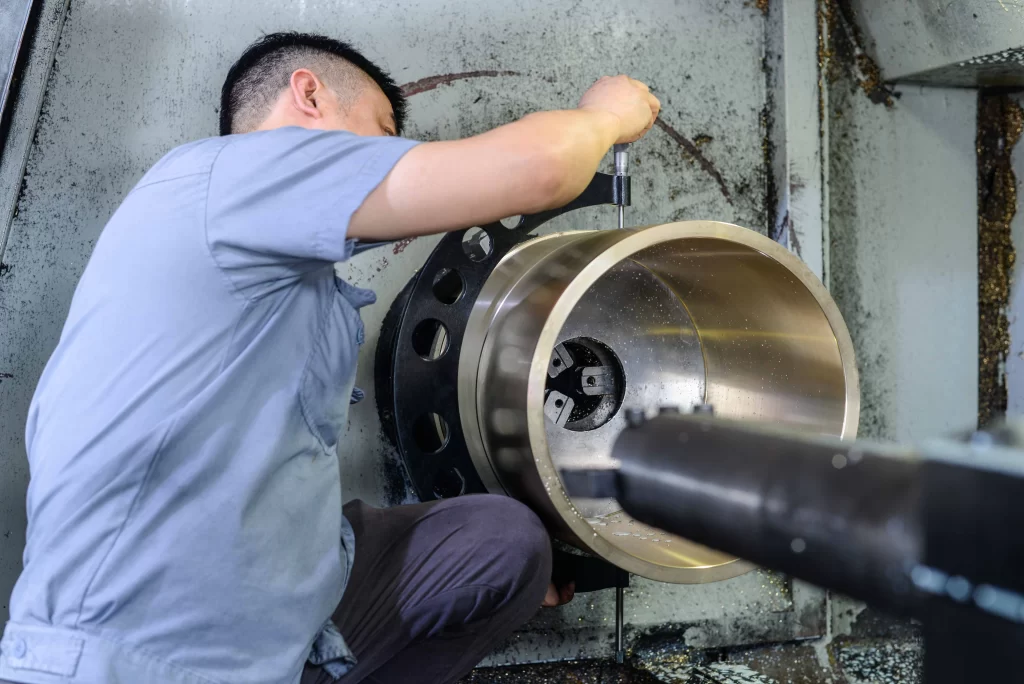
Precision manufacturing – Our CNC machining centers achieve tolerances down to 0.01mm, ensuring proper fit and extended service life
Quality assurance – Every bushing is inspected before leaving our facility
Custom capabilities – Need flanged bushings, thrust washers, or split configurations? We manufacture to your specifications
Global shipping – We serve clients across North America, Europe, Asia, and beyond with reliable logistics
Whether you’re maintaining existing equipment or designing new machinery, MYWAY has the expertise and manufacturing capacity to deliver bronze bushings that perform reliably for years.
Frequently Asked Questions (FAQ)
1. What is the difference between a bronze bushing and a bronze bearing?
They’re essentially the same thing. “Bushing” typically refers to a one-piece cylindrical sleeve, while “bearing” can include more complex assemblies. Both serve the same function: supporting rotating shafts and reducing friction.
2. Do bronze bushings need grease?
It depends on the type. Standard bronze bushings require external lubrication (grease or oil). Graphite-impregnated and sintered (oil-filled) bronze bushings are self-lubricating and can run dry, though periodic lubrication can extend their life.
3. What temperature range can bronze bushings handle?
It varies by alloy. Standard bronze bushings typically operate from -10°C to 90°C. Graphite-impregnated bronze handles up to 400°C, while specialized grades can go even higher in inert atmospheres.
4. What’s the best bronze for saltwater applications?
Aluminum bronze is the top choice for marine environments. Alloys like C95400 and AB2 offer exceptional corrosion resistance in seawater and are widely used for propeller shafts and rudder components.
5. How do I know which bushing size to order?
Measure your shaft diameter (for inner diameter) and housing bore (for outer diameter), then specify the length needed. Allow for proper running clearance—typically 0.001 to 0.003 inches per inch of shaft diameter, depending on operating temperature.
6. What causes bronze bushings to fail early?
The most common causes are insufficient lubrication, misalignment, overloading, contamination, or improper clearance. Addressing these factors during design and installation dramatically extends service life.
7. Can bronze bushings be used in electric vehicles?
Absolutely. In fact, EV adoption is driving increased demand. Bronze bushings are used in electric motors, gearboxes, and suspension components where their strength, wear resistance, and ability to handle high speeds are valuable.
8. How do I install a bronze bushing correctly?
Press-fit installations require proper bore preparation and alignment. For split bushings, ensure the halves are matched correctly. Avoid hammering directly on the bushing surface—use an arbor press and appropriate tooling to maintain dimensional integrity.
Frequently Asked Questions (FAQ)
Stop settling for components that fail prematurely or require constant maintenance. MYWAY delivers precision-engineered bronze bushings that keep your machinery running smoothly, reduce downtime, and lower your total cost of ownership.
Contact us today to discuss your application requirements, request a quote, or get expert advice on material selection. Let’s build something that lasts.
100000+ Types of Bushings – Contact Us for Details