Recent Posts
Hydraulic Cylinder Pins and Bushings: Selection, Wear Analysis, and Replacement Strategies
Introduction
If you’re reading this, chances are you’ve got a machine that’s not moving quite right. Maybe the bucket’s got some extra wobble. Maybe you’re burning through grease like it’s free. Or maybe you’ve already pulled a pin and found something that looks like it belongs in a scrap yard.
Here’s the thing about hydraulic cylinder pins and bushings that most operators learn the hard way: they’re the silent killers of productivity. A little play today becomes a cracked lug tomorrow. A slightly oval bushing turns into a scored pin, which turns into a seized joint, which turns into a $10,000 repair on a machine that’s making you zero dollars while it sits.
I’ve spent time talking with mechanics who’ve been doing this for thirty years, digging through forum threads where guys compare notes on what actually works, and pulling together the technical specs that matter. This guide is everything I wish someone had handed me when I first started maintaining heavy equipment.
Let’s get into it.
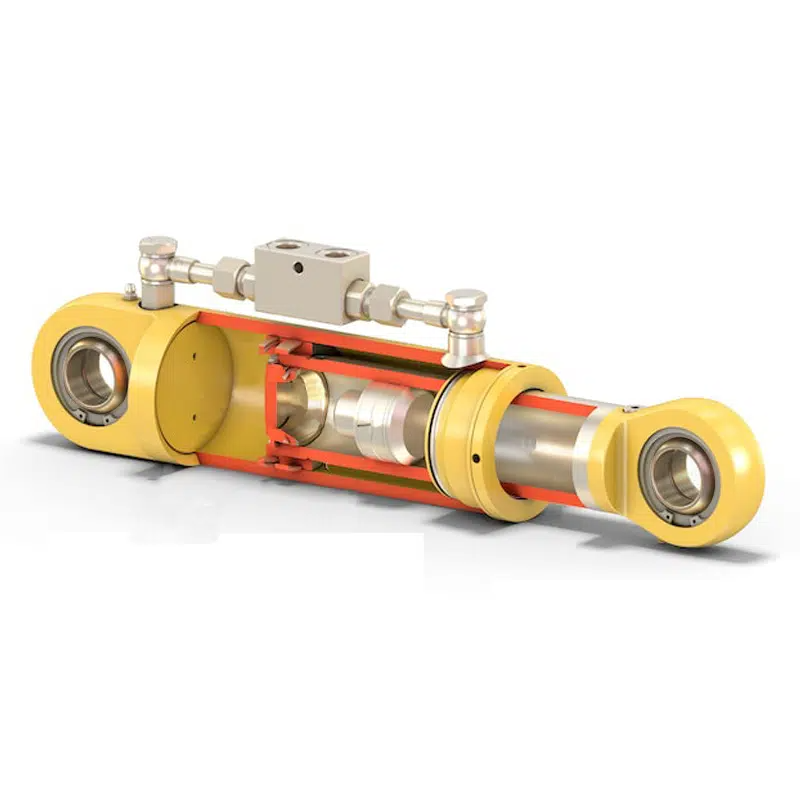
Table of Contents
1. What Exactly Are Hydraulic Cylinder Pins and Bushings?
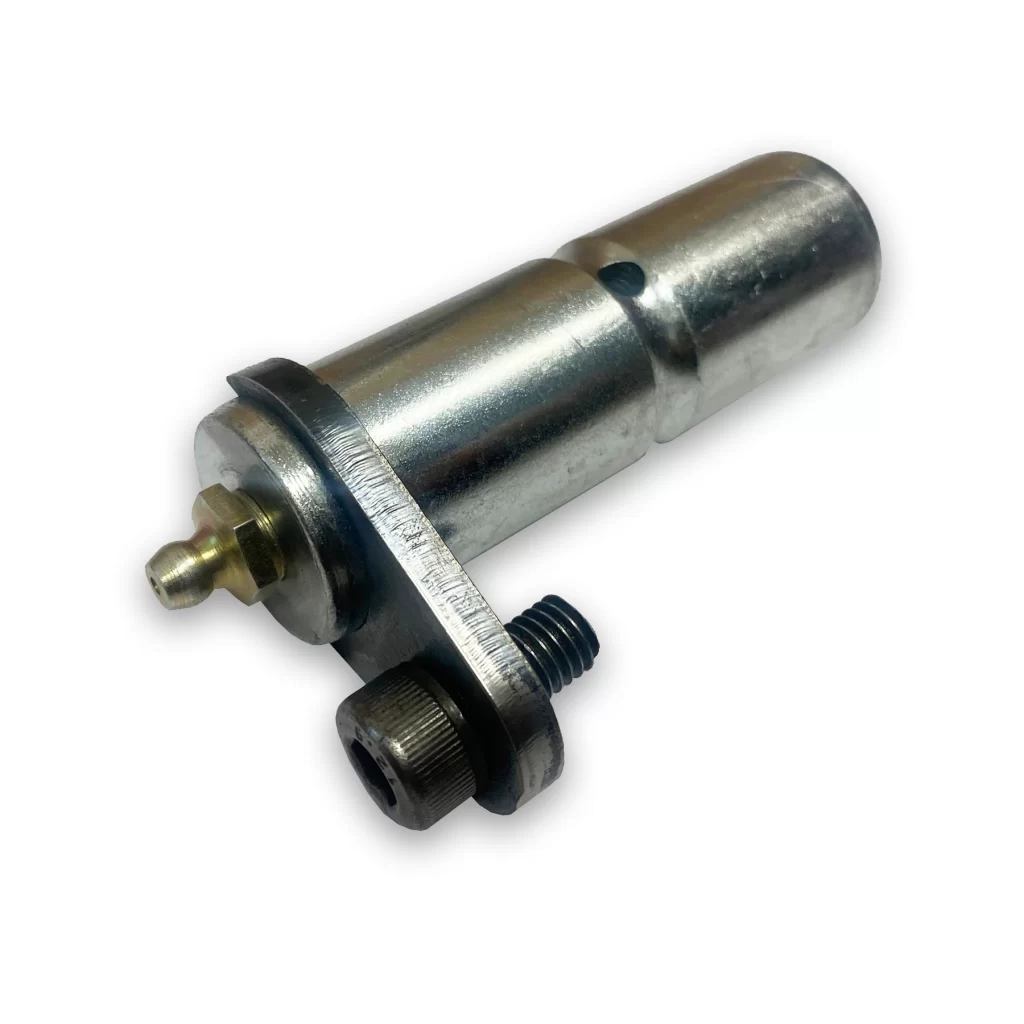
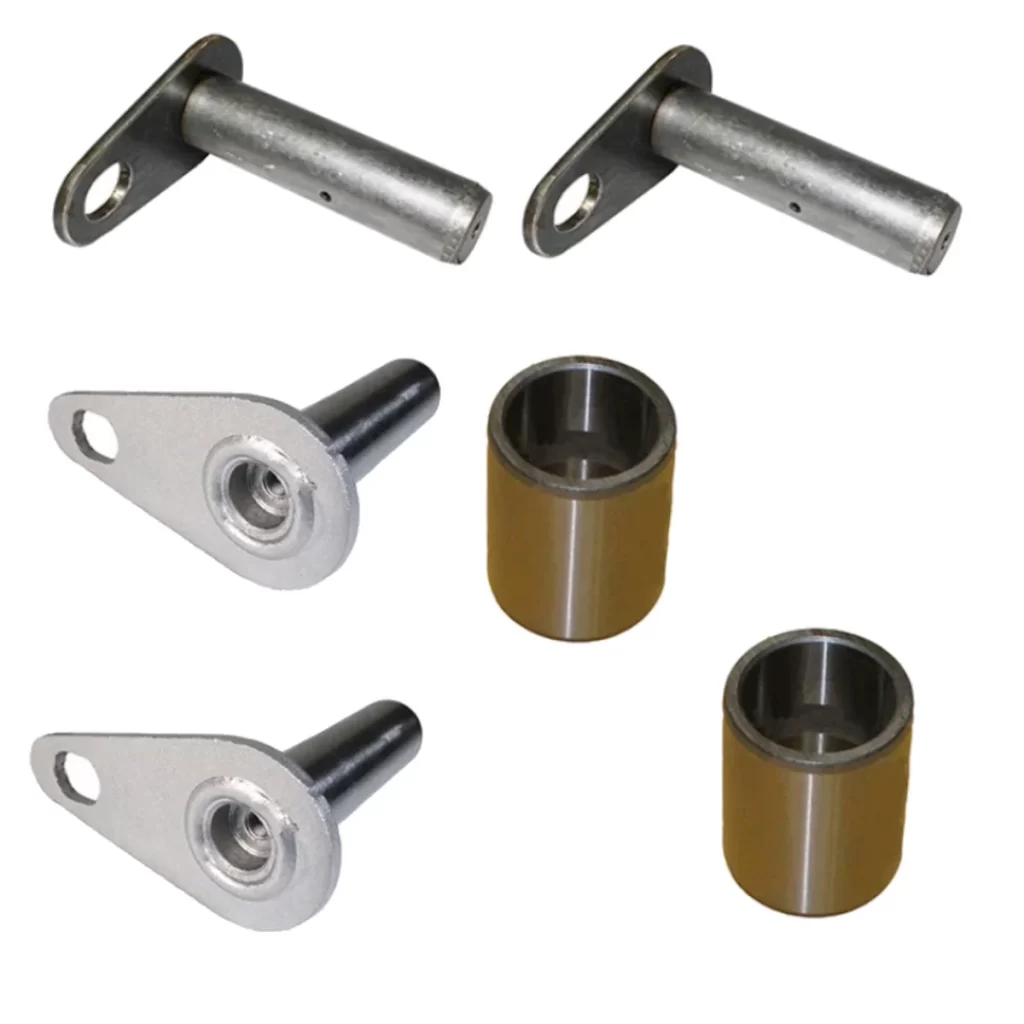
The Pin
The pin is the hardened steel shaft that connects your hydraulic cylinder to the machine’s boom, arm, or bucket. It’s the hinge point—literally. Everything rotates around it .
Common materials:
4140 steel (industry standard, heat-treated)
Induction-hardened and ground versions for heavy duty
Chrome-plated options for reduced friction
The Bushing
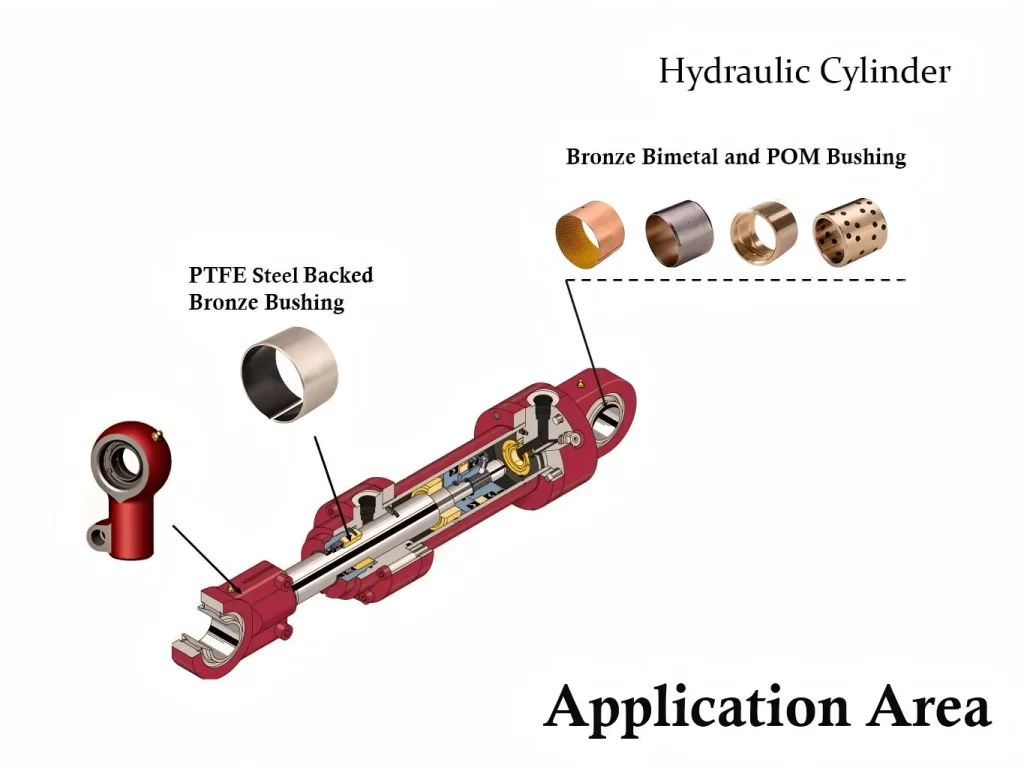
The bushing is the sacrificial liner pressed into the cylinder eye or machine linkage. The pin rotates inside it. The bushing takes the wear so the more expensive components—the pin and the cylinder itself—don’t have to .
Common materials:
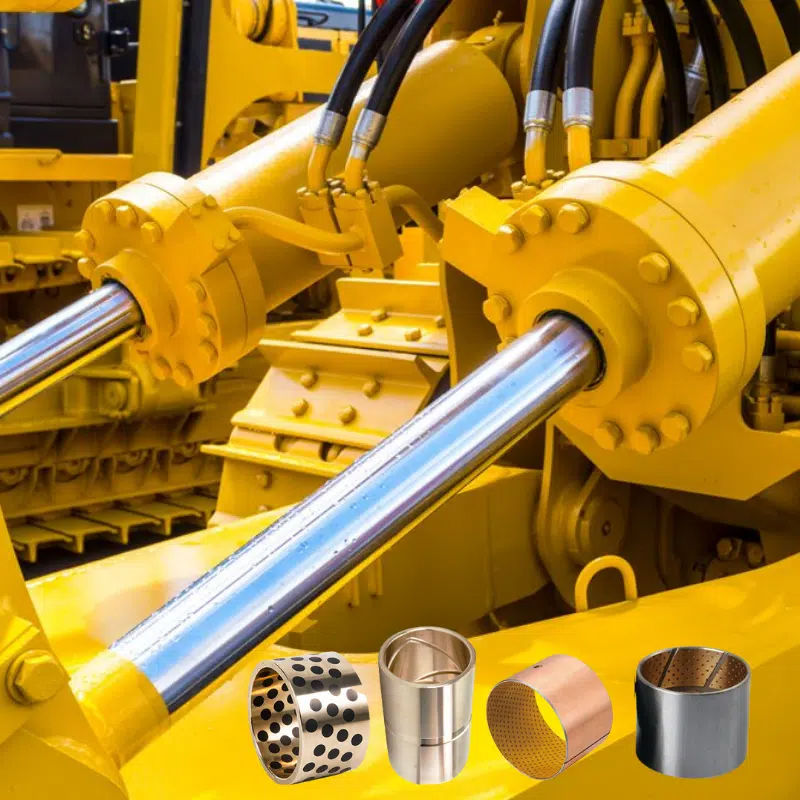
Tin bronze (CuSn8, CuSn12)
Aluminum bronze (C95400, QAl9-4)
Brass (lighter duty)
Self-lubricating composites (PTFE-lined, graphite-plugged)
Where You’ll Find Them
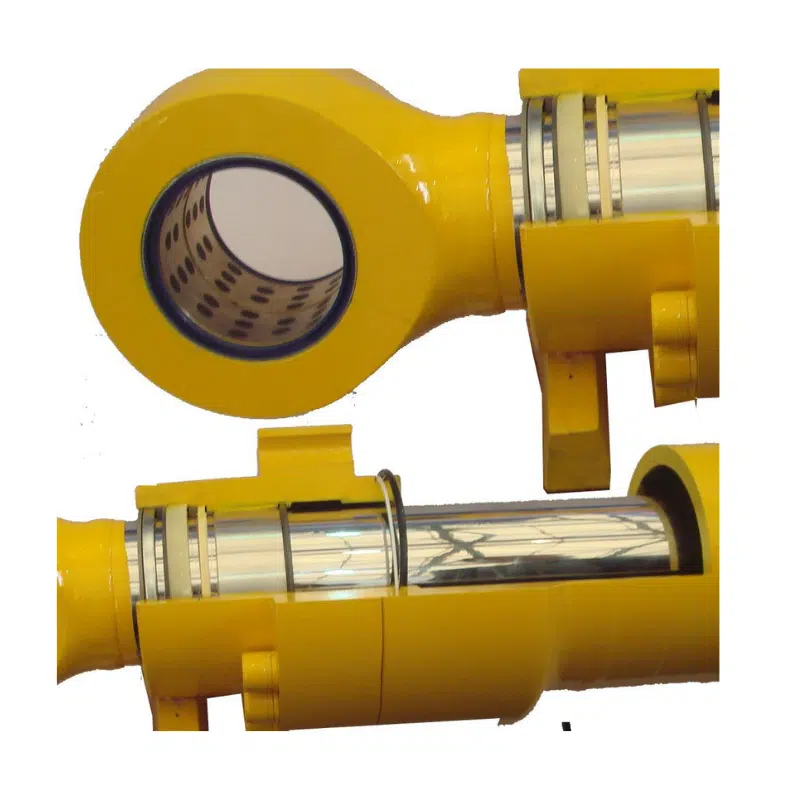
Rod End Bushings: At the business end of the cylinder, connecting to the bucket or implement
Head Bushings: Inside the cylinder gland, guiding the rod during extension
Base End Bushings: Where the cylinder mounts to the machine frame
Linkage Pins: Throughout the boom and arm assembly
2. The Pin vs. Bushing Relationship: Which Wears First?
This comes up constantly in equipment forums. Here’s the real answer based on guys who do this daily:
With regular greasing: The pin typically wears faster. It’s constantly rotating under load, and the bushing is designed to be slightly softer .
With neglected lubrication: The bushing often fails first. Without grease, heat builds up, and the bushing material can gall or seize against the pin .
In dirty environments: Both wear simultaneously. Abrasive particles get trapped between them and act like sandpaper on both surfaces .
One experienced mechanic put it simply: “Take the load off, hammer the pin out partway, and look. If the pin has a groove worn in it, replace it. My experience is the pin wears more than the bushing.”
But here’s the critical point: they’re a matched set. When one goes, inspect the other carefully. Replacing just one half of the pair is asking for trouble.
3. Material Deep Dive: What's Actually in These Things?
This is where engineering meets reality. The material choice directly determines how long your components last.
Bushing Materials Comparison
| Material | Load Capacity | Wear Resistance | Best Application | Limitations |
|---|---|---|---|---|
| Tin Bronze (C932, CuSn8) | Moderate (40 N/mm² dynamic) | Good under lubrication | General-purpose hydraulics, well-greased environments | Requires regular maintenance |
| Aluminum Bronze (C95400, QAl9-4) | High (140+ N/mm² dynamic) | Excellent | Excavators, mining, marine | Higher cost, harder to machine |
| Graphite-Plugged Bronze | Very High (250 N/mm² static) | Excellent in contamination | Heavy-duty pivot points, no external grease | Higher initial cost |
| PTFE Composite | High (140 N/mm² dynamic) | Good, self-lubricating | Hard-to-reach points, dusty environments | Vulnerable to extreme shock |
| Brass | Low-Moderate | Moderate | Light-duty, cost-sensitive | Not for heavy impact |
Pin Materials
Pins need to be harder than the bushings. If the pin wears faster, you’re replacing expensive pins instead of relatively cheap bushings .
4140 Induction-Hardened: The sweet spot. Heat-treated and ground, surface hardness typically 50-55 HRC. Good fatigue resistance .
Chrome-Plated: Better friction properties, excellent corrosion resistance. Often used in harsh environments .
Carbon Steel: Budget option. Works for light-duty applications but don’t expect miracles.
One forum member with serious experience warned: “Don’t try building up and re-machining old pins. To do a proper job would be the most expensive option and nowhere near as good.”
4. Self-Lubricating vs. Traditional Bronze: The Real Trade-Offs
This debate comes up constantly. Here’s the straight truth based on actual performance data.
Traditional Bronze Bushings
How they work: Rely on external grease to create a protective film between shaft and bearing surface. The diamond or circular indentations act as grease reservoirs .
Advantages:
Excellent impact resistance
Proven track record (decades of use)
Lower initial cost
Good thermal conductivity (heat dissipation)
The hidden cost: In dirty environments, grease becomes a magnet for contaminants. Dirt, grit, and moisture mix with the grease to form an abrasive paste that grinds away at both bushing and pin .
Self-Lubricating Bushings (PTFE Composite)
How they work: Multi-layer construction—steel backing for strength, porous bronze interlayer for heat conduction, PTFE-based sliding layer that transfers a microscopic film to the shaft .
Advantages:
Maintenance-free operation
No grease = no dirt attraction
Extremely low friction (0.02 coefficient)
Wide temperature range (-200°C to +280°C)
Limitations: The PTFE layer can be compromised under extreme, repetitive shock loads. In those applications, you need something heavier .
Self-Lubricating Bushings (Graphite-Plugged Bronze)
How they work: Solid bronze body with graphite plugs. During operation, graphite transfers to the pin, creating a solid lubricant film. No external grease needed .
Advantages:
Extreme load capacity (up to 250 N/mm² static)
Excellent in contaminated environments
Perfect for low-speed, high-load oscillation
Handles shock loads that would damage composites
Best for: Excavator boom and arm pivot points, mining equipment, heavy industrial presses .
Which Should You Choose?
Go with traditional bronze when: You have a solid maintenance schedule, easy access to grease points, and relatively clean operating conditions .
Go with PTFE composite when: You want maintenance-free operation, equipment runs in dusty environments, or pivot points are hard to reach .
Go with graphite-plugged bronze when: You’re dealing with extreme loads, shock conditions, or contamination that would compromise other options .
Signs of Wear: What to Look For
Cat’s maintenance guidelines are pretty clear on this. Watch for these indicators :
Visual Inspection
Sticking joint: The pin doesn’t rotate smoothly
Loose joint: You can feel play when you wiggle the component
Increased slop: The bucket or arm moves more than it should
Daily Walkaround Checks
Check pins and joints during your daily walkaround. Look for :
Damage to bolts, washers, plates, and grease zerks
Leaks, rust, or grease buildup around joints
Missing parts (replace immediately)
Damaged autolube lines (if equipped)
Operational Signs
Machine no longer digs as accurately as it once did
Bucket seems looser than before
Squeaky joints (may not be properly greased)
The “Hammer It Out” Test
Experienced mechanics will tell you: drive the pin partway out and look. If the pin has a visible wear groove, replace it. If the bushing shows oval wear, replace it. Don’t guess .
5. When to Replace: Making the Call
Stop Operating and Inspect If:
You see a leak
The rod surface is visibly damaged
The cylinder doesn’t hold static load (drifts)
You hear unusual sounds from the cylinder
You suspect oil contamination
Reseal vs. Repair vs. Remanufacture
Reseal is appropriate when :
Rod surface is within acceptable condition
Barrel bore is not scored
Bushes and pins are within tolerance
Failure is limited to aged seals
Repair is appropriate when :
Rod has light damage that can be reworked
Bushes or pins show measurable wear
Contamination has caused early seal failure
Remanufacture is appropriate when :
Rod damage exceeds repair limits
Barrel is scored or oval
Multiple components are at end-of-life
Can Worn Bushings Cause Seal Failure?
Absolutely. Worn bushings allow the rod to misalign, which side-loads the seals and causes premature failure. The rod should be guided straight—any wobble transfers stress directly to the seals .
6. Installation Best Practices
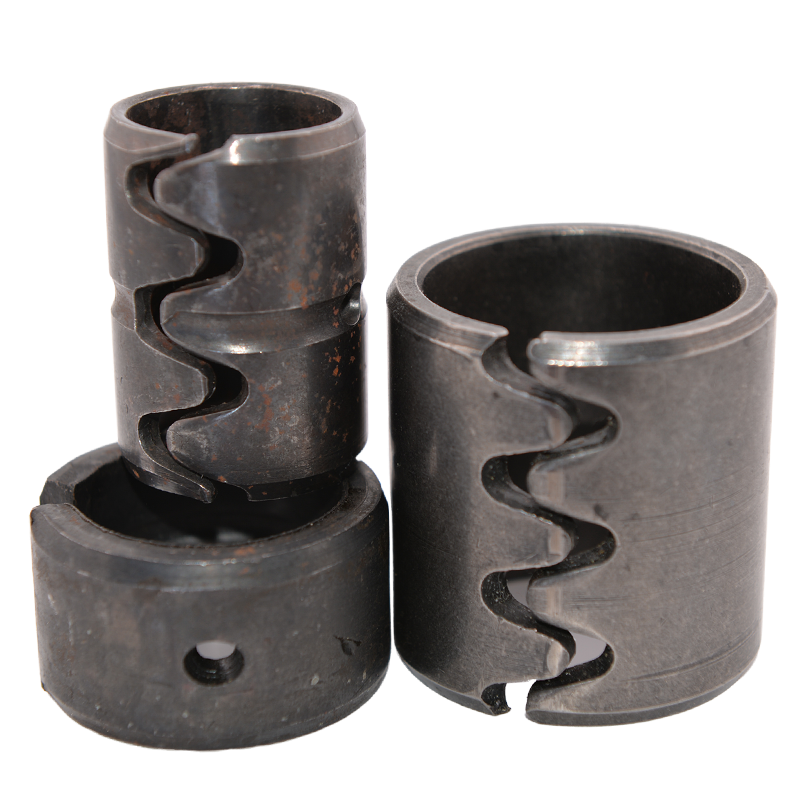
Bushing Installation
Press-fit is critical: Most bushings require an interference fit (slightly larger than the hole)
Use the right tools: A press or proper driver kit prevents damage
Check alignment: After pressing, verify the bushing didn’t deform
Line boring: If your equipment has significant wear, line boring both sides ensures alignment
Pin Installation
Lubricate during assembly: Even self-lubricating bushings benefit from initial grease
Check retaining hardware: Snap rings, bolts, washers—all critical
Never hammer directly on a pin: Use a brass drift
Greasing Guidelines
Grease regularly to help parts move smoothly and to purge contaminants from the joint :
Place equipment on the ground (safety first)
Clean off the zerks with a shop towel
Pump grease until it emerges from the pin joint
Follow your machine’s manual for intervals and locations
Lack of lubrication is the number-one cause of pin failures. It can result in galling—a friction weld between surfaces—causing the pin to seize so the joint no longer moves .
7. Cost vs. Lifetime Value: The Real Math
| Scenario | Initial Cost | Maintenance | Lifespan | Total Cost |
|---|---|---|---|---|
| Cheap bushings, no grease | Low | High (frequent replacements) | Short | High |
| Quality bronze, regular grease | Medium | Medium | Long | Medium |
| Self-lubricating (composite) | Higher | Low | Very long | Lower over time |
| Graphite-plugged bronze | Highest | None | Longest | Lowest over time |
The pattern is clear: pay now or pay more later. Equipment that runs in harsh environments or has hard-to-reach pivot points almost always justifies the upfront cost of self-lubricating solutions .
Industry Applications
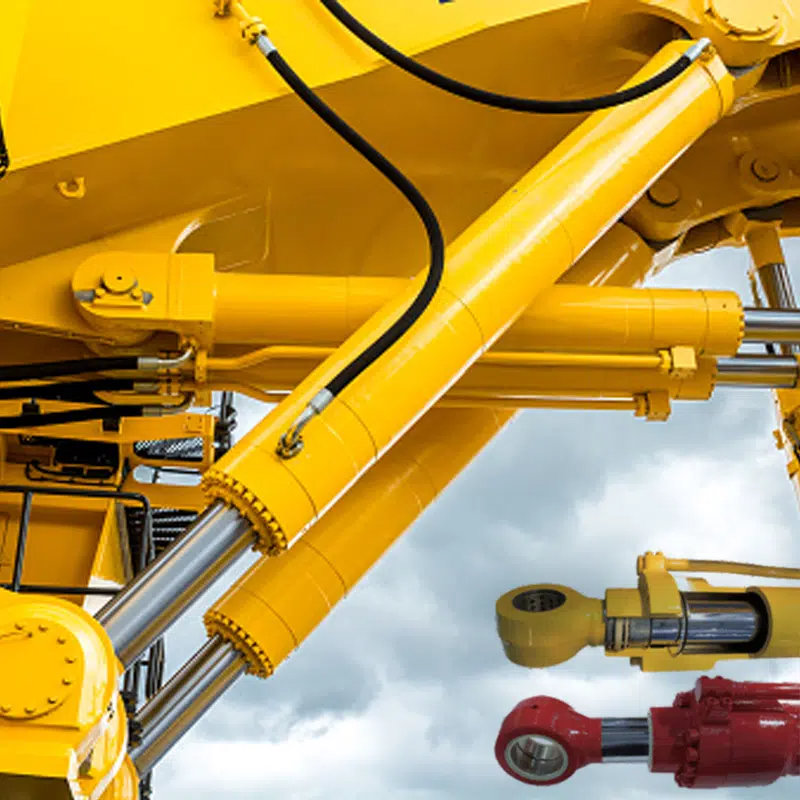
Construction & Earthmoving
Challenge: High impact, heavy radial loads, contamination
Solution: Aluminum bronze or graphite-plugged bronze for boom/arm pivot points
Mining
Challenge: Extreme loads, abrasive dust, limited maintenance access
Solution: Graphite-plugged bronze for articulating joints
Marine & Port
Challenge: Saltwater corrosion, heavy lifting
Solution: Aluminum bronze for corrosion resistance
Agriculture
Challenge: Dust, dirt, boundary lubrication conditions
Solution: PTFE composites or tin bronze with good embeddability
Forestry
Challenge: Outdoor operation, contamination, limited maintenance
Solution: Self-lubricating bronze increasingly common
Frequently Asked Questions
Q: Can I just replace the pin and reuse the bushing?
A: Generally, no. If the pin is worn, the bushing is probably worn too. Replace both as a set. They wear together .
Q: How often should I grease pins and bushings?
A: In heavy use? Daily. In moderate use? Weekly at minimum. Grease until you see clean grease squeezing out. Check your machine’s manual for specific intervals .
Q: Are OEM bushings better than aftermarket?
A: OEM guarantees correct fit and material specs. But quality aftermarket suppliers can match or exceed OEM with proper material selection. The key is knowing what you’re buying .
Q: What causes pins to wear unevenly?
A: Misalignment. If your machine’s linkage is bent or bushings are worn unevenly, the pin wears in one spot. Also common when equipment has been in an impact event .
Q: What’s the best material for marine hydraulic bushings?
A: Aluminum bronze. It resists saltwater corrosion while handling heavy loads .
Q: Do self-lubricating bushings ever need grease?
A: Most don’t require it, but a small amount during installation helps. Check manufacturer specs. Graphite-plugged bronze typically runs dry .
Q: Why would seals fail early after repair?
A: Usually because underlying issues weren’t addressed—worn bushings, misalignment, contaminated oil, or system-wide problems. A reseal alone won’t fix those .
Q: Can I add bushings to a cylinder eye that doesn’t have them?
A: Yes. A machine shop can bore the worn eye and press in a custom bushing. Many older machines benefit from this upgrade.
Q: What typically causes pin failure?
A: Lack of lubrication is number one. It leads to galling, where a friction weld develops between surfaces. That can cause the pin to seize .
Q: How do I inspect pins during daily walkaround?
A: Look for damage to bolts, washers, plates, and zerks. Check around joints for leaks, rust, or grease buildup. If parts are missing, replace immediately .
Conclusion
Hydraulic cylinder pins and bushings aren’t glamorous components. They’re not what sells machines. But they’re absolutely critical to keeping your equipment running and profitable.
The right choice depends on your specific operation:
Clean environment with good maintenance? Quality bronze works fine.
Dusty, dirty, hard-to-reach pivot points? Self-lubricating composites will save you money.
Extreme loads and shock conditions? Graphite-plugged bronze is worth the investment.
The wrong choice? That’s the one that has you pulling the same pin six months from now, wondering why you’re down again.
Why Choose MYWAY for Hydraulic Cylinder Pins and Bushings?
At MYWAY Bushing, we’ve been supplying heavy equipment operators, repair shops, and manufacturers for over two decades. We know what works and what doesn’t.
What We Offer
Full material range: Tin bronze, aluminum bronze, PTFE composites, graphite-plugged bronze—we match the material to your application
Precision manufacturing: Every bushing meets strict tolerances. No guesswork, no “close enough.”
Custom capabilities: Need non-standard sizes? Special groove patterns? Flanged designs? We handle custom fabrication daily
Technical support: Not sure what you need? Our team helps you select the right solution—not just the most expensive one
Global shipping: Wherever your equipment runs, we deliver
Our Product Range
Hydraulic cylinder pins (4140 induction-hardened, chrome-plated options)
Bronze bushings (tin bronze, aluminum bronze, all standard alloys)
Self-lubricating bushings (PTFE-lined, graphite-plugged)
Steel bushings for heavy-duty applications
Custom sizes and materials for specialized equipment
Ready to Stop Downtime?
Whether you’re maintaining a fleet of excavators, rebuilding a single cylinder, or sourcing OEM-quality components for manufacturing, MYWAY Bushing delivers.
Contact us today for a quote or technical consultation. Tell us what you’re running, what’s wearing out, and we’ll help you find the solution that keeps you running longer.
100000+ Types of Bushings – Contact Us for Details