bronze vs brass

Bronze vs. Brass: A Comprehensive Technical Comparison for Industrial Bushing Applications
Interpretation of Bushing Knowledge

Bronze vs. Brass: A Comprehensive Technical Comparison for Industrial Bushing Applications

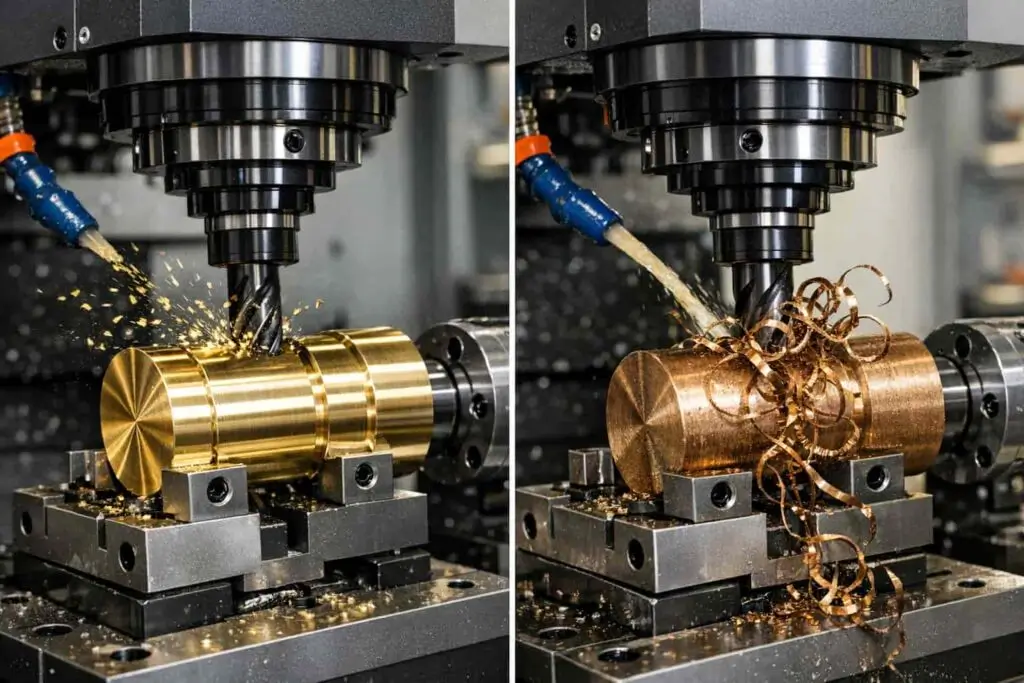
Bronze and brass represent two of the most widely utilized copper-based alloy families in industrial manufacturing. Despite their visual similarities and shared copper foundation, these materials exhibit fundamentally distinct metallurgical characteristics that dictate their suitability for specific engineering applications. For procurement engineers, maintenance managers, and design professionals engaged in bushing and bearing selection, understanding the nuanced differences between bronze and brass is not merely an academic exercise—it is a critical determinant of equipment reliability, operational longevity, and total cost of ownership.
Copper Bushings in Water: Unlock Reliability in Marine, Hydraulic & Submerged Applications
Interpretation of Bushing Knowledge

Comprehensive Analysis of Bronze Properties: Metallurgy, Mechanical Performance, and Industrial Applications

Bronze, one of the earliest engineered alloys in human history, remains a cornerstone material in contemporary mechanical engineering. This technical article provides a systematic examination of bronze metallurgy—primary base metals, alloying elements, and their influence on mechanical, tribological, and physical properties. The discussion encompasses historical context, classification of major bronze families (phosphor bronze, aluminum bronze, leaded bronze, manganese bronze, and silicon bronze), comparative analysis with brass and pure copper, and the specific engineering rationale for bronze dominance in high-reliability bushing and bearing applications.

Graphite Dry Bushings: The Complete Guide to Self-Lubricating Bearing Technology
Interpretation of Bushing Knowledge

Composition of Bronze: Alloying Elements, Material Properties, and Industrial Applications

The composition of bronze is a subject of ongoing relevance in metallurgy and industrial engineering. While many recognize bronze as an alloy of copper and tin, the precise formulation varies significantly depending on the intended application. Bronze is not a single material but rather a family of copper-based alloys, each tailored for specific mechanical, chemical, or physical requirements.

This document provides a comprehensive analysis of bronze composition, ranging from its historical origins to modern engineering alloys. Emphasis is placed on bronze alloys commonly used in bushing and bearing applications. For organizations seeking high-performance bronze bushings, MYWAY offers custom-engineered solutions backed by decades of manufacturing experience.

The Definitive Guide to Bronze Material: Composition, Properties, and Industrial Applications
Interpretation of Bushing Knowledge

The Definitive Guide to Bronze Material: Composition, Properties, and Industrial Applications

The global sliding bearing market, valued at USD 1.41 billion in 2025, is projected to expand at a CAGR of 6.7% to reach USD 2.53 billion by 2034. Within this growing landscape, bronze material remains the cornerstone of high-performance bearing and bushing engineering. Engineers and procurement specialists who comprehend the technical nuances of bronze alloys gain a decisive advantage in specifying components that maximize operational longevity while minimizing total cost of ownership.

Silent Guardians: The Complete Guide to Wear Plates and Slide Blocks
Bronze Bushing

Is Bronze an Alloy?

When you think of bronze, you might picture ancient statues, historic bells, or nautical fittings. At its core, the question “Is bronze an alloy?” has a definitive answer: Yes, bronze is one of humanity’s oldest and most enduring alloys.

Bronze vs Brass vs Copper Bushing, What’s the difference? How to choose?
Bronze Bushing

Bronze vs Brass vs Copper, What’s the Difference? How to choose?

Navigating the world of copper-based metals can be challenging for engineers and procurement specialists. While bronze, brass, and copper share a common foundation, each possesses distinct characteristics that significantly impact performance in industrial applications, particularly for components like bushings, bearings, and sleeves.

Scroll to Top