
Rolling Bearings: Definition, Types, Advantages and Limitations
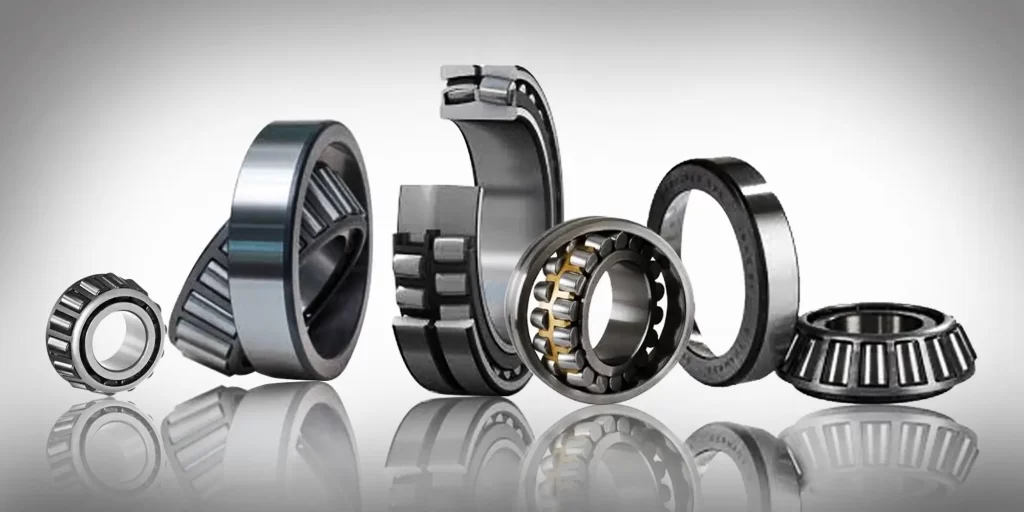
A rolling bearing is a mechanical component that reduces rotational friction between moving parts while supporting loads. Unlike plain bearings (also called sliding bearings or bushings) which rely on direct sliding contact, rolling bearings use rolling elements – balls or rollers – positioned between an inner ring and an outer ring. As the shaft rotates, these rolling elements roll along the raceways, converting sliding friction into rolling friction. Because rolling friction is substantially lower than sliding friction, rolling bearings generate less heat, consume less energy, operate at higher speeds, and achieve longer service lives under proper conditions.
Every rolling bearing typically consists of four basic components: inner ring (mounts onto the rotating shaft), outer ring (fits into the stationary housing), rolling elements (balls or rollers that carry the load), and a cage or retainer (separates the rolling elements and maintains even spacing). Some designs also include seals, shields, or special coatings for contaminated or washdown environments.