
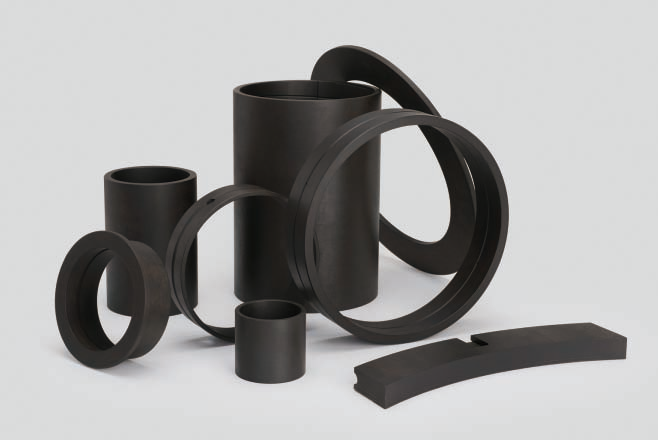
Plastic Bearings: The Smart Alternative Your Design May Be Missing
In a world where machines must run cleaner, quieter, and longer than ever, one component’s evolution is quietly revolutionizing engineering design: the plastic bearing.
In a world where machines must run cleaner, quieter, and longer than ever, one component’s evolution is quietly revolutionizing engineering design: the plastic bearing.
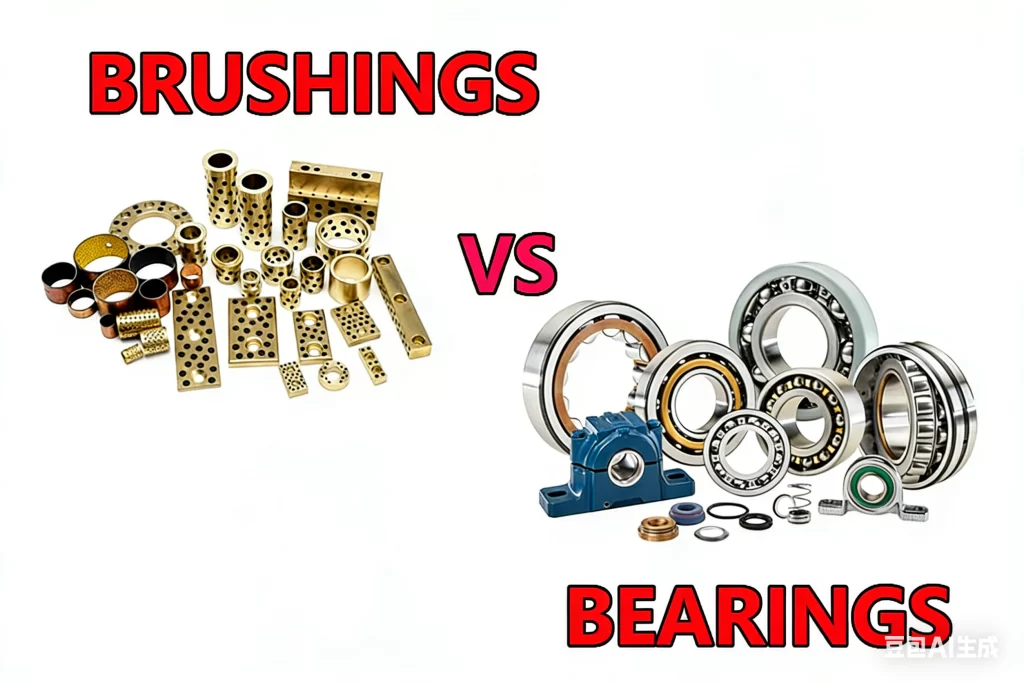
In the world of mechanical engineering, few choices are as fundamental as selecting the right component to manage motion and reduce friction between moving parts. While the terms “bushing” and “bearing” are often used interchangeably in casual conversation, confusing them in a design specification can lead to catastrophic failures, increased maintenance costs, and compromised system performance.
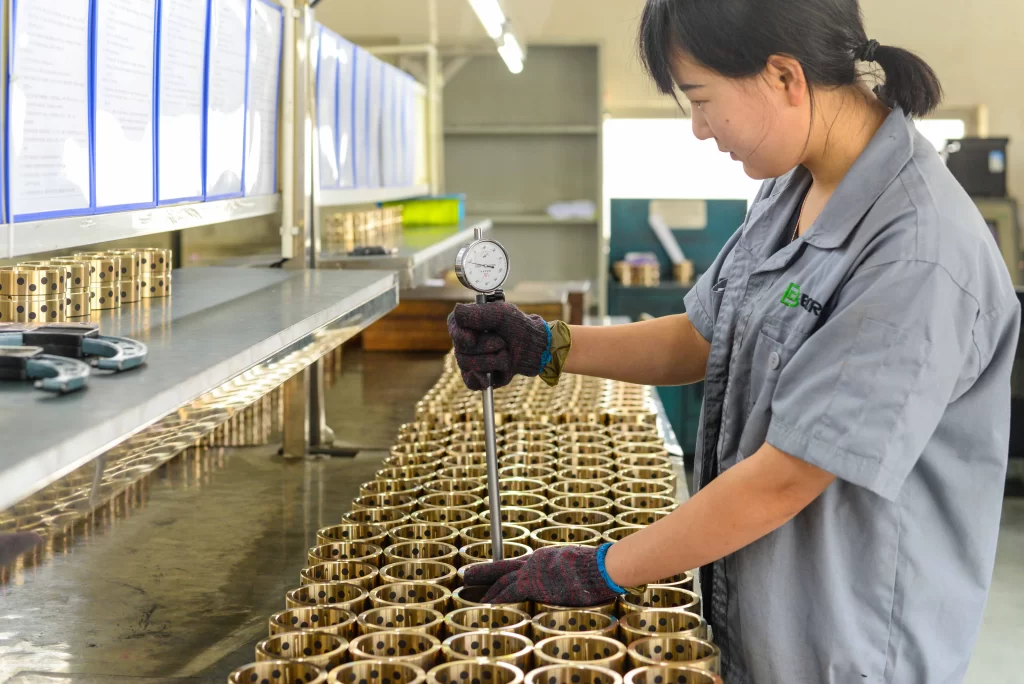
When machinery faces its toughest challenges—from the relentless pounding in a steel mill to the corrosive bite of seawater—there’s a family of alloys that has been the engineer’s trusted choice for centuries: tin bronze. More than just a historical artifact, modern tin bronzes represent the pinnacle of material science for demanding applications, combining legendary durability with critical self-lubricating properties.
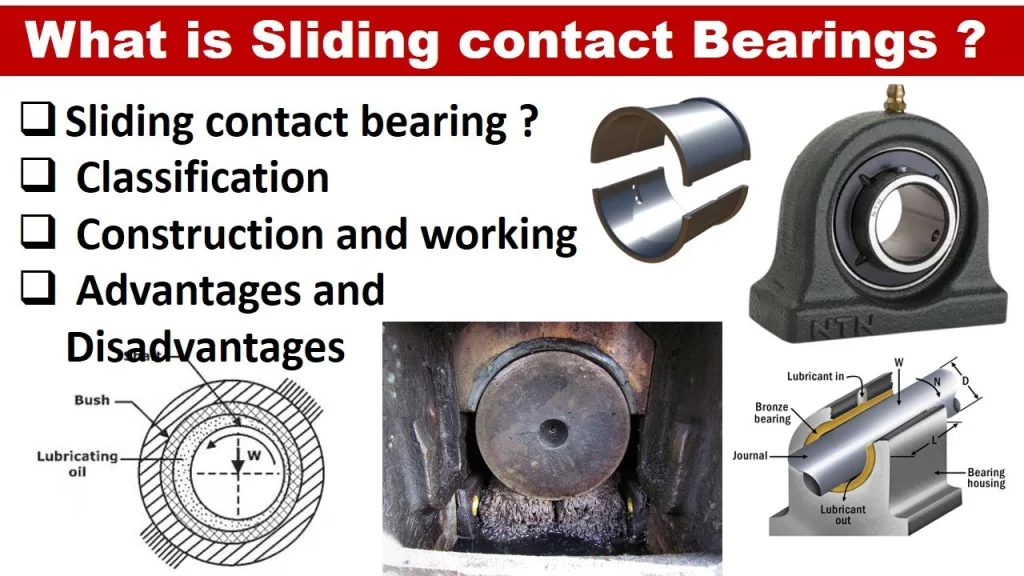
In the heart of countless machines—from the massive hydraulic arm of an excavator to the precise movements of a food processing conveyor—lies a component often overlooked yet vital for smooth operation: the slide bearing, also known as a plain bearing or bushing.
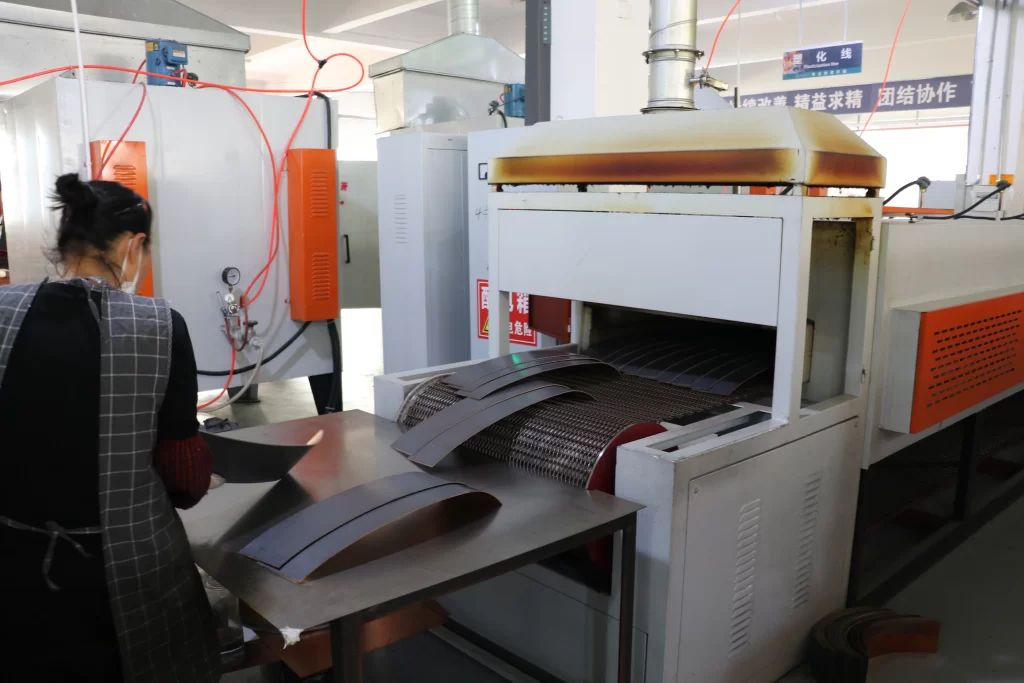
For engineers and designers pushing machinery to its limits, understanding the true temperature range of PTFE (Polytetrafluoroethylene) is not an academic exercise—it’s the foundation of reliability.
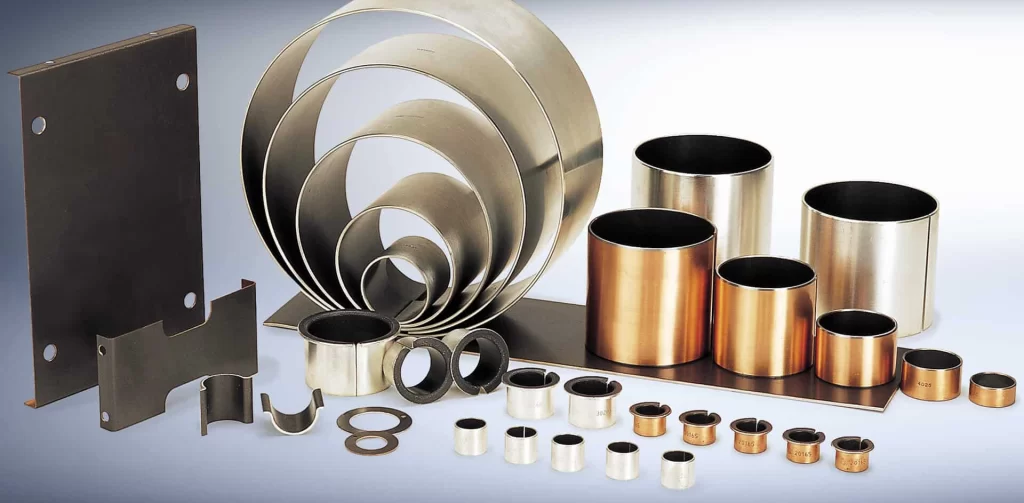
For fleet managers and maintenance engineers, unscheduled downtime isn’t just an inconvenience; it’s a direct hit to the bottom line. The quest for components that offer greater durability, require less maintenance, and withstand punishing conditions is never-ending.
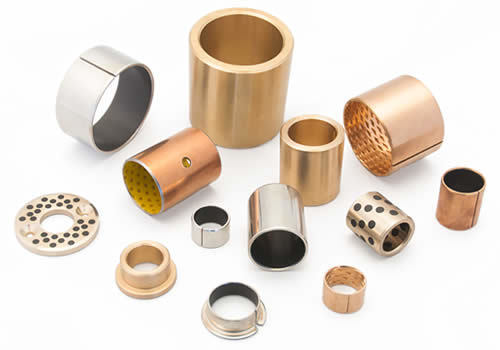
For centuries, the plain bearing—a simple sleeve supporting a rotating shaft—has been a cornerstone of machinery. While rolling-element bearings often steal the spotlight, a significant and quiet evolution is happening within plain bearing technology.
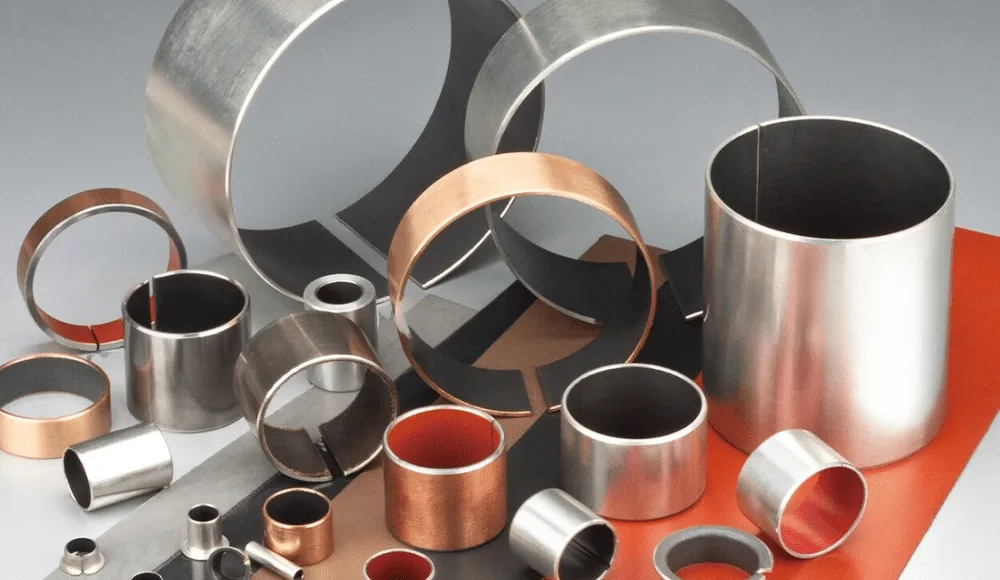
Flanged sleeve bearings are the simple yet vital components that enable smooth machine operation under both radial and thrust loads.
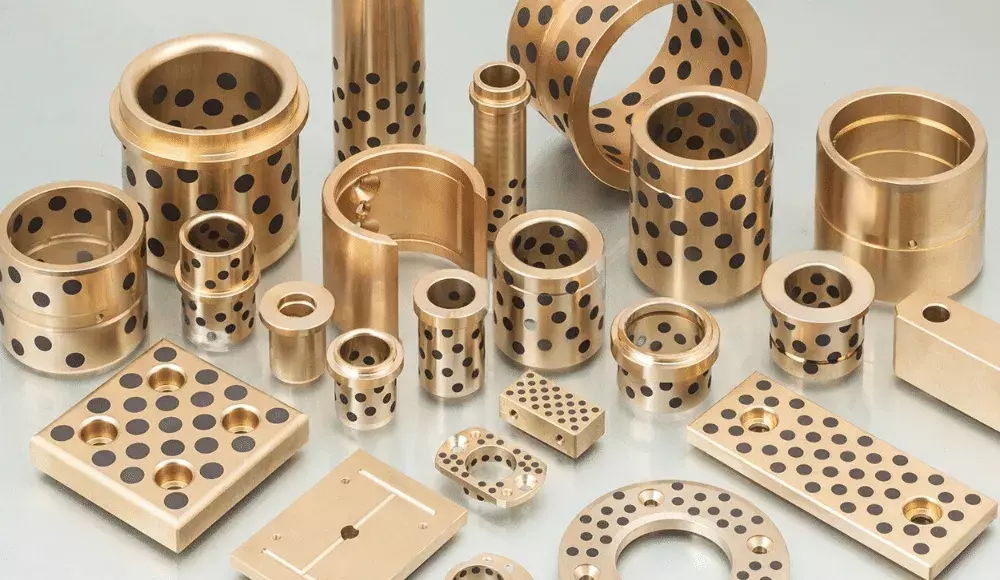
When we talk about bronze, we’re not referring to a single, simple metal. Bronze represents a family of copper-based alloys that has been fundamental to human engineering for millennia.
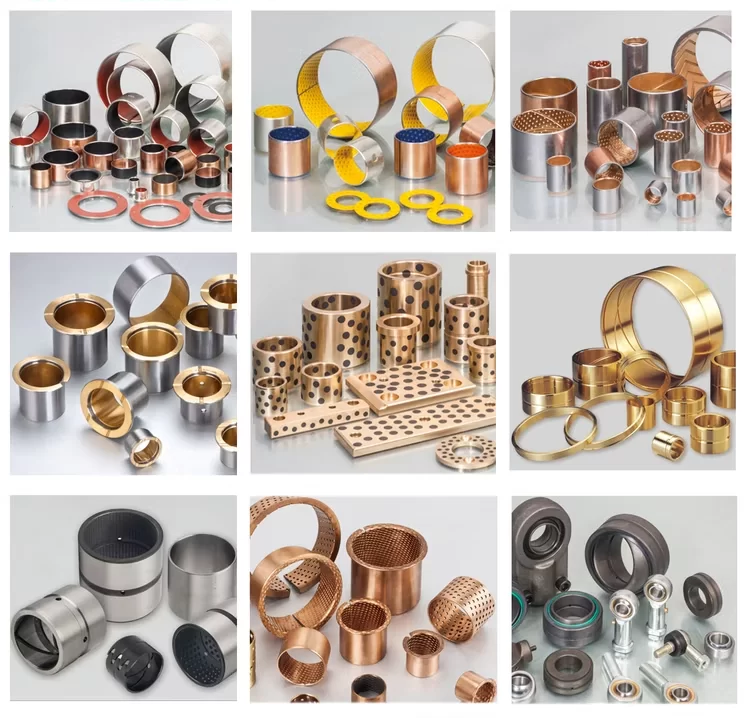
In the world of mechanical engineering, few components are as fundamental yet overlooked as the bush bearing. Also known as plain bearings or sleeve bearings, these components are essential for reducing friction between rotating or sliding surfaces.