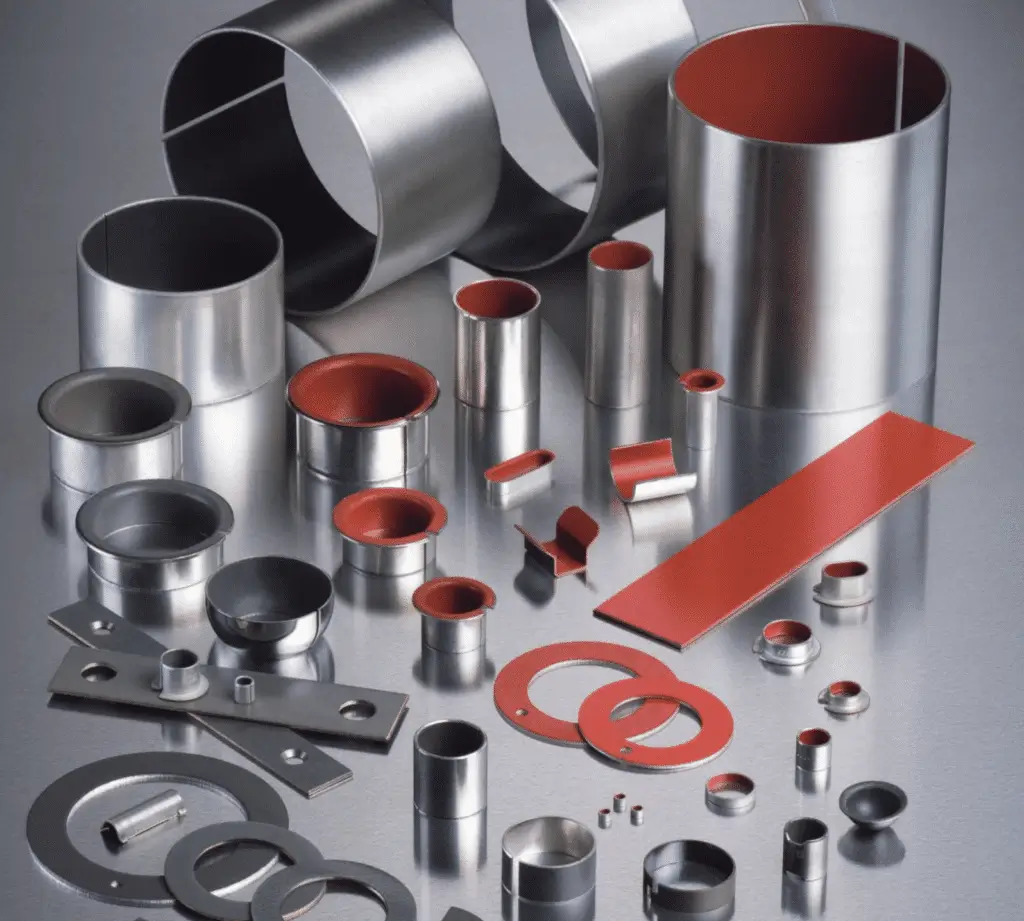
Self-lubricating bearings

Self-Lubricating Bushings: The Maintenance-Free Solution for Demanding Industrial Applications
Interpretation of Bushing Knowledge

Metallurgical Advancements and Industrial Applications of Composite Bearing Systems

The evolution of bearing technology has witnessed a paradigm shift from monolithic metallic alloys toward engineered composite systems that synergistically integrate material properties to meet increasingly demanding operational requirements. Composite bearings, defined as multi-material engineered structures combining a bearing lining with a structurally robust backing, represent a sophisticated metallurgical solution addressing the inherent trade-off between surface compatibility and load-bearing capacity . These advanced tribological components have become indispensable across aerospace, automotive, marine, construction, mining, and energy processing sectors, driven by their exceptional corrosion resistance, self-lubricating capabilities, and significant weight reduction advantages over conventional metallic bearings
The Metallurgical Edge: Aluminum Lined Bearings for High-Performance Industrial Motion
Interpretation of Bushing Knowledge

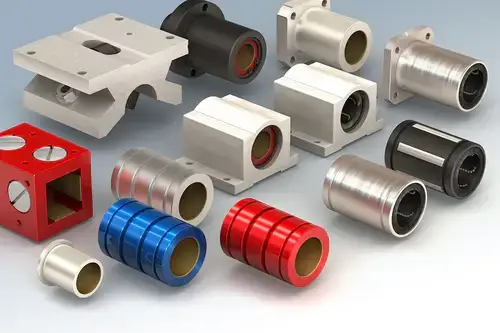
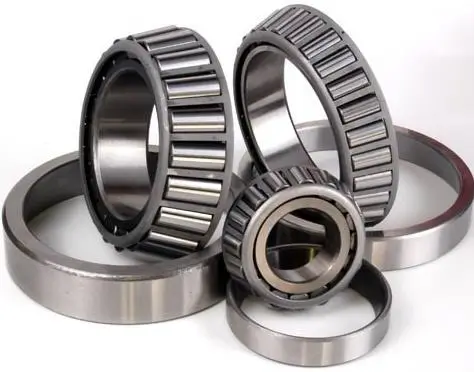
The Metallurgical Edge: Aluminum Lined Bearings for High-Performance Industrial Motion

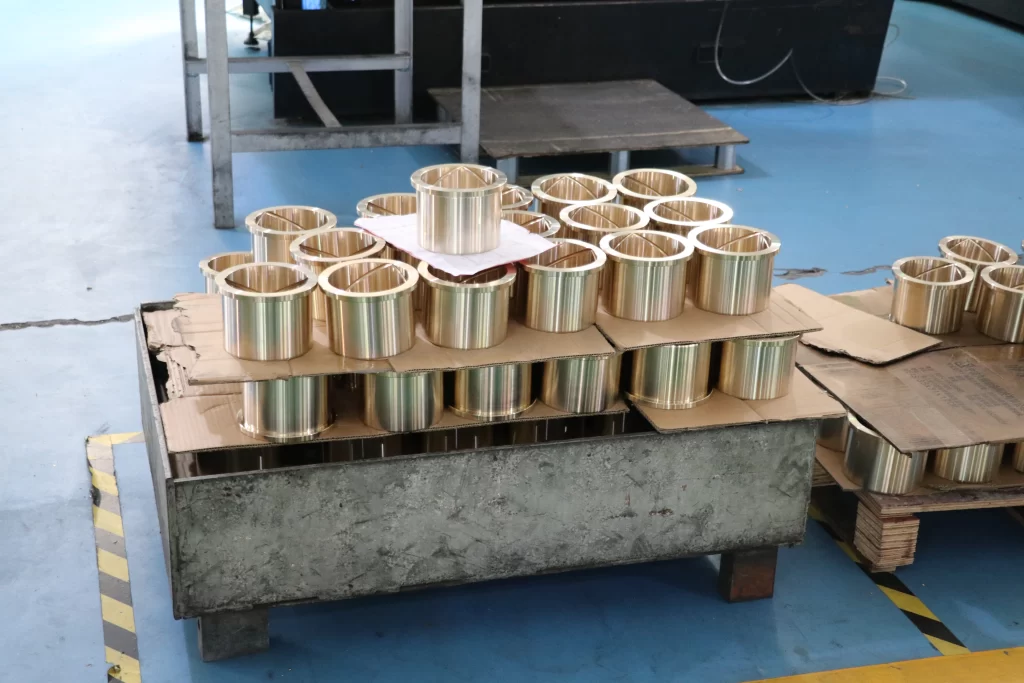
The evolution of bearing metallurgy has consistently gravitated toward solutions that balance strength, weight, and operational efficiency. Among these advancements, aluminum lined bearings have emerged as a cornerstone technology for industries ranging from automotive to heavy machinery. These components, characterized by a robust steel backing and a precision-engineered aluminum-based lining, offer a compelling combination of load capacity, fatigue resistance, and lightweight construction.

Interpretation of Bushing Knowledge

Water-Resistant Journal Bearings: Engineered for Zero-Swell Stability in Submerged Environments

Water-resistant journal bearings represent a critical engineering solution for rotating equipment operating in wet, submerged, or high-humidity environments. Unlike conventional metallic bearings that rely on oil or grease lubrication, these specialized components leverage advanced polymer composites, bronze alloys, and self-lubricating technologies to maintain dimensional stability and low friction coefficients while fully immersed in fresh water, saltwater, or chemically aggressive fluids. Standard bushings frequently fail in underwater applications because they absorb moisture and expand, seizing the shaft within hours of operation . The engineering challenge lies in developing bearing materials that remain dimensionally “dead-steady” regardless of immersion time, while simultaneously providing superior wear resistance and friction control.

Interpretation of Bushing Knowledge

Maintenance-Free Bearings: The Engineered Solution for Zero-Lubrication, High-Reliability Industrial Motion

In the modern industrial landscape, unplanned downtime remains one of the most significant cost drivers across manufacturing, construction, and processing operations. A single bearing failure can halt an entire production line, trigger costly emergency repairs, and erode profit margins. Traditional lubricated bearings—while functional—introduce a recurring cycle of greasing, inspection, contamination risk, and eventual replacement that undermines operational efficiency.

Bearing Marine: Comprehensive Guide to Marine Bearings and Bushings
Interpretation of Bushing Knowledge

Bearing Marine: Comprehensive Guide to Marine Bearings and Bushings

Marine bearings serve as fundamental components within vessel propulsion and steering systems, enabling rotating shafts and moving parts to operate with reduced friction and controlled wear. These engineering components support propeller shafts, rudder stocks, and various deck equipment while withstanding the relentless challenges of seawater corrosion, heavy loads, and continuous operation. Understanding the functional principles, application scenarios, and material considerations of marine bearings is essential for vessel owners, naval architects, and maintenance engineers seeking reliable and cost-effective solutions.

Self-Lubricating Plastic Bearing Materials: The Maintenance-Free Alternative to Metal Bearings
Interpretation of Bushing Knowledge

Self-Lubricating Plastic Bearing Materials: The Maintenance-Free Alternative to Metal Bearings

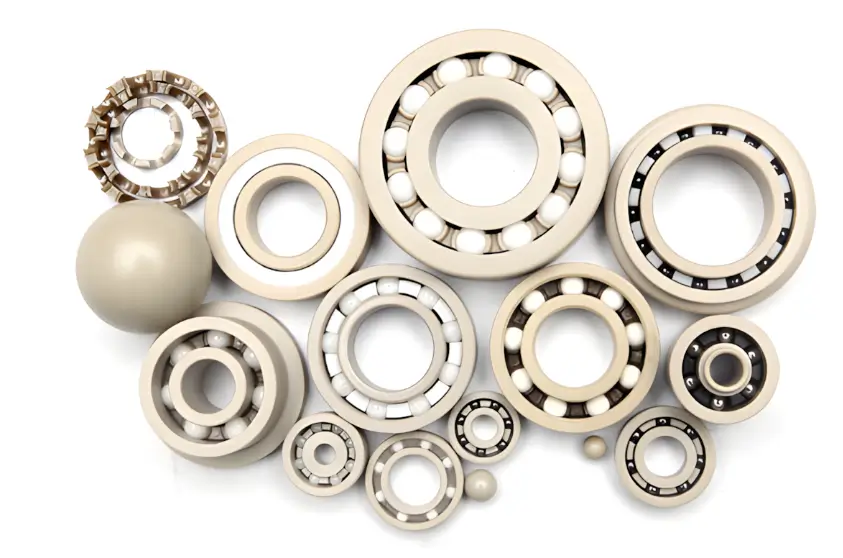
Plastic bearings are self‑lubricating bearings manufactured from engineering plastics as the base material. They are available in both rolling and plain (sliding) bearing configurations, with plain bearings accounting for the larger share. Unlike conventional metal bearings, plastic bearings rely on advanced polymer materials science and composite engineering to deliver reliable low‑friction, high‑wear‑resistance operation without the need for external lubrication. They have already become a significant alternative to metal bearings in a wide range of industries, including automotive manufacturing, food processing, medical equipment, and the chemical industry.

Interpretation of Bushing Knowledge

Metallic Bearings: The Engineering Backbone of Modern Industry

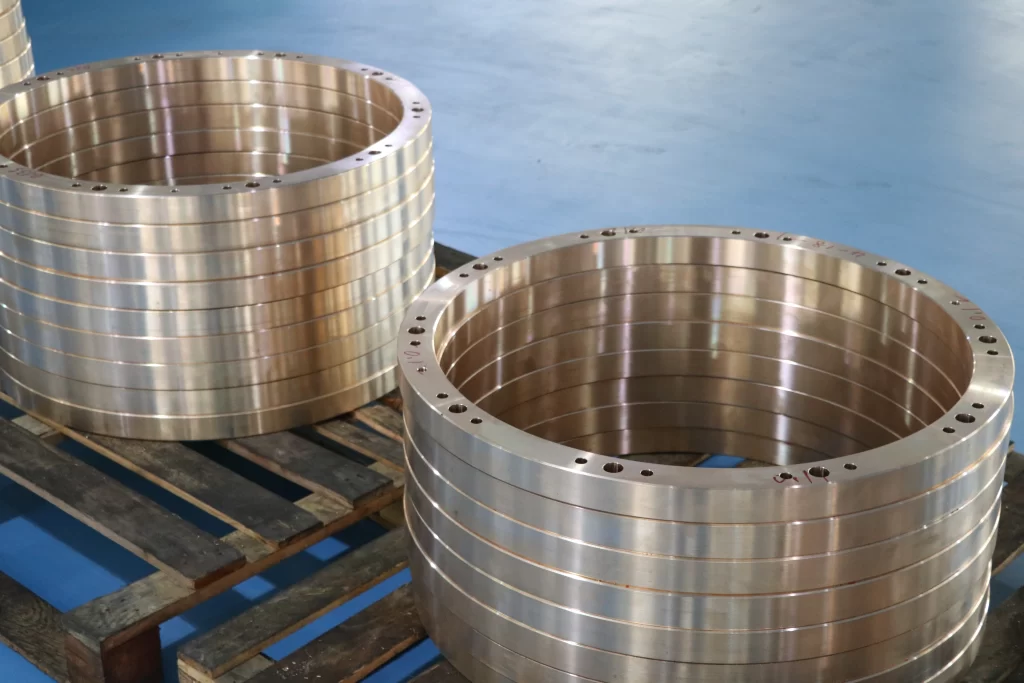
In the vast ecosystem of mechanical engineering, few components are as fundamental yet frequently overlooked as the metallic bearing. These precision-engineered machine elements serve as the interface between moving and stationary parts, transmitting loads while minimizing friction and wear. From the heaviest mining equipment to the most sensitive aerospace instrumentation, metallic bearings enable motion, support loads, and ensure the reliable operation of countless industrial systems.

Brass Gears in Precision Engineering: Material Advantages, Functional Applications, and Selection Guide
Interpretation of Bushing Knowledge

Brass Gears in Precision Engineering: Material Advantages, Functional Applications, and Selection Guide

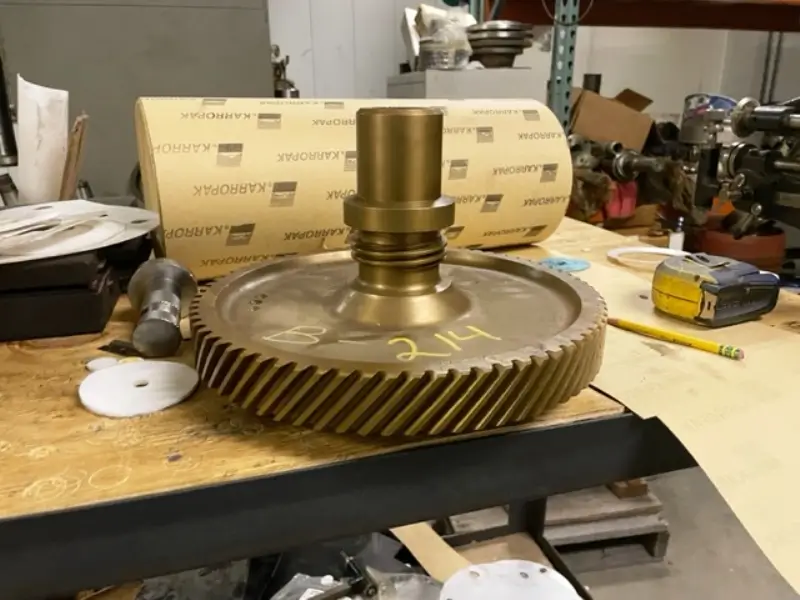
Brass gears have maintained their position as a preferred transmission component across numerous industrial sectors, from precision instrumentation to heavy machinery. As a copper-zinc alloy, brass offers a distinctive combination of mechanical properties that distinguishes it from steel, bronze, and polymer alternatives. The material’s natural corrosion resistance, excellent machinability, and inherently low friction coefficient make brass gears particularly suitable for applications where reliability, quiet operation, and longevity are paramount

Scroll to Top