
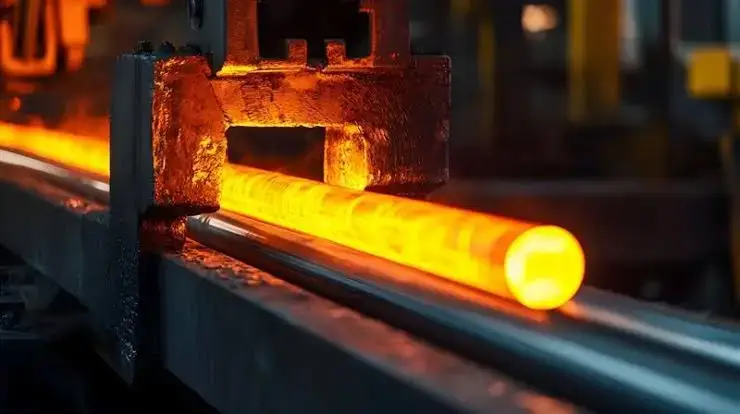
steel rolling mill

Rolling Mills Steel Metallurgy: How Deformation, Temperature, and Cooling Define Steel Performance
Interpretation of Bushing Knowledge

Rolling Mills Steel Metallurgy: How Deformation, Temperature, and Cooling Define Steel Performance

Steel rolling is commonly described as thickness reduction, but its metallurgical effect is more consequential. Reheating, descaling, roughing, finishing, coiling, cold reduction, annealing, and temper rolling determine grain size, texture, residual stress, surface condition, flatness, strength, formability, and downstream consistency. A coil with the correct nominal thickness can still be unsuitable if its microstructure, crown, edge condition, or mechanical-property variation is not controlled. For customers buying hot rolled steel coil, cold rolled steel sheet, plate, strip, bar, or rolling-mill equipment, the valuable discussion begins with process capability rather than with gauge alone.
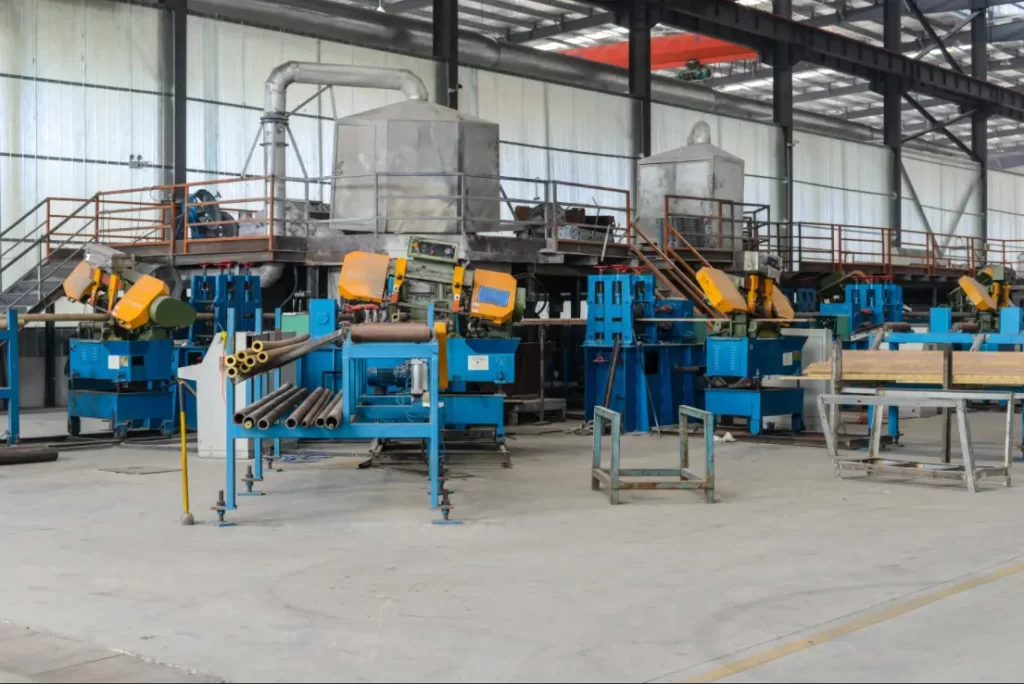
MYWAY Bushing: Top 5 Bushing and Bearing Manufacturers in China
Interpretation of Bushing Knowledge

Steel Rolling Mill Technology: Core Equipment, Functional Applications, and High-Performance Component Solutions

Steel rolling represents the principal forming process in modern metallurgy, where immense compressive forces transform raw steel into finished products that constitute the backbone of infrastructure, automotive manufacturing, construction, and countless industrial applications worldwide. Rolling mills—the sophisticated machinery at the heart of this process—have evolved from simple two-high configurations to complex multi-stand trains capable of producing everything from ultra-thin foils to heavy structural beams. Understanding the functional architecture, application contexts, and critical component requirements of these mills is essential for operators seeking to optimize production efficiency, product quality, and operational longevity.

Scroll to Top