Arc Furnace Metallurgy: Selecting Electric, Submerged-Arc, and Process Systems for Reliable High-Temperature Production
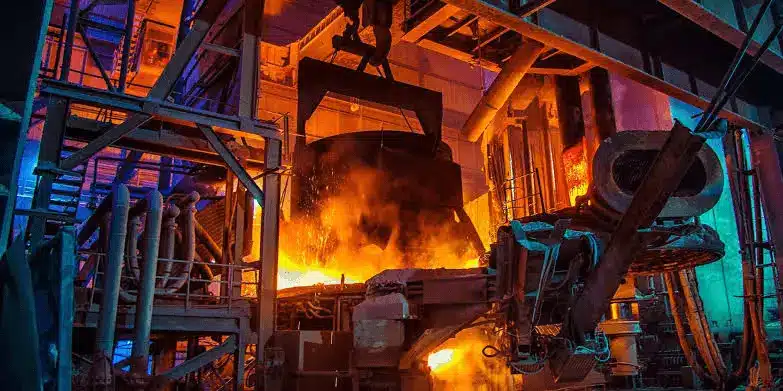
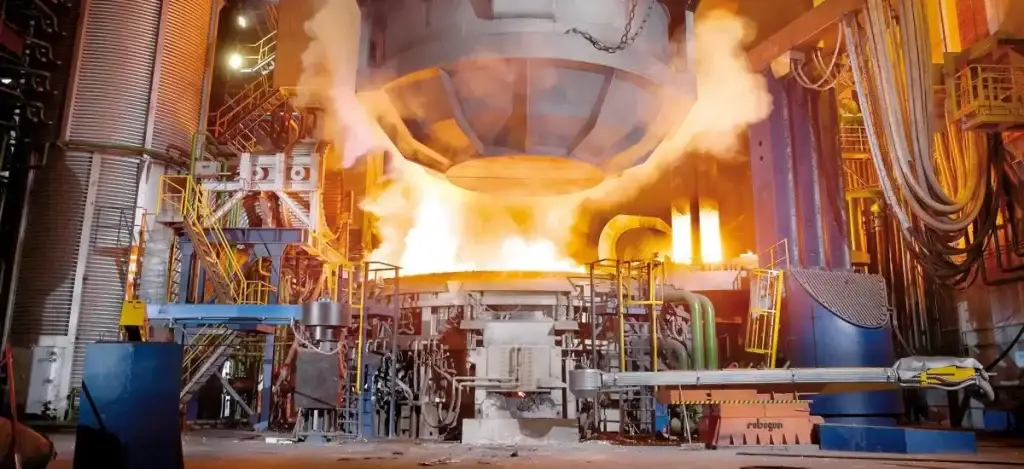
Arc furnace is a broad industrial term, not a single machine. It may refer to an electric arc furnace (EAF) that melts and refines steel scrap, a submerged arc furnace (SAF) that reduces ore and carbonaceous burden to ferroalloys or silicon products, or a specialized arc-heating system used in foundry, mineral, recycling, and high-temperature process applications. These furnaces share electrical power, electrodes, refractory containment, cooling, off-gas, and safety systems. Their reaction mechanisms, feed preparation, control philosophy, and purchasing criteria are nevertheless different.
This distinction matters for search visibility and for a productive technical inquiry. A customer seeking an arc furnace supplier may need a scrap-melting EAF, a ferrosilicon or silicon-metal SAF, an electrode system, a transformer, water-cooled parts, fume-extraction equipment, furnace refractories, or a modernization service. The most credible proposal begins by identifying the product, charge, reaction, electrical duty, quality target, emissions boundary, and bottleneck rather than by sending a generic equipment catalogue.