worm gears

Interpretation of Bushing Knowledge

Precision Gear Manufacturing: Engineering Motion Control for Advanced Industrial Applications

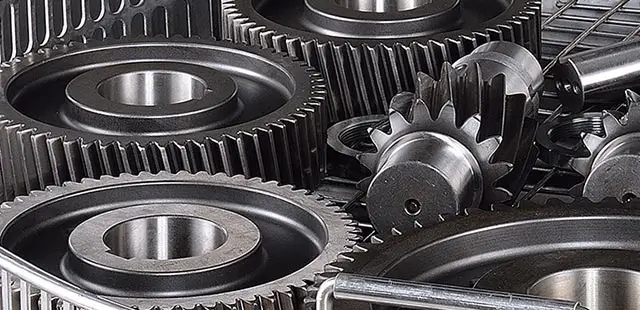
Precision gear manufacturing represents the convergence of metallurgical science, ultra-precision machining, and rigorous quality control. In an era where industrial automation, robotics, and miniaturized systems demand ever-increasing accuracy, the humble gear train has evolved into a sophisticated engineering masterpiece. From surgical robots performing micro-incisions to wind turbines harnessing renewable energy, precision gears enable controlled motion, torque transmission, and positional accuracy across virtually every advanced industry. This article examines the functions and applications of precision gear manufacturing while highlighting the critical role of complementary components—particularly bushings—in ensuring system longevity and reliability.
Precision Gears: The Backbone of Modern Power Transmission and Motion Control
Interpretation of Bushing Knowledge

Precision Gears: The Backbone of Modern Power Transmission and Motion Control

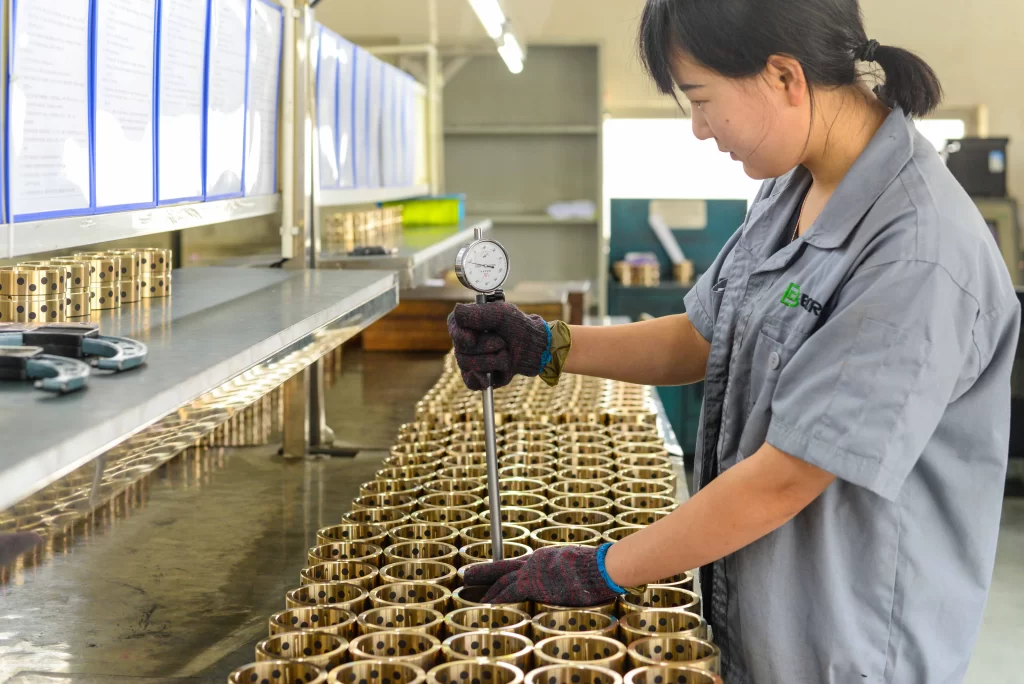
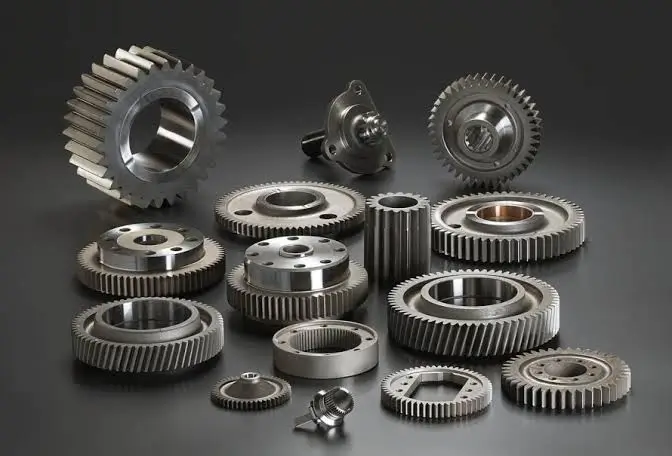
Precision gears are essential for accurate power transmission and motion control in robotics, automotive, aerospace, and medical applications. Their reliability hinges on tight tolerances, low backlash, and effective vibration/noise suppression. Equally critical is the shaft support system—precision bushings reduce friction, absorb radial loads, and extend service life. MYWAY offers engineered bushing solutions backed by 20+ years of experience, IATF 16949 certification, and advanced CNC capabilities, ensuring durable and efficient gear system performance.

Brass Gears in Precision Engineering: Material Advantages, Functional Applications, and Selection Guide
Interpretation of Bushing Knowledge

Brass Gears in Precision Engineering: Material Advantages, Functional Applications, and Selection Guide

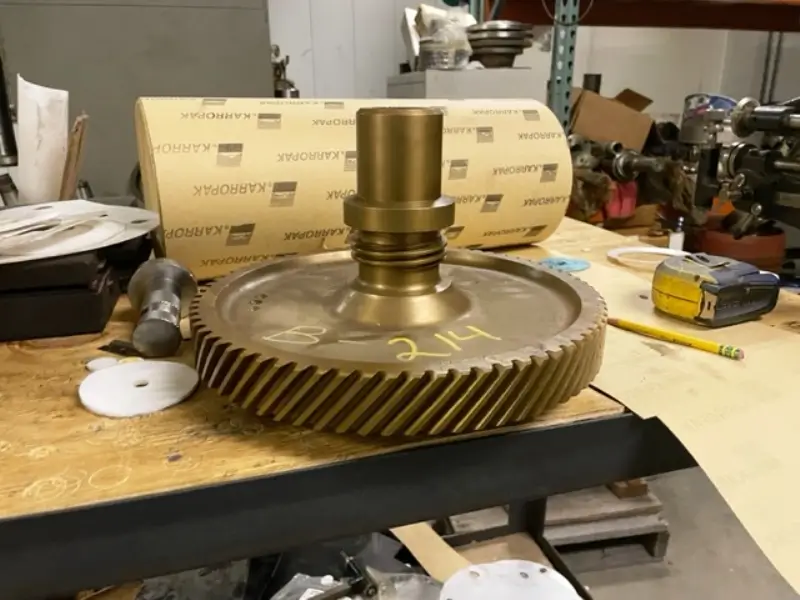
Brass gears have maintained their position as a preferred transmission component across numerous industrial sectors, from precision instrumentation to heavy machinery. As a copper-zinc alloy, brass offers a distinctive combination of mechanical properties that distinguishes it from steel, bronze, and polymer alternatives. The material’s natural corrosion resistance, excellent machinability, and inherently low friction coefficient make brass gears particularly suitable for applications where reliability, quiet operation, and longevity are paramount

Precision Gear Manufacturers: Functions, Applications, and the Critical Role of High-Quality Bushings
Interpretation of Bushing Knowledge

Precision Gear Manufacturers: Functions, Applications, and the Critical Role of High-Quality Bushings

Precision gears are fundamental to virtually every mechanical system that transmits power or motion. From the smallest surgical robot to the largest wind turbine, precision gears convert raw rotational energy into controlled, reliable, and efficient mechanical output. While often hidden inside housings and casings, these precisely engineered components determine the performance, accuracy, and longevity of countless industrial and consumer products.

Tin Bronze: the Alloy That Powers Heavy Industry
Bronze Bushing

Tin Bronze: the Alloy That Powers Heavy Industry

When machinery faces its toughest challenges—from the relentless pounding in a steel mill to the corrosive bite of seawater—there’s a family of alloys that has been the engineer’s trusted choice for centuries: tin bronze. More than just a historical artifact, modern tin bronzes represent the pinnacle of material science for demanding applications, combining legendary durability with critical self-lubricating properties.

Scroll to Top