
Recent Posts
The Colour of Iron Metal: From Fresh Silver-Gray Surfaces to Oxides, Heat Tint, Cast Iron, and Coated Steel
Introduction
The colour of iron metal is not one fixed colour. Freshly cut or polished iron and low-alloy steel are normally silver-gray to gray-white with metallic reflectance. In service, iron can appear black, blue-gray, brown, yellow, orange, red or matte gray because light interacts with oxide films, corrosion products, heat tint, graphite in cast iron, mill scale, roughness, coatings, oil and illumination. Visible colour is useful process evidence, but it is not a complete material-identification method.
For industrial customers, colour affects incoming inspection, corrosion assessment, heat-treatment control, surface-finish approval, paint preparation, pigment selection and architectural appearance. Reliable specifications identify the base metal, surface process, colour range, gloss, roughness, exposure and measurement method rather than use a broad term such as black iron or rust colour.
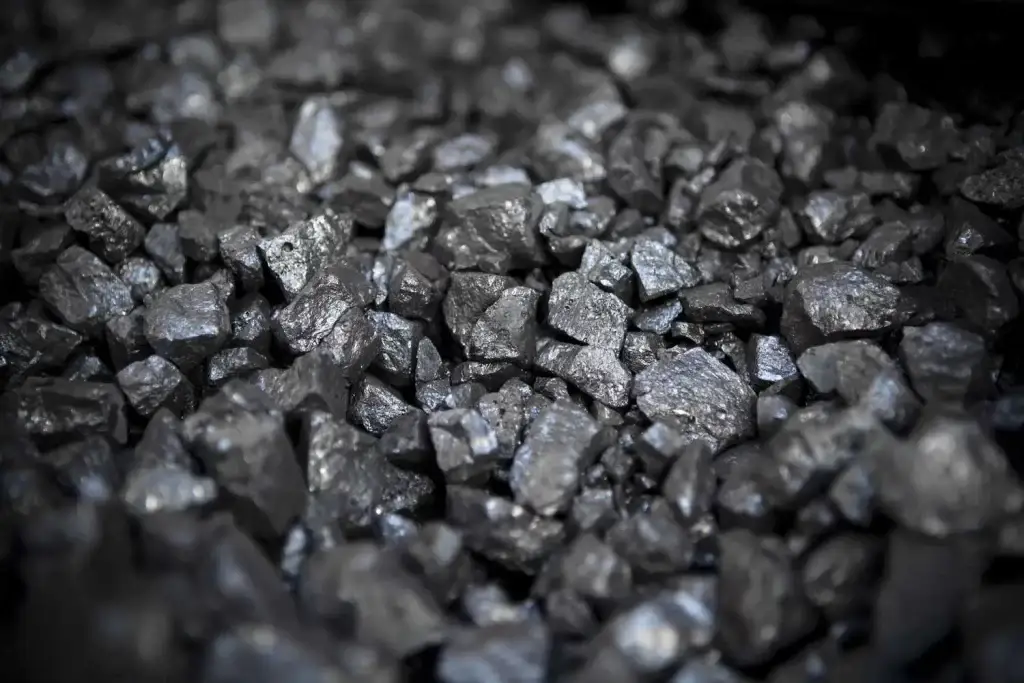
Table of Contents
1.Fresh Iron, Steel, and Natural Metallic Appearance
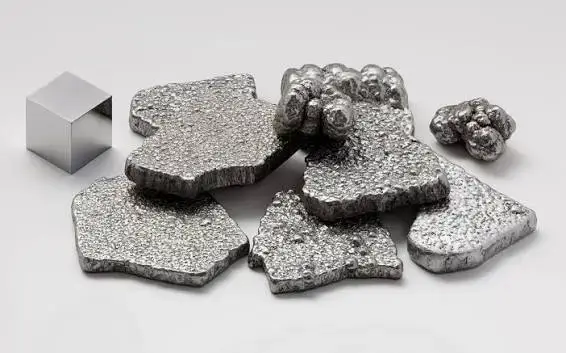
Freshly machined iron and carbon steel normally read as silver-gray, gray-white, or bluish gray because the metal reflects light broadly rather than selectively. The perceived shade changes with surface roughness, machining direction, retained oil, and the color temperature of the inspection light.
A bright polished surface is not automatically a cleaner or more corrosion-resistant surface. It is simply smoother and more specular. Blast-cleaned steel, hot-rolled plate, and cast surfaces scatter light and therefore look darker and less glossy even when their base chemistry is similar.
In sales descriptions, terms such as black iron, gray iron, bright steel, and natural metal finish need a defined condition. A buyer should state hot-rolled, pickled, ground, brushed, as-cast, or coated, then approve a physical panel or measurable appearance range.
Visible appearance | Typical contributor | Verification priority | Primary limitation to check |
Silver-gray / bright gray | Fresh or machined iron/steel; smooth surface | Surface condition, roughness, lighting | Oil compatibility, temperature, moisture, load and speed limit |
Blue-black / charcoal | Mill scale or magnetite-rich film | Process history, adhesion, phase analysis | PV, heat rejection, counterface finish, liner thickness |
Red-brown / orange | Hematite, goethite, mixed rust | Corrosion mapping and thickness | Temperature, lubrication condition, swelling and chemicals |
Graphite-plugged bronze | Solid lubricant plugs embedded in bronze body | High-load, slow-speed or inaccessible-lubrication applications | Plug layout, shaft condition, startup friction, machining design |
Solid-lubricant dispersed metal or polymer | Graphite/PTFE/MoS2 or other solid phase in matrix | Tailored dry-running and corrosion options | Matrix strength, temperature, contamination and true PV duty |
For SEO and technical search clarity, the terms colour of iron metal, color of iron metal, natural iron colour, metallic gray iron, and fresh steel appearance describe related but not identical observations. Product listings should pair these terms with the exact product form and finish. For example, bright-drawn bar, cold-rolled sheet, ground shaft, hot-rolled plate, and as-cast iron all reflect light differently. This distinction helps purchasing teams compare realistic samples instead of expecting a universal iron shade.
2.Why Iron Changes Colour: Oxides, Oxyhydroxides, and Film Thickness
Iron is highly responsive to oxygen and moisture. Magnetite, Fe3O4, is generally dark gray to black; hematite, Fe2O3, is red to reddish brown; and goethite, FeO(OH), is yellow, orange, or brown. Service films are commonly mixtures rather than pure laboratory minerals.
Colour arises from chemistry, film thickness, particle size, porosity, moisture, and the substrate below the film. A thin continuous oxide may look blue-gray or violet through optical interference, while a thick porous corrosion layer tends toward opaque brown, orange, or red.
Because several phases can coexist, visual colour is a screening signal rather than proof of corrosion severity. Use microscopy, Raman spectroscopy, X-ray diffraction, coating-thickness measurement, or ultrasonic thickness testing when disposition or safety depends on the result.
Iron is highly responsive to oxygen and moisture. Magnetite, Fe3O4, is generally dark gray to black; hematite, Fe2O3, is red to reddish brown; and goethite, FeO(OH), is yellow, orange, or brown. Service films are commonly mixtures rather than pure laboratory minerals.
At the metal surface, the optical result is also affected by contaminants. Oil, fingerprints, polishing compound, shop dust, and residual acid can make a steel component seem darker, warmer, or more patchy. Before a colour decision, define cleaning and drying conditions. A clean, dry, representative surface is essential for comparing oxide colour, black scale, brown rust, or intended metallic gloss between suppliers and inspection locations.
3.Black, Gray, and Blue-Gray Iron Surfaces
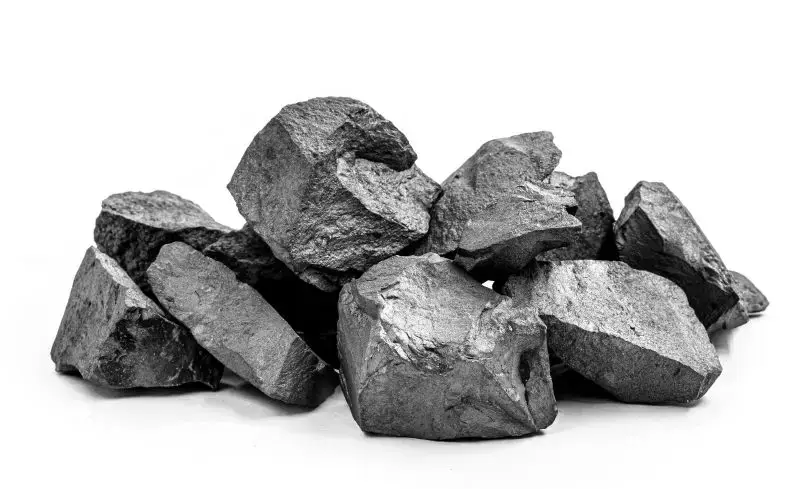
Black iron is a commercial description often applied to hot-rolled steel with mill scale, black-oxide-treated steel, or dark steel pipe. These are different conditions with different adhesion, conductivity, corrosion, and coating-preparation behavior.
Mill scale normally forms during high-temperature rolling and contains iron oxides in layered form. It can appear blue-black, charcoal, or dark gray. If it cracks or is undermined by moisture, localized red-brown rust may develop at exposed steel.
A controlled black oxide finish is a conversion coating, not black paint. Its visual uniformity depends on cleaning, chemistry, rinsing, sealing, and handling. For functional parts, specify the standard, post-treatment, salt-spray expectation, and permitted colour variation.
Condition | What colour can indicate | What it cannot prove | Verification |
Heat tint | Thermal exposure and thin oxide film | Exact temperature or properties | Density and porosity test on representative lot |
Gray cast fracture | Graphite-related reflection | Casting grade or strength | Oil-content method, lubricant certificate, compatibility review |
Black oxide finish | Conversion process may be present | Coating thickness or corrosion life | Agreed crushing-strength or breaking-load criterion |
Bore sizing after press fit | Maintains clearance after housing installation | Tight bore, seizure, noisy operation or accelerated wear | Housing tolerance, sizing method, final bore inspection |
For fabricated steel, the dark colour around welds may come from heat tint, scale, soot, flux residue, or early oxidation. The remedy depends on the cause. Mechanical cleaning, pickling, passivation, blasting, or recoating may each be appropriate in a specified process. Do not accept or reject a black area without identifying whether it is a desired finish, a removable residue, or an exposure-related corrosion concern.
4.Red, Brown, Yellow, and Orange: Rust, Hematite, and Goethite
Red and reddish-brown appearance is frequently linked with hematite, while yellow, orange, and brown tones are often associated with goethite or hydrated corrosion products. Outdoor rust rarely has one uniform mineral composition across a structure.
Rain retention, chloride deposition, crevices, temperature, and dry time alter the corrosion layer. Orange deposits can indicate active wet corrosion; a compact dark brown patina may be more stable, but appearance alone cannot demonstrate protection or remaining section thickness.
Iron oxide pigments use these mineral colour families intentionally. In coatings and concrete, pigment grade, particle size, dispersion, binder, and substrate determine the final shade. A raw pigment name should never substitute for an approved drawdown or production colour limit.
Red and reddish-brown appearance is frequently linked with hematite, while yellow, orange, and brown tones are often associated with goethite or hydrated corrosion products. Outdoor rust rarely has one uniform mineral composition across a structure.
Rust colour changes through time. Early orange bloom may later become yellow-brown, red-brown, purple-brown, or nearly black as moisture cycles and mineral proportions change. In sheltered crevices, darker deposits can conceal continuing attack. Engineers should document the location and morphology as well as colour: powdery, adherent, layered, blistered, weeping, or underfilm corrosion each directs the investigation toward a different root cause.
5.Heat Tint, Temper Colours, and Thermal Process Evidence
When smooth steel is heated in air, a very thin oxide film can produce straw, brown, purple, blue, or gray heat tint. The visible sequence depends on temperature, duration, alloy, atmosphere, surface finish, and cooling, so it is not a universal temperature scale.
Heat tint is useful for process observation on low-risk work, weld heat-affected zones, and decorative finishes. It is not a substitute for qualified heat-treatment records, furnace control, hardness testing, microstructure review, or mechanical-property verification.
For stainless and alloy steels, heat tint may also indicate chromium-depleted surface conditions that require cleaning or passivation. Specify the alloy, thermal cycle, atmosphere, permitted tint, post-cleaning process, and corrosion requirement before quoting a colour-sensitive part.
When smooth steel is heated in air, a very thin oxide film can produce straw, brown, purple, blue, or gray heat tint. The visible sequence depends on temperature, duration, alloy, atmosphere, surface finish, and cooling, so it is not a universal temperature scale.
Heat-colour work requires clean and repeatable preparation. Scale, carburized skin, alloying elements, furnace atmosphere, and cooling medium can interrupt a familiar colour sequence. Decorative blueing and production heat treatment therefore need different controls. The former may prioritize visual consistency; the latter prioritizes hardness, distortion, toughness, and traceable thermal history. A professional specification states which outcome governs when visual shade and mechanical performance conflict.
6.Cast Iron Colour, Graphite, and Fracture Appearance
Gray cast iron is named for its fracture appearance: graphite flakes interrupt reflection and give a gray, dull surface. White iron has carbon predominantly combined as cementite and may show a brighter, whiter fracture. Both terms describe microstructure-related appearance, not a cosmetic paint colour.
Nodular iron, malleable iron, and compacted-graphite iron have their own graphite forms and fracture characteristics. Casting skin, shot blasting, machining, porosity, sand residue, and oxidation can obscure these distinctions at the external surface.
Foundry acceptance should use the specified grade, chemistry, graphite form, tensile properties, hardness, soundness, dimensions, and metallography where applicable. Visual colour can flag an anomaly but cannot independently certify a casting grade.
The word iron can also refer to commercial pure iron, low-carbon steel, alloy steel, wrought iron, ductile iron, or gray cast iron. Their visual properties are not interchangeable. Alloy content changes oxidation behavior, while graphite and carbide structure change cast fracture appearance. When a customer asks for the colour of iron metal, a supplier should first confirm which material family and which supplied condition is meant.
7.Surface Preparation, Coatings, and Colour Control
Pickling removes scale and can expose a light gray active steel surface. Abrasive blasting changes roughness and creates a matte anchor profile. Grinding or brushing introduces directional reflectance; phosphating, galvanizing, paint, powder coating, and e-coat establish new colour systems.
The right specification separates substrate preparation from final appearance. It should state cleanliness standard, profile or roughness, coating chemistry, dry-film thickness, gloss, colour target, cure condition, adhesion, corrosion test, and allowable defects.
For colour-critical steel products, approve master panels under a stated illuminant and viewing geometry. A supplier can then control batch-to-batch variation with CIELAB coordinates and Delta E tolerance rather than subjective terms such as almost black or slightly brown.
Paint and conversion-coating colour control begins before colour is applied. Soluble salts, oxidation, weld spatter, sharp edges, moisture, and poor profile can cause staining, adhesion loss, or early rust that changes appearance after shipment. Surface preparation standards and inspection records provide better protection than attempting to compensate for a poor substrate with a darker paint, heavier pigment loading, or a broad visual tolerance.
8.Inspection, Corrosion Assessment, and Colour Measurement
Visual inspection is valuable when it is repeatable. Record surface condition, cleaning status, light source, angle, humidity, location, photographs with scale, and comparison panel. Without these controls, the same iron surface may be judged differently by two inspectors.
A spectrophotometer reports objective colour coordinates; a gloss meter distinguishes reflection from pigment shade; and roughness measurement explains why similar chemistry can look different. For corrosion diagnosis, pair colour observation with coating integrity, corrosion mapping, and thickness assessment.
Digital images assist communication but are not colour standards unless camera settings, lighting, white balance, monitor, and reference target are controlled. A technical report should state whether its conclusion is visual, instrumental, or confirmed by materials analysis.
Instrument readings should be used carefully on metallic and textured surfaces. Different observation angles may produce different values because metallic reflection is directional. Agree the geometry, illuminant, aperture, backing, calibration routine, measurement points, and pass-fail statistic. The goal is not to replace experienced visual review, but to make colour and gloss decisions traceable across mills, factories, laboratories, and customer sites.
9.From Iron Colour Data to a Technical RFQ
A quote-ready request starts with the product: plate, bar, pipe, casting, forging, fabricated assembly, pigment, oxide powder, or coated steel. Then identify the grade, surface condition, process route, service environment, target appearance, and acceptance method.
Attach an approved sample, drawing, finish code, CIELAB target, gloss level, roughness range, coating thickness, corrosion exposure requirement, and packaging need. This converts colour from an ambiguous marketing request into a manufacturable inspection requirement.
RFQ item | Buyer supplies | Supplier confirms |
Base metal | Grade and product form | Available material route |
Appearance | Sample or CIELAB / Delta E target | Process capability and sample |
Service | Exposure and corrosion requirement | Finish system and test plan |
Quality and business | Annual volume, samples, certificates, traceability, delivery destination | Control plan, inspection data, MOQ, tooling, lead time and change control |
Table 3. A complete iron-colour RFQ turns an appearance request into a technical proposal with comparable assumptions.
Suppliers should respond with the proposed material, surface process, sample lead time, quality checks, test standards, manufacturing tolerance, commercial quantity range, and evidence package. This level of detail protects appearance, performance, and delivery expectations.
Colour requirements affect packing and logistics as well. Bare finished steel can be marked by condensation, handling, abrasion, plasticizer migration, paper contact, or incompatible temporary corrosion preventives. For decorative or colour-controlled parts, define protective oil or film, separators, humidity control, labelling, inspection hold points, and photo records. These details reduce disputes when material travels through several manufacturing and distribution stages.
For buyers comparing quotations, colour must be evaluated with the same discipline as grade, thickness, tolerance, and test method. Request process descriptions rather than unsupported claims such as permanent black, rust proof brown, or natural iron colour. Confirm whether the item will be supplied bare, oiled, passivated, oxidized, primed, or top-coated; identify the final inspection condition; and retain a signed sample where appearance is commercially important. This creates an auditable path from quotation through production, incoming inspection, installation, and service review.
A practical acceptance plan separates visual presentation from metallurgical identity. It identifies the contract colour, the approved finish sample, the appearance test conditions, and the independent tests needed for grade, coating mass, corrosion resistance, or heat treatment. This approach is especially useful for architectural steel, fabricated machinery, cast components, steel pipe, iron oxide pigment, and export orders where the buyer, processor, and final inspector may be in different countries. Clear records also make later maintenance decisions faster and more defensible.
FAQ: Colour of Iron Metal
1. What is the natural colour of iron metal?
Fresh, clean iron and low-alloy steel usually appear silver-gray to gray-white; finish and illumination change the perceived shade.
2. Why does iron turn red or brown?
Red-brown colour commonly results from iron oxides and oxyhydroxides formed in oxygen and moisture.
3. Is black iron actually black?
Usually no. It often means dark hot-rolled scale or a black-oxide finish, so the process must be specified.
4. What is the colour difference between hematite and magnetite?
Hematite is generally red to reddish brown; magnetite is typically dark gray to black. Mixed films are common.
5. Does rust colour identify corrosion severity?
No. Colour is a useful clue but needs corrosion mapping and thickness or phase testing for a decision.
6. Why does heated steel turn blue?
A thin oxide film formed during heating can create blue interference colour; alloy and process conditions affect it.
7. Can heat tint prove steel temperature?
No. It is only process evidence. Use qualified thermal records and property tests for critical work.
8. Why is gray cast iron gray?
Its graphite morphology changes reflected light on a fracture surface. Grade still requires material testing.
9. Why can the same steel look lighter after machining?
Machining smooths the surface and increases specular reflection, making the same substrate look brighter.
10. What is mill scale?
It is the high-temperature iron-oxide layer produced during hot rolling or forging.
11. Does black oxide prevent rust?
It provides limited protection only when properly sealed and controlled; it is not equivalent to a paint system.
12. Can iron colour be measured instrumentally?
Yes. A spectrophotometer can report CIELAB coordinates, while gloss meters and roughness meters add context.
13. What is Delta E in metal colour control?
Delta E expresses the numerical difference between a measured colour and an approved standard.
14. How should a supplier inspect a colour-critical surface?
Use controlled cleaning, light, viewing geometry, reference panels, photographs, and agreed instrument tolerances.
15. Does lighting change the apparent colour of steel?
Yes. Light source, viewing angle, gloss, and surface texture can change the apparent shade substantially.
16. Can weathering steel be specified by colour?
Yes, but use approved panels and exposure criteria because patina develops with environment and detailing.
17. Are iron oxide pigments suitable for coatings?
Yes. Iron oxide pigments are widely used; formulation, dispersion, binder, and substrate set the final colour.
18. What should be included in a colour of iron metal RFQ?
State material, condition, process, sample or colour coordinates, gloss, roughness, environment, and test method.
19. Which tests confirm an oxide or corrosion product?
Raman spectroscopy, XRD, SEM/EDS, microscopy, and corrosion-product sampling can identify or characterize phases.
20. Can a photograph replace a physical colour sample?
No. Photographs support communication, but controlled physical panels or instrument data are needed for acceptance.
100000+ Types of Bushings – Contact Us for Details