
Recent Posts
Tungsten Steel in Modern Metallurgy: Engineering High-Performance Alloys for Demanding Industrial Applications
Introduction
Tungsten steel represents one of the most significant advancements in metallurgical engineering, combining the elemental strength of tungsten with the structural versatility of steel to produce alloys capable of performing under extreme conditions that would render conventional materials ineffective. The distinctive properties of tungsten steel—exceptional hardness retention at elevated temperatures, superior wear resistance, and remarkable dimensional stability—have established it as an indispensable material across numerous industrial sectors, from precision tooling and mold manufacturing to high-speed machining and heavy-duty equipment applications.
Table of Contents
1. Metallurgical Fundamentals and Alloy Composition
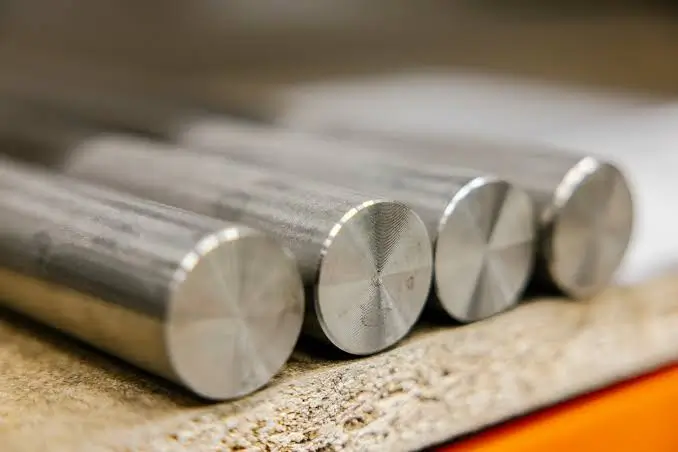
Tungsten steel is defined as any steel containing tungsten as a primary alloying element, with typical compositions ranging between 2% and 18% tungsten by weight, often accompanied by controlled additions of molybdenum, vanadium, chromium, and carbon to optimize performance characteristics . The metallurgical interaction between tungsten and carbon forms extremely hard tungsten carbides (WC and W₂C) that precipitate within the steel matrix, creating a composite microstructure capable of withstanding mechanical stress and thermal degradation. The SAE designation system identifies tungsten steels with four-digit numbers beginning with 7, distinguishing them from other alloy classes .
The matrix structure of tungsten steel consists predominantly of martensite following appropriate heat treatment, with carbide particles (1–10 µm in size) dispersed throughout the volume at volume fractions of 5–15% . These carbides, with hardness values reaching HV1500–2000, serve as the primary reinforcement mechanism responsible for the alloy’s exceptional wear characteristics. The crystal structure transitions between body-centered cubic martensite and hexagonal or orthorhombic carbide phases, with X-ray diffraction analysis typically revealing characteristic WC (111) and (200) crystal planes . This intricate microstructure is optimized through carefully controlled thermal processing cycles.
2. Physical and Mechanical Characteristics
The most distinguishing feature of tungsten steel is its extraordinary hot hardness—the ability to maintain mechanical strength and cutting edge integrity at temperatures where conventional tool steels undergo rapid softening. Tungsten structural steel retains significant hardness at temperatures up to 800°C, enabling high-speed machining operations that would rapidly degrade standard high-speed steel tools . This thermal stability stems from the strong atomic bonding within tungsten carbides and the resistance of these precipitates to coarsening at elevated temperatures.
Density represents another notable physical characteristic, with tungsten steel measuring approximately 15.6 g/cm³ compared to 7.85 g/cm³ for conventional carbon steel . This higher density translates to improved vibration damping characteristics and enhanced impact resistance, making tungsten steel particularly suitable for applications where mechanical stability under dynamic loading is essential. Tensile strength typically ranges from 800–1500 MPa, significantly exceeding the 400–550 MPa range of standard structural steels . The material exhibits elongation values of 5–12%, reflecting its lower ductility compared to conventional steels, an expected trade-off for the substantial gains in hardness and wear resistance.
3. Manufacturing Processes and Production Challenges
The production of tungsten steel requires specialized manufacturing techniques due to the high melting point of tungsten and the need for precise microstructural control. Electric Arc Furnace (EAF) melting at temperatures of 1600–1700°C represents the primary melting method, with careful attention required to ensure uniform tungsten distribution throughout the steel matrix . Hot rolling operations are conducted at 1100–1200°C to form plates, bars, and other semifinished shapes, while forging operations at 900–1000°C serve to refine grain structure and increase material density for critical components .
Heat treatment protocols are essential for achieving target mechanical properties. Hardening typically involves heating to 850–950°C followed by rapid quenching in oil to produce hard martensitic structures . Tempering at 200–500°C reduces brittleness while preserving high strength and hardness levels. For machinability purposes, annealing at 700–800°C with slow cooling provides temporary softening . Powder metallurgy techniques have gained prominence for producing high-performance tungsten steel grades, enabling finer carbide distributions and improved toughness through isotropic microstructures. This approach allows addition of more carbide-forming elements than conventional methods permit
4. Tooling and Cutting Applications
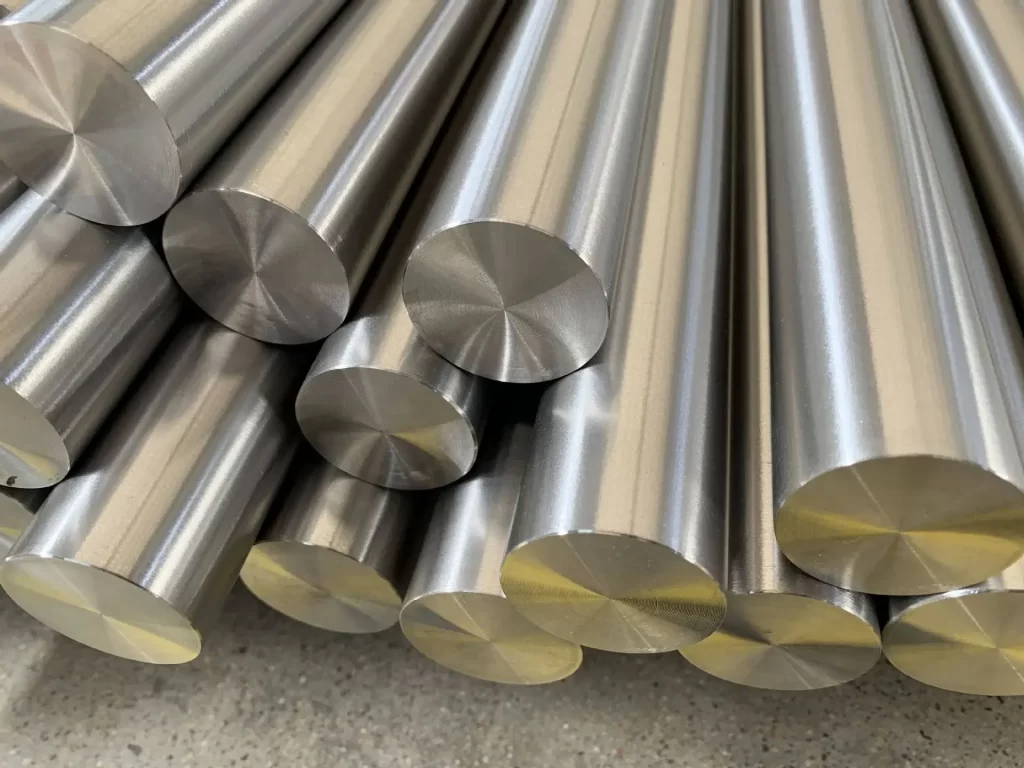
The cutting tool industry represents the largest application sector for tungsten steel, with milling cutters, drill bits, reamers, and lathe inserts manufactured from these alloys demonstrating tool life extensions of 5–10 times compared to conventional high-speed steel alternatives . Tungsten steel cutting tools achieve their superior performance through the combination of hot hardness and wear resistance, maintaining sharp cutting edges even under elevated temperatures generated during high-speed machining of difficult-to-cut materials such as titanium alloys, Inconel, and hardened steels.
High-speed steel grades such as M2, M35, and M42 represent the most commonly used tungsten steel formulations in cutting applications, with compositions carefully balanced between tungsten and molybdenum to maximize hardness and toughness simultaneously . The T1 grade, containing 18% tungsten, represents the original high-speed steel composition that has remained essentially unchanged since 1910 . However, regional preferences have evolved, with the European market favoring M2 and M42 types while Japanese and US manufacturers predominantly utilize low-tungsten, high-molybdenum grades such as M1 and M7 . Powder metallurgy grades such as ASP60 and PM-M4 provide enhanced performance for demanding applications requiring exceptional wear resistance and red hardness retention
5. Mold and Die Manufacturing Applications
The mold and die industry has extensively adopted tungsten steel materials for applications requiring dimensional stability under cyclic thermal and mechanical loading. Injection molds manufactured from tungsten steel exhibit lifespan extensions exceeding 300% compared to conventional tool steel molds, significantly reducing production downtime and maintenance costs . Cold work tool steels, limited to surface temperatures below 200°C, combine high hardness (up to HRC 63), compressive strength, and wear resistance with acceptable toughness and impact strength .
Hot work tool steels containing tungsten, chromium, and vanadium serve casting and pressing tool applications in heavy machinery production. While tungsten hot work steels experienced declining usage due to chill crack sensitivity and lower toughness than molybdenum alternatives, they remain viable candidates for applications involving very high temperatures and severe wear conditions . Stamping dies and punches manufactured from tungsten steel provide consistent results over extended production runs, with wear resistance properties that minimize geometry drift and maintain part quality throughout the tool’s service life.
6. Wear-Resistant Components and Bushing Applications
The exceptional wear resistance of tungsten steel has driven widespread adoption in industrial components subject to abrasive conditions and repetitive loading. Tungsten carbide bushings represent a particularly significant application, providing precision cylindrical guidance and alignment functions across diverse industrial sectors including oil and gas, mining and construction, agricultural equipment, automotive powertrains, and industrial machinery . These components serve multiple functions within mechanical systems—guiding rotating shafts, maintaining alignment under dynamic loading, preventing shaft-to-bearing contact that would lead to accelerated wear, and extending equipment service life through their protective function .
The material selection decision between hardened steel and tungsten carbide bushings hinges on the required service life and operating conditions. Carbide drill bushings typically perform most effectively in long-run, high-production drilling operations where the bushing itself would otherwise become the wear point in the tooling system . In these demanding applications, the guide bore changes more slowly under repeated tool entry, helping preserve fixture accuracy over extended production runs. Tungsten carbide bushings provide more stable guidance over time by supporting cutting tools more consistently through repeated cycles, helping to reduce tool wander and maintain repeatable hole position and quality . Their suitability extends beyond standard drilling to encompass composite drilling, hardened materials, and other demanding cutting conditions where standard steel bushings may wear too quickly
7. High-Temperature and Corrosive Environment Applications
Tungsten steel’s combination of thermal stability and corrosion resistance makes it well-suited for applications in aggressive environments. Rocket engine nozzles represent an extreme example of tungsten steel utilization, with the material maintaining structural integrity under the intense thermal flux and mechanical stress of propulsion operation . The material’s chemical stability provides resistance to corrosion and oxidation, even under exposure to water-based coolants and humid operating conditions . This reliability significantly reduces maintenance requirements and extends component life in demanding service conditions.
The petrochemical industry has become a major consumer of tungsten steel components, with pump shafts, bearing sleeves, and valve components manufactured from these alloys demonstrating extended service life in corrosive and abrasive fluid handling applications . Tungsten steel grades with elevated chromium content (10–15%) combined with nickel additions provide enhanced corrosion resistance for medical instrumentation applications, including surgical scalpels and dental drill bits requiring precision and sterility . The thermal stability of these alloys also finds application in geothermal drilling equipment and wind power gear systems, where operating temperatures routinely exceed 600°C and reliability is paramount
8. Precision Engineering and Dimensional Stability
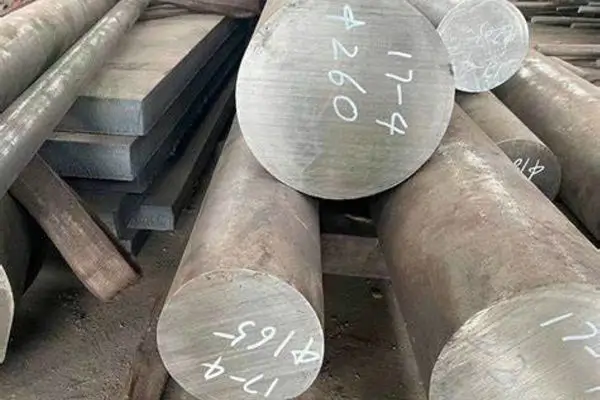
The low coefficient of thermal expansion and exceptional dimensional stability of tungsten steel enable precision manufacturing applications where tight tolerances and consistent performance are critical. Tungsten steel components maintain dimensional integrity across broad temperature ranges, contributing to consistent product quality and reducing geometry drift in tooling systems . The material’s hardness, typically ranging between 8.5 and 9.0 on the Mohs scale, makes it second only to diamond in scratch resistance, enabling precision tools to maintain their form and cutting geometry through extended service life .
Medical and precision manufacturing applications leverage these properties for dental drill bits, scalpels, and surgical instruments requiring accuracy of ±0.01 mm or better . The microstructure consistency achieved through modern production techniques ensures reliable performance across production volumes. The combination of dimensional stability and corrosion resistance makes tungsten steel particularly valuable for applications where component geometry must be maintained despite cyclic thermal loading or chemical exposure.
9. Industrial Applications and Equipment Integration
The widespread adoption of tungsten steel across industrial sectors reflects the material’s versatility and proven performance advantages. Heavy machinery applications in mining and construction utilize tungsten steel components for their ability to withstand abrasive conditions and high impact loads while maintaining alignment and reducing maintenance frequency . Agricultural equipment including seeders, cultivators, and harvesters incorporate tungsten steel wear parts to extend service intervals and reduce downtime during critical planting and harvesting seasons .
Automotive powertrain applications benefit from tungsten steel’s wear resistance and thermal stability in high-performance engines and transmissions . High-volume production environments leverage the material’s tool life advantages to reduce per-part costs and minimize machine downtime for tool changes. The self-lubricating properties of certain tungsten steel formulations, combined with their resistance to galling and seizure, make them particularly suitable for bearing and bushing applications where conventional lubricants may be insufficient or where maintenance access is limited. The material’s capacity to withstand continuous operating temperatures of 800–1000°C supports high-speed machining operations while maintaining surface finish quality and geometric accuracy
FAQ
1. What distinguishes tungsten steel from conventional steel alloys?
Tungsten steel contains tungsten as a primary alloying element, typically 2-18%, forming hard tungsten carbides that provide exceptional wear resistance and hot hardness retention at temperatures up to 800°C.
2. How do tungsten steel bushings compare to standard hardened steel bushings?
Tungsten carbide bushings demonstrate superior wear resistance in long-run production applications, maintaining guidance accuracy and bore stability over extended service cycles where standard steel bushings would rapidly degrade.
3. What industries most commonly use tungsten steel components?
Major application sectors include automotive powertrain manufacturing, aerospace machining, injection mold making, stamping die production, oil and gas equipment, mining machinery, and high-volume manufacturing operations.
4. What temperature limits apply to tungsten steel in service?
Tungsten steel maintains structural integrity and hardness at continuous operating temperatures up to 800-1000°C, significantly outperforming conventional tool steels that soften at much lower temperatures.
5. Why is tungsten steel challenging to machine?
The material’s extreme hardness (8.5-9.0 Mohs) requires specialized diamond-coated or carbide tooling, appropriate cooling methods, and optimized cutting parameters to prevent premature tool wear or material damage.
6. What is the typical density of tungsten steel compared to other materials?
Tungsten steel measures approximately 15.6 g/cm³, significantly higher than carbon steel (7.85 g/cm³) or titanium (4.5 g/cm³), contributing to impact resistance and vibration damping characteristics.
7. How does tungsten steel perform in corrosive environments?
Tungsten steel offers excellent resistance to corrosion and oxidation due to its chemical stability, with specialized grades containing elevated chromium and nickel providing enhanced protection for medical and chemical processing applications.
8. What are the primary benefits of powder metallurgy tungsten steel grades?
Powder metallurgy production achieves finer carbide particle sizes and more uniform carbide distributions, resulting in better toughness, grindability, reduced heat treatment distortion, and superior surface finish.
9. Can tungsten steel be welded or joined to other materials?
Tungsten steel has fair weldability, requiring preheating to 200-300°C and TIG welding techniques to prevent cracking, though specialized joining methods are often preferred for critical applications.
10. What applications require tungsten carbide bushings specifically?
High-production drilling, composite material machining, hardened steel drilling, assembly tooling, and fixture applications where guidance accuracy and bore stability must be maintained through extended production runs.
11. How does tungsten steel maintain hardness at elevated temperatures?
Tungsten carbides within the microstructure resist coarsening at high temperatures, and the martensitic matrix provides thermal stability through secondary hardening mechanisms.
12. What surface finishes are achievable with tungsten steel components?
Tungsten steel can achieve surface finishes of Ra 0.8-1.6 μm through precision grinding, with tight dimensional tolerances of ±0.01 mm achievable in precision applications.
13. What factors influence the selection of tungsten steel grade for specific applications?
Critical factors include operating temperature, required wear resistance level, toughness requirements, corrosion exposure, dimensional tolerances, and cost-effectiveness of the application.
14. How does tungsten steel’s corrosion resistance compare to stainless steel?
Specialized corrosion-resistant tungsten steel grades with elevated chromium and nickel content approach the corrosion resistance of stainless steel while providing superior hardness and wear resistance.
15. What role do tungsten steel bushings play in reducing maintenance costs?
By providing longer service life and maintaining alignment accuracy through extended production cycles, tungsten steel bushings reduce downtime, replacement frequency, and overall maintenance costs.
16. Are tungsten steel components suitable for impact loading applications?
While tungsten steel has lower ductility than conventional steels, powder metallurgy grades offer improved toughness suitable for many impact-loading applications without compromising wear resistance.
17. What cooling methods are recommended for machining tungsten steel?
Flood cooling or oil-based coolants are typically recommended, with high-pressure coolant systems providing optimal chip evacuation and heat reduction during machining operations.
18. How does heat treatment affect tungsten steel properties?
Hardening and tempering protocols optimize the balance between hardness, toughness, and wear resistance, with the heat treatment cycle carefully controlled to achieve target mechanical properties.
19. What are the economic benefits of using tungsten steel tooling?
Extended tool life (5-10 times longer than HSS tools), reduced machine downtime, improved part quality, and lower per-part production costs typically offset the higher initial material cost.
20. Why choose MYWAY tungsten steel bushings for industrial applications?
MYWAY manufactures tungsten steel bushings with precision molding technology, strict dimensional control, and advanced material science, ensuring reliable performance and extended service life across demanding industrial applications.
100000+ Types of Bushings – Contact Us for Details