
Recent Posts
SAE 660 Bronze Bushing: The Industry Workhorse and When to Consider Advanced Alternatives
For decades, SAE 660 bronze (also known as C93200 or RG7) has been the go-to material for countless engineers designing plain bearings and bushings. Its reputation as a reliable, all-purpose alloy is well-earned. But in today’s demanding industrial landscape, is the traditional choice always the optimal one? This article delves deep into the properties, applications, and inherent limitations of SAE 660 bronze bushings and explores modern, high-performance alternatives that can unlock greater efficiency and reliability for your machinery.
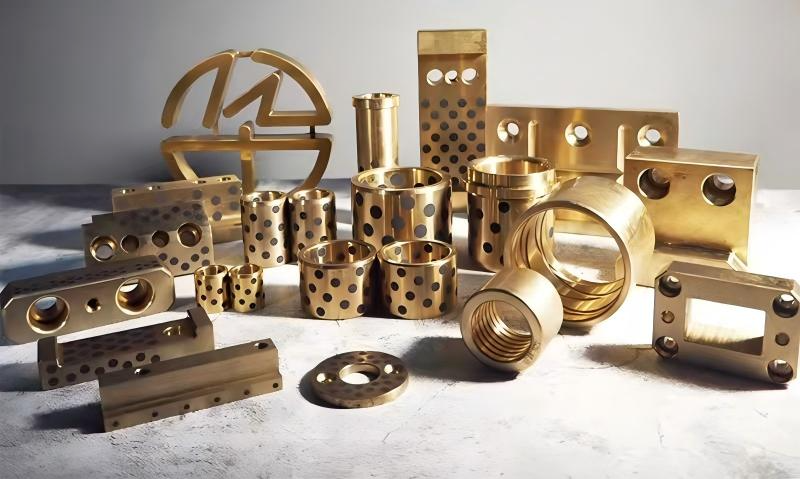
Table of Contents
1. Understanding the SAE 660 / C93200 Benchmark
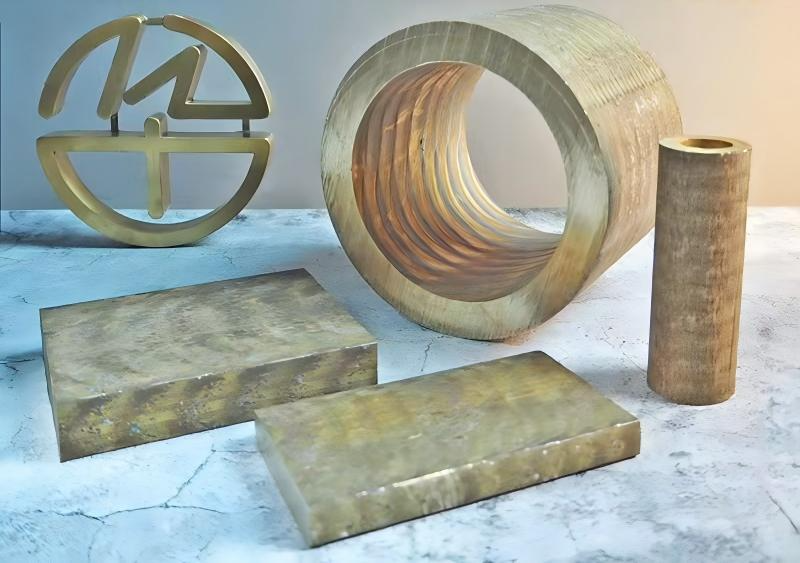
SAE 660 is a high-leaded tin bronze primarily composed of copper (around 83%), tin (7%), lead (7%), and zinc (3%)[citation10]. This specific blend of elements creates a balanced set of properties that have cemented its role as an industry standard for bearing alloys[citation10].
Key Characteristics and Why They Matter:
Excellent Machinability: The lead content provides inherent lubrication during cutting, allowing SAE 660 to be easily machined into precise, complex bushing shapes with tight tolerances. Its machinability rating is often cited as around 70% of free-cutting brass[citation10].
Good Wear Resistance & Low Friction: The tin forms hard intermetallic compounds within the copper matrix, enhancing resistance to adhesive wear and galling. The lead acts as a solid lubricant, especially during start-up or boundary lubrication conditions, contributing to its good anti-friction properties[citation10].
Adequate Strength & Corrosion Resistance: It provides sufficient load-bearing capacity for medium-load applications and offers reasonable resistance to corrosion, including in seawater and brine environments, making it suitable for pumps and marine components[citation10].
The Manufacturing Process Matters:
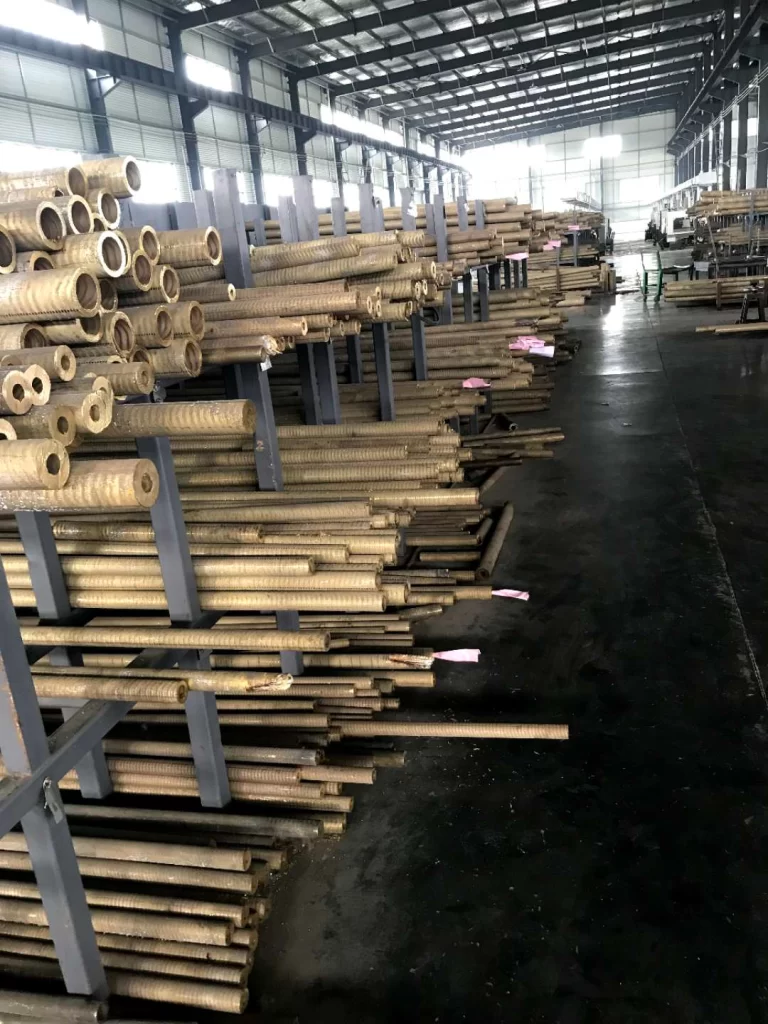
Research indicates that the performance of SAE 660 is significantly influenced by its casting process. A study found that air-cooled samples poured at 950°C yielded the highest hardness and maximum wear resistance[citation2][citation7]. This underscores that consistent, high-quality manufacturing is crucial to achieving the alloy’s textbook properties.
2. Where SAE 660 Bronze Bushings Excel: Classic Applications
Thanks to its balanced properties, SAE 660 is commonly specified for general-purpose, moderately demanding applications where regular lubrication is possible. Typical uses include:
Industrial Machinery: Bushings and thrust washers in pumps, compressors, gearboxes, and hydraulic systems[citation10].
Automotive: Piston pin bushings, connecting rod bearings, and other components in engines and transmissions.
Marine and Offshore: Pump impellers, valve components, and shaft sleeves exposed to seawater[citation10].
Construction & Agricultural Equipment: Various linkage, pivot, and roller bushings under moderate loads and intermittent use.
3. Facing Modern Challenges: The Limitations of Traditional Bronze
While reliable, SAE 660 bushings are not a universal solution. Engineers often face challenges where its traditional characteristics become limitations:
The Lubrication Dependency: SAE 660 performs best with consistent and adequate lubrication. In applications where lubrication is impractical, forgotten, or where contaminants wash away grease, wear can accelerate rapidly, leading to premature failure.
Performance Under Extreme Conditions: In high-load, low-speed, or heavy shock load scenarios—common in mining, steel mills, or heavy earth-moving—the alloy’s strength may be insufficient, leading to deformation or fatigue.
Contamination and Maintenance Costs: The lead phase, while aiding machinability and embeddability, can be vulnerable in highly abrasive environments. Furthermore, the total cost of ownership must account for ongoing maintenance, lubrication schedules, and potential downtime for replacement.
4. The MYWAY Advancement: Beyond Traditional Bronze
This is where innovative material science provides a superior path forward. At MYWAY, we specialize in engineering self-lubricating composite bushings designed to overcome the very challenges that limit traditional bronze.
Our flagship DU/SF-1 series represents a paradigm shift in bushing technology. It is a steel-backed composite material featuring a sintered porous bronze interlayer impregnated with a mixture of PTFE (Polytetrafluoroethylene) and lead[citation8]. This multilayer architecture delivers advantages that go far beyond the capability of solid bronze:
| Feature | SAE 660 Bronze Bushing | MYWAY SF-1 Self-Lubricating Bushing |
|---|---|---|
| Lubrication | Requires external grease/oil | Maintenance-free; PTFE/lead provides embedded lubrication |
| Coefficient of Friction | Low (with lubrication) | Extremely low, even at startup |
| Load Capacity | Good for medium loads | Very high due to steel backing |
| Wear Resistance | Good | Excellent; low friction minimizes wear |
| Corrosion Resistance | Good (material dependent) | Excellent (steel backing can be plated) |
| Application Simplicity | Needs lubrication system & alignment | “Fit and forget”; simplifies design and assembly |
| Performance in Contaminants | Lead phase can embed particles | Excellent resistance; low friction surface resists abrasion |
Why This Matters for Your Design:
Moving to an advanced composite bushing like MYWAY’s DU/SF-1 allows you to:
Eliminate Lubrication Points: Simplify machine design, reduce assembly time, and cut long-term maintenance costs.
Enhance Reliability in Harsh Environments: Perfect for food processing, chemical exposure, dusty mining operations, or cleanrooms where grease is a contaminant.
Handle Higher Loads: The steel backing provides radial strength far exceeding solid bronze, enabling downsizing or performance upgrades.
Solve “Problem” Applications: Effectively address issues of stick-slip in slow-moving linkages, wear in poorly lubricated joints, or failure in high-shock applications.
5. Making the Right Choice: SAE 660 vs. Advanced Composites
Stick with SAE 660 Bronze if:
Your application operates under stable, moderate loads and speeds.
A reliable, routine lubrication schedule is already in place and achievable.
You are replacing a legacy part in a non-critical system with a strict “like-for-like” specification.
Initial unit cost is the primary deciding factor.
Consider Upgrading to MYWAY Self-Lubricating Bushings if:
You aim to eliminate maintenance and reduce the total cost of ownership.
The operating environment is dirty, wet, or corrosive.
The application involves high loads, low speeds, or oscillating movements.
Design simplification and improved reliability are key project goals.
You are designing new equipment and want to leverage the latest material technology for a competitive edge.
FAQ: Understanding Your Bushing Options
Q1: Is SAE 660 the same as “Oilless” bronze?
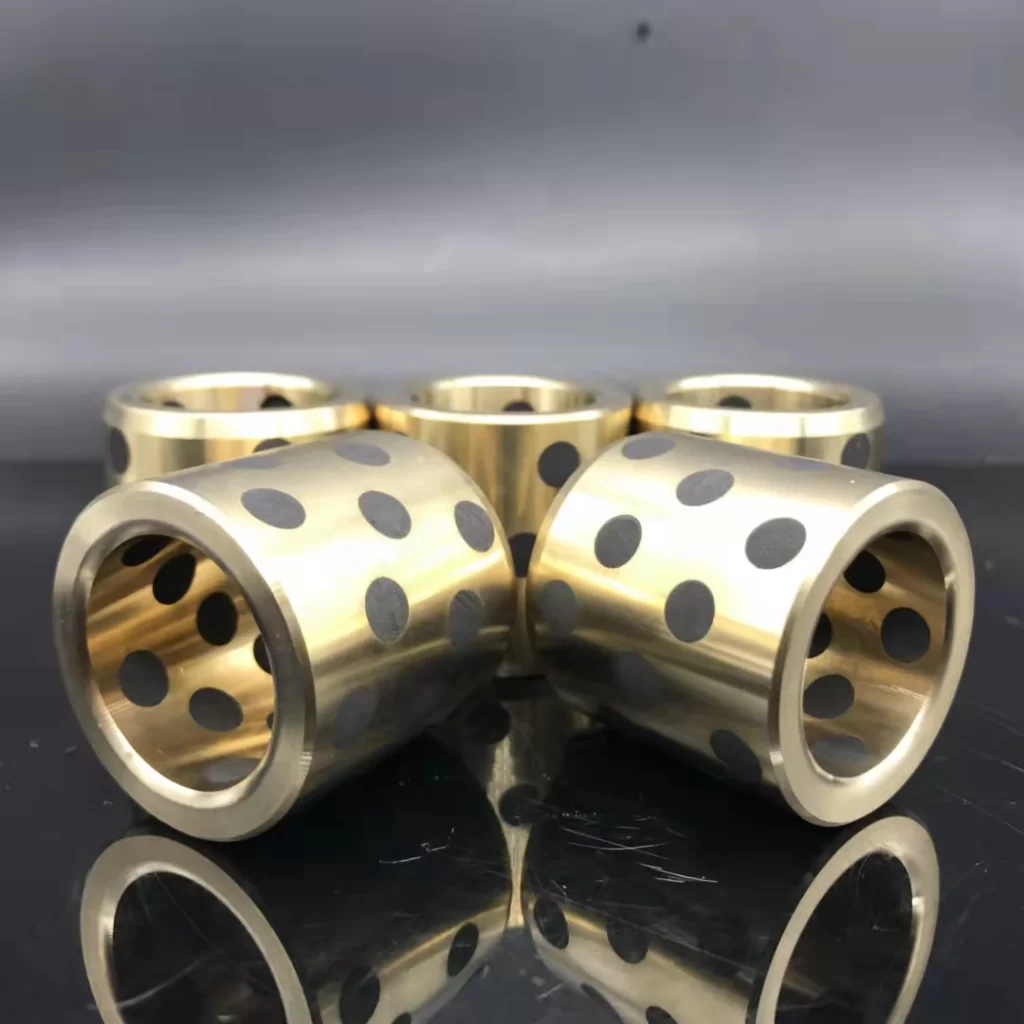
No, this is a common misconception. Standard SAE 660 bronze is not self-lubricating. Some bronze alloys can be manufactured with graphite plugs to provide limited lubricity, but their performance is generally inferior to engineered composite materials like MYWAY’s SF-1, which offer a consistent, low-friction surface across the entire bearing area.
Q2: Can MYWAY produce parts in traditional materials like SAE 660?
Absolutely. As a versatile manufacturer with nearly two decades of experience, MYWAY possesses extensive expertise in producing high-precision bushings from a wide range of materials, including traditional bronzes and brasses. We can provide the right material solution, whether it’s a standard alloy or an advanced composite, to match your specific performance requirements.
Q3: What information do you need to provide a quote or recommendation?
To ensure we recommend the optimal solution, please provide:
Application Details: (e.g., excavator pivot joint, slow-speed conveyor roller)
Load & Motion: (Radial load, axial load, oscillating vs. continuous rotation, speed)
Environmental Conditions: (Presence of dust, water, chemicals, expected temperature range)
Shaft & Housing Details: (Shaft material, hardness, diameter, and housing dimensions)
Current Pain Points: (If replacing a failing part, what is the failure mode? Frequent lubrication? Rapid wear?)
100000+ Types of Bushings – Contact Us for Details