
Recent Posts
Navigating Bushing Import Tax: A Complete Guide to Costs, Codes, and Smart Sourcing
If you’re importing bushings, plain bearings, or any mechanical components, you’ve likely asked yourself: “What exactly will this cost me at customs?” Understanding bushing import tax isn’t just about compliance—it’s a crucial part of your total landed cost, affecting your bottom line and sourcing strategy. This guide breaks down everything you need to know about import duties on bushings, explains the latest regulatory changes, and shows you how to source smarter.
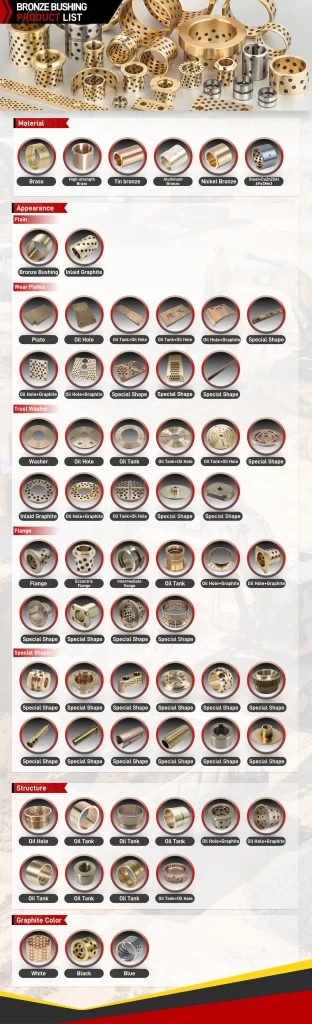
Table of Contents
1. What Is Import Duty (Bushing Import Tax)?
Import duty—often called import tax or customs duty—is a government-imposed charge on goods entering a country. For bushings and bearings, this tax is calculated based on the product’s declared value, its classification code, its country of origin, and various trade policies in effect at the time of import.
Simply put, if you’re buying bushings from overseas, the price you pay the supplier isn’t the final cost. Import duties, along with other fees, will be added before the goods are released to you.
2. Why Import Duty on Bushings Matters
Cost Predictability: Unexpected duties can turn a profitable order into a loss.
Sourcing Decisions: Duty rates can make one country more expensive than another overnight.
Compliance: Misclassifying goods or ignoring duties leads to delays, fines, and seized shipments.
3. The Heart of the Matter: The HS/HTS Code for Bushings
Every product in international trade has a universal passport: the Harmonized System (HS) Code (or Harmonized Tariff Schedule (HTS) code in the U.S.). This code tells customs officials exactly what the item is and determines the applicable duty rate.
For plain bearings and bushings, the primary HS code is 8483.30.
8483.30.00 typically covers “plain shaft bearings” and related housings.
More specific digits may be added by individual countries (like the U.S.) to denote material or precise type.
Getting this code right is non-negotiable. An incorrect code can result in wrong duty payments, customs holds, and legal headaches. Always verify the code for your specific bushing type using official government resources.
4. How Is Bushing Import Tax Calculated? (The Nuts and Bolts)
The total duty on your bushing shipment is rarely a single number. It’s often a stack of multiple tariffs. Here’s the formula businesses need to understand:
Total Import Duty = Base Duty (by HTS) + Additional Tariffs (by origin/material) + Taxes & Fees
Let’s break down the potential layers for importing bushings into the U.S., for example:
Base Commodity Tariff: The standard rate attached to HTS code 8483.30. For the U.S., this is often around 2-4.5%.
Reciprocal or Section 301 Tariffs: These are additional charges based on the country of origin. China is a key example.
As of May 14, 2025, a major change is in effect:
For 90 days, the high reciprocal tariff on many Chinese goods (previously 125%) is reduced to 10%.
However, other tariffs may still apply on top of this.
Section 232 Tariffs: If your bushing is made primarily of steel (25% extra) or aluminum (10% extra), these national security tariffs stack on.
Other Fees: Don’t forget merchandise processing fees (MPF), customs brokerage fees, and domestic taxes like VAT or GST.
Hypothetical Cost Impact:
Imagine importing $10,000 worth of steel bushings from China (HTS 8483.30) after May 14, 2025:
Product Cost: $10,000
Base Duty (4%): $400
Reciprocal Tariff (10%): $1,000
Section 232 Steel Tariff (25%): $2,500
Potential Total Duties: $3,900
Landed Cost Before Shipping & Fees: $13,900
This stacking effect makes accurate calculation essential.
5. Key 2025 Tariff Updates for Bearing & Bushing Importers
Staying current is critical. The regulatory landscape is shifting:
90-Day Window (Effective May 14, 2025): The U.S. has temporarily lowered the high reciprocal tariff on goods from China, Hong Kong, and Macau to 10% for 90 days. This is a significant short-term cost relief.
Complexity Remains: This 10% rate adds to the base duty and Section 232 material tariffs. It is not a replacement.
China’s Response: China has simultaneously lowered its counter-tariffs on U.S. goods, signaling a temporary thaw but also the need for agile planning.
The Takeaway: Use this window to evaluate costs, but build supply chain flexibility for what happens after the 90 days expire.
6. 4 Pro Strategies to Minimize Bushing Import Tax & Total Cost
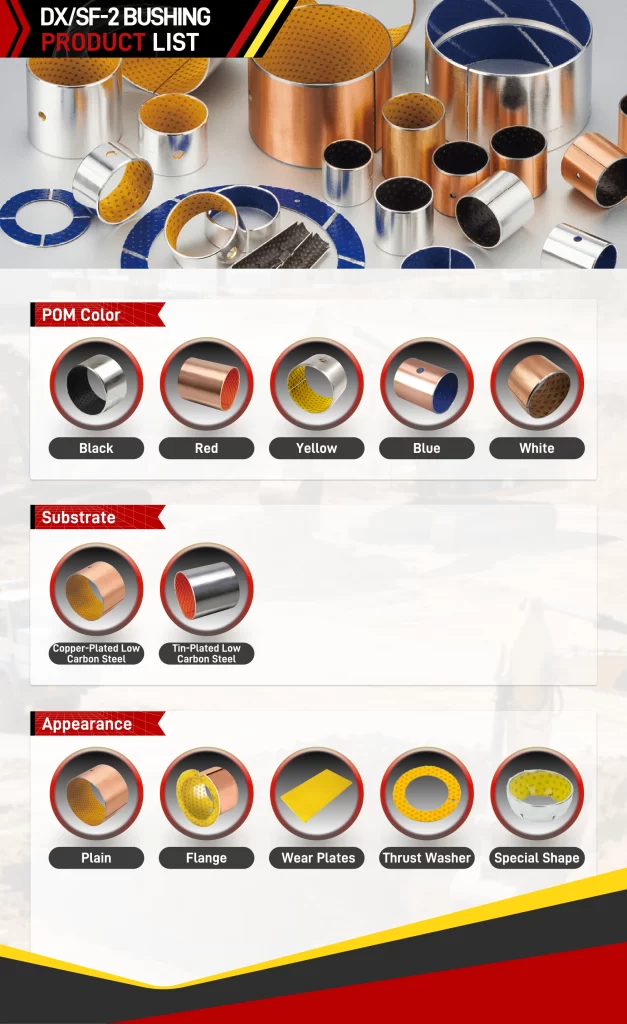
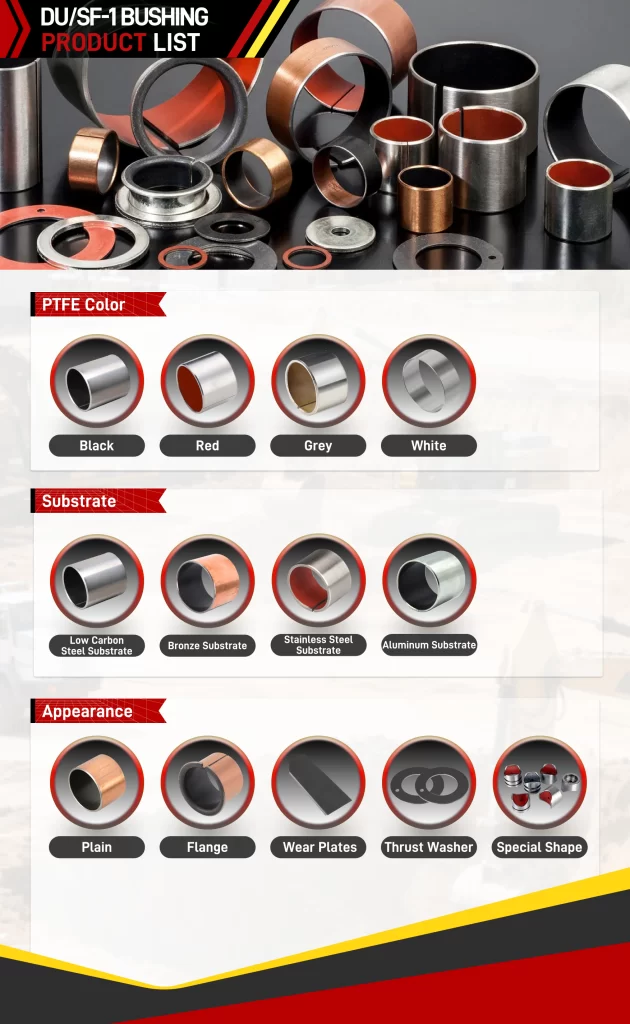
Master Classification: Double-check the HTS code for your specific bushing (self-lubricating, bronze, PTFE-lined, steel-backed, etc.) with the official U.S. International Trade Commission (USITC) website.
Explore Alternative Origins: While China is a manufacturing hub, countries with favorable trade terms (like certain UK or EU nations under a 10% reciprocal rate, or Mexico/Canada under USMCA) may offer better final landed costs.
Value Engineering: Discuss with your supplier if alternative materials or designs (affecting the HTS code or material composition) could achieve the same performance at a lower duty rate.
Partner with a Supplier Who Understands Trade: The easiest way to navigate complexity is to work with a manufacturer who provides full transparency on Country of Origin, HTS codes, and necessary documentation like the Certificate of Origin (CO).
7. Introducing MYWAY Bushings: Your Strategic Sourcing Partner
Navigating import tax is complicated. Sourcing high-quality, reliable bushings shouldn’t be. That’s where MYWAY comes in.
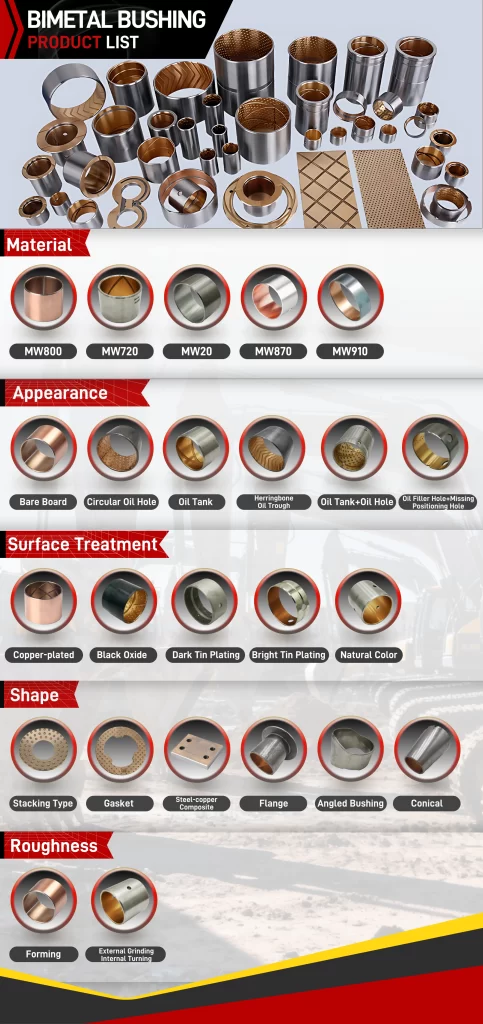
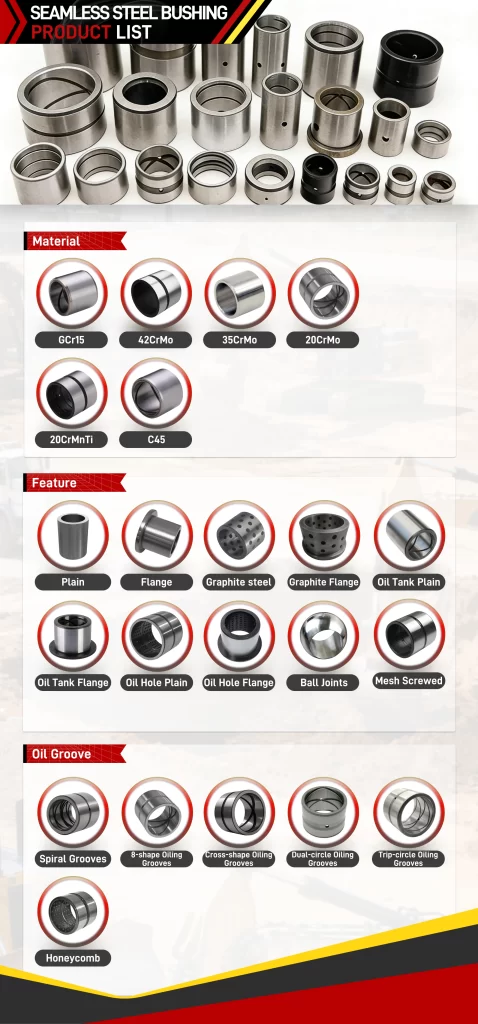
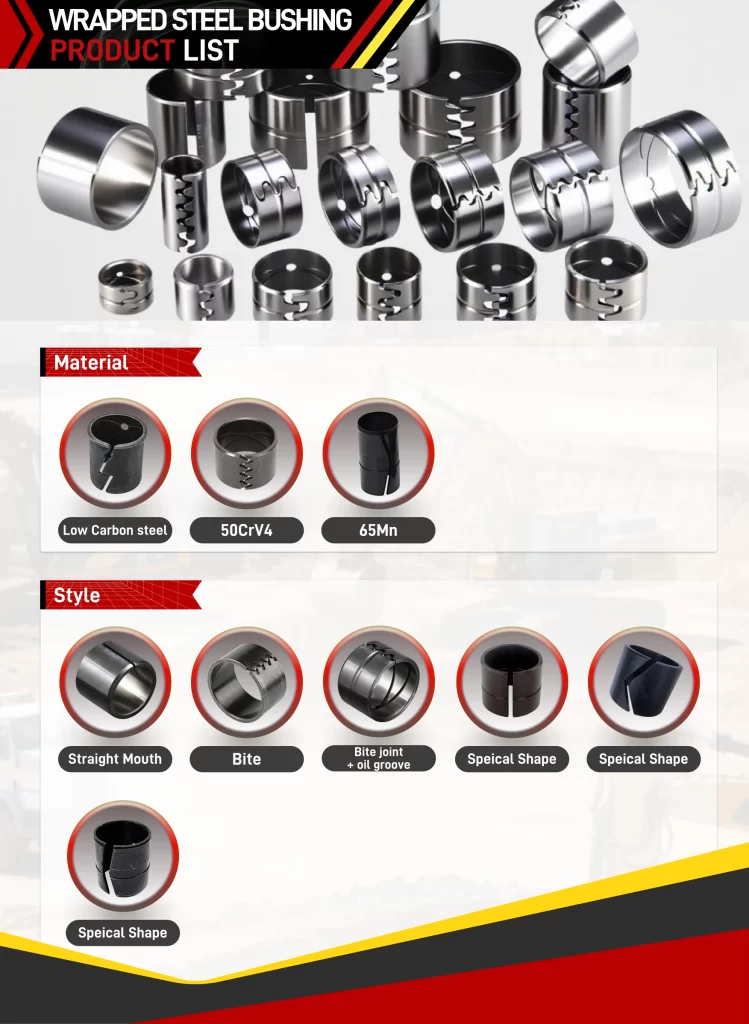
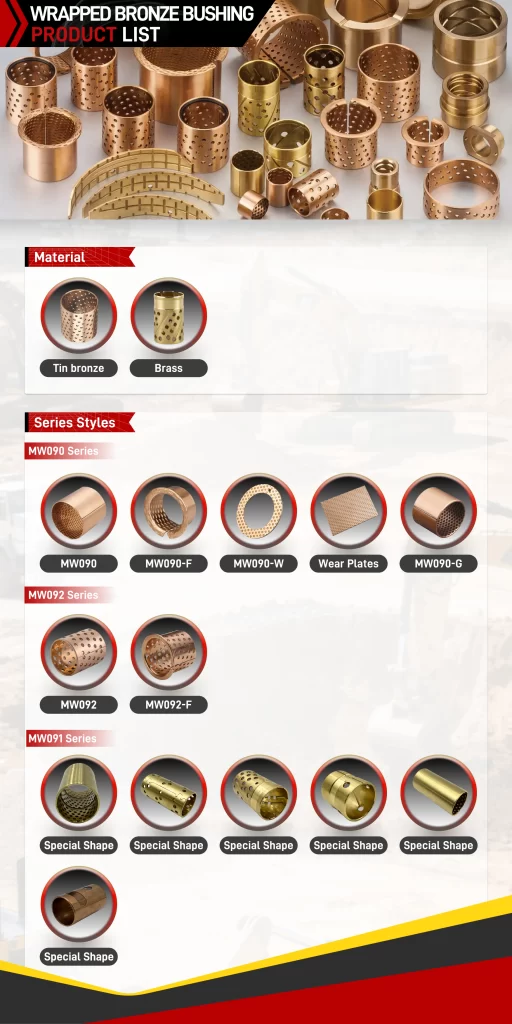
We are a leading manufacturer of precision-engineered self-lubricating bushings, bronze bushings, and custom plain bearings. We help you cut through the complexity of international trade to get the best value, not just the lowest sticker price.
Why Importers Choose MYWAY:
Total Cost Transparency: We provide detailed product information, including accurate HS codes and Country of Origin documentation, so you can calculate your landed costs with confidence.
Engineered for Value & Performance: Our bushings are built to minimize downtime, extend service life, and reduce total operating costs in demanding applications. Superior quality means fewer replacements and lower long-term costs, offsetting initial import expenses.
Competitive Pricing: We strategically price our products to remain highly competitive, helping to balance out the impact of applicable import duties.
Custom Solutions: Need a bushing tailored to your specific dynamic application? Our engineering team specializes in creating custom, high-performance solutions that meet exact technical and budgetary requirements.
Seamless Global Logistics: We are experts in shipping worldwide, ensuring on-time delivery and proper documentation for smooth customs clearance.
Let MYWAY be your guide—not just your supplier. We help you turn the challenge of import taxes into a calculated advantage.
8. Ready to Optimize Your Bushing Sourcing?
Don’t let import tax uncertainty dictate your supply chain decisions. Understanding the costs is the first step; partnering with the right supplier is the final, most crucial one.
Get a personalized, no-obligation quote from MYWAY today. We’ll provide:
A competitive price for your required bushing solution.
Clear information on HTS code and Country of Origin.
Expert insight into the total landed cost for your destination.
Contact us now to discover how MYWAY’s durable, high-performance bushings and intelligent sourcing partnership can extend service life, reduce downtime, and deliver true value—duties included.
FAQ: Bushing Import Tax & Sourcing
Q1: What is the HS code for plain bearing bushings?
A: The general HS code is 8483.30 for plain shaft bearings. Specific subtypes may have extended codes. Always verify the full code for your product.
Q2: How can I reduce import duties on bushings from China?
A: 1) Ensure correct HTS classification to avoid overpaying. 2) Analyze if the 90-day tariff window (effective May 2025) applies to your order. 3) Consult with your supplier (like MYWAY) about material or design options that might carry lower duty rates. 4) Consider consolidating orders for economies of scale.
Q3: Who pays the import duty?
A: Legally, the importer of record (usually the buyer) is responsible. Shipping terms like DDP (Delivered Duty Paid) mean the seller arranges and pays duties, while DDU (Delivered Duty Unpaid) means the buyer pays upon arrival.
Q4: Are small bushing samples subject to duty?
A: Often, yes. The U.S. has largely suspended the de minimis duty-free threshold for shipments from China. Even small packages may incur duties.
Q5: Why choose MYWAY over other bushing manufacturers?
A: MYWAY combines manufacturing excellence with trade expertise. We don’t just sell you a component; we provide a reliable, cost-predictable supply chain solution. Our focus on quality, customization, and full transparency on codes and origin makes importing simpler and more profitable for our clients.
Q6: Can MYWAY help with customs documentation?
A: Yes. We provide all necessary commercial documents, including a detailed Commercial Invoice, Packing List, and Certificate of Origin, which are essential for accurate customs declaration.
100000+ Types of Bushings – Contact Us for Details