Recent Posts
Get A Quick Quote

Common Wear Plate Materials, Performance Features and Industrial Application

Introduction 
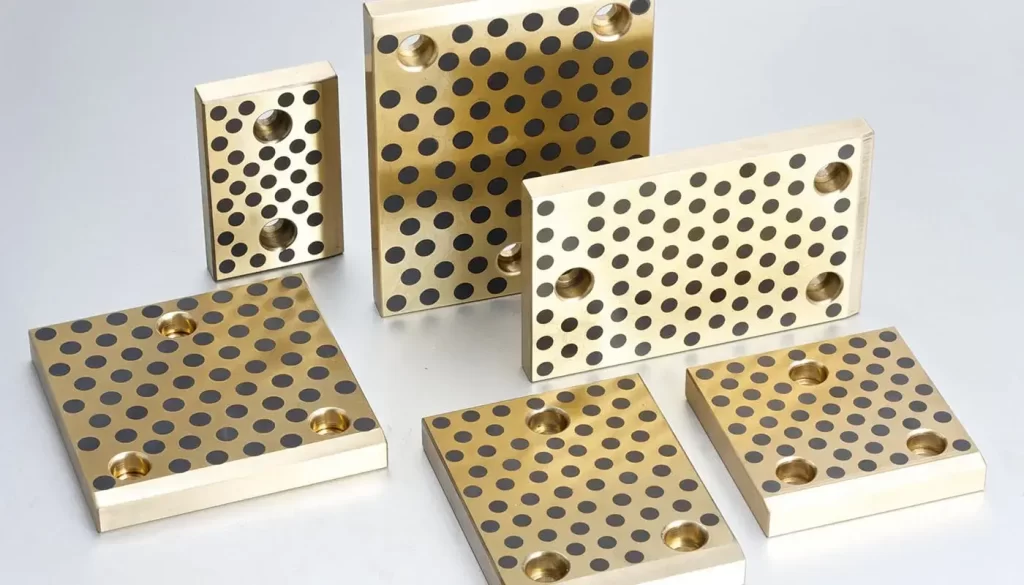
In heavy industries such as mining, construction and metallurgy, equipment surface wear, impact damage, erosion and corrosion are key pain points affecting operation and maintenance. Friction from raw materials accelerates metal wear, causing frequent failures, production downtime, higher replacement costs and lower efficiency.
Choosing suitable wear plate materials is the most cost-effective wear protection solution. Hardness, toughness, impact resistance and other properties directly determine the service life of accessories. This article sorts out mainstream wear plate materials, their performance, applicable scenarios and selection principles, and recommends MYWAY custom wear-resistant bushings to help buyers build an anti-wear system, reduce costs and extend equipment life.
Common Wear Plate Materials, Performance Features and Industrial Application

Table of Contents

1. Basic Introduction & Core Function of Wear Plate

Wear plate, also named abrasion resistant plate, steel liner or wear liner, is a kind of special anti-wear component made of alloy steel, composite metal, cast iron or non-metallic high molecular materials. It is installed on the vulnerable contact surface of mechanical equipment as a sacrificial protective layer.
 
The core functions of wear plates cover four key points: anti-abrasion, anti-impact, anti-erosion and anti-corrosion. Instead of replacing expensive overall mechanical parts, enterprises only need to replace low-cost, easy-to-disassemble wear plates, which greatly saves later maintenance expenses.
 
Wear-resistant liners are widely used in chutes, hoppers, crusher inner walls, excavator buckets, conveyor transfer points, mill liners and metallurgical production lines. Stable wear plate material performance is the basic guarantee for continuous and stable operation of heavy industry equipment. Common high-frequency search terms in this industry: industrial wear liner, heavy duty wear plate, anti-abrasion steel plate, machinery wear protection parts.

2. Mainstream Metal Wear Plate Material Classification & Performance

Metal wear-resistant materials occupy the main market share of the industry, with strong structural strength and mechanical stability, suitable for most heavy-load and high-strength working environments.
2.1 Quenched & Tempered AR Steel Plate
AR series abrasion resistant steel is the most widely used basic wear plate material on the market, including AR400, AR500, AR600 and domestic NM400/NM500 models. After integral quenching and tempering treatment, it balances high hardness and mechanical toughness, with good bending, welding and cutting processing performance.
  • AR400: Moderate hardness, strong toughness, suitable for light and medium abrasion working conditions
  • AR500: Balanced wear resistance and impact resistance, universal for mining and construction machinery
  • AR600: Ultra-high hardness, for severe fine particle abrasion with weak impact
2.2 Chromium Carbide Overlay CCO Wear Plate
CCO bimetallic wear plate is composed of low carbon steel base and high chromium carbide overlay layer. The base layer absorbs strong impact force, and the surface alloy layer provides super wear resistance. Its service life is 3-6 times that of ordinary AR steel plate, which is a preferred material for severe abrasion working conditions such as coal washing plants, cement factories and steel slag transportation.
2.3 High Chromium White Iron Wear Plate
White iron material has ultra-high surface hardness and excellent anti-grinding performance, mostly produced by integral casting process. It is often used in heavy-duty crushers, ball mill liners and large storage hoppers. The disadvantage is poor toughness, easy to crack under frequent strong impact, and limited secondary processing performance.
2.4 Hardfacing Alloy Composite Wear Material
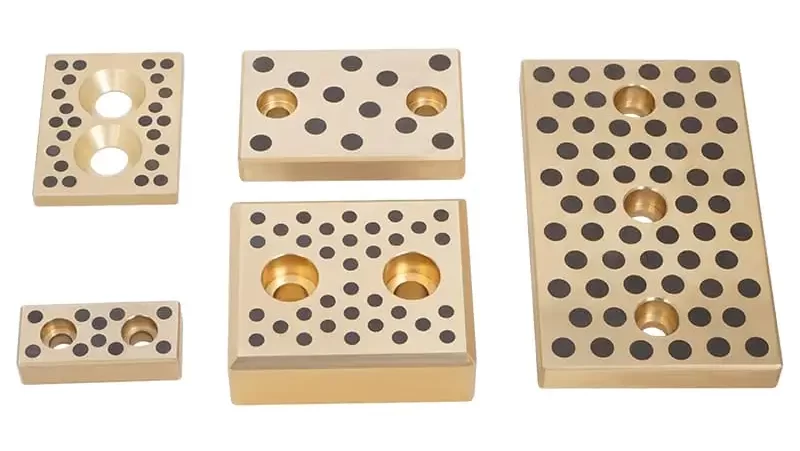
Chromium tungsten alloy, high chromium hardfacing alloy and surfacing composite materials are mostly used for local reinforcement and repair of wear parts. Through welding and surfacing technology, high-hardness alloy layers are formed on the surface of ordinary steel, which is flexible and adaptable, and commonly used for on-site rapid maintenance of engineering machinery.
Common Wear Plate Materials, Performance Features and Industrial Application

3. Non-Metallic & Composite Wear Plate Material Features

In recent years, with the upgrading of environmental protection, low noise and anti-corrosion demand, non-metallic wear plates and new composite materials have been more and more widely used in segmented working conditions.
3.1 UHMWPE & PTFE Engineering Plastic Plate
Ultra-high molecular weight polyethylene and polytetrafluoroethylene materials have ultra-low friction coefficient, self-lubricating performance, anti-sticking and anti-corrosion advantages. They are suitable for humid environment, sticky material transportation, food processing and low-noise production workshops, and can effectively reduce material adhesion and sliding wear.
3.2 Ceramic Composite Wear Plate
Alumina ceramic and zirconia ceramic wear plates have extreme wear resistance and high temperature resistance, lightweight and acid and alkali corrosion resistance. They are mostly used for fine powder transportation, dust removal equipment and high-speed conveyor systems. The shortcoming is obvious brittleness, not suitable for heavy impact scenes.
3.3 Multi-Layer Composite Wear Plate
Iron-based carbide composite, rubber metal composite and other integrated materials break the performance limitation of single material, and realize the dual advantages of impact resistance and wear resistance. It is a new type of high-efficiency wear-resistant material for complex working conditions.
Common Wear Plate Materials, Performance Features and Industrial Application

4. Key Factors Affecting Wear Plate Material Selection

There is no universal best wear plate material in the industry, only the most suitable material for working conditions. When purchasing and selecting, buyers need to comprehensively judge the following core factors:
  1. Wear type: Distinguish abrasive wear, impact wear, erosion wear and chemical corrosion wear
  2. Working condition strength: Light load, medium load, heavy load and extreme heavy duty environment
  3. Processing demand: Whether on-site welding, bending, cutting and drilling are required
  4. Environmental factors: High temperature, humidity, acid-base corrosion, outdoor rain and snow exposure
  5. Budget control: Initial procurement cost and long-term service life cost accounting
  6. Installation mode: Bolt fixed, welding fixed, embedded installation and integral casting

5. Common Industrial Application Scenarios of Wear Plate Materials

Different industries have completely different wear characteristics, and the matching wear plate materials are also different:
  • Mining & Quarrying: AR500 steel plate + CCO overlay plate, used for crushers, ore chutes and excavator accessories
  • Construction Machinery: AR400/AR500 wear-resistant steel, applied to loaders, bulldozers and mixing equipment
  • Metallurgy & Steel Industry: White iron plate and high temperature resistant CCO plate, resistant to high temperature slag and metal erosion
  • Agricultural Machinery: UHMWPE plastic plate and thin AR steel plate, anti-soil abrasion and crop friction
  • Bulk Logistics Conveying: Non-metallic composite plate, reduce noise and prevent material sticking and blocking
Common Wear Plate Materials, Performance Features and Industrial Application

6. Daily Operation Pain Points of Traditional Wear-Resistant Accessories

Many factories only pay attention to the quality of wear plate materials, but ignore the wear protection of rotating and hinged parts, resulting in partial component damage affecting the overall equipment operation.

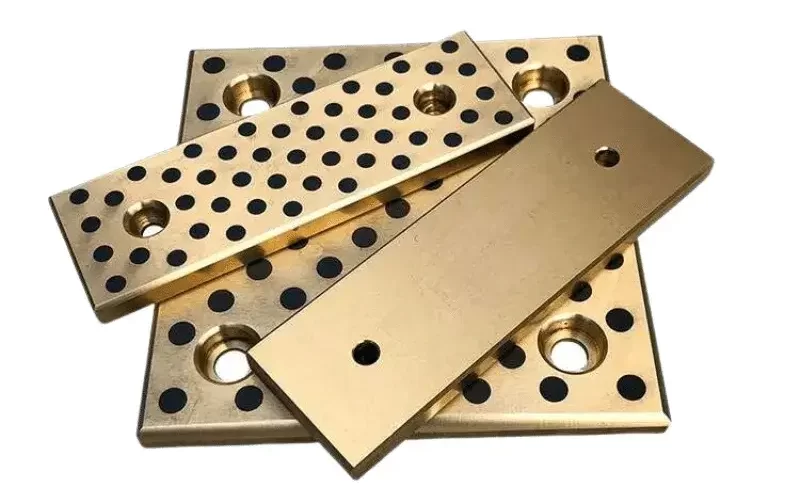
Traditional ordinary iron sleeves and thin-walled shaft sleeves have low hardness, poor self-lubricating ability, easy oxidation and wear, frequent jamming and noise in long-term operation, which become hidden dangers of equipment failure.

A complete set of industrial anti-wear solutions must combine surface wear plates and rotating shaft bushing parts to realize full-component protection and avoid single-point wear failure.

7. Advantage Introduction: High Durability MYWAY Wear-Resistant Bushing

MYWAY is a professional industrial wear parts manufacturer focusing on the R&D, production and customization of wear-resistant bushings, flanged bushings, self-lubricating shaft sleeves and bearing accessories, serving global industrial customers for a long time.

Combined with the actual matching needs of wear plate equipment, MYWAY bushings have the following core advantages:

  1. Diversified material options: carbon steel, alloy steel, copper alloy, PTFE composite lining, self-lubricating formula
  2. High wear resistance and pressure resistance: matched with high-strength wear plate materials, stable performance in heavy load
  3. Free customization service: support non-standard size, outer diameter, inner hole, length and surface treatment customization
  4. Cost-effective wholesale: factory direct sales, short delivery cycle, support OEM and bulk order
  5. Wide industry adaptability: perfectly matched with mining, construction, agricultural and mechanical wear equipment
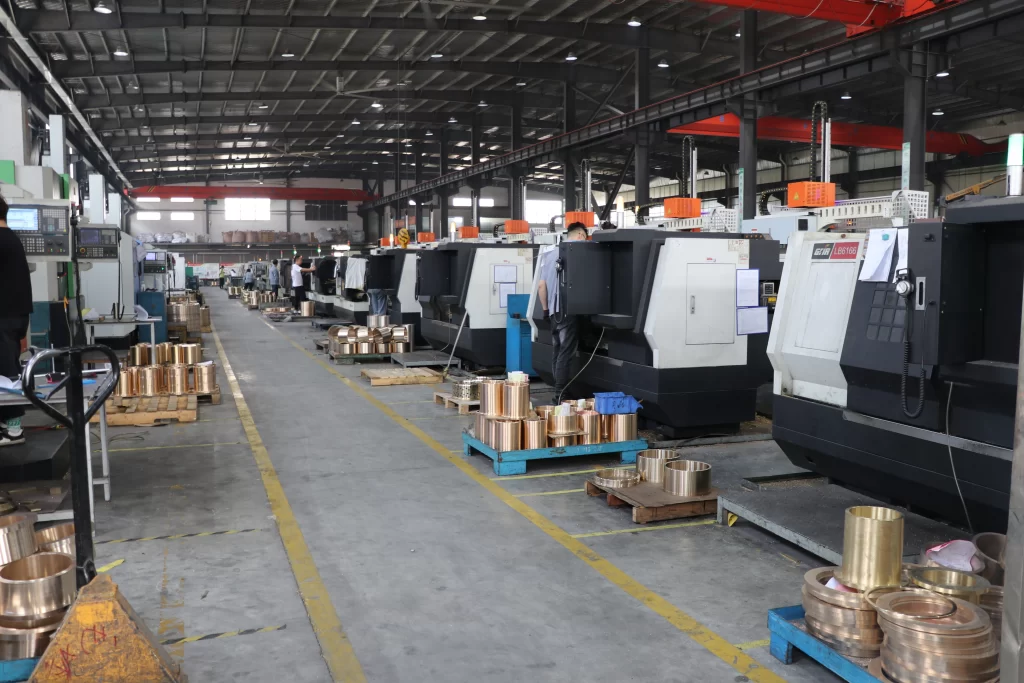
China Bushing Suppliers: Sourcing Self-Lubricating, Bimetallic & Custom Bearings in 2026

8. Why Choose Wear Plate + MYWAY Bushing Matching Solution

  • Full-range anti-wear: Wear plates protect flat contact surfaces, and MYWAY bushings protect rotating pins, hinge joints and shaft connection parts
  • Reduce maintenance frequency: Synchronous extension of the service life of wearing parts, reduce repeated replacement and shutdown loss
  • Strong environmental adaptability: Anti-corrosion, high temperature resistance and dust-proof design, suitable for harsh working conditions
  • One-stop procurement: Cooperate with MYWAY to obtain wear-resistant plates supporting accessories, simplify the supply chain
  • Professional technical support: Provide working condition material selection guidance to help customers optimize procurement plans

FAQ

Q1: What is the most widely used wear plate material in heavy industry?

A1: AR500 quenched and tempered wear-resistant steel is the most mainstream option, with balanced cost, processing performance and anti-wear ability.

Q2: What is the difference between CCO plate and ordinary AR steel wear plate?

A2: CCO chromium carbide overlay plate has stronger anti-abrasion ability, longer service life, but poor bending performance and higher price.

Q3: Which wear plate material is suitable for wet and corrosive working conditions?

A3: UHMWPE plastic plate, PTFE composite material or anti-corrosion alloy wear plate are the best choices.

Q4: Is white iron wear plate suitable for frequent impact working scenes?

A4: No, white iron is hard and brittle, easy to crack under strong impact, recommended for single abrasive wear.

Q5: Can wear plate materials be customized in thickness and size?

A5: Yes, most industrial wear plates support cutting, slitting and customized processing according to equipment drawings.

Q6: Do rotating mechanical parts need special anti-wear protection?

A6: Definitely. Hinges and pin shafts need high-quality wear-resistant bushings to avoid shaft wear and jamming.

Q7: What are the advantages of MYWAY self-lubricating bushings?

A7: Low friction, no frequent oiling, anti-oxidation and anti-wear, adapting to long-term continuous operation.

Q8: Can MYWAY provide OEM custom bushing service for engineering machinery?

A8: Yes, we offer one-stop OEM, ODM drawing customization and sample processing services.

Q9: Which industries are MYWAY wear-resistant parts mainly exported to?

A9: Widely exported to Southeast Asia, Europe, Africa, South America and other industrial countries, supporting mechanical supporting procurement.

Q10: How to get a fast quote for wear plate accessories and MYWAY bushings?

A10: Send your working condition parameters, size requirements and quantity demand to our official email or WhatsApp, and we will reply within 24 hours.
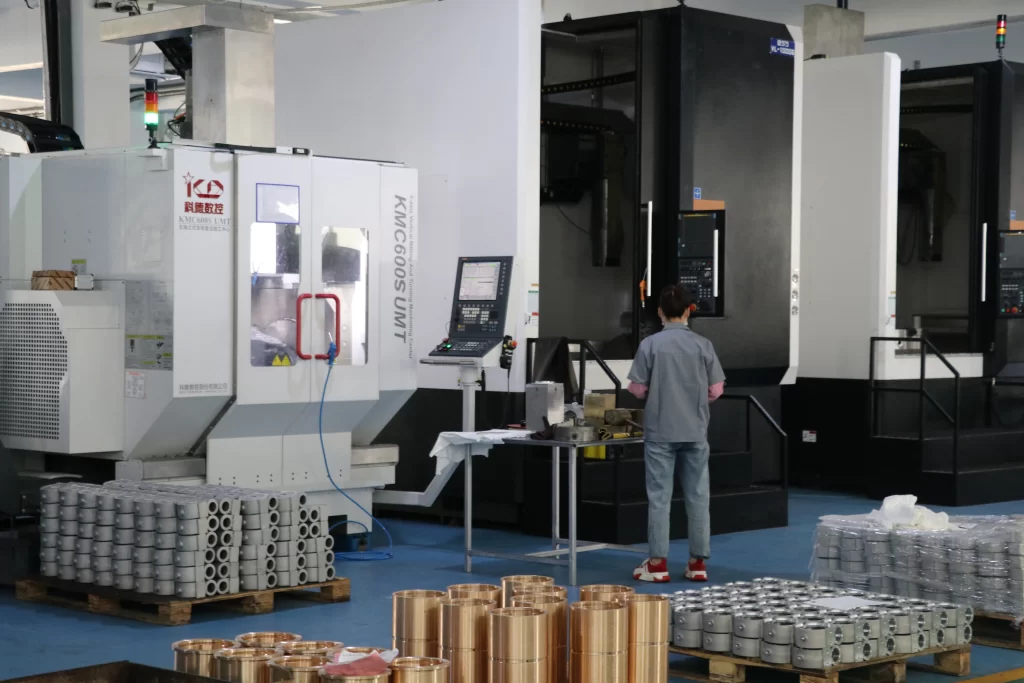
MYWAY Bronze & Brass: The Ultimate Guide to Copper Alloys & High-Performance Bushings
Conclusion
The rational selection of wear plate material is a key link for industrial enterprises to control operating costs and improve production efficiency. From universal AR wear-resistant steel, high-performance CCO composite plate, cast white iron to new non-metallic anti-corrosion plates, different materials can solve diversified wear problems in various working conditions.
 
In the daily operation of heavy equipment, only relying on single surface wear plates cannot completely eliminate mechanical wear risks. The matching use of high-quality MYWAY wear-resistant bushings can form a closed-loop anti-wear system for the whole machine, effectively solving the wear problem of shaft pins and hinge parts.
 
MYWAY focuses on the production and export of high-precision, high wear-resistant industrial bushings, with mature production technology and perfect customized service. We welcome global machinery manufacturers, engineering and mining contractors, and equipment maintenance suppliers to consult and inquire. Get professional material selection suggestions, free samples and favorable wholesale prices, choose MYWAY to create long-term stable protection for your mechanical equipment.
 

100000+ Types of Bushings – Contact Us for Details

Scroll to Top

Get Your Free Quote

We’ll contact you shortly.