Centrifugal Casting

Self-Lubricating Bushings: The Maintenance-Free Solution for Demanding Industrial Applications
Interpretation of Bushing Knowledge

Metallurgical Engineering Essentials: The Definitive Technical Resource on Heavy-Duty Machinery Bushings

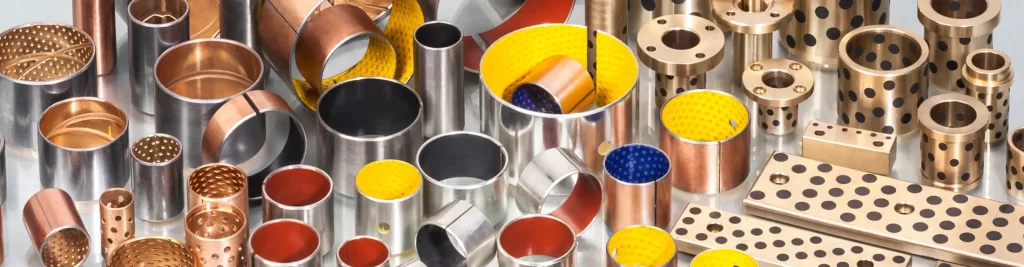
In the demanding environment of modern heavy industries—including mining, construction, material handling, and steel metallurgy—mechanical pivot joints are subjected to relentless combined stresses. High static and dynamic loads, continuous abrasive friction, severe and harsh environmental contaminants create an extraordinarily challenging operating matrix for critical wear components. Within this context, the heavy-duty machinery bushing (commonly referred to as track bushings, excavator bucket bushings, suspension bushings, or sleeve in metallurgical equipment) plays an indispensable role as the primary load-bearing and motion-guiding interface.
MYWAY Metal Bushing: High-Performance Wear Solutions for Heavy-Duty Machinery
Interpretation of Bushing Knowledge

Thermal Metallurgy in Motion: The Critical Role of Alloy Melting Behavior in Bushing Performance and Reliability

In the demanding environments of heavy industry, the melting characteristics of metallic alloys serve as the fundamental determinant of component longevity. While operational temperatures never intentionally approach the melting threshold, the margin between standard operating conditions and the solidus point of an alloy defines the safety buffer against thermal degradation, friction-induced heat spikes, and catastrophic failure. This principle carries particular significance in the metallurgy sector, where rolling mills, casting equipment, and extrusion presses subject bearings and bushings to extreme loads, elevated temperatures, and continuous operation.

Bronze Gears: The Engineering Backbone of Heavy-Duty Power Transmission
Interpretation of Bushing Knowledge

Bronze Gears: The Engineering Backbone of Heavy-Duty Power Transmission

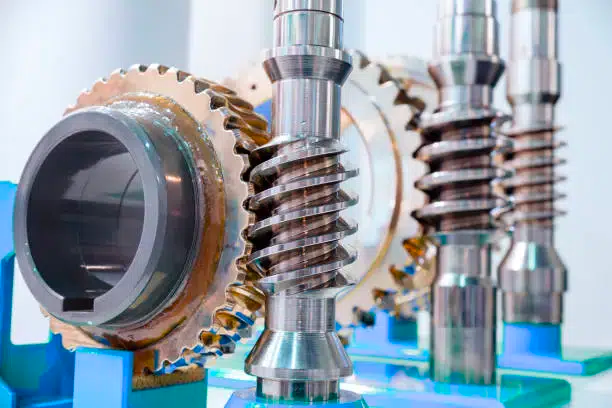
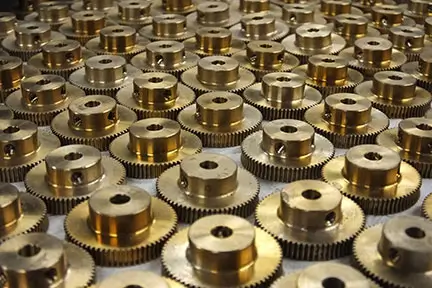
Bronze gears represent one of the most enduring and reliable solutions in mechanical power transmission. While steel gears dominate high-speed, high-load applications, bronze gears occupy a critical niche where low friction, corrosion resistance, and exceptional wear characteristics are paramount. From marine propulsion systems to aerospace landing gear assemblies, bronze gears continue to prove their value across industries that demand uncompromising performance in challenging environments.

Bronze vs. Brass: A Comprehensive Technical Comparison for Industrial Bushing Applications
Interpretation of Bushing Knowledge

Bronze vs. Brass: A Comprehensive Technical Comparison for Industrial Bushing Applications

Bronze and brass represent two of the most widely utilized copper-based alloy families in industrial manufacturing. Despite their visual similarities and shared copper foundation, these materials exhibit fundamentally distinct metallurgical characteristics that dictate their suitability for specific engineering applications. For procurement engineers, maintenance managers, and design professionals engaged in bushing and bearing selection, understanding the nuanced differences between bronze and brass is not merely an academic exercise—it is a critical determinant of equipment reliability, operational longevity, and total cost of ownership.

The Definitive Guide to Bronze Material: Composition, Properties, and Industrial Applications
Interpretation of Bushing Knowledge

The Definitive Guide to Bronze Material: Composition, Properties, and Industrial Applications

The global sliding bearing market, valued at USD 1.41 billion in 2025, is projected to expand at a CAGR of 6.7% to reach USD 2.53 billion by 2034. Within this growing landscape, bronze material remains the cornerstone of high-performance bearing and bushing engineering. Engineers and procurement specialists who comprehend the technical nuances of bronze alloys gain a decisive advantage in specifying components that maximize operational longevity while minimizing total cost of ownership.

Casting Bush: Cast Bronze & Brass Bushings for Industrial Applications
Interpretation of Bushing Knowledge

Casting Bush: Cast Bronze & Brass Bushings for Industrial Applications

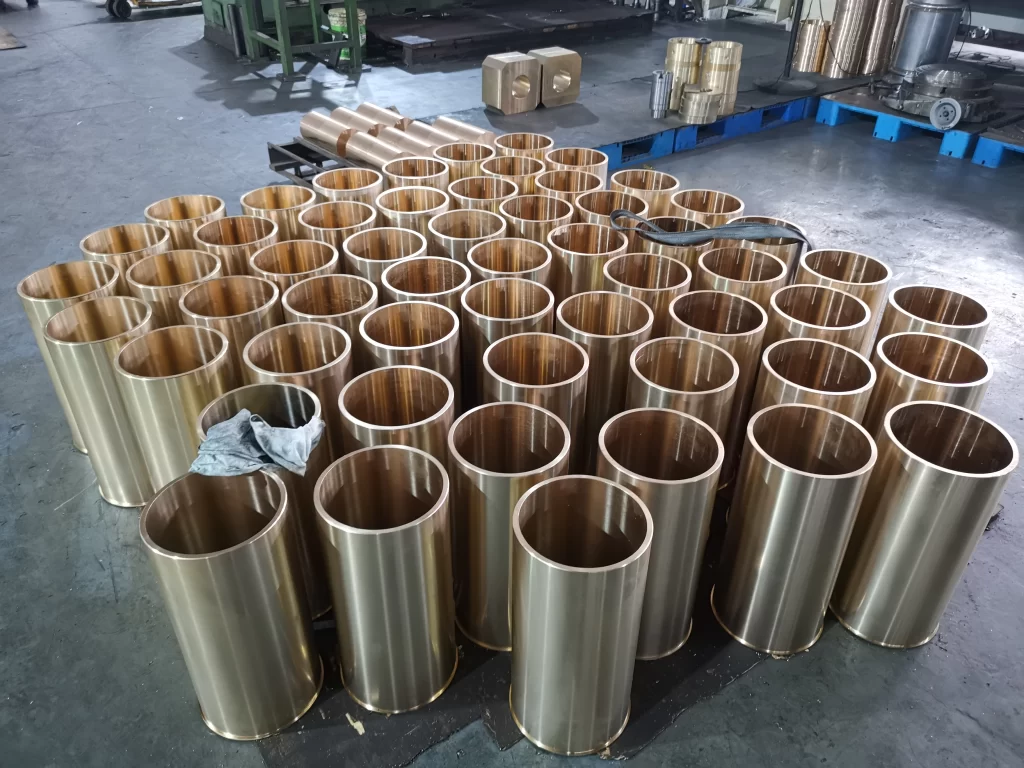
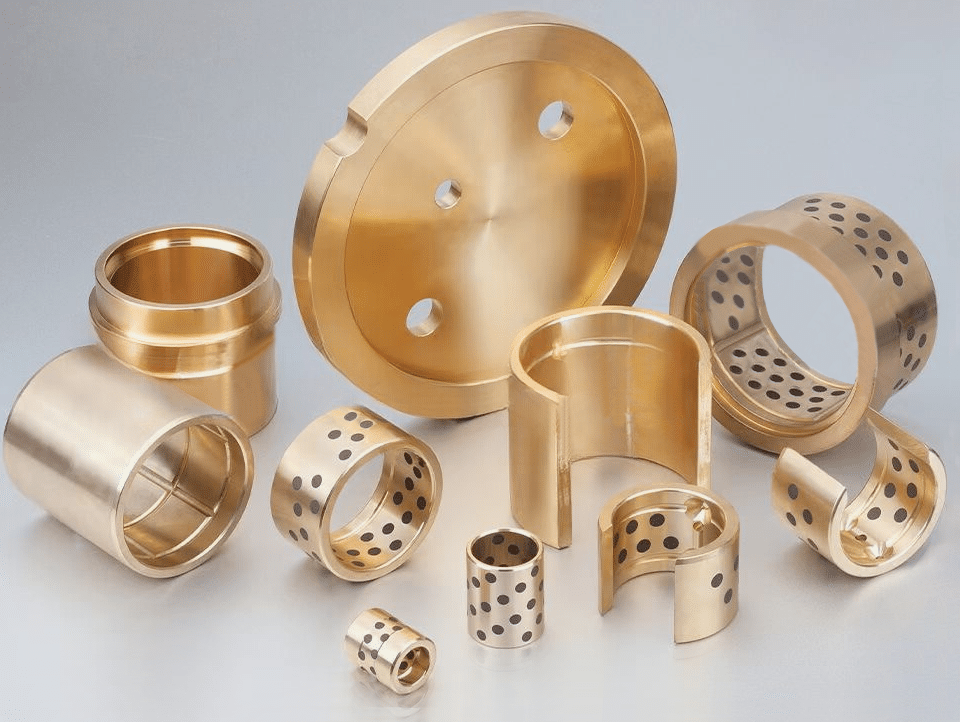
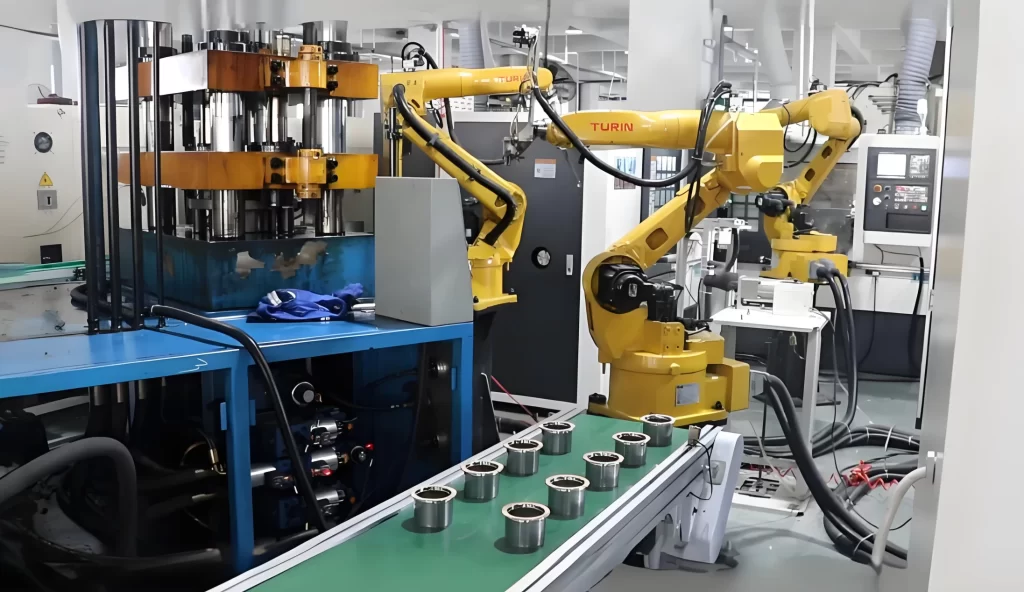
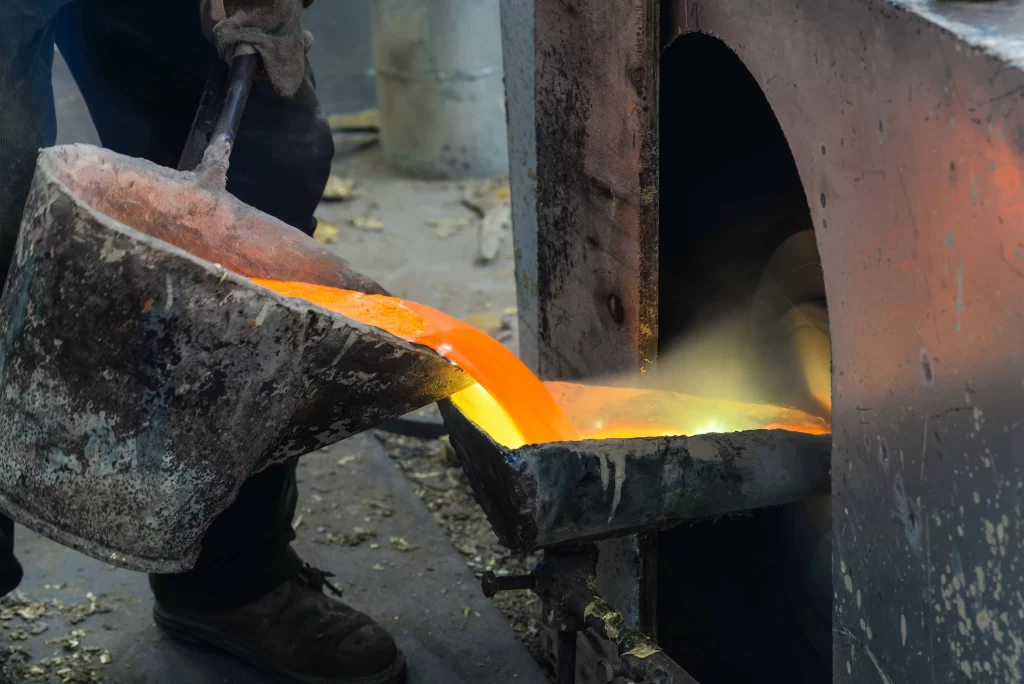
In the world of industrial machinery, there’s a quiet workhorse that keeps countless machines running smoothly—casting bush. You might not notice it at first glance, but this small, cylindrical component plays a critical role in reducing friction, supporting heavy loads, and extending the service life of everything from tiny precision instruments to massive industrial equipment. Made primarily through centrifugal casting with copper-based alloys like bronze and brass, casting bushes (also known as cast bronze bushings, centrifugal casting bushes, or plain casting bearings) are versatile, durable, and essential for nearly every industry. This blog will break down everything you need to know about casting bushes—from how they’re made and what materials they use, to where they’re applied and why they’re superior to other bearing solutions. We’ll also share insights on choosing the right casting bush for your needs and introduce a reliable supplier, MYWAY, to help you get the best performance for your equipment.

The Sound of Metal: Why Casting Defines a Great Bushing
Bronze Bushing

The Sound of Metal: Why Casting Defines a Great Bushing

Walk through any heavy industrial plant—a steel mill, a mining operation, a working port—and you’ll hear it. Buried beneath the roar of engines and the clank of conveyors, there’s a deeper, more rhythmic sound. It’s the sound of metal meeting metal, of brute force channeled into precision movement. At the heart of that sound, quite often, is a simple component doing an impossibly hard job: a bushing.

Scroll to Top