corrosion resistance

Self-Lubricating Bushings: The Maintenance-Free Solution for Demanding Industrial Applications
Interpretation of Bushing Knowledge

Metallurgical Advancements and Industrial Applications of Composite Bearing Systems

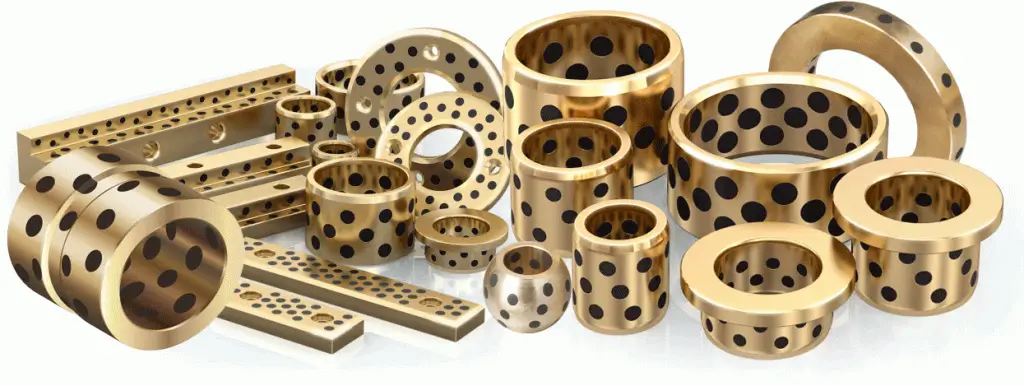
The evolution of bearing technology has witnessed a paradigm shift from monolithic metallic alloys toward engineered composite systems that synergistically integrate material properties to meet increasingly demanding operational requirements. Composite bearings, defined as multi-material engineered structures combining a bearing lining with a structurally robust backing, represent a sophisticated metallurgical solution addressing the inherent trade-off between surface compatibility and load-bearing capacity . These advanced tribological components have become indispensable across aerospace, automotive, marine, construction, mining, and energy processing sectors, driven by their exceptional corrosion resistance, self-lubricating capabilities, and significant weight reduction advantages over conventional metallic bearings
MYWAY Metal Bushing: High-Performance Wear Solutions for Heavy-Duty Machinery
Interpretation of Bushing Knowledge

Thermal Metallurgy in Motion: The Critical Role of Alloy Melting Behavior in Bushing Performance and Reliability

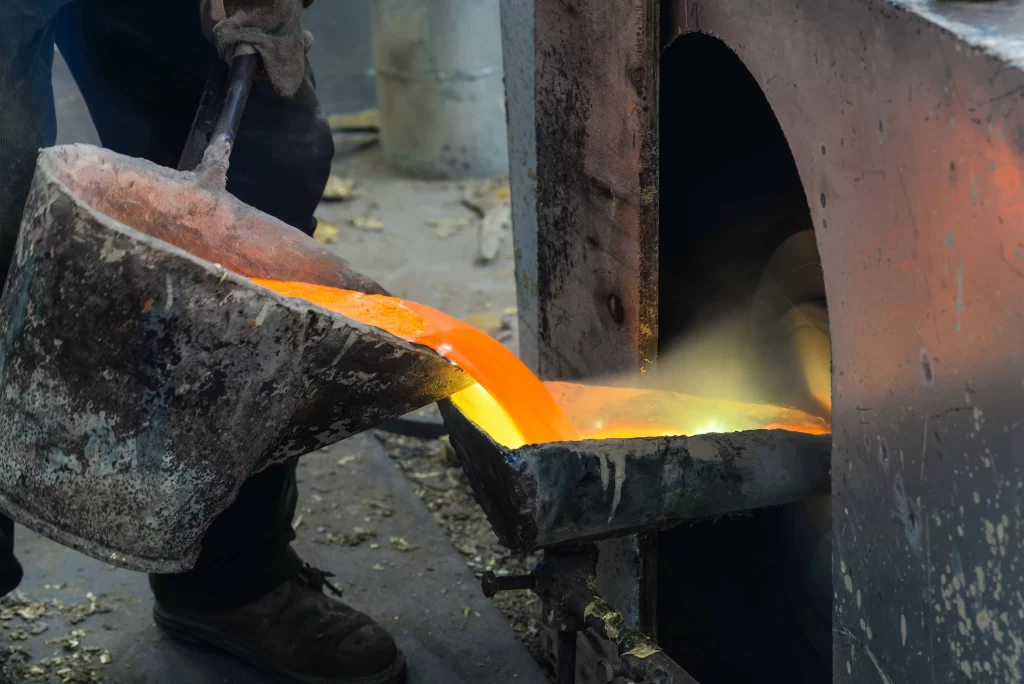
In the demanding environments of heavy industry, the melting characteristics of metallic alloys serve as the fundamental determinant of component longevity. While operational temperatures never intentionally approach the melting threshold, the margin between standard operating conditions and the solidus point of an alloy defines the safety buffer against thermal degradation, friction-induced heat spikes, and catastrophic failure. This principle carries particular significance in the metallurgy sector, where rolling mills, casting equipment, and extrusion presses subject bearings and bushings to extreme loads, elevated temperatures, and continuous operation.

Graphite Dry Bushings: The Complete Guide to Self-Lubricating Bearing Technology
Interpretation of Bushing Knowledge

Bronze Components: The Engineering Backbone of Modern Industry

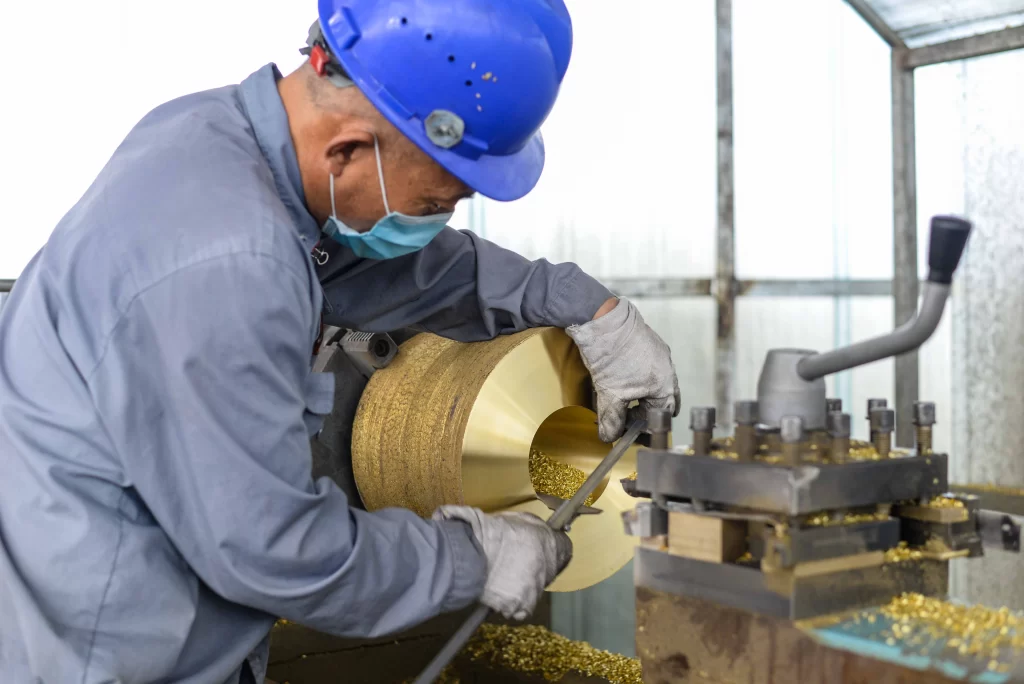
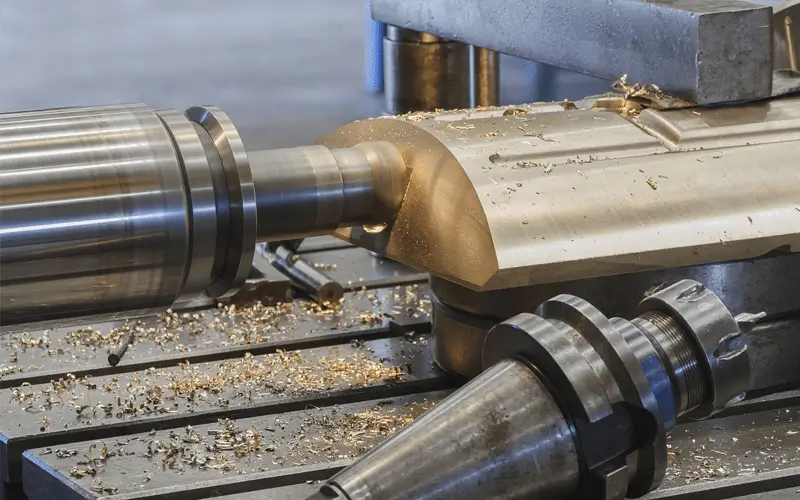
Bronze components represent one of the oldest and most reliable material solutions in mechanical engineering. As a copper-based alloy primarily composed of copper and tin, bronze has maintained its relevance in modern industry due to its exceptional combination of mechanical properties. Bronze components—including bronze bearings, bronze bushings, bronze sleeves, and bronze gears—continue to serve as critical elements in machinery across virtually every industrial sector. The enduring utility of bronze components stems from their outstanding wear resistance, corrosion resistance, and ability to withstand high loads under demanding operating conditions. Modern bronze alloys incorporate additional elements such as lead, nickel, phosphorus, aluminum, and manganese, each enhancing specific properties for targeted applications

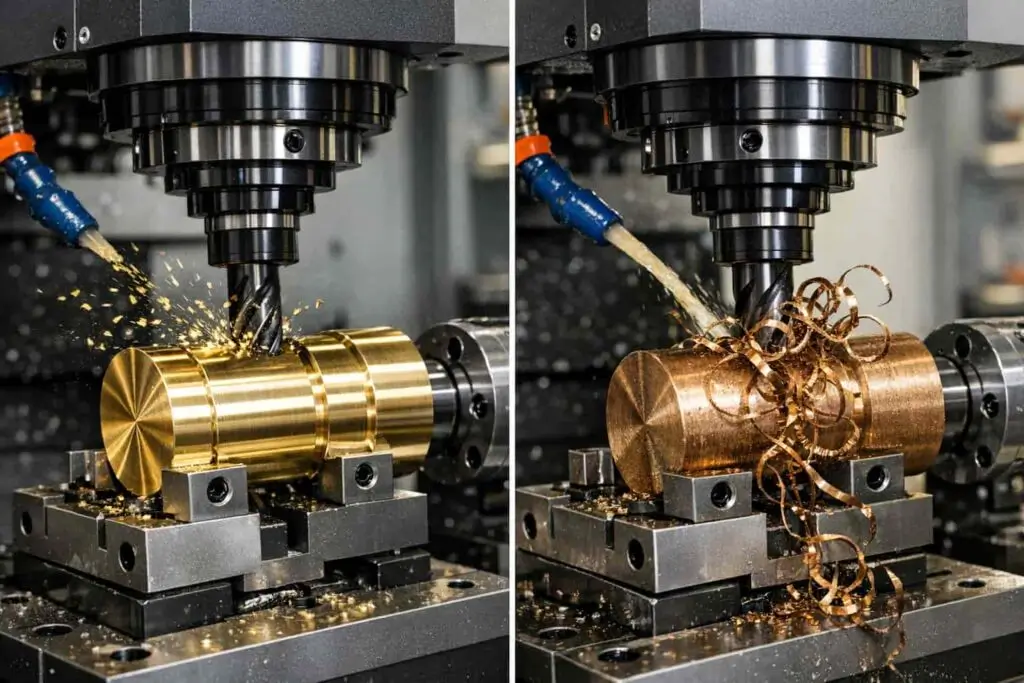
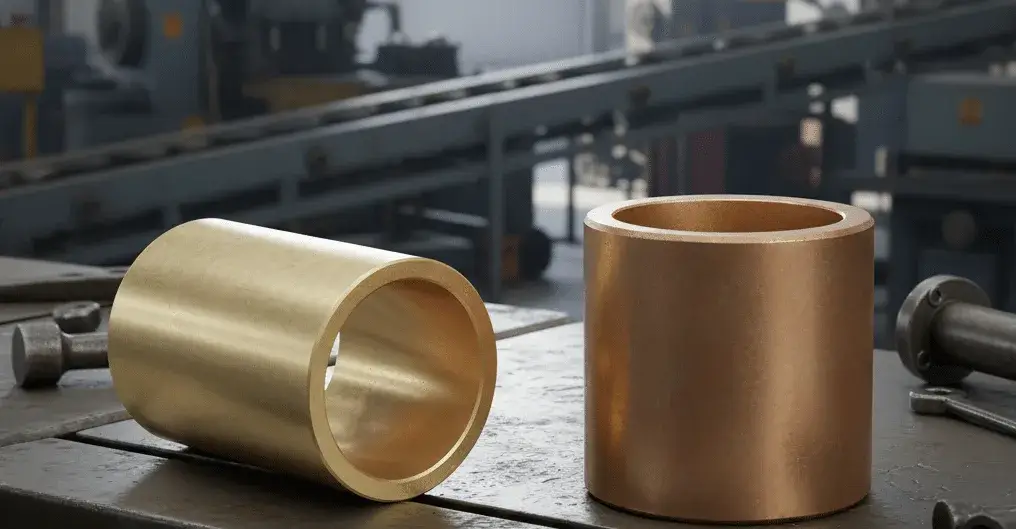
Bronze vs. Brass: A Comprehensive Technical Comparison for Industrial Bushing Applications
Interpretation of Bushing Knowledge

Bronze vs. Brass: A Comprehensive Technical Comparison for Industrial Bushing Applications

Bronze and brass represent two of the most widely utilized copper-based alloy families in industrial manufacturing. Despite their visual similarities and shared copper foundation, these materials exhibit fundamentally distinct metallurgical characteristics that dictate their suitability for specific engineering applications. For procurement engineers, maintenance managers, and design professionals engaged in bushing and bearing selection, understanding the nuanced differences between bronze and brass is not merely an academic exercise—it is a critical determinant of equipment reliability, operational longevity, and total cost of ownership.

Copper Bushings in Water: Unlock Reliability in Marine, Hydraulic & Submerged Applications
Interpretation of Bushing Knowledge

Comprehensive Analysis of Bronze Properties: Metallurgy, Mechanical Performance, and Industrial Applications

Bronze, one of the earliest engineered alloys in human history, remains a cornerstone material in contemporary mechanical engineering. This technical article provides a systematic examination of bronze metallurgy—primary base metals, alloying elements, and their influence on mechanical, tribological, and physical properties. The discussion encompasses historical context, classification of major bronze families (phosphor bronze, aluminum bronze, leaded bronze, manganese bronze, and silicon bronze), comparative analysis with brass and pure copper, and the specific engineering rationale for bronze dominance in high-reliability bushing and bearing applications.

The Definitive Guide to Bronze Material: Composition, Properties, and Industrial Applications
Interpretation of Bushing Knowledge

The Definitive Guide to Bronze Material: Composition, Properties, and Industrial Applications

The global sliding bearing market, valued at USD 1.41 billion in 2025, is projected to expand at a CAGR of 6.7% to reach USD 2.53 billion by 2034. Within this growing landscape, bronze material remains the cornerstone of high-performance bearing and bushing engineering. Engineers and procurement specialists who comprehend the technical nuances of bronze alloys gain a decisive advantage in specifying components that maximize operational longevity while minimizing total cost of ownership.

MYWAY Bronze & Brass: The Ultimate Guide to Copper Alloys & High-Performance Bushings
Interpretation of Bushing Knowledge

MYWAY Bronze & Brass: The Ultimate Guide to Copper Alloys & High-Performance Bushings

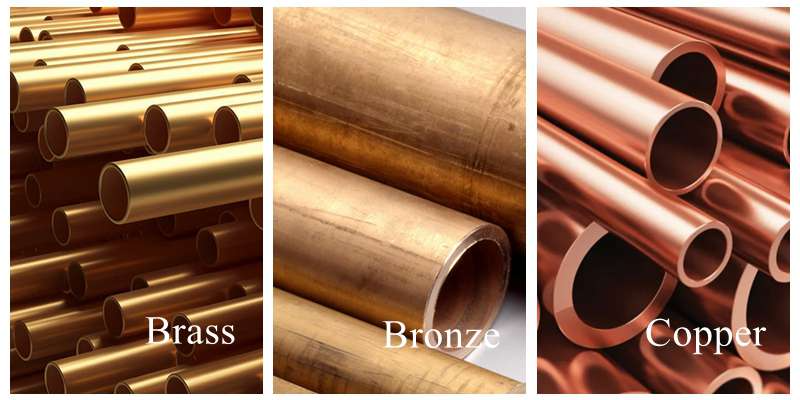
When it comes to industrial metals, bronze and brass stand out as two of the most versatile, time-tested copper alloys—often called “red metals” for their distinct reddish-gold hues. For over 5,000 years, these materials have shaped engineering, art, and manufacturing, and today they remain irreplaceable in machinery, plumbing, automotive, marine, and electrical sectors. At MYWAY, we specialize in transforming premium bronze and brass into precision-engineered bushings, bearings, and custom components trusted by global industries. In this comprehensive guide, we break down brass vs. bronze: their composition, properties, applications, and why MYWAY alloy bushings are the top choice for heavy-duty, long-lasting performance.

Copper vs. Brass vs. Bronze: The Ultimate Alloy Guide for Bearing Selection
Bronze Bushing

Copper vs. Brass vs. Bronze: The Alloy Guide for Bearing Selection

In the world of bearings and bushings, material selection isn’t just a choice—it’s the foundation of performance, longevity, and cost-efficiency. Among the most trusted families of materials are the copper alloys: Copper, Brass, and Bronze. While often grouped for their reddish hues, these alloys possess distinct “personalities” that make them uniquely suited for specific challenges.

Copper Bushings in Water: Unlock Reliability in Marine, Hydraulic & Submerged Applications
Bronze Bushing

Copper Bushings in Water: Unlock Reliability in Marine, Hydraulic & Submerged Applications

For engineers and procurement specialists across industries—from heavy machinery and marine applications to the precise world of food processing—the quest for reliability is never-ending. When a critical bushing fails under high load in a submerged pump, or a bearing seizes in a remote, grease-free application, the cost extends far beyond the component itself: it’s measured in downtime, lost productivity, and urgent maintenance.

660 Bronze Bushing
Bronze Bushing, 未分类

SAE 660 Bronze Bushing: The Industry Workhorse and When to Consider Advanced Alternatives

For decades, SAE 660 bronze (also known as C93200 or RG7) has been the go-to material for countless engineers designing plain bearings and bushings. Its reputation as a reliable, all-purpose alloy is well-earned. But in today’s demanding industrial landscape, is the traditional choice always the optimal one? This article delves deep into the properties, applications, and inherent limitations of SAE 660 bronze bushings and explores modern, high-performance alternatives that can unlock greater efficiency and reliability for your machinery.

Scroll to Top