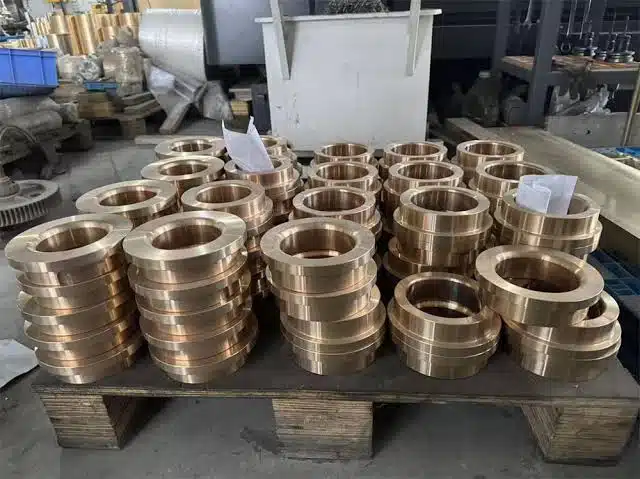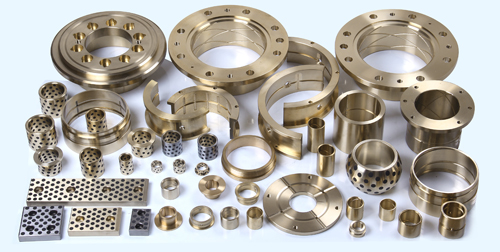
manganese bronze bushing

Brass vs Bronze Strength and Bushing Selection
Interpretation of Bushing Knowledge

Brass vs Bronze Strength and Bushing Selection

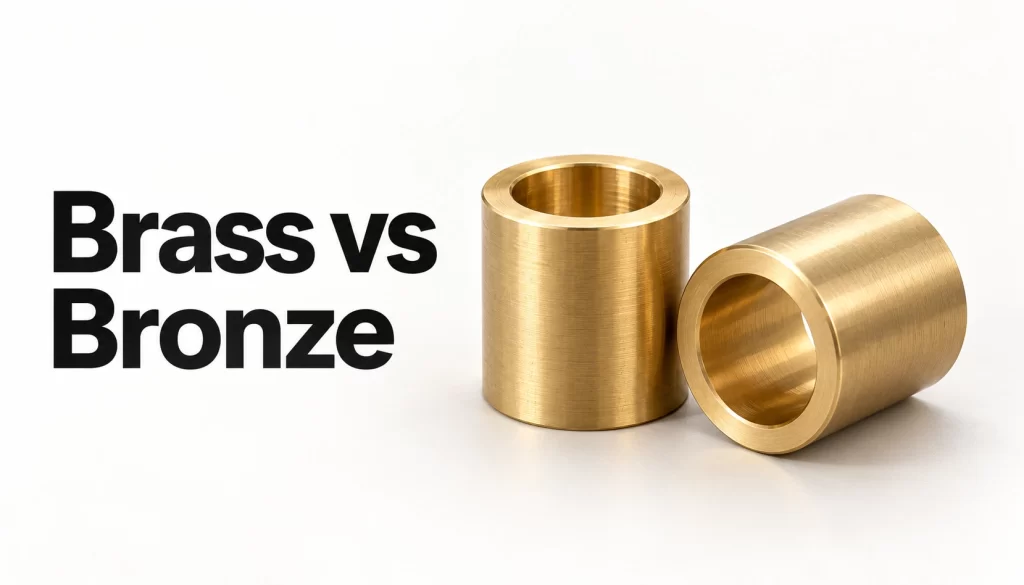
Brass and bronze are both copper alloys, but they behave very differently when you put them under load, heat, and friction. This guide cuts through the noise: we compare brass vs bronze strength in real bushing conditions, break down where each material wins (and where it quietly fails), and show you how MYWAY sizes the right alloy to your application—so you stop replacing bushings every few months and start getting predictable service life. If you specify, buy, or maintain bronze bushings, brass bushings, or copper alloy sleeve bearings for construction, agriculture, marine, or industrial machinery, this is written for you.
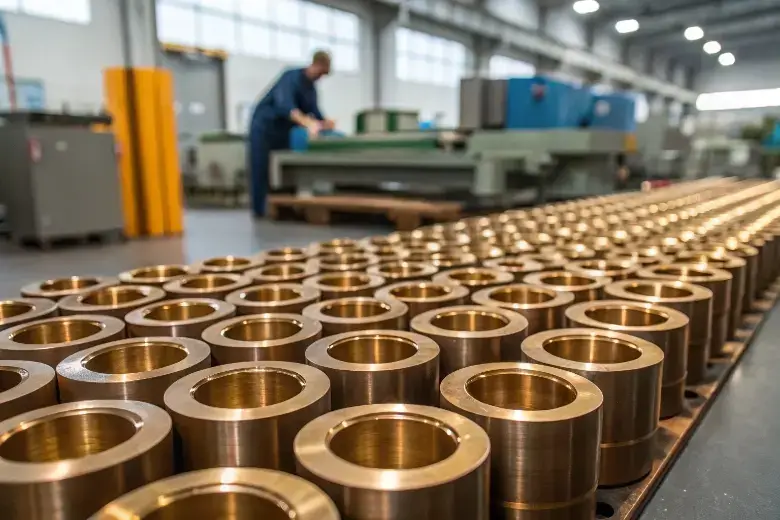
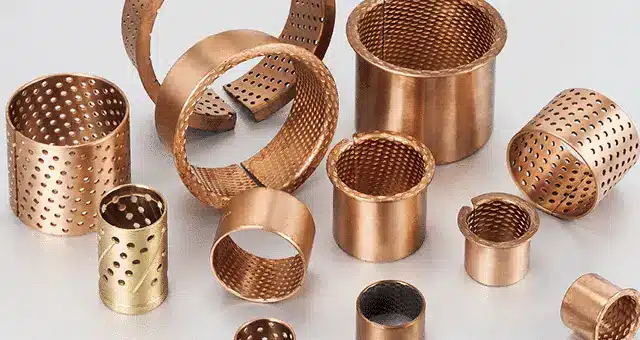
Brass vs Bronze Bushing: Differences, Properties and Best Applications
Interpretation of Bushing Knowledge

Brass vs Bronze Bushing: Differences, Properties and Best Applications

Copper-based alloys remain the predominant material family for plain bearing and bushing applications across industrial sectors. Within this category, brass and bronze represent the two primary classifications, yet their metallurgical distinctions translate to markedly different performance envelopes in service. This analysis examines the compositional, mechanical, and tribological parameters that differentiate these material classes, providing engineers and procurement specialists with the technical framework necessary for informed alloy selection. The comparative data presented herein addresses the operational considerations of load capacity, wear resistance, lubrication requirements, and cost-effectiveness that define application-specific material decisions.

The Metallurgical Engineering of Bronze Sleeve Bearings: Alloy Selection, Load Dynamics, and Industrial Application
Interpretation of Bushing Knowledge

Bronze Flanged Bushings: Copper-Alloy Metallurgy, Radial Support, Thrust Control, and Reliable Procurement

A bronze flanged bushing is a sleeve bearing with an integral radial flange. The sleeve supports radial load around a shaft or pin, while the flange locates the bushing axially or carries a defined thrust load. Bronze flanged bushings are used in machinery, pumps, valves, agricultural equipment, construction equipment, marine systems, dies, conveyors, and industrial automation. The metallurgy, casting route, flange geometry, interference fit, running clearance, counterface, lubrication, sealing and inspection plan must be selected as one engineering system.

Centrifugal Cast Bronze Bushing: Copper-Alloy Metallurgy, Dense Casting Structure, Precision Machining, and Reliable Supply
Interpretation of Bushing Knowledge

Rolling Mill Bushing: Bronze Metallurgy, Heavy-Load Bearing Design, Lubrication, and Reliable Mill Availability

A rolling mill bushing is a heavy-duty plain-bearing component that supports or guides roll necks, screw-down systems, chocks, coiler mandrels, pivots, and related mill mechanisms. It operates under high radial load, shock, vibration, heat, cooling water, scale, grease or oil, and frequent maintenance pressure. Bronze, aluminum bronze, manganese bronze, leaded bearing bronze, steel-backed bimetal, graphite-plugged bronze and composite materials can be appropriate, but material selection must match roll force, speed, temperature, lubrication, shaft condition, fit, and inspection requirements.

Graphite Plugged Bronze Bushings: Metallurgy, Solid-Lubricant Transfer, and Heavy-Duty Sliding Performance
Interpretation of Bushing Knowledge

Graphite Plugged Bronze Bushings: Metallurgy, Solid-Lubricant Transfer, and Heavy-Duty Sliding Performance

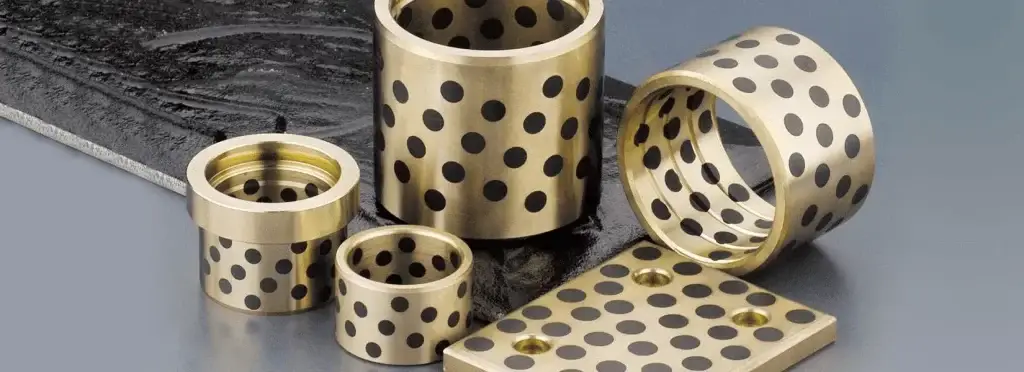
A graphite plugged bronze bushing is a cast or continuously cast bronze plain bearing with machined pockets filled by graphite or an engineered solid lubricant. The bronze matrix carries the structural load while graphite transfers a low-friction film to the shaft or guide surface. This design is valuable where grease lines are inaccessible, oil contamination is unacceptable, movement is intermittent, or heavy sliding contact makes routine relubrication unreliable. It is also called a graphite bronze bushing, solid-lubricant bronze bearing, oilless bronze bushing, or self-lubricating bronze sleeve.

Casting Bush: Cast Bronze & Brass Bushings for Industrial Applications
Interpretation of Bushing Knowledge

Casting Bush: Cast Bronze & Brass Bushings for Industrial Applications

In the world of industrial machinery, there’s a quiet workhorse that keeps countless machines running smoothly—casting bush. You might not notice it at first glance, but this small, cylindrical component plays a critical role in reducing friction, supporting heavy loads, and extending the service life of everything from tiny precision instruments to massive industrial equipment. Made primarily through centrifugal casting with copper-based alloys like bronze and brass, casting bushes (also known as cast bronze bushings, centrifugal casting bushes, or plain casting bearings) are versatile, durable, and essential for nearly every industry. This blog will break down everything you need to know about casting bushes—from how they’re made and what materials they use, to where they’re applied and why they’re superior to other bearing solutions. We’ll also share insights on choosing the right casting bush for your needs and introduce a reliable supplier, MYWAY, to help you get the best performance for your equipment.

Scroll to Top