
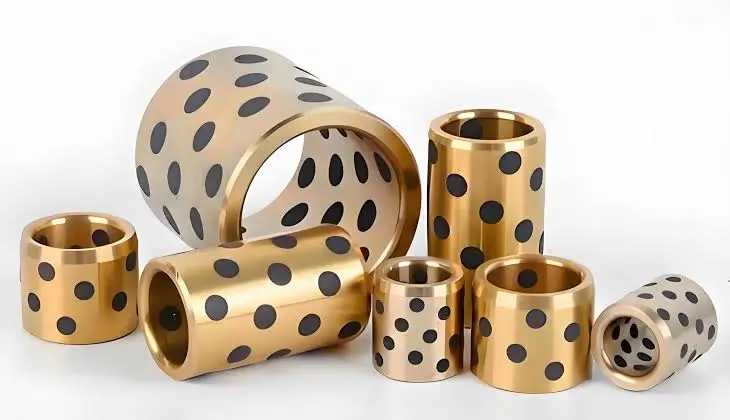
SAE 660 Bearing Bronze

Lead in Bronze: The Self-Lubricating Metallurgical Solution for High-Performance Bearings and Bushings
Interpretation of Bushing Knowledge

Lead in Bronze: The Self-Lubricating Metallurgical Solution for High-Performance Bearings and Bushings

In the domain of plain bearing engineering, few material innovations have demonstrated the enduring practicality of leaded bronze alloys. The incorporation of lead into bronze matrices represents a deliberate metallurgical strategy—one that transforms a copper-tin base into a self-lubricating, anti-seizing, and highly embeddable engineering material. Leaded bronze bushings and bearings have become foundational components across heavy machinery, automotive systems, marine equipment, and industrial transmissions, precisely because the lead phase within the alloy delivers functional advantages that no single alternative material can fully replicate
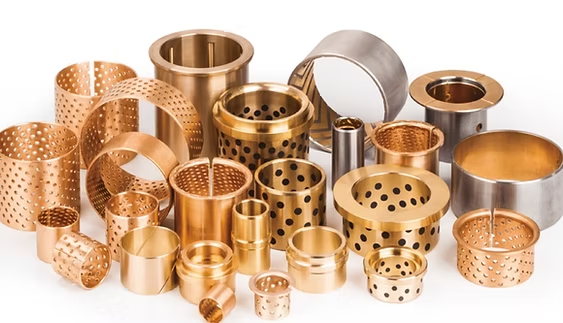
Copper vs Bronze: Key Differences & Why MYWAY Bushings Are Your Best Choice
Interpretation of Bushing Knowledge

Copper vs Bronze: Key Differences & Why MYWAY Bushings Are Your Best Choice

When it comes to industrial components such as bushings, bearings, sleeves, and structural parts, copper and bronze are two of the most widely used non-ferrous metals. Many buyers and engineers often confuse them because both have a reddish color and are based on copper. However, their composition, hardness, wear resistance, load capacity, and service life are completely different. Choosing the wrong material can lead to rapid wear, frequent breakdowns, higher maintenance costs, and even equipment failure. In this article, we explain in detail the differences between copper and bronze, their suitable applications, and why MYWAY bronze bushings are the most reliable solution for heavy-duty working conditions.

Scroll to Top