self-lubricating bronze

Lead in Bronze: The Self-Lubricating Metallurgical Solution for High-Performance Bearings and Bushings
Interpretation of Bushing Knowledge

Lead in Bronze: The Self-Lubricating Metallurgical Solution for High-Performance Bearings and Bushings

In the domain of plain bearing engineering, few material innovations have demonstrated the enduring practicality of leaded bronze alloys. The incorporation of lead into bronze matrices represents a deliberate metallurgical strategy—one that transforms a copper-tin base into a self-lubricating, anti-seizing, and highly embeddable engineering material. Leaded bronze bushings and bearings have become foundational components across heavy machinery, automotive systems, marine equipment, and industrial transmissions, precisely because the lead phase within the alloy delivers functional advantages that no single alternative material can fully replicate
Graphite Dry Bushings: The Complete Guide to Self-Lubricating Bearing Technology
Interpretation of Bushing Knowledge

Composition of Bronze: Alloying Elements, Material Properties, and Industrial Applications

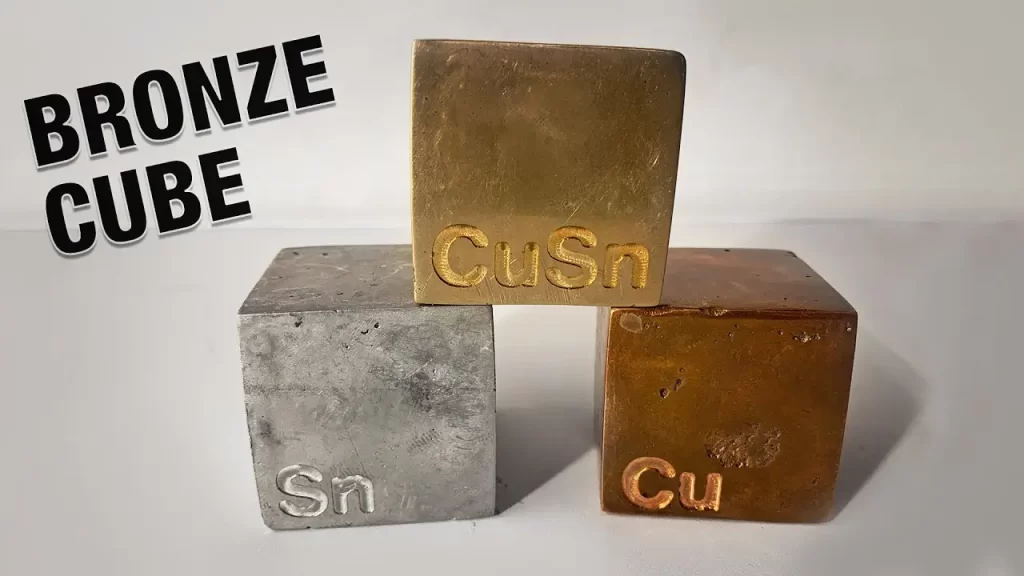
The composition of bronze is a subject of ongoing relevance in metallurgy and industrial engineering. While many recognize bronze as an alloy of copper and tin, the precise formulation varies significantly depending on the intended application. Bronze is not a single material but rather a family of copper-based alloys, each tailored for specific mechanical, chemical, or physical requirements.

This document provides a comprehensive analysis of bronze composition, ranging from its historical origins to modern engineering alloys. Emphasis is placed on bronze alloys commonly used in bushing and bearing applications. For organizations seeking high-performance bronze bushings, MYWAY offers custom-engineered solutions backed by decades of manufacturing experience.

Key Elements in Bronze: How Alloying Elements Shape Its Properties & Uses
Interpretation of Bushing Knowledge

Key Elements in Bronze: How Alloying Elements Shape Its Properties & Uses

Bronze stands as one of humanity’s oldest and most versatile metal alloys, with a history spanning over 5,000 years. From ancient Bronze Age tools and sculptures to modern industrial components like bearings, bushings, and marine hardware, this copper-based alloy delivers unmatched durability, corrosion resistance, and mechanical performance. But what exactly makes bronze so adaptable? The answer lies in its chemical composition—specifically, the mix of core and alloying elements that tailor its traits for every application.

Scroll to Top