
Recent Posts
The Heft of Excellence: Why Bronze Dominates High-Duty Bearing Engineering
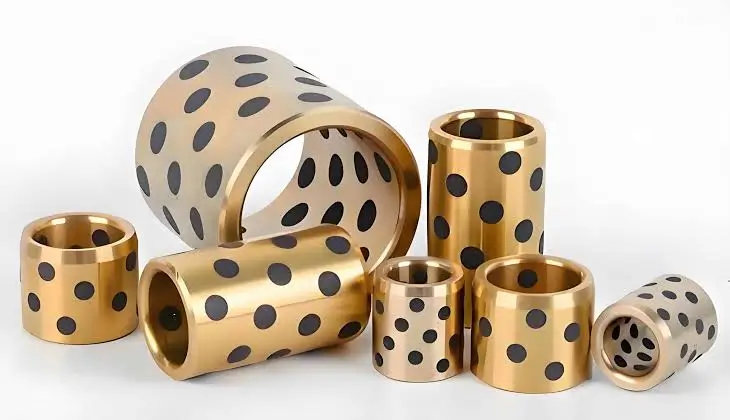
Table of Contents
1. From Physical Density to Engineering Advantage: What the "Heaviness" of Bronze Truly Means
When engineers and procurement specialists raise the question, “Is bronze heavy?”, they are fundamentally assessing whether this material can withstand the demanding conditions of real-world industrial applications. The “heaviness” of bronze originates from its high density—pure copper measures approximately 8.96 g/cm³, and the addition of alloying elements such as tin, aluminum, or zinc yields bronze alloys with densities ranging from 7.5 to 8.9 g/cm³. Within the context of material selection, this value is by no means a disadvantage; rather, it serves as the physical foundation for structural integrity and mechanical performance. Higher density translates directly into tighter atomic packing within a given volume, which in turn enhances the material’s resistance to deformation under external forces. This high density endows bronze with outstanding vibration-damping characteristics and impact absorption capabilities, enabling heavy machinery to effectively suppress resonance and absorb sudden shock loads. When compared with aluminum alloys or engineering plastics, the “heaviness” of bronze directly equates to “stability”—in high-speed rotational or reciprocating motion scenarios, its mass inertia helps maintain trajectory stability, preventing the “drift” or “chatter” commonly observed in lighter materials.
2. The Functional Value of Mass: Managing Kinetic Energy and Resisting Deformation Under High Loads
Within the core assemblies of industrial machinery, the “heaviness” of bronze is not a static attribute but a dynamic functional advantage. Higher density signifies greater compressive strength and lower creep tendency—when a bushing bears hundreds of tons of pressure, the material’s mass itself serves as capital for resisting plastic deformation. At heavy-duty connection points such as excavator boom pivots and crusher main shafts, bronze bushings utilize their dense structure to maintain stable oil film clearance, ensuring smooth relative motion between shaft and housing without direct metal-to-metal contact. Even when subjected to combined radial and axial loads, bronze’s high-density characteristics prevent the bushing from being “flattened” or “extruded,” thereby avoiding equipment failures caused by uncontrolled clearance enlargement. This functional “heaviness” manifests as the fundamental guarantee of equipment reliability in continuous-operation sectors including mining machinery, forging presses, and port cranes.
3. Load Capacity and Wear Resistance: The Long-Life Gene Forged by Dense Microstructure
The “heaviness” of bronze bushings is directly and positively correlated with their exceptional load-bearing capacity and wear-resistant service life. Taking SAE 660 (C93200) cast bronze as an example, its tensile strength reaches approximately 35,000 psi, its Brinell hardness registers around 72 HB, and its maximum static load capacity is as high as 3,000 lb/in². This performance originates from its non-porous, highly dense grain structure—the higher the density, the tighter the grain boundaries, and the lower the probability of abrasive and adhesive wear occurrences. Under low-speed, heavy-load conditions such as press guides and heavy-duty gearbox bearings, bronze bushings are able to maintain dimensional accuracy over extended sliding contact periods, preventing the vicious cycle of enlarged clearances leading to increased vibration and further wear. For engineering machinery components such as track rollers and steering joints, the high load-bearing characteristics of bronze bushings enable them to tolerate frequent start-stop cycles and impact loads, substantially extending maintenance intervals.
4. Thermal Management Capability: The Synergistic Effect of Density and Thermal Conductivity
The “heaviness” of bronze bushings is directly and positively correlated with their exceptional load-bearing capacity and wear-resistant service life. Taking SAE 660 (C93200) cast bronze as an example, its tensile strength reaches approximately 35,000 psi, its Brinell hardness registers around 72 HB, and its maximum static load capacity is as high as 3,000 lb/in². This performance originates from its non-porous, highly dense grain structure—the higher the density, the tighter the grain boundaries, and the lower the probability of abrasive and adhesive wear occurrences. Under low-speed, heavy-load conditions such as press guides and heavy-duty gearbox bearings, bronze bushings are able to maintain dimensional accuracy over extended sliding contact periods, preventing the vicious cycle of enlarged clearances leading to increased vibration and further wear. For engineering machinery components such as track rollers and steering joints, the high load-bearing characteristics of bronze bushings enable them to tolerate frequent start-stop cycles and impact loads, substantially extending maintenance intervals.
5. Corrosion Resistance: The Dense Structure as a Barrier Against Environmental Degradation
The “heaviness” of bronze also manifests through its non-porous, highly dense microstructure, which provides a natural barrier against corrosive attack. In marine engineering, chemical processing equipment, and wastewater treatment facilities, the dense bronze matrix effectively prevents the infiltration of chloride ions, acidic media, or moist atmospheres. Aluminum bronze (containing 5–11% aluminum) is particularly outstanding in seawater applications, forming a stable and self-repairing aluminum oxide protective film on its surface that offers corrosion and cavitation resistance far superior to ordinary brass or cast iron. Phosphor bronze (such as PB104 with approximately 8% tin) additionally provides excellent corrosion-fatigue resistance in marine environments, making it the classic material choice for propeller shaft bearings and stern tube bearings. On land, the corrosion-resistant properties of bronze bushings are equally applicable to papermaking machinery and food processing equipment involving chemical media, ensuring long service life under the combined effects of corrosion and wear.
6. The Physical Foundation of Self-Lubricating Technology: Structural Support for Heavy-Duty Oil Retention Systems
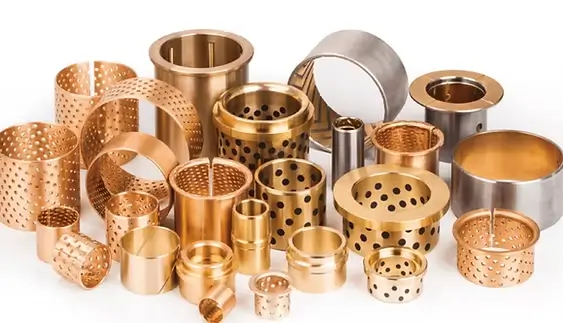
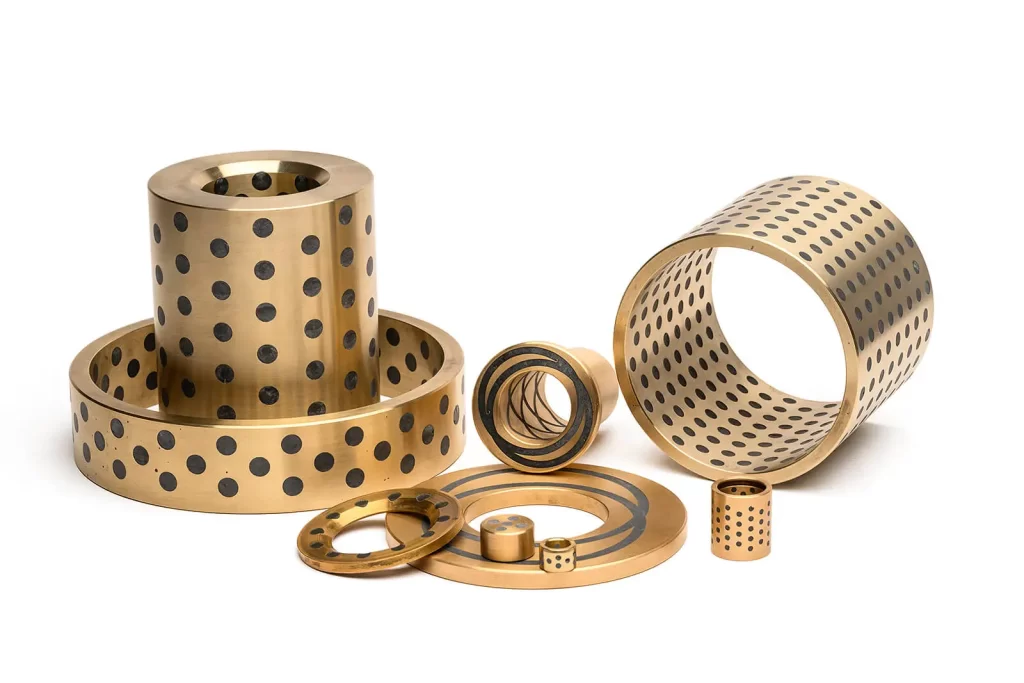
Modern bearing technology has fully leveraged the density and structural strength of bronze to develop a variety of self-lubricating bushing solutions. Wrapped bronze bushings feature diamond-shaped oil pockets, hemispherical indents, or spiral lubrication grooves machined into the inner surface, forming a “storage-supply-return” micro-circulation system for lubricant. The high-strength bronze matrix ensures these oil pockets do not collapse or deform under heavy loads, thereby maintaining stable lubricant reserves and replenishment pathways. For powder metallurgy oil-impregnated bronze bushings, the porous matrix after sintering can absorb and store up to 15–30% by volume of lubricating oil, which is automatically released during operation through a “pumping effect.” Graphite or PTFE-inserted bronze bushings utilize bronze’s high load capacity as a supporting skeleton, ensuring continuous release of solid lubricants at the friction interface to achieve maintenance-free operation. These self-lubricating designs make bronze bushings irreplaceable in agricultural machinery and mining equipment where routine lubrication is difficult or impossible to perform.
7. Cross-Industry Application Landscape: From Construction Machinery to Energy Equipment
Bronze bushings, by virtue of the comprehensive performance advantages conferred by their “heaviness,” have penetrated virtually every heavy industry sector. In construction and earthmoving machinery, excavator boom pivots, bucket linkages, and track assemblies extensively employ bronze bushings to withstand abrasive wear from mud and sand as well as high-frequency impact loads; bulldozer and crane eccentric shafts and main spindle components rely on bronze’s high-temperature and high-pressure resistance. In agricultural machinery, seeders, combine harvesters, and tractor suspension systems utilize bronze bushings to cope with severe vibration and alternating loads encountered in field operations. In the energy equipment sector, wind turbine yaw systems and pitch systems, as well as hydroelectric turbine guide bearings, select bronze bushings to ensure maintenance-free service lives exceeding 20 years. In shipbuilding, rudder stock bearings and stern tube bushings widely employ aluminum bronze or phosphor bronze to resist seawater corrosion and biofouling. In the automotive industry, high-performance engine valve seats, valve guides, and connecting rod bushings are increasingly using specialty alloys such as nickel-silicon bronze.
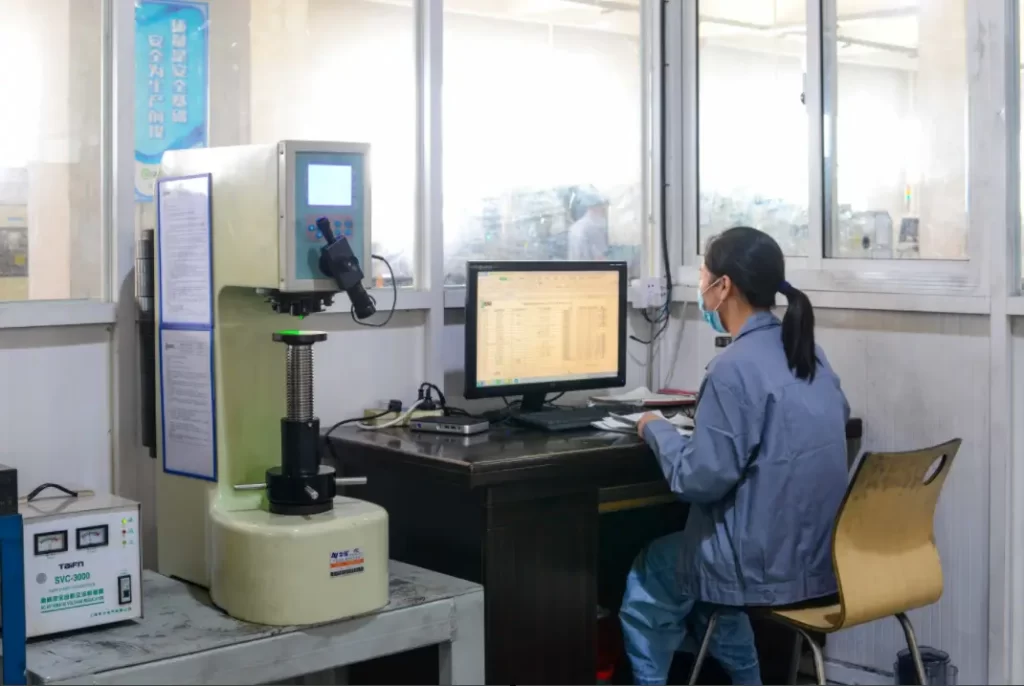
8. Lifecycle Economics: Balancing Initial Cost Against Long-Term Gains
While bronze bushings command a higher initial procurement cost compared to brass, powder metallurgy, or engineering plastic alternatives, their lifecycle economic advantages are exceptionally significant. The high density and hardness of bronze confer wear-resistant service lives that far exceed those of alternatives—under identical operating conditions, bronze bushings often outlast ordinary copper alloy bushings by a factor of two to three. This extended longevity translates into fewer spare parts purchases, lower inventory holding costs, and fewer downtime events for replacement. For continuous-process industries such as mining, ports, and metallurgy, the cost of a single unplanned shutdown may range from tens of thousands to hundreds of thousands of dollars, far exceeding the price difference between a premium bronze bushing and a cheaper substitute. Furthermore, bronze alloys are 100% recyclable with high scrap value, further reducing lifecycle costs. When assessed from a total-cost-of-ownership perspective, the “heaviness” of bronze represents not a cost burden but a long-term investment in equipment availability and production continuity.
9. MYWAY Bushings: Transforming Bronze's "Weight" into Engineered Advantage
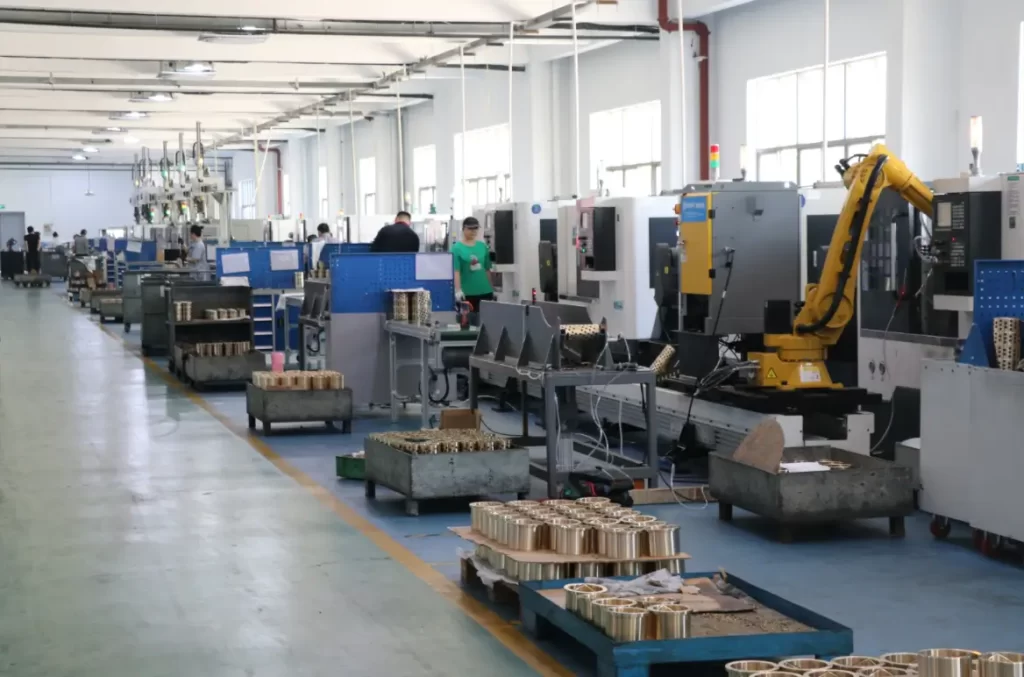
MYWAY Bushings are dedicated to maximizing the physical density advantages of bronze alloys and translating them into tangible engineering value. With over 20 years of industry experience and dual IATF/ISO certification, MYWAY offers a comprehensive product range spanning from standard wrapped bushings to large custom-cast bushings. MYWAY utilizes high-quality alloys including CuSn8P tin bronze, C95400 aluminum bronze (containing 3–5% nickel), and phosphor bronze, achieving corrosion resistance up to 1.5 times that of conventional bronze. In terms of manufacturing processes, MYWAY implements fully integrated control from casting to precision finishing, ensuring dimensional tolerances are held to micron-level accuracy. Targeting three core sectors—construction machinery, agricultural equipment, and automotive components—MYWAY has developed multiple technical solutions including self-lubricating, boundary-lubricated, and solid-lubricant-inserted designs, enabling bushings to remain reliable under extreme conditions such as abrasive sand contamination, high-temperature high-pressure environments, and combined high-speed heavy-load operations. Choosing MYWAY means you acquire not merely a bushing component, but a proven, comprehensive solution that enhances equipment service life and reduces total cost of ownership.
Frequently Asked Questions (FAQ)
1. What does “is bronze heavy” specifically refer to in engineering material selection?
In engineering contexts, “heavy” refers to bronze’s high density (7.5–8.9 g/cm³), a property that provides high strength, impact resistance, and deformation resistance—serving as the core indicator for assessing its suitability for heavy-load applications.
2. How does bronze’s high density influence its wear resistance performance?
High density yields a dense grain structure that provides high hardness and excellent resistance to abrasive wear. Under continuous sliding friction, bronze bushings maintain dimensional accuracy over extended periods, delaying the process of clearance enlargement.
3. Are heavy bronze bushings suitable for high-speed operating conditions?
Bronze performs optimally in heavy-load, low-speed scenarios; however, certain alloys such as phosphor bronze are also suitable for high-speed, high-load conditions due to their excellent thermal conductivity, which efficiently dissipates frictional heat and prevents overheating failures.
4. How does bronze’s “heaviness” contribute to heat dissipation?
Bronze exhibits thermal conductivity values of 50–120 W/(m·K). Its high-density crystalline lattice structure enables rapid heat conduction from friction surfaces to the housing, preventing lubricant thermal degradation and bearing seizure.
5. What is the approximate load capacity of bronze bushings?
Taking SAE 660 cast bronze as an example, its maximum static load reaches 3,000 lb/in², with a PV value of up to 75,000, making it suitable for heavy-duty equipment such as presses and gearboxes.
6. Why does bronze exhibit good corrosion resistance in marine environments?
Bronze’s dense structure impedes corrosive media penetration, and aluminum bronze additionally forms a self-repairing aluminum oxide protective film on its surface, providing outstanding corrosion resistance in seawater.
7. Can bronze bushings be used in food processing or chemical equipment?
Yes. Bronze resists corrosion from various chemical media and offers safety advantages through its non-sparking characteristics, making it suitable for chemical environments with explosion risks.
8. What is the working principle of self-lubricating bronze bushings?
They utilize the high-strength bronze matrix to support oil pockets or solid lubricants (graphite/PTFE), which are continuously released at the friction interface during operation, achieving maintenance-free or low-maintenance performance.
9. What is the maximum operating temperature for bronze bushings?
Conventional bronze bushings operate in the range of -450°F to +450°F (approximately -268°C to +232°C), while specialty nickel-silicon bronze can withstand temperatures up to 350°C.
10. What advantages do bronze bushings offer over brass?
Bronze’s tin content provides greater hardness and wear resistance than brass, with higher load capacity, making it more suitable for bearing and bushing applications.
11. What is the difference between bronze bushings and powder metallurgy oil-impregnated bearings?
Bronze bushings typically offer higher load capacity for heavy-duty applications, while powder metallurgy bearings are more cost-effective for light to medium loads where precision requirements are less stringent.
12. What does the PV value of bronze bushings represent?
PV value is the product of maximum allowable pressure (P) and linear velocity (V), used to define the operating limits of a bearing. SAE 660 bronze exhibits a PV value of approximately 75,000.
13. What installation precautions should be taken for bronze bushings?
Installation requires appropriate housing bore tolerances to ensure that the inner diameter contraction after pressing remains within allowable limits, preventing seizure due to excessive interference.
14. What lubrication methods are available for bronze bushings?
Options include oil bath lubrication, grease lubrication, drip oil lubrication, self-lubricating designs with oil grooves, and solid lubricant insertion for lubrication-free operation.
15. Can bronze bushings replace rolling element bearings?
In low-speed, heavy-load scenarios with high shock loads or limited installation space, bronze plain bushings often prove more reliable and economical than rolling element bearings.
16. What is the typical service life of bronze bushings?
Depending on operating conditions and lubrication, bronze bushings in well-lubricated heavy-load applications generally achieve service lives ranging from several thousand to tens of thousands of hours, far exceeding most alternative materials.
17. What types of bronze bushings does MYWAY offer?
MYWAY provides wrapped bronze bushings, cast bronze bushings, self-lubricating bushings, bimetal bushings, and solid-insert bushings covering the fields of construction machinery, agricultural equipment, and automotive components.
18. Which bronze alloy grades does MYWAY utilize for its bushings?
MYWAY employs CuSn8P, aluminum bronze C95400 (containing 3–5% nickel), phosphor bronze, and other high-quality alloys, with corrosion resistance and mechanical strength superior to conventional bronze.
19. Can MYWAY bronze bushings be customized?
Yes. MYWAY supports complete customization from casting to finishing, including non-standard dimensions, special lubrication groove patterns, and surface treatments (copper plating, nickel plating, electropolishing).
20. What is the delivery lead time for MYWAY bushing orders?
Standard products are typically available from stock, while custom product lead times depend on specific specifications and quantities. MYWAY’s integrated manufacturing capabilities effectively ensure delivery schedule compliance.
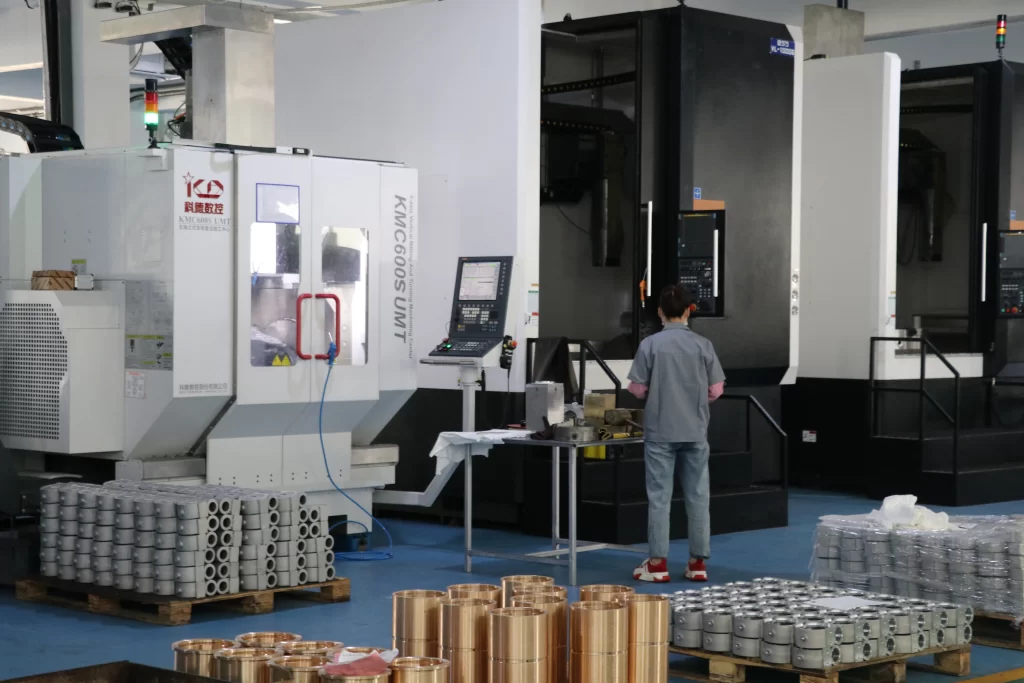
MYWAY Bushings are dedicated to maximizing the physical density advantages of bronze alloys and translating them into tangible engineering value. With over 20 years of industry experience and dual IATF/ISO certification, MYWAY offers a comprehensive product range spanning from standard wrapped bushings to large custom-cast bushings. MYWAY utilizes high-quality alloys including CuSn8P tin bronze, C95400 aluminum bronze (containing 3–5% nickel), and phosphor bronze, achieving corrosion resistance up to 1.5 times that of conventional bronze. In terms of manufacturing processes, MYWAY implements fully integrated control from casting to precision finishing, ensuring dimensional tolerances are held to micron-level accuracy. Targeting three core sectors—construction machinery, agricultural equipment, and automotive components—MYWAY has developed multiple technical solutions including self-lubricating, boundary-lubricated, and solid-lubricant-inserted designs, enabling bushings to remain reliable under extreme conditions such as abrasive sand contamination, high-temperature high-pressure environments, and combined high-speed heavy-load operations. Choosing MYWAY means you acquire not merely a bushing component, but a proven, comprehensive solution that enhances equipment service life and reduces total cost of ownership.
100000+ Types of Bushings – Contact Us for Details