
Recent Posts
Graphite Bearing: The Self-Lubricating Solution for Extreme Conditions
Introduction
In the field of modern mechanical engineering, bearing selection directly determines equipment reliability, operational efficiency, and maintenance costs. Among numerous bearing material options, graphite bearings have emerged as the preferred solution for extreme working conditions with their unique self-lubricating properties, high temperature resistance, and chemical corrosion resistance. From aerospace engines to food processing equipment, and from steel rolling mills to semiconductor manufacturing, graphite bearings are redefining the performance boundaries of industrial equipment with their maintenance-free design concept.
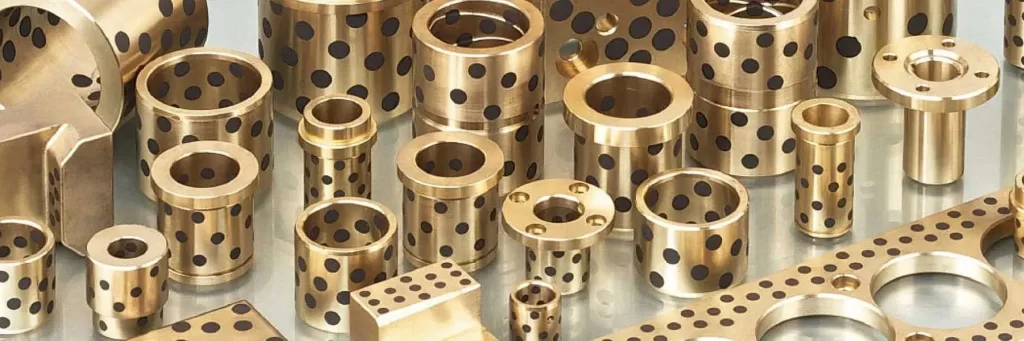
Table of Contents
1.What Is a Graphite Bearing? Definition and Fundamental Characteristics
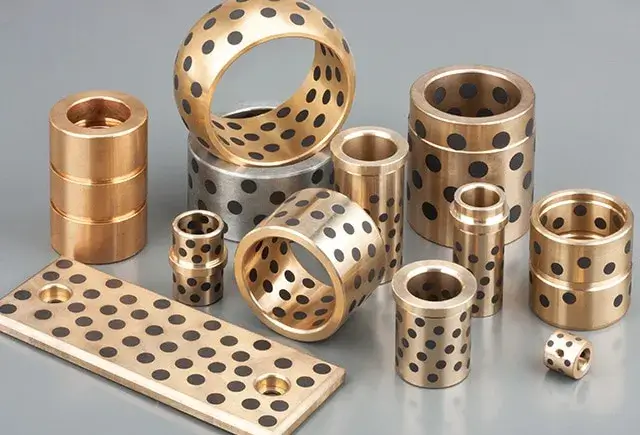
A graphite bearing is a type of plain bearing that utilizes graphite or graphite-based composite materials as the primary structural and lubricating component. Known as graphite bushing, oilless bearing, or carbon graphite bearing in different contexts, these components operate without conventional liquid lubricants such as oil or grease.
The fundamental operating principle of graphite bearings lies in the unique lamellar structure of graphite. The graphite crystal lattice consists of layered hexagonal carbon sheets held together by weak van der Waals forces. These interlayer bonds break readily under shear stress, allowing adjacent layers to slide smoothly past each other while generating extremely low frictional resistance. This characteristic endows graphite bearings with inherent self-lubricating capability, a property often described as “graphitic lubrication”
2:Material Composition and Manufacturing Processes
Carbon Content and Porosity
Carbon graphite material typically contains 78 to 98 mass percent carbon, including spherical graphite combined with carbon components within uncarbonized resin matrices. These materials exhibit porosity ranging from 5 to 20 percent, creating a network of microscopic voids throughout the bearing structure. The porosity serves a dual purpose: it facilitates self-lubrication by providing spaces for graphite particles to migrate and embed onto mating surfaces, and it enables various impregnation treatments that enhance specific performance attributes.
Impregnation Technologies
The porous nature of carbon graphite makes it amenable to various impregnation processes that significantly broaden its application range:
Resin Impregnation: Filling pores with phenolic or epoxy resins improves mechanical strength and hardness, making the material more resistant to deformation under load.
Metal Impregnation: Impregnation with metals including silver, copper, bronze, or babbitt enhances thermal conductivity and load-carrying capacity while preserving self-lubricating properties.Some advanced grades utilize copper-impregnated carbon graphite matrices with high hardness, good lubricity, and excellent chemical stability, leveraging copper alloy’s high melting point of 2800°C for extreme thermal applications.
Oil Impregnation: Oil-impregnated sintered bronze bearings containing graphite have high strength and high porosity, delivering reliable performance under boundary lubrication conditions.
Nickel Impregnation: For high temperature and severe service pump applications, nickel-impregnated graphite bushings withstand temperatures up to 400°C in oxidizing environments and 725°C in non-oxidizing or submerged conditions.
Graphite/Metal Alloy Composites
GRAPHALLOY and similar materials represent a distinct category where high-purity graphite undergoes machining into required shapes followed by impregnation with molten metals like nickel, bronze, copper, or silver under vacuum or pressure. This manufacturing approach infuses molten metal throughout the graphite’s porous matrix, enhancing mechanical strength while preserving inherent self-lubricating characteristics. The result is a solid, homogenous composite material offering dimensional stability, wear resistance, and thermal resilience across extreme conditions.
3: Core Advantages of Self-Lubricating Graphite Bearings
Maintenance-Free Operation
Graphite bearings eliminate the need for regular lubrication with oil or grease. This constitutes their single most valuable attribute, because external lubricants are simply not required for proper functioning. Industrial facilities eliminate routine greasing tasks, reduce labor costs, and avoid production interruptions for scheduled maintenance. Additionally, contamination risks associated with lubricant leakage or migration disappear entirely.
Superior Temperature Performance
Conventional oil-lubricated bearings typically fail when operating temperatures exceed 200°C, as lubricating oils volatilize, oxidize, or carbonize. Graphite bearings, in contrast, maintain reliable operation across extraordinary temperature ranges:
Standard grades: Effective between -200°C and +600°C in non-oxidizing atmospheres, with some specialized grades reaching +600°C or higher.
Oxidizing environments: Nickel-impregnated grades withstand up to 400°C.
Non-oxidizing or submerged conditions: Nickel-impregnated grades perform reliably at 725°C.
Vacuum environments: Operating temperatures exceed 600°C without lubricant degradation.
Corrosion and Chemical Resistance
Carbon graphite demonstrates excellent resistance against a broad spectrum of aggressive media. Graphite/metal alloys are compatible with most industrial liquids and unaffected by submersion in most acids, alkalies, hydrocarbons, or liquid gases. This corrosion resistance makes graphite bearings the preferred choice for chemical processing equipment, pumps handling aggressive fluids, and marine applications.
Dimensional Stability
Graphite bearings exhibit a coefficient of thermal expansion approximately one-fourth that of steel. This low thermal expansion ensures consistent shaft clearance across temperature variations and provides mechanical support for the graphite elements. The material does not deform under load and maintains dimensional integrity across wide temperature ranges.
Low Coefficient of Friction
Under dry operating conditions, graphite bearings typically achieve coefficients of friction between 0.05 and 0.2. Some bronze-based graphite bearings report friction coefficients ranging from 0.15 to 0.25, depending on shaft surface finish, sliding speed, and temperature. The self-lubricating graphite mechanism prevents seizing and galling even under start-stop or oscillating motion conditions.
4: Key Application Domains
| Application Industry | Typical Equipment | Performance Requirements |
|---|---|---|
| High Temperature Processing | Furnaces, kilns, dryers, ovens, heat treatment lines | 400°C+ operation, no lubricant oxidation |
| Pump and Valve Industry | Vertical pumps, submersible pumps, metering pumps, control valves | Dry start capability, chemical resistance, run-dry tolerance |
| Food and Pharmaceutical Processing | Conveyors, mixers, packaging equipment, ovens | FDA-approved grades, contamination-free operation, hygienic compliance |
| Aerospace Industry | Auxiliary power units, engine components, landing gear systems | Extreme reliability, wide thermal cycling, maintenance intervals extension |
| Automotive Manufacturing | Water pumps, exhaust systems, high-temperature applications, stamping presses | High load capacity, temperature tolerance, extended service life |
| Nuclear Energy Sector | Reactor components, remote handling equipment | Radiation resistance, maintenance-free requirement, operational safety |
| Steel and Metals Processing | Continuous casters, rolling mills, furnace doors, transfer cars | Extreme heat, heavy loads, dust and scale exposure |
| Paper and Pulp Industry | Dryer sections, wet end applications, chemical recovery boilers | High moisture, chemical exposure, submerged operation |
| Mining and Heavy Equipment | Conveyors, crushers, screens, grinding mills | Dust ingress, heavy loads, inaccessible lubrication points |
| Semiconductor Manufacturing | Wafer handling equipment, vacuum chambers | Ultra-clean operation, no outgassing, precise motion control |
5: Comparative Analysis: Graphite Bearings vs. Bronze Bushings
Understanding the performance differentiation between graphite bearings and conventional bronze bushings is essential for proper material selection. Bronze bushings (SAE 660 and similar alloys) are widely recognized for excellent wear resistance and good load capacity under boundary lubrication conditions. However, graphite bearings offer distinct advantages that make them superior in several critical aspects.
Friction and Wear Characteristics
| Property | Graphite Bronze (Plugged) | Conventional Bronze |
|---|---|---|
| Lubrication Requirement | Self-lubricating, maintenance-free | Requires oil/grease replenishment |
| Max Temperature (Oxidizing) | Up to 400°C (some grades up to 538°C) | <250°C (lubricant limitation) |
| Friction Coefficient (Dry) | 0.05–0.25 (depending on composite) | High (not recommended for dry operation) |
| Corrosion Resistance | Excellent (acid/alkali/solvent resistant) | Moderate (subject to oxidation) |
| Thermal Expansion | Low (approx. 1/4 of steel) | High (comparable to steel) |
Studies have demonstrated that sintered iron-graphite bushings exhibit superior performance compared to sintered iron or sintered bronze bushings in demanding applications, primarily due to their lower coefficient of friction. Furthermore, copper-tin-phosphorus-lead-graphite materials have demonstrated better friction and wear properties than conventional lead bronze compositions, attributed to the solid lubricating effect of graphite coupled with superior alloy structural stability against high loads and temperatures.
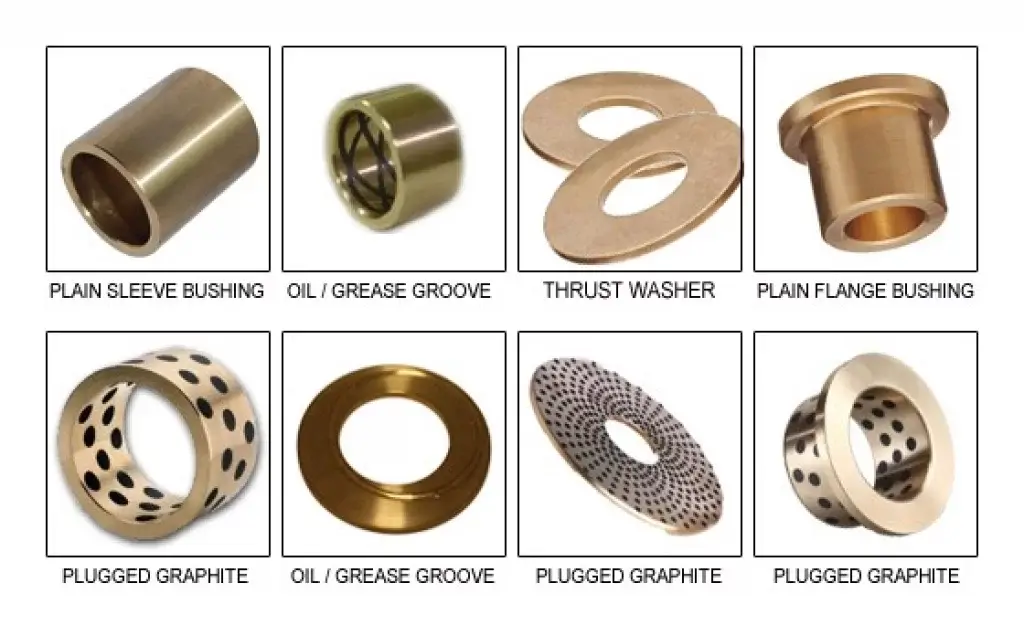
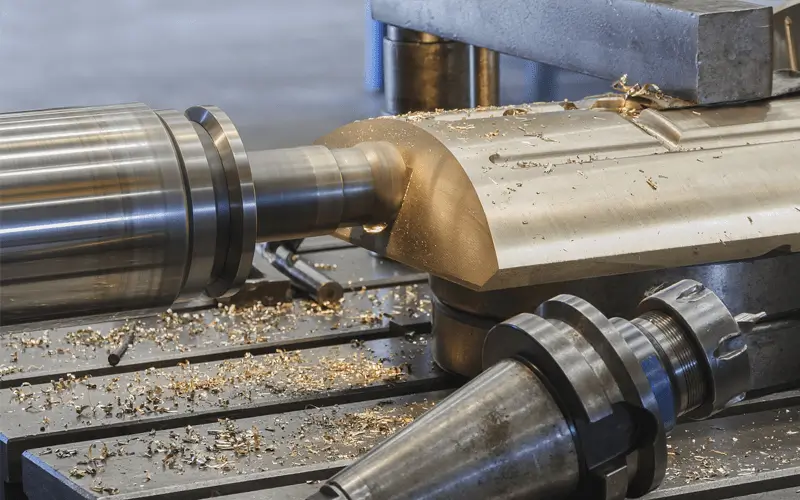
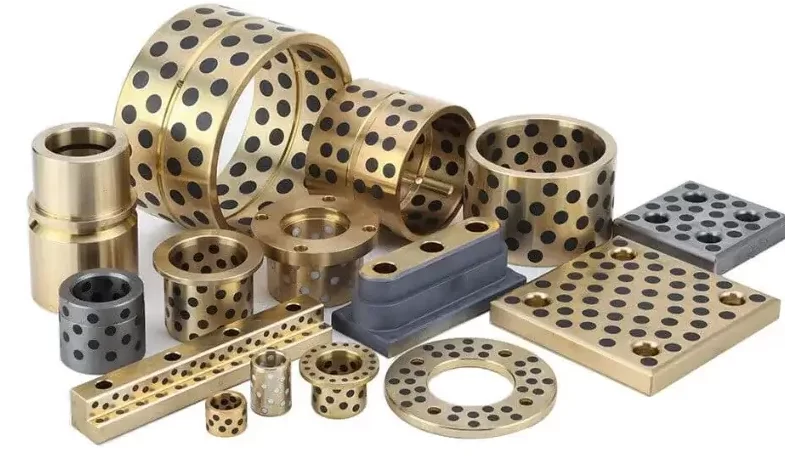
Graphite plugged bronze bushings are manufactured with machined holes or grooves into which graphite inserts are placed. The graphite plugs function as solid lubricants while the bronze material provides strength and durability. Under extreme pressure, graphite is mechanically pressed into the grooves and holes, ensuring continuous lubricant supply across the bearing surface.
6: Temperature Capabilities of Graphite Bearings
The temperature performance of graphite bearings varies considerably based on specific grade and composition:
| Temperature Range | Operational Characteristics |
|---|---|
| Cryogenic to 200°C | All standard grades perform reliably. Graphite maintains lubricity at temperatures where oil-based lubricants become viscous or solidify |
| 200°C to 400°C | Graphite bearings operate continuously without performance degradation. Conventional lubricated bearings typically fail in this range due to lubricant breakdown. Bronze-based graphite composites perform optimally in this range |
| 400°C to 538°C | Specialized high-temperature grades function reliably in oxidizing environments. Nickel-impregnated grades maintain performance at these levels. Most other bearing materials have already failed |
| Above 538°C (Non-oxidizing) | Specialized grades operate in non-oxidizing or inert atmospheres. Some applications report reliable operation to 1000°C and higher |
The thermal stability of graphite bearings makes them uniquely suited for applications such as bakery ovens, screw conveyors, kiln cars, paint dryers, hot air dampers, and furnace components. Their ability to run dry without lubrication eliminates the smoke, dripping, and fire hazards associated with burning lubricants in high-temperature environments.
7: Design Considerations and Best Practices
Shaft Material and Surface Finish
For optimal performance, graphite bearings should operate against shafts meeting specific requirements. A hard, rust-resistant shaft with a surface finish of at least 10 microinches is recommended. Hardened tool steel or chrome plate is recommended for heavy loads and high-speed applications. Steel with hardness exceeding Rockwell C50, bronzes, 18-8 stainless steels, carbides, and ceramics are all suitable mating materials.
Installation and Handling Precautions
Carbon graphite is inherently brittle relative to metals. The material may chip or crack easily if struck on edges or corners or subjected to high thermal, tensile, or bending stresses. Edges should be relieved with chamfers, and sharp corners, thin sections, keyways, and blind holes should be avoided wherever possible. Because of this brittleness and the material’s low coefficient of expansion, graphite bearings are often shrunk into steel sleeves. This approach minimizes changes in shaft clearance with temperature variations and provides mechanical support for the graphite elements.
PV Limits and Operating Constraints
A PV limit (pressure × velocity) of 15,000 is typically applicable for dry operation of carbon bearings. This value should be reduced for continuous running with steady load over extended periods to prevent excessive wear. When operating with liquids that enable development of a supporting fluid film, significantly higher PV values may be achievable
8: Product Promotion: MYWAY Bushing – Your Trusted Graphite Bearing Partner
After extensive research into graphite bearing technology, material science, and industry-specific application requirements, MYWAY Bushing stands out as a leading manufacturer and supplier of high-quality graphite bearings and bushing solutions.
MYWAY Bushing offers a comprehensive product portfolio including self-lubricating graphite bearings, oilless bushings, graphite plugged bronze bearings, carbon graphite bearings, and custom-engineered solutions tailored to specific operating conditions. Each MYWAY bushing undergoes rigorous quality control procedures and precision manufacturing to ensure consistent performance, tight dimensional tolerances, and extended service life.
Why Engineering and Procurement Professionals Choose MYWAY Bushing:
Technical Excellence: MYWAY engineers possess deep expertise in graphite bearing material selection, design optimization, and application engineering, providing clients with technically sound solutions for challenging operating environments.
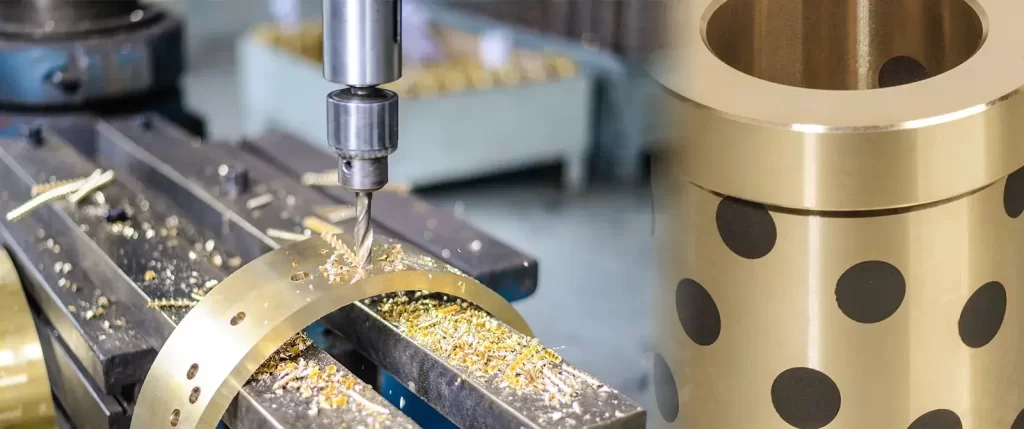
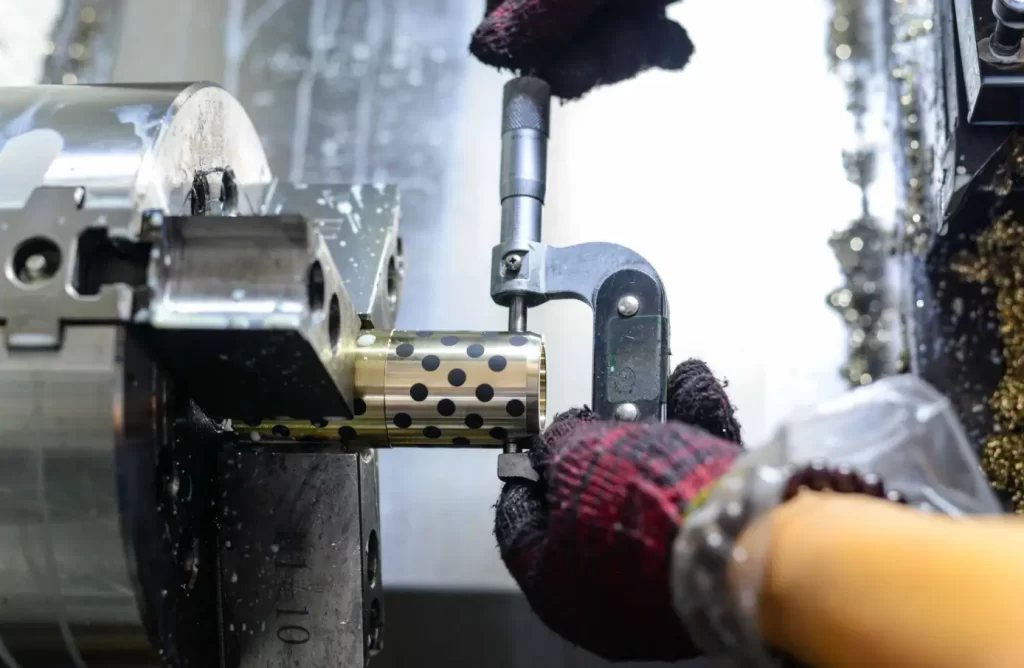
Custom Manufacturing Capabilities: Utilizing advanced CNC machining technology, MYWAY achieves incredibly tight tolerances down to 0.0013mm, producing bushings in various sizes from 10mm ID for lightweight applications to 1500mm components for heavy industrial equipment.
Comprehensive Material Options: MYWAY offers multiple graphite bearing grades including standard carbon graphite, copper-impregnated grades for enhanced thermal conductivity, bronze-based composites for superior load capacity, and nickel-impregnated formulations for extreme high-temperature service.
Stringent Quality Assurance: Each MYWAY bushing is manufactured according to international standards (ASTM, DIN, ISO) with complete traceability and documentation.
Global Supply Chain Reliability: MYWAY maintains consistent inventory levels and efficient logistics capabilities, ensuring timely delivery to customers worldwide.
Cost-Effective Solutions: By eliminating the need for external lubricating systems and reducing maintenance requirements, MYWAY graphite bushings deliver significant total cost of ownership advantages over conventional bearing alternatives.
MYWAY Bushing serves a diverse global customer base spanning industries including high-temperature processing, pump and valve manufacturing, food and pharmaceutical equipment, heavy machinery, steel and metals production, and specialty industrial applications. The company’s engineering team provides comprehensive application support including material selection guidance, design review, custom specification development, and after-sales technical assistance.
Frequently Asked Questions (FAQ)
Q1: What is a graphite bearing and how does it work?
A graphite bearing is a plain bearing manufactured from carbon graphite material or graphite-based composites that uses the inherent lubricating properties of graphite to reduce friction. The unique lamellar crystal structure of graphite allows layers to slide smoothly past each other under shear stress, generating extremely low frictional resistance without requiring external lubricants.
Q2: What are the typical temperature limits for graphite bearings?
Standard graphite bearings operate effectively between -200°C and +600°C. Nickel-impregnated grades withstand up to 400°C in oxidizing environments and 725°C in non-oxidizing or submerged conditions. Specialized high-temperature grades function reliably at temperatures exceeding 538°C. The thermal stability of graphite makes it superior to oil-lubricated bearings which typically fail above 200°C.
Q3: Are graphite bearings truly maintenance-free?
Yes. Graphite bearings are fundamentally self-lubricating materials requiring no external oil or grease. The graphite within the bearing matrix continuously provides lubrication throughout the component’s service life. This eliminates scheduled lubrication tasks, reduces maintenance costs, and prevents production interruptions associated with bearing servicing.
Q4: Can graphite bearings run completely dry without lubrication?
Absolutely. Graphite bearings are specifically designed for dry-running conditions. They achieve coefficients of friction between 0.05 and 0.2 without any external lubricants. This makes them ideal for applications where oil contamination cannot be tolerated or where access for maintenance is restricted.
Q5: How do graphite bearings compare to traditional bronze bushings?
Graphite bronze bushings are embedded with graphite plugs that serve as permanent solid lubricants. They feature higher temperature resistance (up to 400°C versus bronze’s 250°C lubricant limitation), true self-lubricating capability, and excellent chemical resistance. Graphite bronze bushings are generally preferred over conventional bronze for high-temperature environments such as furnaces and steel mills.
Q6: What applications are best suited for self-lubricating graphite bearings?
Industries and equipment where graphite bearings excel include high-temperature processing (ovens, kilns, dryers), pump and valve systems requiring dry-start capability, food and pharmaceutical equipment demanding contamination-free operation, aerospace components, automotive water pumps and exhaust systems, nuclear reactors, steel mills, paper mills, mining equipment, and semiconductor manufacturing tools.
Q7: What shaft materials work best with graphite bearings?
Hardened steel (Rockwell C50 or greater), chrome-plated shafts, hardened tool steel, 18-8 stainless steel, bronze alloys, carbides, and ceramics are all suitable mating surfaces. The shaft should have a surface finish of at least 10 microinches for optimal performance.
Q8: Are graphite bearings suitable for food processing equipment?
Yes. Many specialized graphite bearing grades have received FDA approval for contact with foods and pharmaceuticals. Their self-lubricating nature eliminates contamination risks from grease or oil migration. Operation at elevated temperatures without smoke generation makes them ideal for food processing ovens, dryers, and conveying systems.
Q9: What precautions should be taken during installation?
Graphite materials are brittle relative to metals and require careful handling. Avoid impacts on corners or edges. Chamfer bearing edges and avoid sharp corners, thin sections, keyways, and blind holes in designs. When installing, consider shrinking graphite bearings into steel sleeves to provide mechanical support and maintain consistent clearances across temperature variations.
Q10: Does MYWAY Bushing offer custom graphite bearing manufacturing?
Yes. MYWAY Bushing specializes in custom-engineered graphite bearing solutions. Using advanced CNC machining technology, MYWAY achieves tolerances down to 0.0013mm and produces components ranging from 10mm ID for lightweight applications to 1500mm assemblies for heavy industrial equipment. MYWAY engineers work with customers to develop optimal material specifications and designs based on specific operating conditions.
100000+ Types of Bushings – Contact Us for Details