
Recent Posts
Aluminum Bronze Plate: The Ultimate Engineering Material for Heavy-Duty Industrial Applications
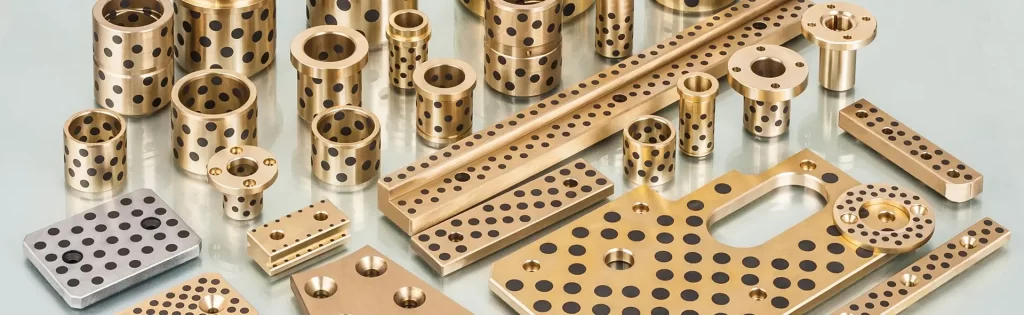
Table of Contents
1. Introduction to Aluminum Bronze Plate
Aluminum bronze represents the highest strength standard copper-based alloy family available in the industrial materials market. As a copper-aluminum alloy containing between 5% and 14% aluminum as the primary alloying element, often combined with iron, nickel, and manganese, aluminum bronze plate delivers a combination of mechanical properties that distinguishes it from conventional bronze alloys. The aluminum content, in conjunction with iron and nickel in grades such as C95500, acts as a strengthener, producing an alloy with tensile strength comparable to low-alloy steels while retaining the corrosion resistance inherent to copper-based materials.
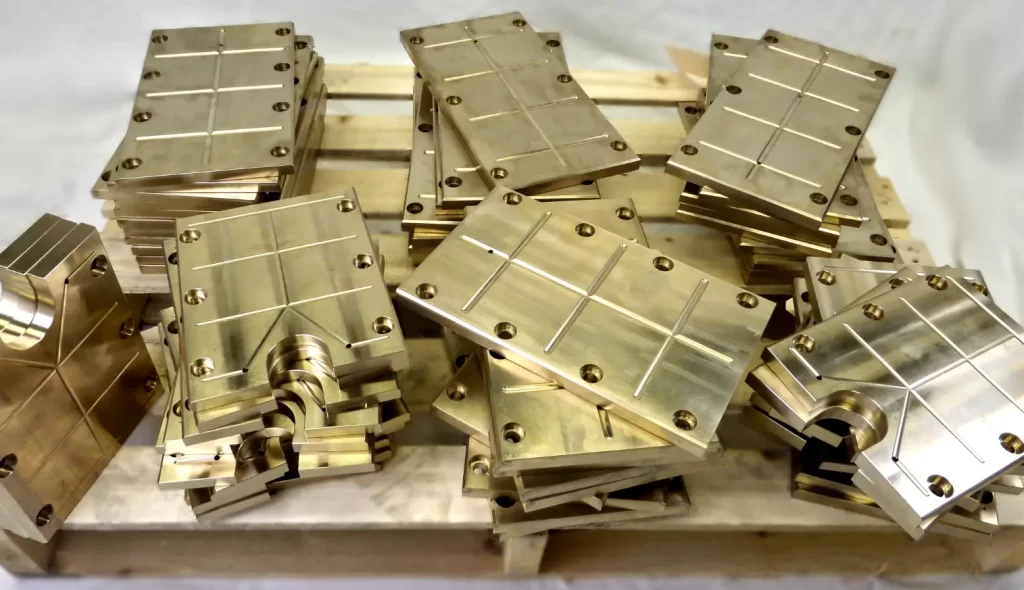
Aluminum bronze plate is manufactured in various standard configurations including rounds, tubes, and rectangles, with C95400, C95500, and C95900 representing the most commonly specified grades. The plate form is particularly valued for applications requiring large-surface wear components, structural supports, and machined parts where dimensional stability under load is critical. The material exhibits exceptional resistance to wear, fatigue, and deformation, with physical properties that remain robust at elevated temperatures—compressive strength at 500°F is equivalent to that of tin bronzes at room temperature
2. Specifications and Standards
Aluminum bronze plate is manufactured and certified to multiple international standards to ensure consistency, traceability, and performance reliability across industries.
2.1 ASTM Standards
ASTM B148 serves as the primary specification for aluminum-bronze sand castings, establishing requirements for copper-base alloys including UNS C95300, C95400, C95410, C95500, and C95800. This specification governs the chemical composition, mechanical properties, and testing protocols for aluminum bronze components produced via sand casting methods.
ASTM B171 / B171M covers copper-alloy plate and sheet for pressure vessels, condensers, and heat exchangers. This specification includes aluminum bronze grades such as C61300, C61400, and C63000, ensuring that plate products meet the stringent requirements for pressure-containing applications and thermal transfer equipment.
ASTM B505 applies to continuous cast aluminum bronze, while ASTM B271 covers centrifugal cast specifications. These standards ensure that aluminum bronze plate and wearplate products conform to industry-recognized quality benchmarks.
2.2 Military and Aerospace Specifications
Aluminum bronze alloys are also produced to defense and aerospace specifications including AMS 4640 (C63000 Nickel Aluminum Bronze), AMS 4881 (C95520 Nickel Aluminum Bronze), and MIL-B-16033 Class 3. These specifications impose additional requirements for mechanical properties, heat treatment, and quality assurance for mission-critical components.
2.3 European and International Standards
Aluminum bronze plate is also available to EN 1982, BS 2874, and CW307G / CW308G designations, facilitating global procurement and cross-border project execution
3. Chemical Composition of Major Aluminum Bronze Grades
The performance characteristics of aluminum bronze plate are fundamentally determined by its chemical composition. The following table presents the typical composition ranges for the most widely specified grades:
| Element | C95400 (Aluminum Bronze) | C95500 (Nickel Aluminum Bronze) | C95800 (Marine Aluminum Bronze) |
|---|---|---|---|
| Copper (Cu) | 83.0 – 88.0% | 79.0 – 83.0% | 77.0 – 81.0% |
| Aluminum (Al) | 10.0 – 11.5% | 10.0 – 11.5% | 8.5 – 9.5% |
| Iron (Fe) | 3.0 – 5.0% | 3.0 – 5.0% | 3.5 – 5.0% |
| Nickel (Ni) | ≤ 1.5% | 4.0 – 5.5% | 4.0 – 5.5% |
| Manganese (Mn) | ≤ 1.5% | ≤ 1.5% | ≤ 1.5% |
| Tin (Sn) | ≤ 0.2% | ≤ 0.2% | ≤ 0.2% |
| Zinc (Zn) | ≤ 1.0% | ≤ 1.0% | ≤ 1.0% |
| Lead (Pb) | ≤ 0.05% | ≤ 0.05% | ≤ 0.05% |
C95400 aluminum bronze represents the most popular all-purpose grade, offering high yield and tensile strength, good ductility, and weldability. C95500 nickel aluminum bronze provides enhanced corrosion resistance and toughness, particularly in marine environments. C95800 marine aluminum bronze is engineered specifically for seawater exposure and aggressive chemical environments.
4. Mechanical and Physical Properties
Aluminum bronze plate delivers mechanical properties that rival those of steel while offering superior corrosion resistance and wear characteristics.
4.1 Tensile Strength and Yield Strength
C95400 aluminum bronze exhibits tensile strength ranging from 620 to 760 MPa, with yield strength (0.2% proof) between 240 and 310 MPa. C95500 nickel aluminum bronze achieves tensile strength of 655 to 760 MPa and yield strength of 300 to 380 MPa. C95800 marine aluminum bronze provides the highest strength among the three, with tensile strength of 700 to 830 MPa and yield strength of 350 to 420 MPa.
Heat treatment can further enhance these properties. C95400 aluminum bronze can be heat treated to achieve tensile strength exceeding 95,000 psi (approximately 655 MPa) minimum. Some aluminum bronze alloys exhibit tensile strength greater than 100,000 psi with excellent impact properties and wear characteristics.
4.2 Hardness
Hardness values for aluminum bronze plate vary by grade and heat treatment condition. C95400 typically exhibits Brinell hardness of approximately 170 HB. C95500 reaches approximately 200 HB. UNS C95410 demonstrates Brinell hardness of 195 and Rockwell B hardness of 94. C95900, with the highest aluminum content, achieves hardness of 250–300 BHN, providing maximum wear resistance for extreme abrasion applications.
4.3 Elongation and Ductility
Aluminum bronze plate maintains useful ductility despite its high strength. Elongation values range from 12–20% for C95400, 12–18% for C95500, and 10–15% for C95800. This combination of strength and ductility enables aluminum bronze components to absorb shock loads and withstand impact without catastrophic failure.
4.4 Density
The density of aluminum bronze ranges from approximately 7.45 to 7.6 g/cm³, depending on the specific alloy composition
5. Key Advantages of Aluminum Bronze Plate
Aluminum bronze plate offers a combination of properties that make it indispensable for demanding engineering applications.
5.1 Exceptional Corrosion Resistance
Aluminum bronze exhibits outstanding resistance to corrosion in seawater, brine, chlorides, and many acids. This corrosion resistance is attributed to a tough layer of aluminum oxide that forms naturally on the surface of the alloy, acting as a protective barrier. In marine environments, aluminum bronze often outperforms many stainless steels, which are susceptible to pitting and crevice corrosion.
5.2 High Strength and Wear Resistance
Aluminum bronze plate delivers high strength comparable to low-alloy steels and exceeds the strength of most stainless steels. The alloy exhibits excellent wear and abrasion resistance, making it ideal for bearing surfaces, wear plates, and components subjected to continuous friction. The material maintains its strength over a wide temperature range and exhibits good fatigue and creep resistance.
5.3 Non-Sparking and Non-Magnetic Properties
Aluminum bronze is non-sparking and non-magnetic, making it exceptionally suitable for the oil and gas industry and other explosive atmospheres where safety is critical. This property is particularly valued for safety tools, hardware, and components in hazardous environments.
5.4 Good Fabrication Characteristics
Aluminum bronze plate offers good machinability with a mid-range machinability rating of approximately 60%. The material can be joined using soldering, brazing, gas shielded arc welding, and coated metal arc welding. It exhibits good formability and weldability, enabling the production of complex components
6. Applications Across Industries
The exceptional properties of aluminum bronze plate make it indispensable across a broad spectrum of industries.
6.1 Marine and Offshore
Aluminum bronze plate is extensively used in marine applications including propeller shafts, pump impellers, valve seats, and marine hardware. Nickel-aluminum bronze serves as an important material for ship propellers, pumps, valves, and launching fasteners. The alloy’s resistance to seawater corrosion and cavitation makes it the material of choice for subsea components, naval aviation connectors, and submarine defense equipment.
6.2 Aerospace
Aerospace applications include landing gear bushings and bearings, valve guides, stems, seats, machine tool parts, and aircraft components. AMS 4881 (C95520) nickel aluminum bronze is specifically used for military aircraft bushings involving heavy loads, abrasion, and high deformation, including aircraft carrier landings.
6.3 Oil and Gas
The non-sparking properties of aluminum bronze make it exceptionally suitable for the oil and gas industry. Applications include oil and gas subsea connectors, offshore equipment, and components in explosive atmospheres.
6.4 Heavy Machinery and Industrial Equipment
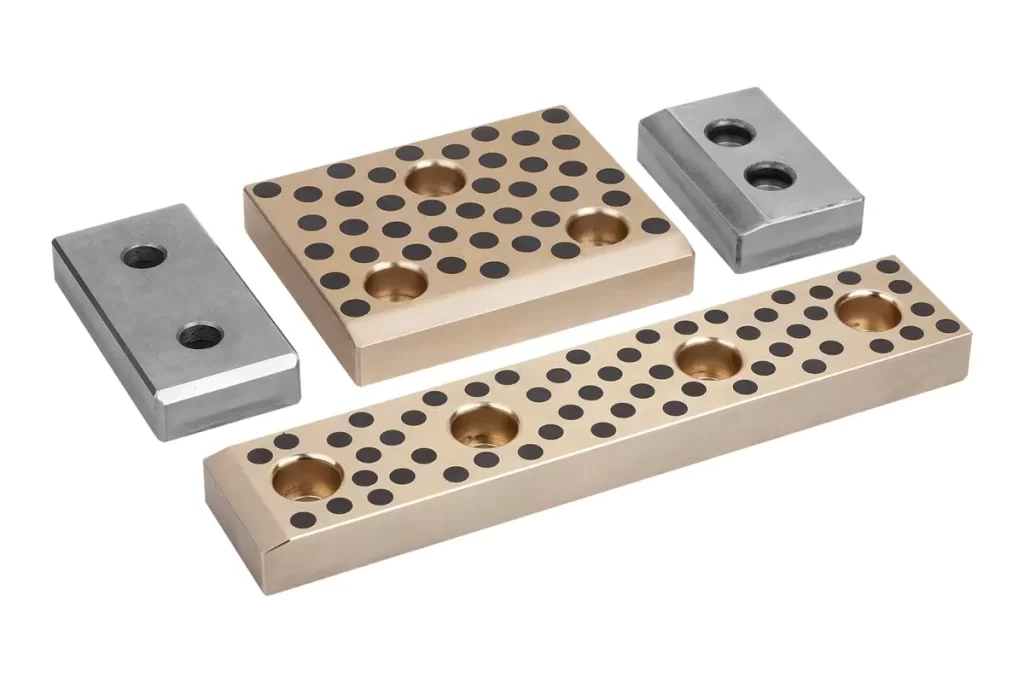
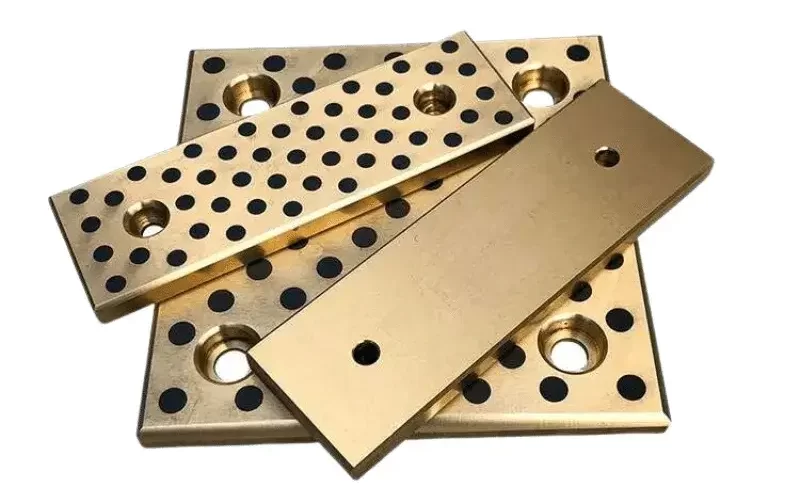
Aluminum bronze plate is widely used for bushings, bearings, gears, worm gears, guides, wear plates, and pump components. The material is selected for heavy-duty bearings, bushings, cams, shafting, and wear plates operating under high loads and frictional heat
7. Aluminum Bronze vs. Competing Materials
Understanding how aluminum bronze compares to alternative materials is essential for informed material selection.
7.1 Aluminum Bronze vs. Stainless Steel
Aluminum bronze offers superior wear resistance compared to stainless steel, which exhibits only moderate wear resistance. In seawater environments, aluminum bronze provides excellent corrosion resistance while stainless steel risks pitting. Aluminum bronze is non-sparking, whereas stainless steel is not. While both materials offer high strength, aluminum bronze delivers longer service life and lower maintenance in marine and heavy-duty wear applications.
7.2 Aluminum Bronze vs. Phosphor Bronze
Phosphor bronze is a copper-tin alloy with phosphorus added as a deoxidant, valued for its strength, toughness, and excellent spring properties. Aluminum bronze, however, provides higher strength and superior corrosion resistance, particularly in seawater. While phosphor bronze is preferred for electrical contacts and spring components, aluminum bronze is the material of choice for high-load bearings, bushings, and marine propellers.
7.3 Aluminum Bronze vs. Beryllium Copper
Beryllium copper combines high strength with good electrical conductivity and is used in precision components requiring elasticity and dimensional stability. Aluminum bronze offers comparable strength with superior corrosion resistance and is more cost-effective for large-scale bearing and bushing applications.
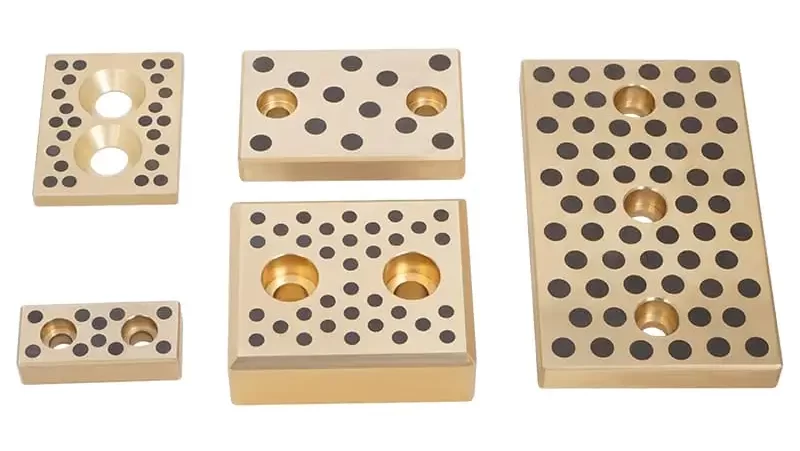
8. Aluminum Bronze Plate from MYWAY
MYWAY has emerged as a trusted provider of precision-engineered copper bearings, self-lubricating bronze bushings, and custom metallurgical components. Established in 2005, Zhejiang MYWAY Co., Ltd. brings more than 15 years of bushing experience, operating with an operation center, three production bases, and more than 2,000 bushing molds.
8.1 Premium Material Selection
MYWAY utilizes premium bronze materials including C954 Aluminum Bronze for heavy-duty applications. C954 Aluminum Bronze offers exceptional strength and corrosion resistance, making it ideal for bushings and wear components. MYWAY produces custom cast bronze bearings, straightener press rolls, copper alloy support rolls, aluminum bronze rolls, and wear plates for metallurgical applications.
8.2 Engineered Solutions
MYWAY does not merely supply components; the company provides engineered solutions grounded in deep metallurgical understanding. The manufacturing process begins with a fundamental understanding of metallurgy, including precise melting point characteristics of bronze alloys. MYWAY specializes in transforming premium bronze and brass into precision-engineered bushings, bearings, and custom components trusted by global industries.
8.3 Diverse Product Range
MYWAY offers a comprehensive range of bushing products including:
Sintered Bronze Bushings produced via powder metallurgy with self-lubricating properties
Graphite-Embedded Bronze Bushings for extreme conditions where external lubrication is impossible
Custom Cast Bronze Bearings for heavy-duty machinery applications
Aluminum Bronze Rolls and Wear Plates for metallurgical and industrial use
8.4 Industry Compatibility
MYWAY bushings are perfectly suitable for Caterpillar, Komatsu, Volvo CE, Sandvik, Metso, and other major equipment brands. The company provides various types of bushings for hydropower, marine, offshore, and heavy machinery applications, extending service life, cutting maintenance costs, and improving operational efficiency.
8.5 Quality Assurance
MYWAY products are manufactured under controlled conditions with full traceability, ensuring consistent quality for mission-critical components. The company’s deep expertise in high-strength and wear-resistant materials, combined with custom casting, machining, and export capabilities, positions MYWAY as a one-stop supplier for copper and copper alloy solutions
9. Frequently Asked Questions (FAQ)
Q1: What is aluminum bronze plate?
Aluminum bronze plate is a copper-based alloy flat product containing 5–14% aluminum as the primary alloying element, often with iron and nickel additions. It offers the highest strength among standard copper alloys combined with exceptional corrosion and wear resistance.
Q2: What are the most common aluminum bronze grades for plate?
The most commonly specified grades are C95400 (all-purpose aluminum bronze), C95500 (nickel aluminum bronze), and C95800 (marine aluminum bronze).
Q3: What standards govern aluminum bronze plate?
Aluminum bronze plate is manufactured to ASTM B148, ASTM B171, ASTM B505, AMS 4640, AMS 4881, and international equivalents including EN 1982 and BS 2874.
Q4: How does aluminum bronze compare to stainless steel?
Aluminum bronze offers superior wear resistance and seawater corrosion resistance compared to stainless steel, and is non-sparking. While both provide high strength, aluminum bronze delivers longer service life and lower maintenance in marine and heavy-duty applications.
Q5: What are the typical applications of aluminum bronze plate?
Typical applications include marine propellers and hardware, aerospace landing gear components, oil and gas equipment, bushings, bearings, gears, valve seats, pump impellers, and wear plates.
Q6: Can aluminum bronze be heat treated?
Yes, aluminum bronze can be heat treated to enhance mechanical properties. Heat treatment processes including annealing, quenching, and aging can significantly increase hardness and strength.
Q7: Is aluminum bronze suitable for welding?
Yes, aluminum bronze can be joined using gas shielded arc welding, coated metal arc welding, soldering, and brazing. Oxyacetylene welding is not recommended.
Q8: Why choose MYWAY for aluminum bronze bushings and components?
MYWAY brings over 15 years of experience, three production bases, more than 2,000 bushing molds, and deep metallurgical expertise. The company provides engineered solutions with premium C954 Aluminum Bronze, custom manufacturing capabilities, and full quality traceability.
10: Conclusion
Aluminum bronze plate represents the pinnacle of copper-based engineering materials, offering an unparalleled combination of strength, corrosion resistance, wear resistance, and non-sparking properties. From marine propulsion systems to aerospace landing gear, from oil and gas subsea equipment to heavy industrial machinery, aluminum bronze plate delivers the reliability and longevity that demanding applications require.
For engineers and procurement professionals seeking premium aluminum bronze bushings, bearings, wear plates, and custom components, MYWAY offers the expertise, manufacturing capability, and quality assurance necessary to meet the most challenging specifications. With more than 15 years of specialized experience, advanced production facilities, and a commitment to engineered solutions, MYWAY stands ready to support your most demanding applications.
Contact MYWAY today to discuss your aluminum bronze plate and bushing requirements. Let our engineering team develop the optimal solution for your application.
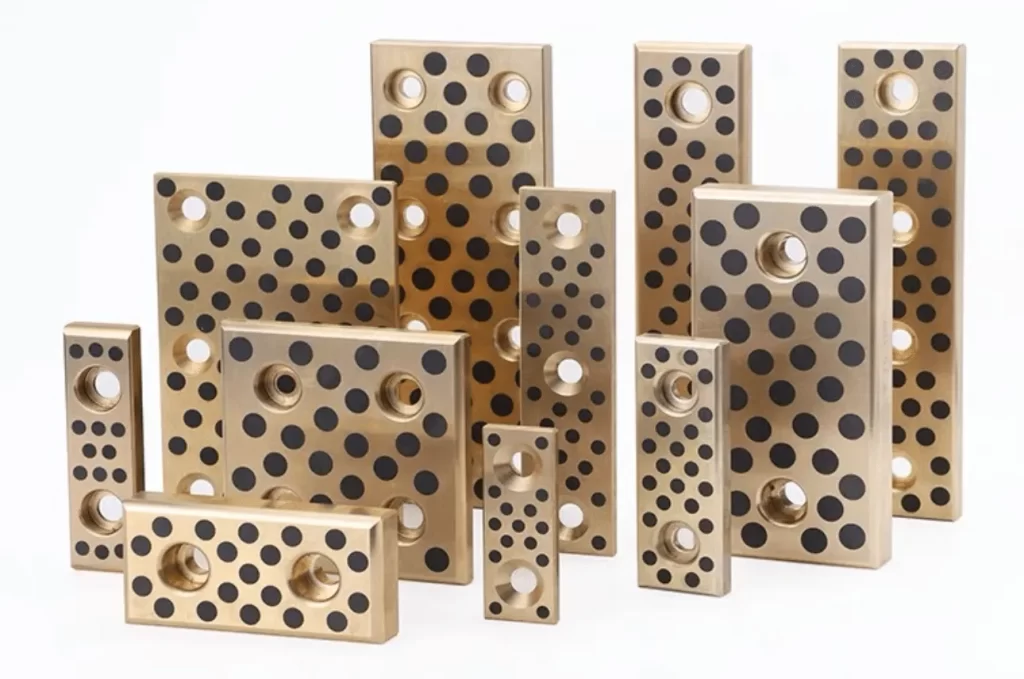
100000+ Types of Bushings – Contact Us for Details