
Recent Posts
Bronze and Copper in Industrial Applications: A Comprehensive Guide to Alloy Selection and High-Performance Bushings
Introduction
Bronze and copper represent two of the most foundational materials in industrial engineering. As “red metals,” they have served manufacturing, construction, marine, and mechanical sectors for millennia. While copper exists in its pure elemental form with exceptional thermal and electrical conductivity, bronze emerges as a copper-tin alloy engineered for superior strength, hardness, and corrosion resistance. Understanding the functional distinctions between these materials is essential for engineers, procurement specialists, and maintenance professionals seeking optimal component performance.
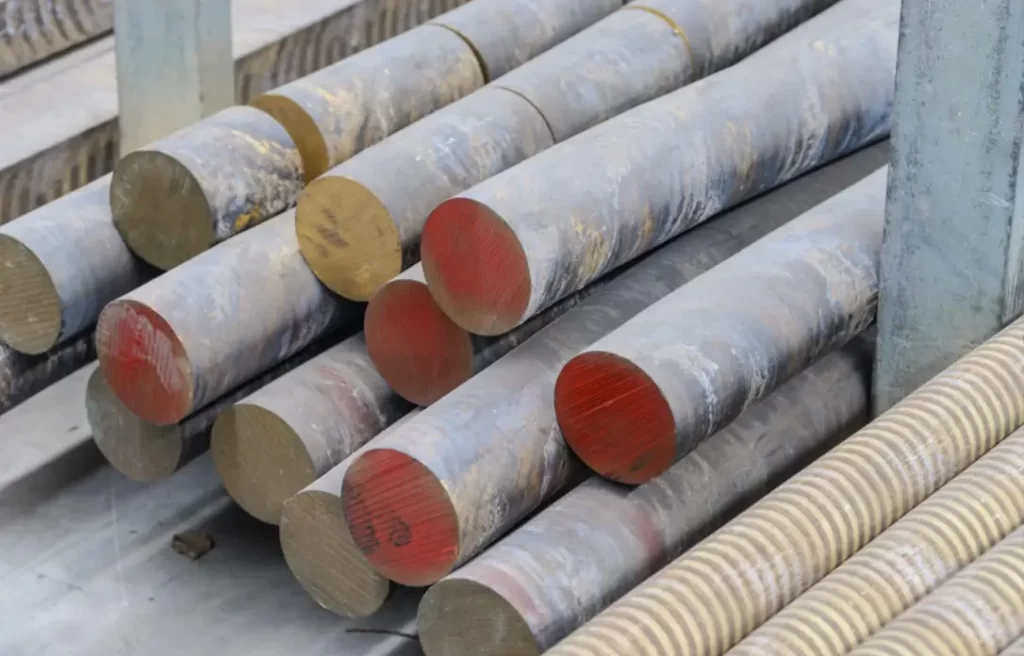
Table of Contents
1. Copper: The Foundation Metal
Copper constitutes the base element from which bronze and brass alloys are derived. In its pure form, copper contains a minimum of 99.3% copper content and exhibits several defining characteristics.
Thermal and Electrical Conductivity: Copper stands unmatched among industrial metals for heat and electricity transmission. This property makes it indispensable for electrical bus bars, wire connectors, and heat exchange applications.
Corrosion Resistance: Copper offers good resistance to atmospheric corrosion and performs reliably in many non-aggressive environments. Its natural antimicrobial properties have also been documented, with over 355 copper alloys demonstrating the ability to kill more than 99.9% of bacteria within two hours of contact.
Formability and Malleability: Copper’s ductility enables extensive forming, bending, and machining operations. It can be soldered, brazed, and welded through various gas, arc, and resistance methods.
Functional Applications: Copper finds primary use in electrical wiring, electronic components, pipe and pipe fittings, and heat exchangers. However, for applications demanding high wear resistance, load-bearing capacity, or reduced friction, copper alone proves insufficient—necessitating the alloying strategies that produce bronze.
2. Bronze: The Engineered Alloy
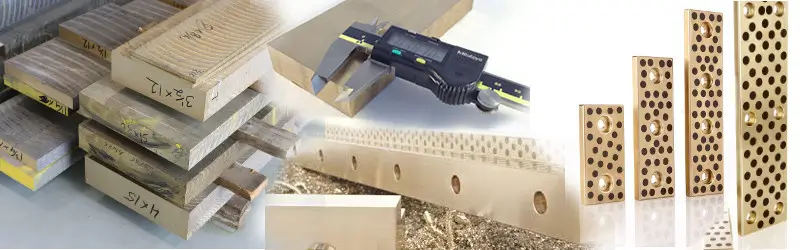
Bronze is primarily an alloy of copper and tin, with copper typically comprising 80–90% of the composition and tin contributing 10–20%. Additional elements such as lead, nickel, phosphorus, aluminum, manganese, and silicon may be incorporated to enhance specific properties.
Superior Strength and Hardness: The addition of tin significantly enhances bronze’s mechanical properties. Bronze exhibits superior strength and hardness compared to pure copper, making it suitable for applications requiring high durability and wear resistance.
Exceptional Corrosion Resistance: Bronze demonstrates excellent corrosion resistance, particularly against seawater and marine environments. This characteristic renders bronze the material of choice for maritime applications, offshore equipment, and components exposed to chemical or high-temperature conditions.
Low Friction and Wear Resistance: Bronze alloys designated as bearing bronze possess a favorable combination of low friction and high wear resistance, establishing them as the optimal choice for bearings and bushings.
Ease of Casting: Bronze has a lower melting point than pure copper (approximately 913°C versus 1085°C) and is more readily melted, facilitating casting operations
3. Bronze vs. Copper: Functional Comparison for Engineering Applications
| Property | Bronze | Copper |
|---|---|---|
| Strength & Hardness | High | Low |
| Corrosion Resistance | Excellent (especially marine) | Moderate |
| Wear Resistance | Superior | Poor |
| Electrical Conductivity | Low | High |
| Thermal Conductivity | Moderate | Excellent |
| Machinability | Challenging | Good |
| Castability | Excellent | Moderate |
| Friction Coefficient | Low | Moderate |
Bronze outperforms copper in load-bearing, wear-intensive, and corrosive environments. Copper excels in electrical and thermal transfer applications. This fundamental divergence dictates material selection across industrial sectors
4. Bronze Bushings: Critical Components in Industrial Machinery
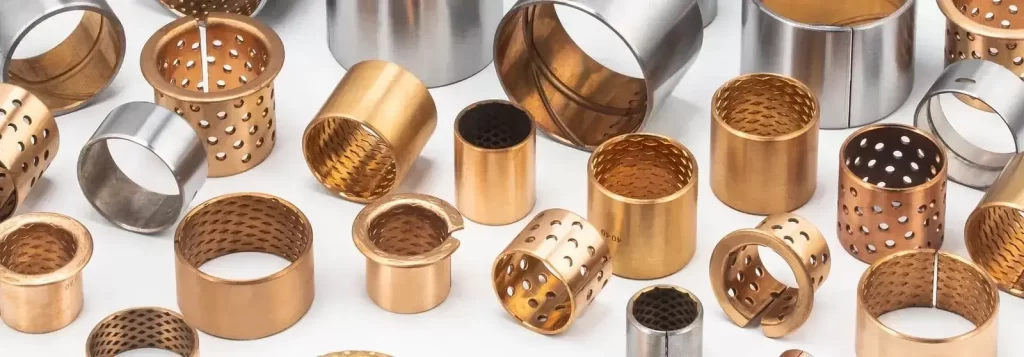
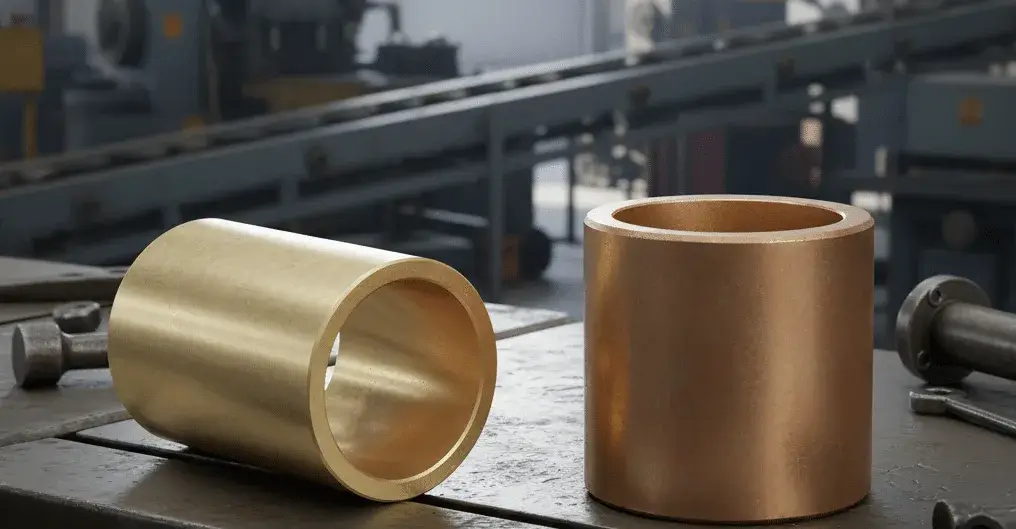
Bronze bushings—also referred to as bronze sleeve bearings, copper alloy bushings, or wrapped bronze bearings—serve as precision-engineered cylindrical components designed to reduce friction, support rotating shafts, and absorb radial and axial loads.
Functional Mechanism: Bronze bushings provide a low-friction interface between moving parts. When properly lubricated, they facilitate smooth rotational or linear motion while protecting shafts from wear and preventing metal-to-metal contact.
Wrapped Bronze Bearings: Manufactured from high-density copper alloy (typically CuSn8P), wrapped bronze bearings offer high density, exceptional load capacity, excellent wear resistance, and extended service life. They serve as compact and cost-effective replacements for traditional cast bronze bushings.
Self-Lubricating Capabilities: Advanced bronze bushings can be engineered with graphite inserts, oil-impregnated porosity, or PTFE composites, eliminating the need for external lubrication and substantially reducing maintenance requirements.
Installation Considerations: Proper installation requires confirming interference between the bushing outer diameter and mounting hole inner diameter (typically 0.04–0.10mm), grinding burrs to Ra≤6μm, and applying appropriate installation techniques—pressing vertically for interference ≤0.08mm or heating the mounting hole to 80–120°C for interference exceeding 0.08mm
5. Copper Alloy Bearings: Heavy-Duty Performance
Copper alloy bearings—including tin bronze, aluminum bronze, lead bronze, and phosphor bronze variants—form the backbone of industrial bearing technology across steel mills, rolling mills, mining equipment, and marine engineering.
Superior Thermal Conductivity: Copper alloys rapidly dissipate friction-generated heat, preventing overheating, lubricant breakdown, and component deformation—a critical advantage for high-speed rolling mills and continuous production lines.
Exceptional Wear and Corrosion Resistance: Alloys such as CuAl10Fe5Ni5 (aluminum bronze) and CuSn10 (tin bronze) resist abrasion, oxidation, and chemical corrosion, even in humid, acidic, or high-temperature environments.
High Load-Bearing Capacity: Copper alloys maintain structural integrity under heavy radial and axial loads, making them ideal for straightener press rolls, support rolls, and heavy machinery hinges.
Comparison with Alternative Materials: Unlike steel or plastic bearings, copper alloy components balance strength, flexibility, and lubricity, ensuring long service life in applications where standard bearings fail
6. Bronze Bushing Applications Across Industries
Bronze bushings and copper alloy bearings serve diverse industrial sectors:
Agricultural Machinery: Tractors, harvesters, and planting equipment utilize bronze bushings in linkages, pivot points, and wheel assemblies. These components withstand dirty environments, shock loads, and vibrations common in field operations.
Construction and Engineering Machinery: Excavators, loaders, bulldozers, and cranes employ bronze bushings in hydraulic systems, boom pivots, and track assemblies. High-load, low-speed applications demand the durability and wear resistance that bronze provides.
Marine and Offshore Equipment: Bronze’s exceptional resistance to seawater corrosion makes it indispensable for ship propellers, shaft bearings, deck machinery, and offshore platform components.
Mining and Material Handling: Crushers, conveyors, hoisting equipment, and mineral processing machinery rely on bronze bushings for their high load capacity and resistance to abrasive environments.
Industrial Manufacturing: Printing machines, textile equipment, plastic injection machinery, and paper-making machinery incorporate bronze bushings in their drive trains and rotating assemblies.
Automotive and Transportation: Bronze bushings appear in suspension systems, transmission components, gear shift forks, and various powertrain applications
7. Bronze Alloy Types and Their Functional Distinctions
Tin Bronze (CuSn): The classic bronze formulation offers excellent wear resistance and is the standard choice for bearings and bushings. Tin content ranging from 10–20% delivers hardness and corrosion resistance superior to brass.
Phosphor Bronze: Enhanced with phosphorus, this alloy improves wear resistance and fluidity during casting. It exhibits excellent fatigue resistance and is commonly used for pump plungers, valves, and bearing components.
Aluminum Bronze: Offering higher strength than tin bronze, aluminum bronze excels in high-temperature and repetitive load applications. It is stronger and more corrosion-resistant, making it ideal for marine and heavy-duty applications.
Leaded Bronze: The inclusion of lead improves machinability and compatibility, particularly under inadequate lubrication conditions. Leaded bronzes are commonly used for washers, bushings, and non-pressure components.
Bearing Bronze (e.g., C932, SAE 660): Specifically formulated for bearing applications, these alloys provide an optimal balance of strength, wear resistance, and low friction
8. MYWAY: Precision-Engineered Bronze Bushings and Copper Alloy Bearings
Company Profile: Zhejiang MYWAY Co., Ltd., established in 2005, operates as a professional bushing manufacturer with more than 15 years of industry experience. The company maintains an operation center, three production bases, and over 2,000 bushing molds, serving customers across more than 40 countries with IATF/ISO-certified quality standards.
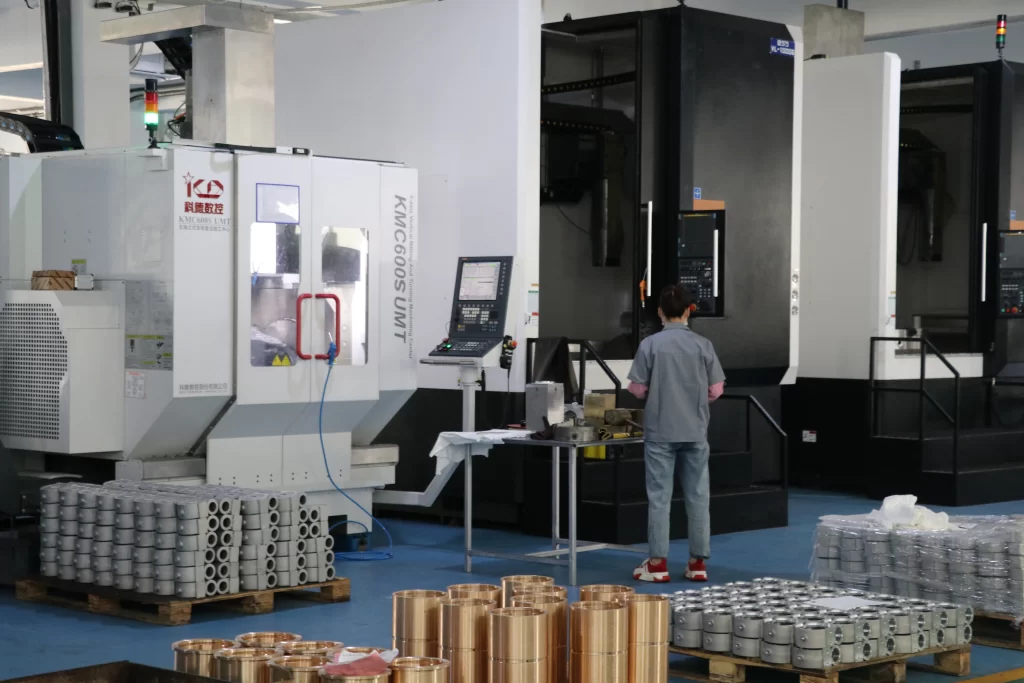
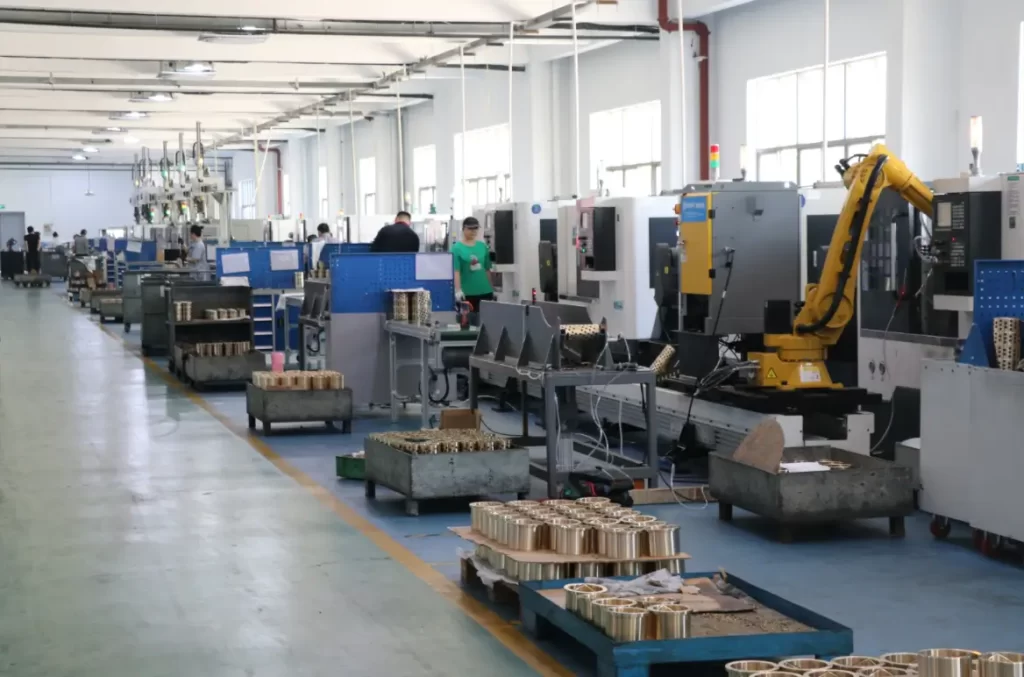
Manufacturing Excellence: MYWAY produces bronze bushings from smelting high-purity copper alloys to finished products. The manufacturing process utilizes precision centrifugal casting to ensure uniform density and structural integrity, followed by CNC machining that achieves micron-level accuracy. Automated polishing and robotic assembly lines maintain consistent quality, while CMM and optical inspection systems verify every product’s specifications.
Product Range: MYWAY offers wrapped bronze bushings (MW090, MW092, MW091 series), self-lubricating bronze bushings, PTFE bronze bushings, large bronze bushings (up to 20 inches in diameter), small miniature bushings (inner diameter less than 2 inches), thin-walled bronze bushings, flange bushings, wear plates, and custom metallurgical components.
Customization Capabilities: Bronze bushings can be customized with surface patterns including diamond or hemispherical oil pockets, lubrication grooves, or uniformly distributed lubrication holes.
Quality Assurance: MYWAY delivers custom and standard parts from casting to finish, with IATF/ISO certification and cost-effective solutions backed by reliable logistics
9. Selecting the Right Bronze Bushing for Your Application
Load Requirements: Determine the load capacity needed—radial, axial, or combined. High-load, low-speed applications benefit from bearing bronze alloys such as C932 or SAE 660.
Speed and Operating Conditions: Consider rotational speed, temperature range, and environmental exposure. Tin bronzes with high lead content should not exceed 150°C in operation.
Lubrication Strategy: Evaluate whether self-lubricating capabilities (graphite, oil-impregnated, or PTFE) would reduce maintenance costs and downtime.
Corrosion Environment: For marine, chemical, or high-humidity applications, select aluminum bronze or high-tin bronze alloys with superior corrosion resistance.
Dimensional Requirements: Specify inner diameter, outer diameter, length, and wall thickness. MYWAY maintains over 2,000 bushing molds to accommodate standard and custom specifications.
Cost Considerations: Brass bushings offer a more economical alternative for general-purpose, non-marine applications, while bronze bushings justify their higher cost through extended service life in demanding environments
Frequently Asked Questions (FAQ)
Q1: What is the primary difference between bronze and copper bushings?
Bronze bushings are manufactured from a copper-tin alloy that provides superior strength, hardness, and wear resistance compared to pure copper. Copper bushings, while offering excellent thermal conductivity, lack the mechanical durability required for most bearing applications.
Q2: Why choose bronze over brass for bushings?
Bronze offers higher strength, hardness, and corrosion resistance than brass, particularly in marine and high-temperature environments. Brass bushings are softer, easier to machine, and more economical, making them suitable for general-purpose applications.
Q3: What is a wrapped bronze bearing?
A wrapped bronze bearing is manufactured from high-density copper alloy (CuSn8P) through a cold-forming process. These bearings offer high density, exceptional load capacity, excellent wear resistance, and serve as cost-effective replacements for traditional cast bronze bushings.
Q4: Are self-lubricating bronze bushings maintenance-free?
Self-lubricating bronze bushings engineered with graphite inserts, oil-impregnated porosity, or PTFE composites can operate without external lubrication for extended periods, significantly reducing maintenance requirements.
Q5: What industries commonly use bronze bushings?
Bronze bushings are widely used in agricultural machinery, construction equipment, marine applications, mining equipment, industrial manufacturing, automotive systems, and material handling equipment.
Q6: How should bronze bushings be installed?
Proper installation requires confirming interference fit (0.04–0.10mm), grinding burrs to Ra≤6μm, and applying appropriate techniques—pressing vertically for interference ≤0.08mm or heating the mounting hole to 80–120°C for greater interference.
Q7: What bronze alloys are best for bearing applications?
Bearing bronze alloys such as C932 (SAE 660), C92400, and tin bronzes with 10–20% tin content provide the optimal combination of low friction, high wear resistance, and load-bearing capacity.
Q8: Can MYWAY produce custom bronze bushings?
Yes. MYWAY maintains over 2,000 bushing molds and offers full customization from material selection to finished product, with capabilities including surface patterning, lubrication features, and dimensional specifications
Conclusion
Bronze and copper represent complementary materials in the industrial engineering landscape. Copper delivers unmatched thermal and electrical conductivity, while bronze—through strategic alloying with tin and other elements—provides the strength, wear resistance, and corrosion protection essential for bearings, bushings, and heavy-duty components.
For engineers and procurement professionals seeking reliable, high-performance bushing solutions, MYWAY offers precision-engineered bronze bushings and copper alloy bearings manufactured to IATF/ISO standards. With two decades of experience, vertically integrated production, and a commitment to quality, MYWAY delivers components that perform reliably in the most demanding industrial environments.
Contact MYWAY today to discuss your bronze bushing and copper alloy bearing requirements. Custom solutions available for standard and specialized applications.
100000+ Types of Bushings – Contact Us for Details