
Recent Posts
Precision Gear Manufacturing: Engineering Motion Control for Advanced Industrial Applications
Introduction
Precision gear manufacturing represents the convergence of metallurgical science, ultra-precision machining, and rigorous quality control. In an era where industrial automation, robotics, and miniaturized systems demand ever-increasing accuracy, the humble gear train has evolved into a sophisticated engineering masterpiece. From surgical robots performing micro-incisions to wind turbines harnessing renewable energy, precision gears enable controlled motion, torque transmission, and positional accuracy across virtually every advanced industry. This article examines the functions and applications of precision gear manufacturing while highlighting the critical role of complementary components—particularly bushings—in ensuring system longevity and reliability.
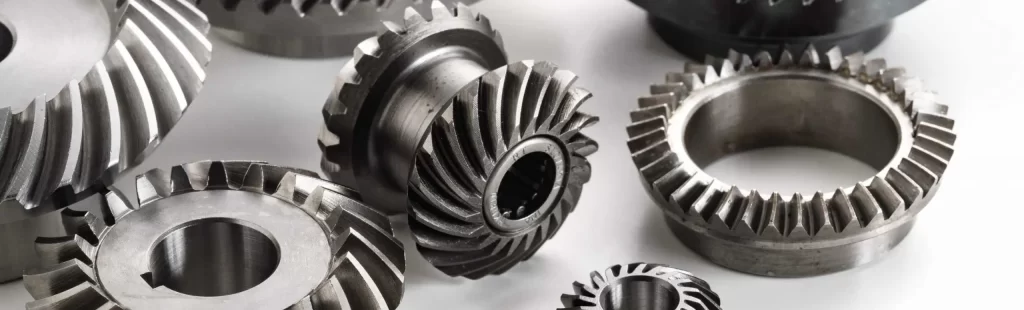
Table of Contents
1. Defining Precision Gear Manufacturing and Its Core Functions
Precision gear manufacturing encompasses the production of gear components with tooth geometries, surface finishes, and dimensional tolerances that meet exacting international standards such as AGMA, ISO, and DIN classifications. Unlike standard commercial gears, precision gears typically achieve AGMA Class 8–12 or equivalent accuracy levels, with some specialized applications reaching GB Grade 4 or even Grade 2–1 standards.
The primary functions of precision gears extend across three fundamental mechanical requirements: torque transmission from power sources to driven loads, speed reduction or multiplication through gear ratios, and motion conversion between rotational and linear axes. In servo-driven systems, precision gears directly influence positioning repeatability, dynamic response, and overall system efficiency. Advanced error prediction models employing data-augmented long short-term memory networks now enable manufacturers to achieve GB5-level machining accuracy while reducing computational costs significantly, demonstrating the technological sophistication of modern gear production
2. The Critical Role of Gear Hobbing and Advanced Machining Processes
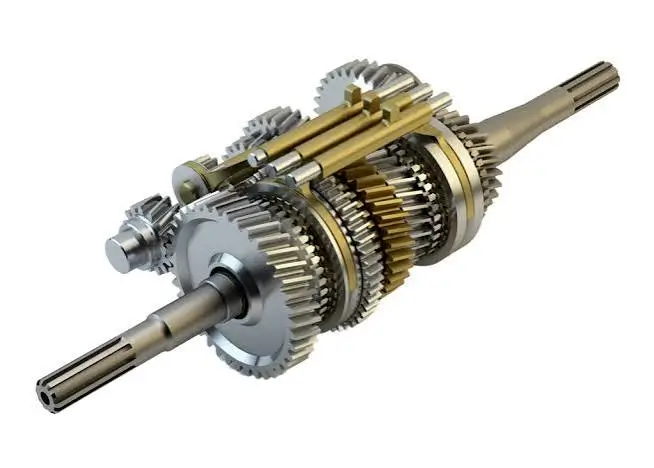
Gear hobbing remains the predominant manufacturing method for precision gears, offering the optimal balance of productivity and accuracy for volume production. This continuous cutting process utilizes a helical hob synchronized with the rotating gear blank, enabling simultaneous tooth generation across the entire gear circumference. The process accommodates various gear types including spur, helical, worm, spline, and sprocket configurations, with hobbed gears typically achieving AGMA Class 8–10 accuracy under proper setup conditions.
Beyond hobbing, precision gear manufacturers employ complementary processes such as gear shaping, broaching, honing, and CNC milling to achieve specific geometries or surface characteristics. For micro-gear applications with module sizes as small as 0.2, specialized machining techniques combined with high-performance engineering plastics enable the production of gear teeth fine as human hair, suitable for miniature actuators, optical instruments, and micro-drives. The selection of manufacturing processes depends on factors including required accuracy level, production volume, material characteristics, and geometric complexity.
3. Material Selection and Heat Treatment Considerations
Precision gear manufacturing requires careful material selection based on operating conditions including load magnitude, rotational speed, environmental exposure, and expected service life. Common materials include various steel alloys (for strength and wear resistance), brass and bronze (for corrosion resistance and anti-friction properties), and aluminum (for lightweight applications). Advanced engineering plastics such as iglidur A180 and A500 offer wear-resistant alternatives for applications requiring low weight and maintenance-free operation.
Heat treatment processes—including carburizing, nitriding, and induction hardening—significantly influence gear performance by enhancing surface hardness while maintaining core toughness. Case depths and hardness profiles must be precisely controlled to achieve desired wear resistance and fatigue life. Manufacturers employ German Ipsen heat treatment production lines with ultrasonic testing, magnetic particle inspection, and gear tooth grinding burn detection to ensure consistent material properties across production batches
4. Precision Gear Applications Across Key Industries
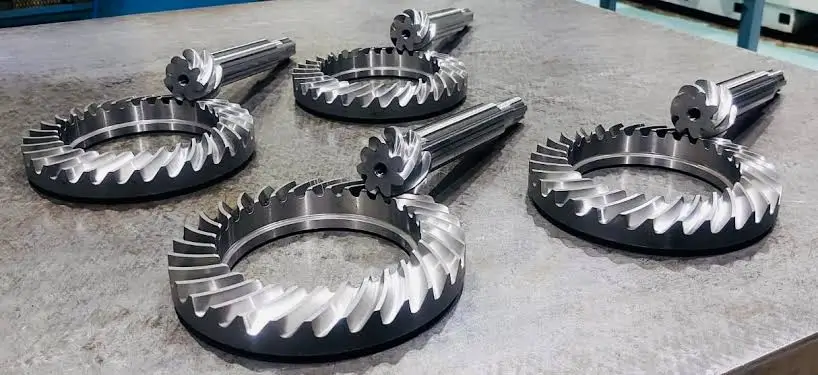
Robotics and Automation – The robotics sector contributes approximately 35% of global precision gear revenue, with projections indicating 46.3% market share by 2030. Industrial robots, collaborative robots, and mobile robots all depend on precision gears for joint actuation, wrist positioning, and end-effector control. Humanoid robots—representing the fastest-growing segment—primarily utilize strain wave and planetary gearboxes for compact, lightweight actuators, with cycloidal gears being evaluated for high-torque hip, knee, and waist joints requiring superior impact resistance.
Medical Equipment – Surgical robots, drug delivery systems, and diagnostic imaging devices demand precision gears with minimal backlash, exceptional smoothness, and uncompromising reliability. In insulin pumps and microfluidic devices, even micron-level positioning errors directly affect dosage accuracy, making gear precision a patient safety consideration. The medical equipment sector consistently outperforms general manufacturing in precision gear sales growth, driven by demographic trends and technological advancement.
Aerospace and Defense – Aircraft actuation systems, radar positioning mechanisms, and unmanned vehicle controls require precision gears capable of operating under extreme temperature variations, vibration, and shock loads. Military and defense applications represent a growing market for precision gears, with annual growth rates of 5.9% projected through 2030. Gears for these applications typically meet MIL-I-45208A specifications and undergo rigorous quality verification using coordinate measuring machines and specialized inspection equipment.
Semiconductor and Electronics Machinery – The artificial intelligence boom has accelerated investment in semiconductor manufacturing equipment, where precision gears enable wafer handling, positioning stages, and inspection systems. The cyclical rebound in electronics investment since 2024 has driven demand for precision gear products in this sector
5. Understanding Bushings: The Essential Support Component in Gear Systems
While gears receive primary engineering attention, bushings—also known as plain bearings or sleeve bearings—perform equally critical functions within gear systems. These cylindrical components provide the low-friction interface between rotating shafts and stationary housings, fulfilling multiple essential roles:
Radial and Axial Support – Bushings maintain shaft position within the housing, preventing excessive deflection that could misalign tooth contact and accelerate wear. Proper bushing support ensures gears mesh correctly, preserving transmission accuracy and reducing noise.
Load Distribution – By distributing radial loads evenly over a large surface area, bushings reduce contact stresses and protect both shaft and housing from premature wear. This load-spreading function is particularly important in high-torque gearboxes where concentrated loads could otherwise cause galling or seizure.
Friction Reduction and Energy Efficiency – High-quality bushing materials such as bronze, PTFE composites, and sintered metals provide low friction coefficients, minimizing energy losses and heat generation. Self-lubricating bushings with oil-impregnated porous structures enable maintenance-free operation in applications where conventional lubrication is impractical.
Vibration Damping and Noise Reduction – Bushings absorb vibrations generated by gear mesh excitation, reducing operational noise and protecting sensitive bearings and seals. This damping function is particularly valued in consumer-facing applications such as electric vehicles and medical equipment.
6. Bushing Material Options and Selection Criteria
The selection of bushing materials significantly influences gear system performance and service life. MYWAY offers expertise across the full spectrum of high-performance materials:
Bronze Alloys – Bronze bushings provide excellent wear resistance, good corrosion resistance, and superior machinability. Alloys such as C91700 (nickel gear bronze) offer high compressive strength for heavy-load applications in steel mills, mining equipment, and marine environments. Bronze exhibits exceptional conformability, accommodating minor shaft misalignments without failure.
Steel and Stainless Steel – Steel bushings deliver very high strength and durability, with options for surface hardening to enhance wear resistance. Stainless steel variants provide superior corrosion resistance for food processing, chemical environments, and outdoor applications. Steel bushings are typically selected for extreme load conditions where bronze may not provide sufficient strength.
Powder Metallurgy (Sintered Bronze) – Sintered bronze bushings manufactured through powder metallurgy allow for complex shapes and incorporate oil-impregnated porosity for self-lubricating properties. These cost-effective solutions suit high-volume automotive applications, small appliances, and fractional horsepower motors where maintenance access is limited.
Composite Materials – Proprietary composites combining polymers, fibers, and solid lubricants optimize wear resistance, load capacity, and friction performance. DU/SF-1 self-lubricating bushings feature a steel backing with sintered bronze interlayer and PTFE overlay, enabling dry or minimal-lubrication operation in applications where oil or grease cannot reach
7. Precision Gear and Bushing Integration: A Systems Approach
Achieving optimal gear system performance requires treating gears and bushings as integrated components rather than independent parts. The clearance between bushing and shaft directly affects gear mesh alignment: excessive clearance causes shaft wobble and uneven tooth contact, while insufficient clearance leads to seizure or rapid wear. Thermal expansion mismatches between materials must be considered in design to maintain functional clearances across operating temperature ranges.
For high-precision applications, bushing manufacturing quality matters as much as gear accuracy. Reputable manufacturers employ CNC turning, milling, and grinding capabilities to produce bushings with tight tolerances and exceptional surface finishes. Coordinate measuring machines, surface roughness testers, and material property verification ensure each component meets specified criteria. When selecting a bushing partner, engineers should consider manufacturing capabilities, material expertise, quality certifications (such as ISO/TS 16949 for automotive applications), and engineering support availability
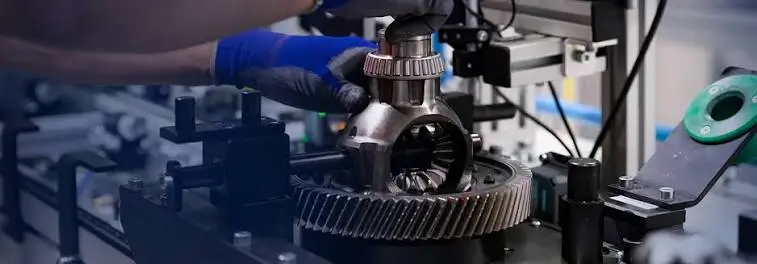
8. Quality Assurance and Metrology in Precision Gear Manufacturing
Precision gear manufacturers employ extensive quality control systems to verify component accuracy and maintain process stability. Inspection equipment calibrated to national standards (such as NIST traceability) ensures measurement reliability. Advanced metrology equipment includes:
Coordinate Measuring Machines (CMMs) – Zeiss CMMs and similar instruments measure dimensional accuracy of gear features, verifying diameters, concentricity, and positional tolerances against design specifications.
Gear Inspection Centers – Gleason 1500GMM centers and comparable equipment evaluate tooth geometry including profile, lead, pitch, and runout characteristics. These specialized instruments provide comprehensive gear accuracy assessment in accordance with international standards.
Non-Destructive Testing – Ultrasonic testing, magnetic particle inspection, and grinding burn detection verify material integrity and process quality without damaging components.
Quality management systems certified to ISO 9001:2015, AS9100D, and IATF 16949 provide systematic framework for process control, documentation, and continuous improvement. Manufacturers often support Production Part Approval Process (PPAP) submissions for automotive and aerospace applications, ensuring first-article inspection and ongoing process capability validation
9. Customization Capabilities and Prototype-to-Production Services
Modern precision gear manufacturers provide comprehensive customization capabilities from prototype through production. The availability of both low-volume and high-volume manufacturing ensures flexibility for new product development, maintenance spares, and full-scale production.
Drawing-Based Manufacturing – Complete engineering drawings specifying tooth geometry, tolerances, material, and heat treatment requirements enable accurate quoting and production. First-article validation confirms the initial produced part meets requirements before proceeding to volume production.
Sample-Based Manufacturing – Physical samples facilitate match-fit verification when drawings are incomplete or when replacing existing parts needing dimensional confirmation with mating components. This approach is particularly valuable for legacy equipment maintenance.
Engineering Support – Technical consultation helps customers select optimal materials, geometries, and manufacturing processes for specific load, speed, temperature, and lubrication conditions. Reverse engineering and design optimization services address unique application requirements.
Production Scalability – Capabilities spanning single prototype parts to thousands of production units accommodate projects of all scales. For micro-gear applications, injection molding supports cost-effective high-volume production while mechanical machining from rod stock suits economical small-batch production
Frequently Asked Questions
Q1: What accuracy levels can precision gear manufacturing achieve?
Precision gear manufacturing typically achieves AGMA Class 8–12 or GB Grade 4–6, with some specialized applications reaching GB Grade 2–1 for ultra-precision requirements.
Q2: What manufacturing processes are used for precision gear production?
Common processes include gear hobbing, gear shaping, broaching, keyseating, honing, milling, heat treating, and CNC machining.
Q3: How do bushings contribute to gear system performance?
Bushings provide radial and axial support, distribute loads, reduce friction, dampen vibrations, protect mating components from wear, and aid in heat dissipation.
Q4: What materials are available for precision bushings?
Bushing materials include bronze alloys, steel and stainless steel, powder metallurgy sintered bronze, and composite materials with self-lubricating properties.
Q5: How do I select between bronze and steel bushings?
Bronze bushings excel in wear resistance and conformability for slow-speed, high-load applications; steel bushings provide extreme strength for higher speeds or specific structural requirements.
Q6: What quality certifications should precision gear manufacturers hold?
Relevant certifications include ISO 9001:2015, AS9100D (aerospace), IATF 16949 (automotive), and classification society approvals.
Q7: Can precision gears and bushings be manufactured from customer drawings?
Yes, manufacturers accept both complete drawings and physical samples for custom production.
Q8: What is the typical production lead time for precision gears?
Standard ground gear orders typically deliver within 45–60 days, with expedited options available for urgent requirements.
Q9: Are self-lubricating bushings suitable for maintenance-free applications?
Yes, oil-impregnated sintered bronze and PTFE-lined composite bushings provide maintenance-free operation in many moderate-load applications.
Q10: What industries rely on precision gears and bushings?
Key industries include robotics, medical equipment, aerospace, defense, semiconductor manufacturing, automotive, and industrial automation
MYWAY Bushings: Your Partner in Precision Motion Systems
MYWAY Bushings brings over two decades of experience in manufacturing high-precision bushings, bearings, and custom mechanical components for demanding gear applications. Certified to IATF 16949 (automotive sector standard), MYWAY delivers components that match exacting global quality requirements.
Manufacturing Excellence – Advanced CNC turning, milling, and grinding capabilities produce bushings with tight tolerances and exceptional surface finishes. Multi-axis machining supports complex geometries including flanged designs, oil grooves, locking collars, and non-standard profiles.
Material Expertise – Comprehensive alloy selection includes bronze, steel, stainless steel, sintered bronze (powder metallurgy), and proprietary self-lubricating composites. Each material is matched to specific application conditions including load, speed, temperature, and lubrication availability.
Customization Support – Engineering consultation helps select optimal bushing materials and geometries for gearbox designs. From reverse engineering to prototyping to full production, MYWAY provides end-to-end support for projects of all scales.
Global Trust – MYWAY bushings are used by OEMs and aftermarket suppliers across the United States, Europe, Japan, Australia, and Southeast Asia, attesting to reliability and consistent quality.
Cost-Effective Excellence – Efficient production processes and vertical integration deliver competitive pricing without compromising quality. Made-to-order solutions eliminate compromise, ensuring each bushing is perfectly suited to its application.
Contact MYWAY Bushings today to discuss your precision bushing requirements. From standard components to custom-engineered solutions, MYWAY delivers the precision, durability, and reliability your gear systems deserve.
100000+ Types of Bushings – Contact Us for Details